
Influence of Materials on Construction Costs in High-Rise Projects
Understanding material impact for a 20-storey commercial office building in Johannesburg.
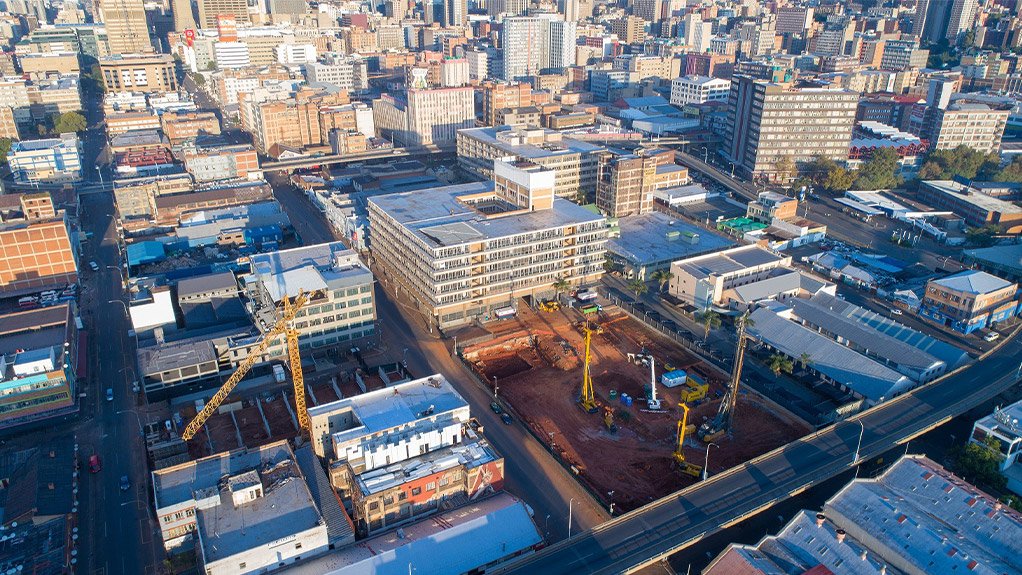
Key Highlights
- Material Type and Quality: Choices between standard versus high-end materials directly influence overall costs.
- Site Specific Conditions: Geographic location, soil conditions, and supply chain challenges significantly affect material selection and pricing.
- Specialized Systems and Finishes: Elements such as curtain wall facades, reinforced concrete systems, and energy-efficient installations require premium materials, impacting both upfront costs and long-term expenses.
Overview
In urban construction projects like the 20-storey commercial office building in Johannesburg, materials form a fundamental component of overall construction costs. The selection and quality of materials not only define the financial expenditure but also play a vital role in ensuring structural integrity, energy efficiency, and aesthetic appeal. Factors such as local construction conditions, geographical constraints, and specialized design requirements tend to drive material costs, and understanding these influences is crucial for project planning and budget allocation. This case study outlines how material choice influences costs in a high-rise commercial building by considering various factors such as material quality, regional pricing differences, site-specific challenges, and regulatory compliance.
Material Type and Quality
Standard Versus High-End Materials
The selection between standard and premium materials significantly influences construction costs, especially when a project incorporates high-end finishes and state-of-the-art systems. Standard quality materials, which typically cost between R5,000 to R10,000 per square meter, are often used for basic construction requirements. However, in a prestigious high-rise like the one described, luxury or specialized finishes can escalate costs, sometimes exceeding R20,000 per square meter. In this particular project, high-quality reinforced concrete is crucial for structural integrity. The concrete mix is designed to provide durability and strength over 20 floors, and the use of specialized additives or reinforcement techniques further increases the cost.
High-End Finishes and Specialized Systems
The inclusion of elements such as a curtain wall facade, energy-efficient systems, and premium interior finishes add a new dimension to material cost considerations. Curtain wall facades require high-quality materials such as aluminum frames, insulated glass, and specialty sealants. These materials not only provide the building’s visual appeal but also contribute to thermal efficiency—a critical factor in the hot summers and relatively cool winters of Johannesburg.
Regional and Supply Chain Considerations
Local Availability and Transport Costs
Johannesburg's urban setting offers both opportunities and challenges. While the city benefits from a developed infrastructure network that can facilitate easier access to quality materials, the specific requirements of a 20-storey office building sometimes necessitate sourcing from specialized suppliers, sometimes even from outside the local region. The logistics involved in transporting high-quality or import-dependent materials can significantly increase the overall costs. For example, if premium finishes or state-of-the-art glazing materials are sourced from international markets, shipping fees, customs duties, and increased lead times will add to the financial burden.
Impact of Supply Chain Disruptions and Economic Variables
Materials' influence on cost is also critically affected by broader economic factors such as inflation and currency fluctuations. In Johannesburg, these factors can lead to significant price variability. Economic volatility, combined with potential supply chain disruptions, can lead to unexpected cost escalations. Consequently, project managers must include contingency allowances in the budget when procuring essential materials. This proactive approach helps mitigate the impact of unpredictable market conditions on overall project delivery and financial management.
Site Conditions and Design Requirements
Influence of Soil and Environmental Conditions
Site-specific conditions in Johannesburg play an influential role in material choices. The soil properties, for instance, are crucial in determining the foundation design. If the underlying soil is less stable or has poor load-bearing capacity, the construction might require deeper foundations or additional reinforcement, which necessitate more expensive high-strength concrete and specialized reinforcement techniques. Moreover, the environmental conditions, such as exposure to high temperatures, strong sunlight, or occasional heavy rains, call for the selection of materials that are resistant to weathering and thermal variations.
Design-Driven Materials: Curtain Walls and Energy Systems
The building’s design requirements have a direct impact on material selection. The decision to incorporate a curtain wall facade, for example, necessitates the use of specific cladding materials that must withstand energy efficiency tests and meet aesthetic standards. This choice elevates not only the cost of materials but also demands specialized installation expertise, increasing labor costs.
Similarly, the inclusion of energy-efficient mechanical and electrical systems demands the use of high-performance insulation, modern HVAC systems, and specialized wiring to ensure the building operates effectively. Although these choices lead to increased upfront construction costs, they promise long-term savings by reducing operational costs and ensuring compliance with sustainability standards. This balance between immediate expenditures and long-term benefits is a common theme in modern high-rise construction projects.
Regulatory and Sustainability Requirements
Compliance with Local Building Codes
Johannesburg's stringent building codes mean that materials used must adhere to multiple safety and environmental standards. For instance, fire safety regulations might dictate using fire-resistant cladding on curtain walls, while energy efficiency mandates necessitate materials that contribute towards thermal insulation and reduced power consumption. Compliance often requires higher-cost, certified materials that have undergone rigorous testing. This is particularly true for high-rise structures, where any deviation from prescribed standards could result in severe legal and financial implications.
Sustainability and Green Building Certifications
The growing demand for sustainable and net-zero energy buildings is another important cost-influencing factor. Modern high-rise projects in Johannesburg often seek green building certifications which mandate the selection of eco-friendly and energy-efficient materials. Incorporating solar panels, advanced glazing systems that minimize heat loss, and sustainable insulation options may increase initial expenses but result in long-term operational savings and enhanced environmental performance. The adoption of such green materials not only meets local government incentives but also appeals to a market increasingly focused on sustainability.
Integration with Project-Specific Systems
Reinforced Concrete and Structural Considerations
In high-rise buildings, the structural system is largely dependent on reinforced concrete. The volume and quality of concrete required for a 20-storey building are considerable. Advanced concrete formulations, possibly incorporating additives for extra resilience, are usually more expensive. Additionally, specific reinforcement practices, such as the use of high-tensile steel bars or fiber-reinforced polymers, contribute further to increased costs. The investment in these high-grade materials is critical to ensuring that the building can safely bear its own weight and the additional loads over its lifespan.
Impact of High-End Finishes and Aesthetic Components
Luxury finishes add a significant aesthetic value but are accompanied by a premium price tag. For example, the interior may boast high-quality flooring, bespoke wall coverings, designer lighting fixtures, and custom ceiling treatments that not only elevate the user experience but also substantially increase construction costs. This attention to detail in material selection reflects a higher initial capital outlay, which is subsequently justified by improved marketability, longer lifespan, and a stronger brand image for the commercial building.
Material Cost Impact Table
The following table provides a summary of key materials used in the project and the cost implications associated with each:
| Material/Component | Cost Implications |
|---|---|
| Reinforced Concrete | High volume required; advanced formulations and reinforcement techniques increase cost. |
| Curtain Wall Facade | Expensive due to the use of high-quality aluminum, insulated glass, and specialized installation. |
| High-End Finishes | Premium interiors including flooring, lighting, and wall coverings increase the overall expenditure. |
| Energy-Efficient Systems | Utilization of modern HVAC, insulation, and smart building materials increases upfront costs but reduces long-term expenses. |
Labor and Installation Considerations
Skilled Labor Requirements
Installing high-end materials typically requires skilled labor. In Johannesburg, where specialized teams are more common in urban settings, labor costs can be significantly higher when dealing with intricate installations such as curtain wall facades or smart building systems. Skilled labor ensures efficient installation, which can prevent costly delays and reworks. Although the initial labor cost is higher, it guarantees quality workmanship and long-lasting performance of the materials used.
Impact on Project Schedule
Alongside higher labor costs, the complexity of installing advanced materials can extend project timelines. Specialized techniques for reinforced concrete pours or detailed aesthetic finishes require precise scheduling and often involve subcontractors with niche expertise. This not only influences material costs but raises overall project management challenges, further elevating costs indirectly through delays and extended financing requirements.
Long-Term Financial and Operational Considerations
Energy Efficiency and Operational Savings
Although the initial cost of energy-efficient materials is relatively high, the long-term savings they afford—through reduced energy consumption and lower maintenance costs—serve as a crucial financial benefit over the building’s lifespan. Modern systems integrated within the construction, such as high-performance glazing and energy-saving HVAC systems, are designed to minimize operational expenditures. This upfront investment in premium materials is gradually offset by steady energy savings, reducing the total cost of ownership significantly.
Return on Investment and Market Value
Selecting high-grade materials also enhances the market value of the building. Commercial properties that boast superior finishes and sustainable features not only attract higher-quality tenants but often command premium rents. In turn, this improved market positioning provides a better return on investment. Consequently, while material costs in such high-rise developments initially appear daunting, the long-term financial benefits, including elevated asset value and reduced operating costs, are substantial.
Conclusion
In summary, materials significantly influence the construction costs of a 20-storey high-rise commercial office building in Johannesburg by affecting various aspects of the project—from the structural integrity provided by reinforced concrete to the aesthetic and operational benefits of high-end finishes and energy-efficient systems. The selection process is highly sensitive to regional factors such as local supply chains, labor market dynamics, and specific site conditions like soil stability and climatic challenges. Moreover, adhering to local building codes and sustainability standards further dictates the choice of higher-quality or specialized materials, which, although increasing upfront costs, promises long-term benefits through operational savings and enhanced market value. Therefore, a holistic approach to material selection, one that includes weighing immediate expenses against long-term returns and regulatory compliance, is critical for successful project execution in urban contexts like Johannesburg.
References
- House Renovations Johannesburg - Construction Cost South Africa
- Building Cost per Square Meter Johannesburg - Building Cost Johannesburg
- Construction Cost Johannesburg - Construction Cost South Africa
- Axioprojects - The Cost of Building in South Africa
-
Neuroject - 2025 Construction Costs Forecast
Recommended
Last updated February 26, 2025