
Insights into Materials for Gateway Case Studies
A concise guide to the core materials used in gateway case study sheets
Key Highlights
- Sustainability Considerations: Choosing materials like mass timber helps lower embodied carbon and celebrates cultural heritage.
- Material Diversity: A variety of materials such as brick, ceramic, engineered timber, metals, and composites are used depending on the design requirements.
- Contextual Relevance: The selection takes into account aesthetic appeal, structural integrity, and environmental as well as cultural factors.
Detailed Overview of Materials
This guide presents a streamlined summary of the most common materials used in the preparation of gateway case study sheets. Although the phrase "simple small" might suggest a brief explanation, it is important to grasp the underlying factors that influence the choice and application of materials in different contexts. The design of gateway structures often involves multiple criteria including sustainability, durability, and aesthetics. Each project may adopt distinctive materials tailored to its specific needs. Below, we summarize the widely recognized materials as well as their prominent characteristics.
Construction Materials
The selection of construction materials is a central aspect of any gateway case study. Depending on the project's objectives, the materials are chosen based on various factors:
Mass Timber
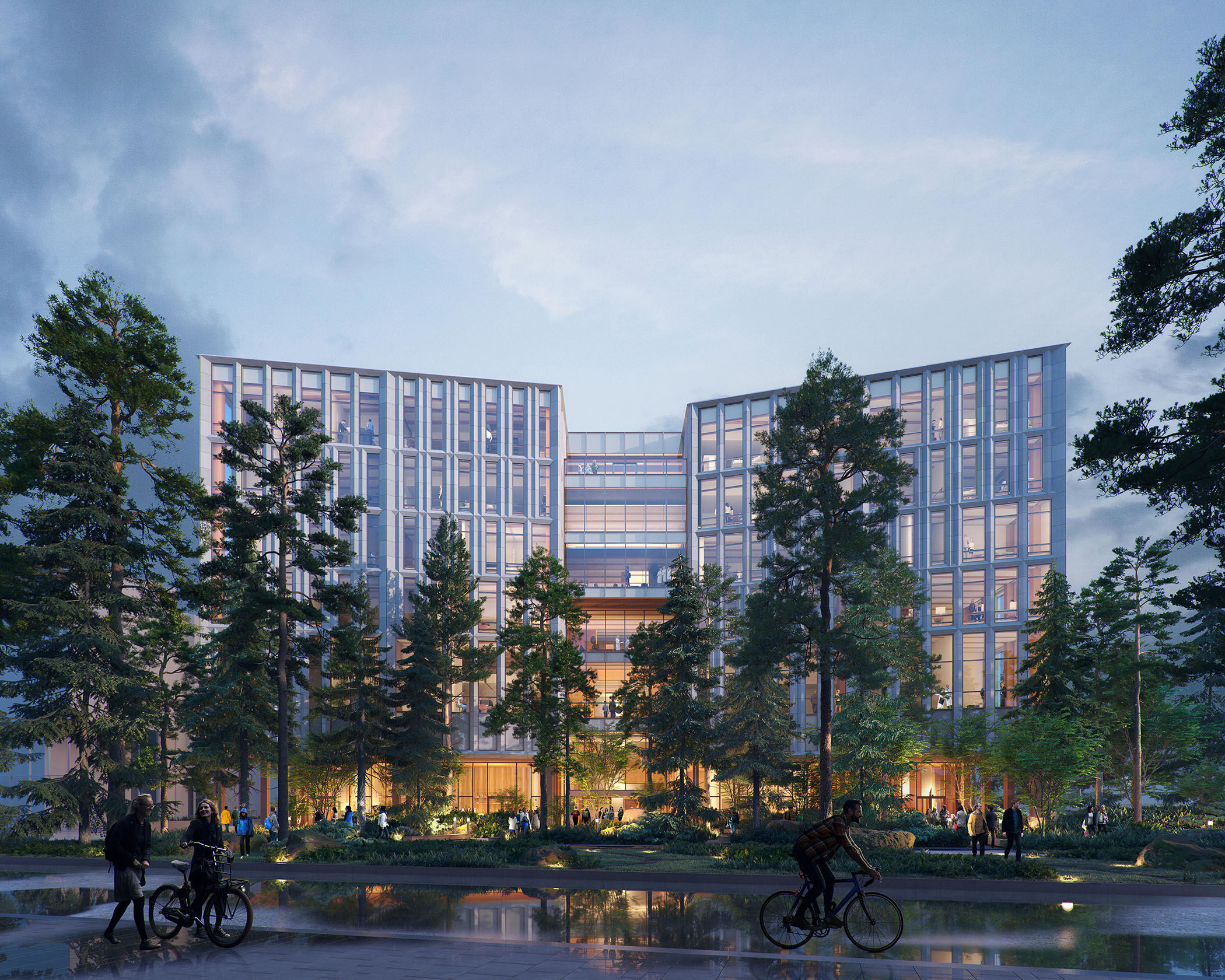
Mass timber is recognized for its sustainability benefits. Projects like the UBC Gateway Building emphasize the use of mass timber to reduce the embodied carbon footprint. Its utilization also pays homage to the cultural significance of timber for indigenous groups, notably the Musqueam Nation. Mass timber’s environmental advantages, aesthetic warmth, and versatility in design make it a favored material in modern architecture.
Brick and Ceramic
Brick and ceramic are often used on the exteriors of gateway buildings. The tactile quality of brick, featuring natural patterns and slight irregularities, adds an aesthetic appeal that balances the use of contemporary cladding systems such as metal and glass. The natural color variations and brick bonds can create visual contrasts that are architecturally engaging while also ensuring durability and thermal mass.
Engineered and Timber-Based Materials
Timber-based materials are not limited to mass timber but extend to engineered variants which offer structural advantages:
Glue-Laminated Timber (Glulam)
Glulam is made from multiple layers of timber bonded together. It provides enhanced structural strength and flexibility, which allows for innovative design solutions. Projects that require large spans without sacrificing aesthetic quality often turn to glulam due to its predictable performance under load.
Engineered Timber and Cross-Laminated Timber
In addition to glulam, engineered timber products, including cross-laminated timber panels, are utilized in gateway projects to achieve a balance between environmental responsibility and structural performance. The design considerations include not only the material’s mechanical properties but also its environmental impact, ensuring the overall project remains in line with sustainability goals.
Metals and Advanced Materials
In some gateway case studies, metals play a critical role, particularly in structural frameworks and specialized applications:
Stainless Steel
Stainless steel is frequently used because of its strength, resistance to corrosion, and modern aesthetic appeal. For example, the Thames Gateway Water Treatment Works employs stainless steel beams in its structural design. This material is selected not only for its durability but also for its ability to maintain a sleek, high-performance profile in demanding environments.
Composites and Polymeric Materials
Beyond traditional building materials, composites and polymer-based materials are increasingly incorporated in gateway design aspects where low weight and bespoke performance are required. In various industries, including aerospace and high-tech applications, composites are valued for their directional properties and strength-to-weight ratios. While these materials are more common in engineering contexts like IoT gateways or modular design systems, they still illustrate the broader trend toward innovative material science in case studies.
Additional Considerations
When preparing a gateway case study sheet, several additional factors need to be addressed to ensure the analysis is comprehensive and focused on the end objectives. These include:
Aesthetics and Texture
The visual quality of materials such as brick and ceramic significantly contributes to the user experience and overall look of the structure. Material textures, patterns, and color variations are often deliberately selected to complement surrounding elements and to create a unique visual identity.
Environmental Impact
The environmental implications of material selection are paramount. Projects often emphasize the use of renewable or low-impact materials, such as mass timber, which helps in lowering the carbon footprint. This is particularly relevant when considering the broader implications of modern construction practices on the environment and community heritage.
Structural Integrity and Performance
Each material is chosen for its inherent properties including load-bearing capacity, durability, and response to external stressors. For instance, metals like stainless steel provide a level of consistency and long-term performance that can be essential for critical infrastructure projects. Meanwhile, engineered timber products offer an excellent balance of weight, strength, and flexibility in design.
Comparative Overview Table
The table below summarizes the different types of materials used in gateway case studies along with their primary characteristics and benefits:
| Material Type | Key Characteristics | Primary Benefits | Example Application |
|---|---|---|---|
| Mass Timber | Sustainable, renewable, low embodied carbon | Environmental benefits, cultural significance, aesthetic warmth | UBC Gateway Building |
| Brick and Ceramic | Durable, textured, color variations | Visual interest, thermal mass, compatibility with modern cladding | Gateway West Building |
| Engineered Timber (Glulam) | Layered construction, high strength, flexible design | Innovative architecture, structural flexibility, reduced weight | John Hope Gateway |
| Stainless Steel | High resistance, robust, corrosion-resistant | Durability, sleek appearance, robust performance | Thames Gateway Water Treatment Works |
| Composites and Polymers | Lightweight, advanced directional properties | Customization, specific load-bearing capabilities, high-tech applications | Aerospace and IoT Gateway Applications |
Preparation Tips for Your Gateway Case Study Sheet
When preparing a gateway case study sheet, consider the following concise guidelines to ensure you include all essential details without overcomplicating the presentation:
Define the Project Context
Understand the specific focus of your case study – whether it is for architectural construction, technological devices, or even modular systems. The context will drive the selection of materials and the depth of explanation required for each material type.
Highlight Significant Material Properties
Focus on showcasing the chief properties of each material:
- Sustainability: Emphasize renewable or low-impact materials such as mass timber.
- Structural Integrity: Highlight materials that contribute to strong construction, like stainless steel.
- Visual Appeal: Describe how materials interact in the design with examples from brick and ceramic finishes.
Use a Concise and Clear Layout
Break down the study into manageable sections that outline the material properties, their benefits, and project-specific applications. A clear table, like the one presented above, can help provide immediate clarity and serve as a quick reference for readers.
Additional Material Categories
While the provided materials form the core content of most gateway case studies, be aware that additional categories may also be relevant depending on the case study’s focus. For instance, if you are dealing with modern electronics or communications gateways, you might consider:
Raw Material Components
Sometimes the study might extend to raw materials such as metals, plastics, or composites used in manufacturing or product design. The choice here emphasizes homogeneity and predictability for industrial use.
Interior Finishing Elements
For architectural gateways, detailing the interior finishes – including flooring, glazing, and surface treatments – provides a complete view of the material considerations at play. These elements play a crucial role in defining the user experience and tie the overall design together.
Packaging Materials
In contexts where the gateway case study revolves around products or devices, packaging materials are equally important. These materials are often selected based on their recyclable properties, lightweight nature, and cost effectiveness, thereby complementing the primary materials used in the design structure.
Key Takeaways for a Gateway Case Study Sheet
Below are a few summarized insights to help you prepare a comprehensive yet straightforward study sheet:
- Material Variety: A typical gateway case study may include mass timber, engineered timber products (glulam), brick, ceramic, stainless steel, and in some contexts, composites and polymeric materials. Each material is used to achieve specific visual, environmental, and structural outcomes.
- Purpose-Driven Selection: The selection of each material is driven by the project’s objectives. Whether it is to lower embodied carbon, achieve specific aesthetic qualities, or provide robust structural performance, each choice reflects careful planning aligned with overall design goals.
- Integration and Balance: The effective use of materials is seen when there is a balance between durability, sustainability, and aesthetic impact. Gateway design often involves a combination of traditional and modern elements that work together to create a cohesive structure.
Cross-Application Insights
The insights provided here are applicable across a range of gateway case studies—from large architectural projects to specialized technological gateways. In every scenario, the key is to balance the inherent properties and the intended function of the structure. For example, while mass timber and brick may be more prominent in building projects that emphasize sustainability and tactile materials, composites and polymeric materials are more common in case studies involving aerospace, IoT devices, or high-tech packaging solutions.
Utilizing a Modular Approach
One efficient approach is to modularize the presentation of materials according to both their functional roles and aesthetic contributions. In traditional gateway construction, a modular layout might include sections on load-bearing structures, exterior finishes, and interior details. For high-tech gateways, the modules may instead be divided into signal integrity, heat management, and mechanical protection.
Impact of Cultural and Environmental Context
It is essential to note how regional practices and environmental factors affect the choice of materials. For projects that involve local communities or indigenous heritage, the selection of materials like mass timber is not only about structural performance but also about cultural acknowledgment and environmental stewardship. This dual-purpose approach becomes a cornerstone in extensive case studies and must be clearly outlined in the study sheet.
Practical Considerations in Material Sourcing
When drafting a case study sheet, note that sourcing plays a critical role. Many modern projects emphasize local sourcing of materials to minimize carbon footprints and support local industries. Whether it is engineered timber sourced across continents for specialized projects or locally produced bricks with natural color variations, the sourcing scenario is a key factor in both the practical and narrative aspects of the case study.
References
- UBC Gateway Case Study - Preston Rentals Group
-
Gateway West Case Study - Modular Clay Products
- John Hope Gateway Case Study - ADS Materials
- Thames Gateway Water Treatment Case Study - Nickel Institute
- Banner Gateway Case Study - NBBJ
Recommended Queries for Further Exploration
 d3pxppq3195xue.cloudfront.net
 cima-planner-production.s3.eu-west-1.amazonaws.com
Last updated March 25, 2025