
Elevating Your Dissertation: Unique Perspectives on Maxillofacial Injury Management in War Zones
Unlocking distinction-level insights for your Oral Surgery Master's literature review at the University of Leeds.
Embarking on a dissertation concerning the management of maxillofacial injuries in war zones is a commendable and highly relevant endeavor, particularly for a Master's student in Oral Surgery. To achieve distinction, your literature review must not only be comprehensive but also demonstrate originality, critical thinking, and a forward-looking perspective. This response aims to provide unique, in-depth ideas to help you craft an outstanding literature review.
Key Insights for a Distinction-Level Review
- Forge New Connections: Move beyond summarizing existing studies by critically analyzing methodologies, identifying thematic gaps, and proposing interdisciplinary approaches that integrate oral surgery with fields like military history, biomedical engineering, and psychology.
- Embrace Technological Frontiers: Investigate and evaluate the transformative potential of emerging technologies such as AI-driven diagnostics, custom 3D-printed implants, and virtual surgical planning in the context of resource-constrained and high-stress war zone environments.
- Champion Holistic Care: Advocate for a patient-centered paradigm by deeply exploring the long-term psychosocial sequelae of facial trauma in conflict survivors and the critical need for integrated rehabilitation pathways that address both physical and mental well-being.
Pioneering Avenues for Your Literature Review
To help you carve a unique niche for your dissertation, consider exploring these thematic areas, each offering opportunities for critical analysis and original contribution.
1. The Arc of Innovation: Historical Evolution and Its Modern Resonances
A nuanced historical analysis can provide a powerful foundation for understanding current practices and future challenges. Instead of a simple chronological account, aim for a critical narrative that links past lessons to contemporary dilemmas.
Tracing the Trajectory of Care
Investigate how the nature of warfare itself has shaped maxillofacial trauma management. Contrast the trench warfare injuries of World War I, characterized by low-velocity shrapnel and complex soft tissue damage, with the high-velocity projectile and improvised explosive device (IED) injuries prevalent in recent conflicts like those in Iraq and Afghanistan. Analyze the evolution of surgical principles, from Harold Gillies' pioneering work on pedicle flaps to the development of Mobile Army Surgical Hospitals (MASH units) during the Korean War, which significantly improved evacuation times and early intervention.
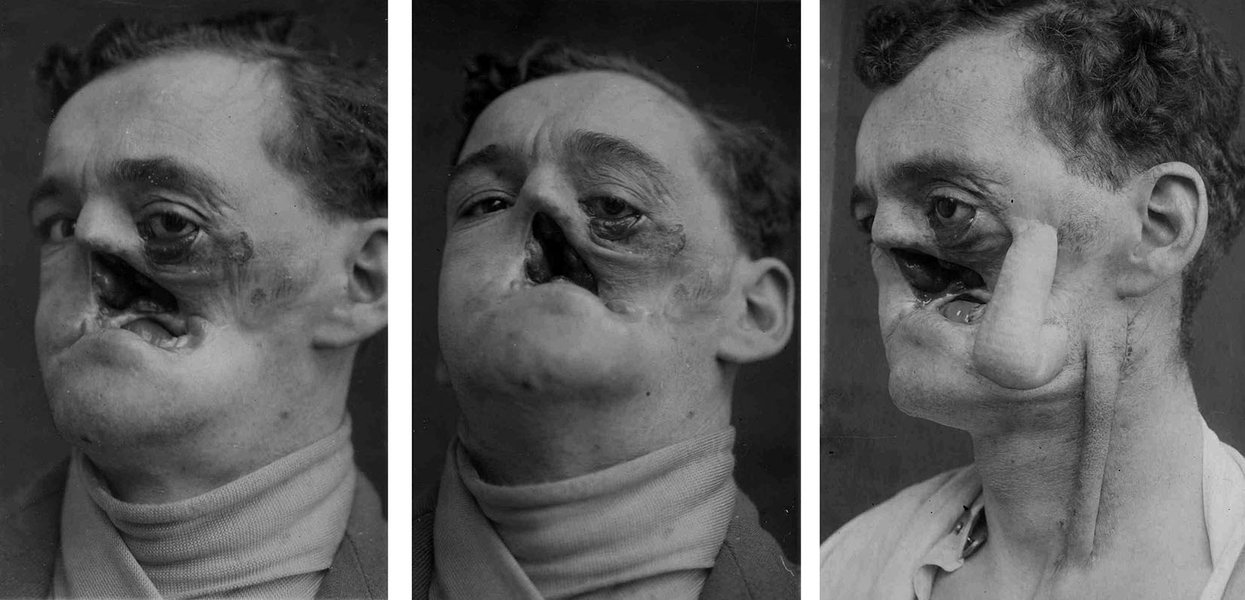
An early 20th-century photograph depicting the devastating facial injuries sustained in WWI, highlighting the nascent stages of reconstructive surgery.
Impact on Specialization
Explore how wartime exigencies accelerated the recognition and development of oral and maxillofacial surgery as a distinct specialty. Critically assess how lessons learned in managing complex battlefield trauma (e.g., early aggressive debridement, delayed primary closure, innovative fixation techniques) diffused into civilian practice. You could focus on specific periods, such as the Korean War, often cited as a "coming of age" for the specialty in military contexts.
2. The Modern Battlefield: Injury Patterns, Austere Environments, and Pre-Hospital Paradigms
Modern conflicts present unique challenges due to advanced weaponry, asymmetric warfare, and often, severely limited resources in forward medical facilities.
Epidemiology and Ballistics
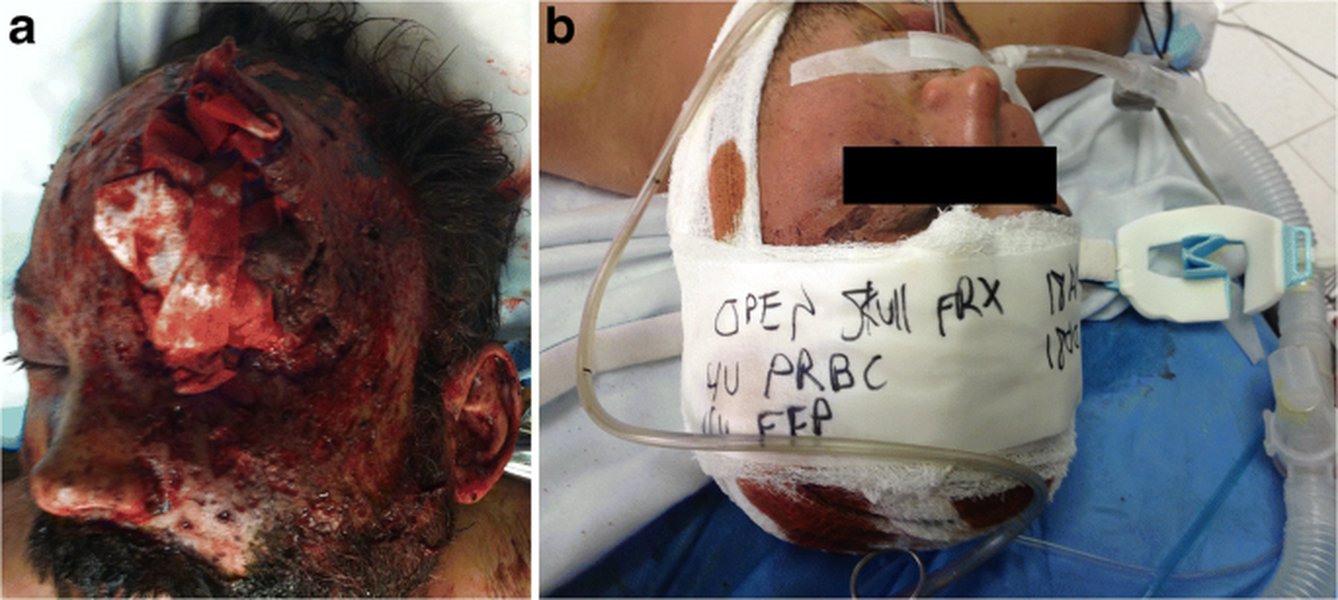
Analyze the distinct epidemiological patterns of maxillofacial injuries in contemporary war zones. Focus on the biomechanics of injuries caused by high-velocity firearms, blast waves from IEDs, and fragmentation. Compare and contrast these with civilian trauma, noting differences in tissue destruction, contamination levels, and the prevalence of associated injuries (e.g., traumatic brain injuries, cervical spine damage). Literature often highlights the prevalence of mid-face fractures and complex panfacial trauma.
The Tyranny of Distance and Resources
Critically examine the impact of austere environments on management protocols. This includes challenges in airway management (a paramount concern with severe facial trauma), hemorrhage control, infection prevention, and the availability of diagnostic tools. Investigate the role of pre-hospital care, damage control resuscitation, and casualty evacuation (CASEVAC/MEDEVAC) systems. How do delays in evacuation influence morbidity and mortality? What innovations in forward surgical teams or tactical combat casualty care (TCCC) have made a difference?

Illustration of an emergency cricothyrotomy, a critical airway intervention often required in severe maxillofacial trauma cases on the battlefield.
3. Technological Renaissance: Digital Tools and Surgical Innovations
The integration of advanced technology is revolutionizing maxillofacial reconstruction, but its application in war zones presents unique hurdles and opportunities.
Digital Workflow in Austere Settings
Explore the burgeoning role of digital technologies, such as 3D imaging (CBCT), virtual surgical planning (VSP), custom implant design, and 3D printing of surgical guides or patient-specific implants. Critically evaluate the feasibility, cost-effectiveness, and actual impact of these technologies in resource-limited or deployed military medical facilities. Are there case studies demonstrating improved outcomes in war veterans treated with these methods for severe post-trauma deformities?
Advanced Reconstructive Techniques
Review the evolution and application of advanced reconstructive techniques, including microvascular free tissue transfer for extensive soft tissue and bony defects. Discuss the principles of Damage Control Surgery (DCS) as applied to maxillofacial trauma – prioritizing life-saving interventions initially, followed by staged, definitive reconstruction. Consider the potential and ethical implications of cutting-edge treatments like facial composite tissue allotransplantation (CTA) for the most severe defects, acknowledging the lifelong immunosuppression required.
Schematic illustrating craniofacial injury zones, aiding in the classification and management planning of complex battlefield trauma.
4. Beyond the Physical Scars: Psychological Impact and Holistic Rehabilitation
Maxillofacial injuries, due to their visibility and impact on fundamental functions like speech and eating, carry profound psychological burdens.
The Unseen Wounds
Investigate the significant psychological sequelae affecting service members and civilians with war-related facial trauma. This includes Post-Traumatic Stress Disorder (PTSD), depression, anxiety, body image disturbances, and social reintegration challenges. Analyze the literature for studies quantifying these impacts and identifying risk factors.
Integrated Rehabilitation Pathways
Explore the concept of holistic rehabilitation. What does a truly multidisciplinary approach look like, extending beyond surgical repair to include speech therapy, prosthetic rehabilitation (e.g., anaplastology), occupational therapy, and, crucially, long-term psychological support? Are there models of care from veteran support services that could be highlighted or critiqued?
Comparative Challenges in War Zone Maxillofacial Trauma Management
The chart below offers an opinion-based visualization of how key challenges in managing maxillofacial trauma might vary across different conflict eras or settings. This can help frame discussions on the evolution of care and persistent difficulties. For instance, while "Resource Scarcity" might be universally high, the complexity of "Advanced Reconstruction Needs" and access to "Psychological Support" has evolved significantly.
5. The Human Factor: Multidisciplinary Teams and Surgeon Preparedness
Effective management hinges on skilled personnel working cohesively under extreme pressure.
Synergy in Specialization
Analyze the critical role of multidisciplinary teams (MDTs). This involves collaboration between oral and maxillofacial surgeons, plastic surgeons, neurosurgeons, otolaryngologists, ophthalmologists, anesthetists, critical care specialists, and nursing staff. How is this collaboration coordinated in a war zone? What are the communication challenges?
Training for Chaos
Investigate the training and preparedness of oral and maxillofacial surgeons for deployment in war zones. What specialized skills or knowledge are required beyond standard civilian training? Review literature on existing training programs, including didactic courses, trauma center rotations, and simulation-based training. Critically evaluate their efficacy and identify gaps. For instance, the University of Leeds, with its strong Oral Surgery program and links to trauma centers, might offer a perspective on how academic institutions contribute to this preparedness.
6. Bridging the Gaps: Research Lacunae and Future Frontiers
A distinction-level review should not only synthesize existing knowledge but also identify significant gaps and propose avenues for future research.
Uncharted Territories
Identify underrepresented areas in the literature. This might include comparative outcome studies of different management protocols in war zones, the long-term effects of specific ballistic injuries on facial function, or the specific needs of civilian populations (including children) affected by conflict. Critically assess the quality of existing evidence – are there too many case reports and not enough high-level studies like systematic reviews or cohort studies focusing on war zone outcomes?
Proposing Future Research Directions
Suggest specific research questions or methodologies that could address these gaps. For example, could AI be used to predict injury severity or guide treatment in low-resource settings? How can international collaborations improve data collection and research capacity in conflict-affected regions? This is where you can showcase your innovative thinking and deep understanding of the field.
Interconnected Dimensions of Maxillofacial Trauma in Conflict
The mindmap below illustrates the multifaceted nature of managing maxillofacial injuries in war zones. It highlights the interconnectedness of injury causation, the phased approach to management, prevailing challenges, technological and procedural innovations, and crucial research domains. Understanding these connections can help structure your literature review and identify novel areas for exploration.
in War Zones"] id1["Etiology & Patterns"] id1a["High-Velocity Projectiles"] id1b["Blast Injuries (IEDs)"] id1c["Fragmentation Wounds"] id1d["Associated Trauma (TBI, C-Spine)"] id1e["Blunt Trauma (e.g., vehicle, assault)"] id2["Management Phases"] id2a["Pre-Hospital Care & TCCC"] id2b["Damage Control Surgery (DCS)"] id2c["Airway Management"] id2d["Hemorrhage Control"] id2e["Definitive Reconstruction"] id2f["Rehabilitation"] id3["Challenges"] id3a["Austere Environments"] id3b["Resource Limitations"] id3c["Evacuation Logistics & Delays"] id3d["High Infection Risk"] id3e["Psychological Sequelae"] id3f["Polytrauma Complexity"] id4["Innovations & Advances"] id4a["3D Imaging & Printing"] id4b["Virtual Surgical Planning (VSP)"] id4c["Custom Implants"] id4d["Microvascular Free Flaps"] id4e["Advanced Antibiotic Protocols"] id4f["Multidisciplinary Teams (MDTs)"] id4g["Improved Body Armor"] id5["Research Focus Areas"] id5a["Historical Evolution of Treatment"] id5b["Comparative Studies (Military vs. Civilian, Conflict Types)"] id5c["Surgeon Training & Preparedness"] id5d["Long-Term Functional & QoL Outcomes"] id5e["Psychosocial Impact Studies"] id5f["Application of New Technologies"] id5g["Ethical Considerations in Conflict Research"]
Evolution of Management Strategies
The management of maxillofacial injuries in war zones has undergone significant transformation. The following table provides a comparative overview of key aspects across different eras, illustrating the progression in understanding, techniques, and challenges. This can serve as a framework for discussing the historical evolution in your review.
| Era/Conflict Type | Predominant Injury Mechanisms | Key Surgical Approaches | Technological Integration | Rehabilitation Focus | Key Challenges Addressed/Remaining |
|---|---|---|---|---|---|
| World War I | Low-velocity shrapnel, machine gun bullets, trench warfare conditions | Early debridement, pedicle flaps (Gillies), delayed primary closure, basic fracture fixation (splints, wires) | Rudimentary X-rays, basic surgical instruments | Basic functional restoration, early prosthetics | Mass casualties, infection (pre-antibiotics), limited anesthesia, transport delays |
| Korean/Vietnam Wars | Higher velocity projectiles, landmines, napalm | MASH units, faster evacuation, early use of antibiotics, improved fracture fixation (intermaxillary fixation, early plating attempts) | Improved X-rays, blood transfusions readily available | Improved functional outcomes, early psychological awareness | Managing complex polytrauma, emergence of specialty roles, air evacuation benefits and limits |
| Late 20th Century Conflicts (e.g., Falklands, Gulf War I) | Missile injuries, blast effects from conventional explosives | More widespread use of rigid internal fixation, craniofacial approaches, early free flap considerations | CT scanning becoming available, advanced anesthetic techniques | Focus on aesthetic and functional outcomes, specialized reconstructive units | Logistics of deploying advanced surgical care, managing diverse injury types |
| Modern Conflicts (e.g., Iraq, Afghanistan, Ukraine) | IEDs, high-velocity sniper rounds, complex blast polytrauma | Damage Control Surgery, advanced microvascular reconstruction, V.A.C. therapy, sophisticated hard/soft tissue reconstruction | Widespread CT, 3D planning, custom implants, advanced body armor reducing some injuries but concentrating others | Comprehensive (physical, psychological, social), advanced prosthetics, long-term QoL | Extreme injury severity in survivors, psychological trauma, resource allocation in prolonged conflicts, antimicrobial resistance |
Visualizing Battlefield Trauma Management
The following video discusses the management of facial trauma in conflict zones, particularly focusing on resource-poor environments. This provides valuable context on the immediate challenges faced by medical personnel and the principles guiding treatment until specialist care can be reached. Understanding these initial management steps is crucial when considering the entire continuum of care for war-related maxillofacial injuries.
This video provides insights into the complexities of managing facial trauma in resource-constrained conflict environments, emphasizing immediate care priorities.
Frequently Asked Questions (FAQ)
Recommended Further Exploration
To deepen your understanding and potentially uncover further unique angles for your dissertation, consider exploring these related queries:
- What are the specific challenges and innovations in pediatric maxillofacial trauma management in conflict zones?
- How has the evolution of personal protective equipment influenced the patterns of maxillofacial injuries in modern warfare?
- What are the ethical considerations for conducting research on maxillofacial injury management among vulnerable populations in active war zones?
- Explore the role of tissue engineering and regenerative medicine in the future reconstruction of complex maxillofacial defects resulting from combat injuries.
References
The following resources, drawn from the provided materials, offer valuable starting points for your literature review:
Last updated May 6, 2025