
Unlock Your Potential: A Science-Backed Blueprint for a Longer, Healthier, and More Fulfilling Life
Discover actionable strategies across physical, mental, social, and spiritual well-being, tailored for every stage of life.
Key Insights for Enhanced Longevity and Vitality
- Embrace Healthspan, Not Just Lifespan: The primary goal is to extend the years lived in good health, free from chronic disease and disability, by focusing on proactive, preventive lifestyle choices.
- Lifestyle is Paramount: While genetics play a role (around 20%), approximately 80% of longevity and healthspan is influenced by modifiable lifestyle factors, including diet, physical activity, stress management, and social connections.
- A Holistic Approach is Essential: Maximizing life quality and quantity requires an integrated strategy that nurtures physical robustness, mental acuity, strong social bonds, and a sense of spiritual purpose.
Understanding Longevity: Beyond Lifespan to Healthspan
The quest for a longer life has evolved. Modern science emphasizes not just adding years to life (lifespan), but more importantly, adding life to years (healthspan). Healthspan refers to the period of life spent in good health, free from the burden of chronic diseases and disability. This paradigm shift encourages a proactive approach, focusing on preventive measures and addressing the underlying mechanisms of aging, rather than solely treating diseases after they arise. As of May 2025, research consistently shows that while genetic predispositions account for roughly 20% of human longevity, the vast majority—around 80%—is shaped by lifestyle choices, environmental factors, and life circumstances. This empowers individuals to take significant control over their aging journey.

Cultivating a collection of healthy habits is foundational to a long and vibrant life.
Pillar 1: Optimizing Physical Health for Vitality
Robust physical health is the cornerstone of a long and fulfilling life. It involves conscious choices about nutrition, activity, rest, and avoidance of harmful substances.
Nourishing Your Body: Evidence-Based Dietary Practices
What we eat profoundly impacts our health, energy levels, and resilience against age-related decline. The focus is on whole, unprocessed foods that reduce inflammation, support metabolism, and promote gut health.
Foundational Principles of a Longevity Diet
A wealth of evidence supports a diet predominantly rich in plant-based foods. The Mediterranean diet, for instance, is consistently linked to healthy aging due to its high content of fruits, vegetables, whole grains, legumes, nuts, seeds, and healthy fats like olive oil. Such diets are known to reduce inflammation and the risk of chronic diseases. Key recommendations include:
- Prioritize Plants: Aim for a diet where minimally processed plant foods form the majority of your intake. This includes a colorful array of fruits and vegetables, whole grains (like oats, quinoa, brown rice), legumes (beans, lentils, chickpeas), nuts, and seeds.
- Healthy Fats: Incorporate sources of unsaturated fats, particularly monounsaturated fats from olive oil and avocados, and polyunsaturated omega-3 fatty acids from fatty fish (like salmon), walnuts, and flaxseeds.
- Limit Processed Foods and Sugars: Significantly reduce consumption of ultra-processed foods, sugary drinks, refined carbohydrates, and excessive red and processed meats. These are linked to obesity, inflammation, and an increased risk of chronic conditions.
- Maintain a Healthy Weight: Caloric balance is crucial. Being obese (Body Mass Index, BMI > 30) is a significant risk factor for early death and can shorten active life expectancy. Focus on nutrient density over caloric density.
Dietary Adaptations Across Life Stages
- Young Adults (18-39): Focus on building sustainable healthy eating habits. Nutrient-dense foods support growth, development, and energy levels. This stage is critical for establishing a foundation that prevents chronic diseases later in life.
- Middle Age (40-64): Emphasize antioxidant-rich foods to combat age-related oxidative stress. Maintaining a healthy weight becomes increasingly important. Adequate fiber intake supports digestive health and metabolic stability.
- Older Adults (65+): Prioritize nutrient-dense foods to maintain muscle mass and bone density (e.g., protein, calcium, Vitamin D). Omega-3 fatty acids are beneficial for cognitive health. Caloric needs may decrease, so nutrient quality per calorie is paramount.
Gender-Specific Nutritional Considerations
- For Women: During childbearing years, adequate iron intake is crucial to prevent anemia. Folate is essential before and during pregnancy. Post-menopause, calcium and Vitamin D needs increase to support bone health and mitigate osteoporosis risk. Monitoring iron intake is still important as needs may change.
- For Men: Adequate intake of zinc can support testosterone levels and overall health. Lycopene-rich foods (like tomatoes) may support prostate health. Focus on heart-healthy nutrients like potassium and magnesium.
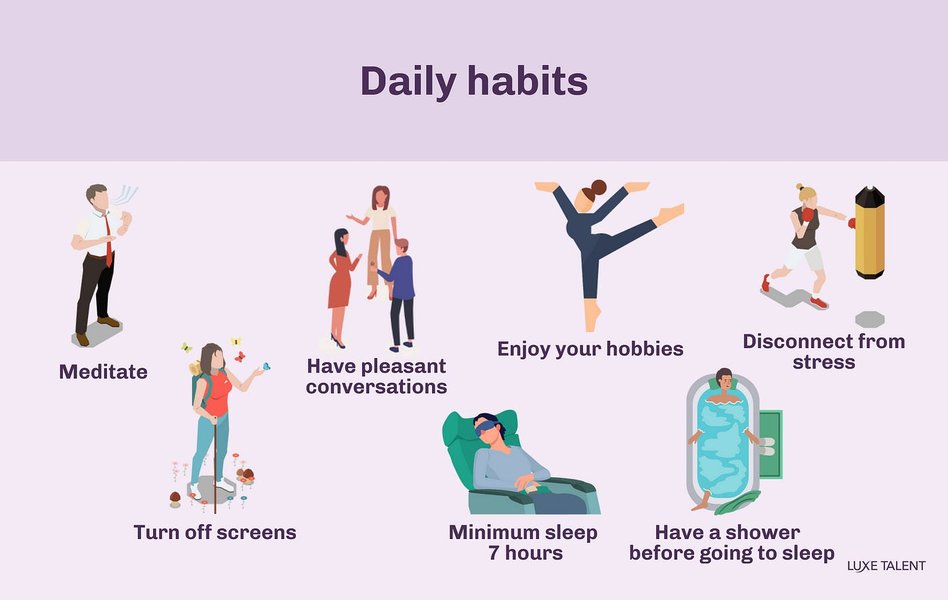
A balanced lifestyle incorporating nutritious food, regular exercise, hydration, and sufficient sleep is key.
Movement for Life: The Power of Physical Activity
Regular physical activity is a potent tool for longevity, improving cardiovascular health, maintaining muscle mass and bone density, boosting mood, and enhancing cognitive function.
Core Exercise Recommendations
The general guidelines for adults include:
- Aerobic Activity: At least 150 minutes of moderate-intensity (e.g., brisk walking, cycling, swimming) or 75 minutes of vigorous-intensity aerobic physical activity per week, or an equivalent combination.
- Strength Training: Muscle-strengthening activities involving all major muscle groups on 2 or more days a week. This helps preserve muscle mass (sarcopenia prevention) and metabolic health.
- Flexibility and Balance: Particularly important as we age, activities like yoga or tai chi can improve flexibility, balance, and reduce the risk of falls.
Tailoring Exercise Through Life's Journey
- Children and Adolescents: Focus on activities that promote physical development, coordination, and enjoyment. Aim for at least 60 minutes of moderate-to-vigorous activity daily.
- Young Adults: Build a strong fitness base. This is an excellent time to explore different types of activities to find enjoyable and sustainable routines. High-intensity interval training (HIIT) can be effective.
- Middle Age: Continue a mix of aerobic and strength training. Focus on consistency and listen to your body to prevent injuries. This stage is crucial for maintaining metabolic health and bone density.
- Older Adults: Adapt exercises to maintain mobility, strength, and balance. Low-impact activities like walking, swimming, and chair exercises are beneficial. Focus on fall prevention.
Gender-Specific Approaches to Fitness
- For Women: Weight-bearing exercises are crucial for bone density, especially pre- and post-menopause. Pelvic floor exercises can support urinary health and core stability.
- For Men: May benefit from higher resistance training to counteract a potentially faster decline in muscle mass. Maintaining cardiovascular fitness is key, given higher risks for heart disease in some populations.
The Restorative Power of Sleep
Adequate, high-quality sleep is non-negotiable for physical and mental health. During sleep, the body repairs tissues, consolidates memories, and regulates hormones.
Prioritizing Quality Sleep
- Duration: Most adults need 7-9 hours of quality sleep per night.
- Consistency: Maintain a regular sleep schedule, going to bed and waking up around the same time each day, even on weekends.
- Sleep Hygiene: Create a restful environment (dark, quiet, cool). Limit caffeine and alcohol, especially in the evening. Avoid heavy meals and vigorous exercise close to bedtime. Reduce exposure to blue light from screens before sleep.
Critical Lifestyle Choices: Tobacco and Alcohol
Avoiding tobacco in all its forms is one of the most significant steps towards a longer, healthier life. Smoking damages nearly every organ in the body and dramatically increases the risk of numerous diseases. If alcohol is consumed, it should be in moderation, as excessive alcohol intake is linked to various health problems.
Pillar 2: Cultivating Mental and Cognitive Well-being
A sharp mind and emotional resilience are integral to a high quality of life. This involves lifelong learning, stress management, and fostering a positive outlook.
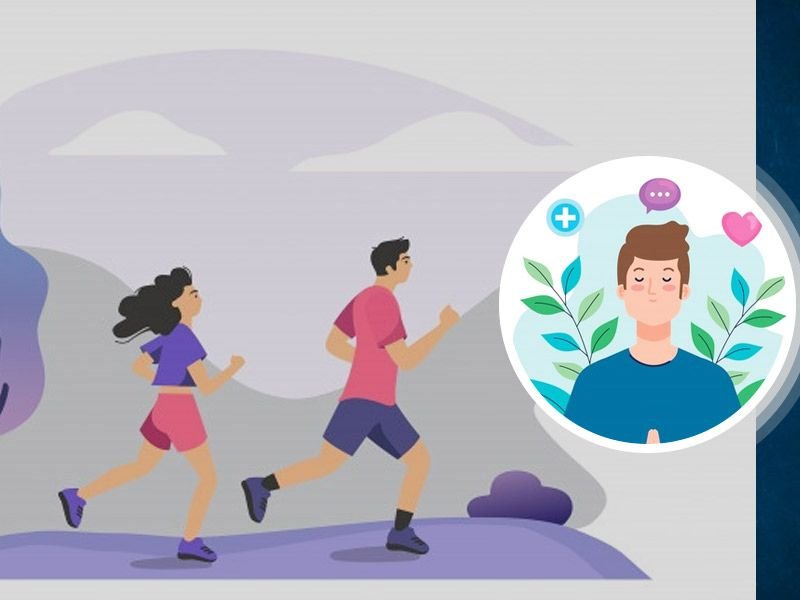
Physical activity plays a significant role in enhancing mental health and cognitive function.
Sharpening the Mind: Cognitive Engagement and Learning
Keeping the brain active helps build cognitive reserve, which can delay or mitigate cognitive decline. Engage in activities that challenge your mind:
- Lifelong Learning: Pursue new hobbies, learn a new language or musical instrument, take courses, or read widely.
- Brain Games: Puzzles, strategy games, and other mentally stimulating activities can help maintain cognitive function.
- Stay Curious: Cultivating curiosity can drive learning and engagement well into old age.
Emotional Resilience: Stress Management and Mindfulness
Chronic stress can negatively impact physical and mental health. Effective stress management techniques are vital:
- Mindfulness and Meditation: Regular practice (even 10-15 minutes daily) can reduce stress, improve focus, and enhance emotional regulation.
- Gratitude Practice: Regularly acknowledging things you are thankful for can shift perspective and improve mood.
- Deep Breathing Exercises: Simple breathing techniques can quickly reduce acute stress responses.
- Adequate Leisure Time: Ensure time for relaxation and activities you enjoy.
The Optimism Advantage
Research suggests that a positive outlook is linked to better health outcomes and even a longer lifespan. Cultivating optimism can involve reframing negative thoughts, focusing on strengths, and setting achievable goals.
Mental Wellness Across Life Stages and Genders
- Young Adults: Develop robust stress-coping mechanisms to navigate academic, career, and relationship pressures.
- Middle Age: Focus on maintaining cognitive function through engagement and managing work-life balance to mitigate stress. Emotional intelligence can be further developed.
- Older Adults: Continue cognitive stimulation and mindfulness practices. Addressing feelings of loneliness or loss is important for mental well-being.
- Gender Considerations: While individual experiences vary greatly, some research suggests women may engage in activities supporting emotional well-being and bonding, while men might focus on activities improving emotional resilience. Both genders benefit from destigmatizing mental health support.
Pillar 3: Nurturing Social Connections
Strong social ties are a powerful predictor of health, happiness, and longevity. Meaningful relationships provide support, reduce stress, and foster a sense of belonging.
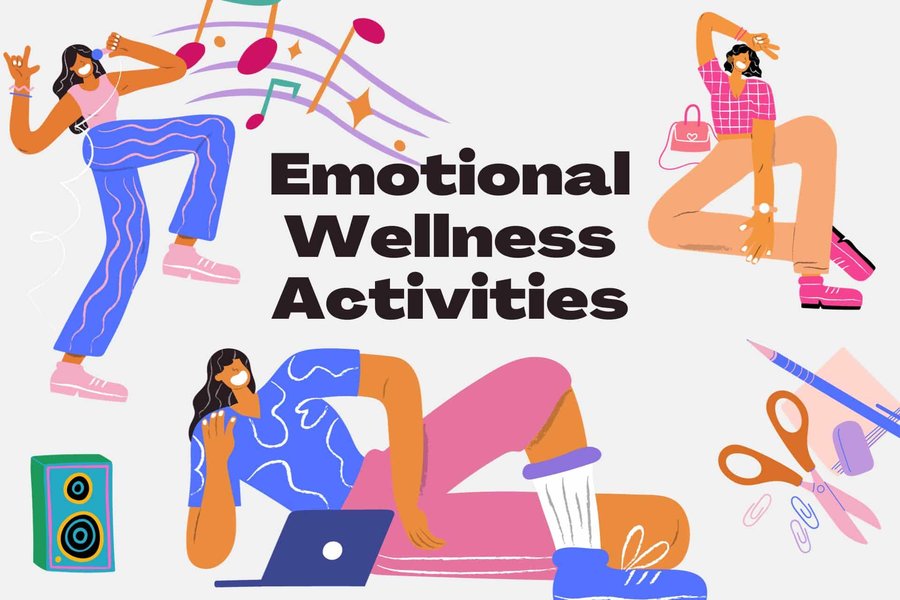
Engaging in diverse emotional wellness activities, often shared with others, boosts happiness and strengthens social bonds.
The Vital Role of Relationships and Community
- Cultivate Close Relationships: Invest time and effort in relationships with family and friends.
- Community Engagement: Participate in group activities, volunteer, or join clubs that align with your interests. This can provide a sense of purpose and connection.
- Seek and Offer Support: Being there for others and allowing others to support you strengthens bonds and resilience.
Social Engagement Throughout Life
- Young Adults: Build diverse social networks that support personal and professional growth.
- Middle Age: Maintain existing connections and explore new avenues for community involvement, possibly through mentorship or shared hobbies.
- Older Adults: Actively combat social isolation by staying connected with loved ones, joining senior groups, or engaging in intergenerational activities.
Pillar 4: Embracing Spiritual Growth and Purpose
Spiritual well-being, which can be distinct from religious affiliation, involves finding meaning, purpose, and connection to something larger than oneself. This can foster inner peace, resilience, and overall life satisfaction.
Finding Meaning and Inner Peace
- Identify Your Values: Understand what is truly important to you and align your actions accordingly.
- Engage in Meaningful Activities: This could be through work, hobbies, volunteering, creativity, or contributing to a cause you believe in.
- Practice Mindfulness and Reflection: Spend quiet time in contemplation, meditation, or prayer, depending on personal beliefs.
- Connect with Nature: Spending time in natural environments can be restorative and foster a sense of connection.
- Cultivate Gratitude: Appreciating the good in your life can enhance spiritual well-being.
Visualizing Your Longevity Journey: Key Factors Radar
To better understand how these interconnected factors contribute to well-being across different life stages, the following radar chart illustrates a hypothetical ideal balance of key longevity pillars. The scores (on a scale of 3 to 10, where higher is better) represent targeted levels of engagement or achievement in each area. This is not a diagnostic tool but a visual representation of how priorities might be balanced.
This chart illustrates how the emphasis on certain lifestyle factors might ideally shift. For example, young adults might focus more on building robust social networks and high exercise frequency, while older adults might prioritize diet quality, cognitive engagement, and consistent sleep, adapting exercise to maintain safety and effectiveness.
Connecting the Dots: A Mindmap for Holistic Well-being
The journey to enhanced longevity and quality of life is multifaceted. This mindmap provides a visual overview of the core pillars and their key components, illustrating how they interlink to form a comprehensive strategy for well-being.
(Plant-rich, Mediterranean,
Limit Processed Foods)"] Exercise["Exercise
(Aerobic, Strength,
Flexibility, Balance)"] Sleep["Quality Sleep
(7-9 hours, Consistency)"] Avoid_Toxins["Avoid Toxins
(No Tobacco, Moderate Alcohol)"] Mental_Wellbeing["Mental & Cognitive Well-being"] Cognitive_Engagement["Cognitive Engagement
(Lifelong Learning, Brain Games)"] Stress_Management["Stress Management
(Mindfulness, Meditation, Gratitude)"] Positive_Outlook["Positive Outlook
(Optimism, Resilience)"] Social_Connections["Social Connections"] Strong_Relationships["Nurture Strong Relationships
(Family, Friends)"] Community_Involvement["Community Involvement
(Groups, Volunteering)"] Spiritual_Growth["Spiritual Growth & Purpose"] Meaning_Purpose["Find Meaning & Purpose
(Values, Contribution)"] Inner_Peace["Cultivate Inner Peace
(Reflection, Nature)"]
This mindmap reinforces that true well-being arises from nurturing all dimensions of our lives, from the physical foundation of diet and exercise to the enriching aspects of mental stimulation, social bonds, and spiritual fulfillment.
Summary Action Plan: A Comparative Overview
The following table provides a condensed overview of key recommendations across physical, mental, and social domains, highlighting general advice and specific considerations for different life stages and genders. This serves as a quick reference to complement the detailed explanations provided earlier.
| Domain | Aspect | General Recommendation | Young Adults (18-39) | Middle Age (40-64) | Older Adults (65+) | Female-Specific | Male-Specific |
|---|---|---|---|---|---|---|---|
| Physical | Diet | Plant-rich (Mediterranean), whole foods, limit processed items & sugar, healthy weight. | Establish healthy habits, nutrient-dense foods. | Antioxidants, weight management, fiber. | Nutrient density, protein, Omega-3s, calcium, Vit D. | Iron (childbearing), folate, calcium & Vit D (post-menopause). | Zinc, lycopene, heart-healthy nutrients. |
| Physical | Exercise | 150 min moderate aerobic + 2x/week strength training. | Build fitness base, explore varied activities. | Consistency, injury prevention, metabolic health. | Mobility, balance, fall prevention, low-impact. | Weight-bearing exercises, pelvic floor exercises. | Higher resistance training potential, cardiovascular focus. |
| Physical | Sleep | 7-9 hours quality sleep, consistent schedule, good sleep hygiene. | Establish consistent sleep patterns. | Prioritize sleep amidst responsibilities. | Address potential sleep disturbances, maintain routine. | Monitor sleep changes with hormonal shifts. | Ensure adequate rest for recovery. |
| Mental | Cognitive Health | Lifelong learning, brain-stimulating activities, stay curious. | Develop learning habits, explore new subjects. | Maintain cognitive engagement, problem-solving. | Active cognitive stimulation, memory exercises. | Engage in activities that support cognitive vitality. | Challenge mind through complex tasks. |
| Mental | Emotional Well-being | Mindfulness, meditation, stress management, positive outlook. | Develop stress-coping skills. | Work-life balance, emotional intelligence. | Mindfulness, address loneliness, maintain optimism. | Support emotional well-being during life transitions. | Focus on emotional resilience. |
| Social | Connections | Nurture relationships, community involvement. | Build diverse social and professional networks. | Maintain connections, mentor, community service. | Combat isolation, intergenerational activities. | Foster emotional and social bonding. | Engage in activities promoting personal growth and legacy. |
Expert Insights: Understanding Longevity Habits
Gaining insights from experts who study longevity can provide practical and evidence-based strategies. The following video discusses scientifically proven habits that can contribute to a longer, healthier life, offering a deeper dive into the science behind these recommendations.
This video, "The Science of Longevity: 7 Habits to Help You Live Longer," explores key lifestyle factors that scientific research has linked to increased healthspan and lifespan. It underscores the importance of consistent, small changes in daily routines for achieving long-term health benefits.
Navigating the Longevity Landscape: Important Considerations
As interest in longevity grows, so does the information (and misinformation) available. It's crucial to approach this field with a discerning eye:
- Focus on Evidence-Based Practices: Prioritize lifestyle changes that are backed by robust scientific research, such as those discussed throughout this plan (diet, exercise, sleep, stress management, social connections).
- Beware of Pseudoscience and Quick Fixes: Be cautious of unproven therapies, "miracle" supplements, or expensive treatments that lack rigorous clinical validation. Many "longevity hacks" are not supported by science and can sometimes be harmful.
- The Role of Biomarkers and AI: Research into aging biomarkers (biological clocks) and the use of Artificial Intelligence (AI) in personalized medicine is advancing. These tools may offer future insights into individual aging processes and help tailor interventions, but currently, foundational lifestyle changes remain the most impactful.
- Healthspan is the Goal: Remember, the aim is not just to live longer, but to live healthier and more vibrantly for as long as possible. Quality of life is paramount.
- Consult Healthcare Professionals: Always discuss significant changes to your diet, exercise regimen, or health practices with your doctor or qualified healthcare providers, especially if you have pre-existing conditions.
Frequently Asked Questions (FAQ)
What's more important for longevity: genetics or lifestyle?
Is it ever too late to adopt healthy habits for a longer, better life?
How does chronic stress impact longevity and quality of life?
Are there any "superfoods" or specific supplements guaranteed to increase longevity?
What are "Blue Zones," and what can we learn from them?
Recommended Further Exploration
- What are the specific components of the Mediterranean diet that contribute most to longevity?
- How do various forms of exercise, like endurance versus strength training, affect cellular aging and healthspan?
- What is the scientific evidence for how mindfulness practices impact stress physiology and brain health over time?
- How does social integration and community support contribute to healthy aging in different cultural contexts?
References
Last updated May 21, 2025