
Research Papers on MBEC of S. aureus and P. aeruginosa
In-depth insights into biofilm eradication studies and antimicrobial strategies
Key Highlights
- Understanding MBEC: MBEC represents the minimum concentration of an antimicrobial agent required to eradicate bacteria within a biofilm, which is significantly higher than the MIC for planktonic cells.
- Critical Factors: Experimental parameters such as biofilm age, antibiotic concentration, and growth media play a decisive role in MBEC values and treatment outcomes.
- Innovative Therapeutics: Combination therapies including high-dose antibiotics, bacteriophage therapy, and nanoparticle applications show promise in overcoming biofilm resistance.
Comprehensive Overview of MBEC Studies
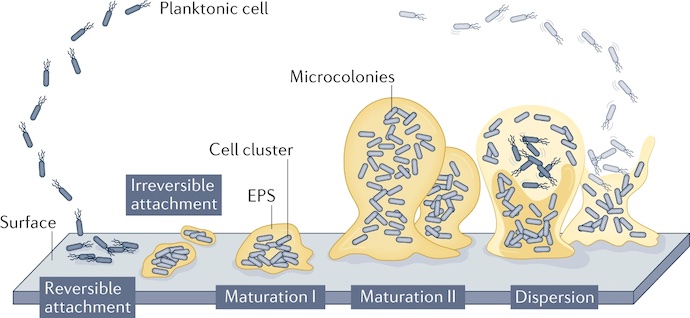
Research on the Minimum Biofilm Eradication Concentration (MBEC) of Staphylococcus aureus and Pseudomonas aeruginosa has significantly advanced our understanding of biofilm-related infections. Biofilms, the complex microbial communities embedded within a protective extracellular matrix, present a formidable challenge to conventional antimicrobial treatments. Unlike planktonic (free-floating) bacteria, those in biofilms exhibit drastically reduced susceptibility to antibiotics due to the physical barrier provided by the matrix as well as altered physiological states.
Fundamental Aspects of MBEC
Definition and Importance
The MBEC is defined as the minimum concentration of an antimicrobial agent necessary to eradicate a bacterial biofilm. In biofilm studies, MBEC values are frequently observed to be 100 to 1,000 times greater than the minimum inhibitory concentration (MIC) required to inhibit planktonic bacteria. This considerable difference underscores the protective nature of biofilms and the importance of developing effective strategies to target these resistant bacterial communities.
Methodologies for Determining MBEC
Several methodologies have been developed to measure MBEC. One of the most common approaches is the MBEC assay, which often involves using a 96-well microtiter plate format. In this assay, biofilms are allowed to form on pegs or surfaces immersed in bacterial cultures, after which they are exposed to increasing concentrations of antimicrobial agents. The concentration at which complete eradication of the biofilm is observed is recorded as the MBEC.
Factors Influencing MBEC Values
Various factors contribute to the variability in MBEC values reported across different studies. These include the age and maturity of the biofilm, the type and concentration of antimicrobial agents used, the bacterial strain, growth media, and even the specific clinical conditions simulated by the experiments. For instance, younger biofilms may be more susceptible to eradication than mature biofilms that have developed a thicker matrix.
Insights into Staphylococcus aureus
Staphylococcus aureus is one of the most common pathogens associated with biofilm-related infections, particularly in cases of device-associated infections and chronic wounds. The MBEC for S. aureus can vary depending on the antimicrobial used. Research findings have indicated that while some agents such as gentamicin may demonstrate MBEC values in the range of 256 to 1024 µg/mL, others like vancomycin or cefazolin may require significantly higher concentrations, sometimes exceeding 2048 µg/mL, to achieve complete eradication.
Treatment Strategies and Novel Approaches
High-Concentration Antibiotic Therapy
The inherent resistance of S. aureus biofilms necessitates the use of antibiotic concentrations far higher than those used for planktonic cells. Studies have suggested that effective treatment might involve not only high antibiotic concentrations but also prolonged exposure to ensure complete disruption of the biofilm structure.
Combination Therapies
Innovative approaches such as combination therapies have been explored, where high-dose antibiotics are paired with agents that disrupt the biofilm matrix. For example, certain studies have investigated the use of bacteriophage cocktails (such as PYO+Sb-1) in combination with standard antibiotics. This dual therapy approach not only targets bacteria but also helps in dismantling the biofilm’s protective barriers, thereby improving the overall efficacy of the treatment.
Nanoparticle-Based Strategies
Nanoparticles, including silver and selenium nanoparticles, have demonstrated potent antimicrobial properties against S. aureus biofilms. These nanoparticles offer the advantage of targeting bacteria at a very small scale, potentially penetrating the biofilm matrix more effectively than larger molecules. Research employing MBEC assays has shown that these nanoparticles can be effective in reducing the viability of biofilm-embedded bacteria.
Insights into Pseudomonas aeruginosa
Pseudomonas aeruginosa is another prominent pathogen known for its ability to form robust biofilms. These biofilms are particularly notorious in pathological conditions such as cystic fibrosis and chronic wound infections. The MBEC values for P. aeruginosa often indicate that these biofilms are an order of magnitude more resistant to antimicrobials than their planktonic counterparts.
Treatment Challenges and Strategies
High-Dose Antibiotic Protocols
Given the marked resistance of P. aeruginosa biofilms, effective eradication typically requires high doses of antibiotics like tobramycin. Some studies have recorded MBEC values that exceed 8000 µg/mL for certain strains. Such high values underline the necessity for precise dosing and extended treatment durations to overcome biofilm-associated resistance.
Utilization of Antimicrobial Peptides
Research into the use of antimicrobial peptides (HDPs) has shown promising results. These peptides, often derived from natural host defense mechanisms, can disrupt biofilms by targeting both the microbial cells and the extracellular matrix. Applications of these peptides in MBEC assays have provided evidence that they can effectively reach and eradicate biofilm-residing bacteria.
Innovative Formulations: Quatsomes and CPC
Another avenue for treating P. aeruginosa biofilms comprises the use of novel formulations such as cetylpyridinium chloride (CPC) and CPC-quatsomes. These formulations have been demonstrated to have anti-biofilm properties, albeit with varying efficacy depending on exposure times and specific formulation details. By enhancing penetration and retention within the biofilm, these compounds can potentially lower the MBEC required for effective treatment.
Integrative Analysis of MBEC Data
Below is an HTML table summarizing key research findings on MBEC values, treatment strategies, and experimental parameters for both S. aureus and P. aeruginosa from highlighted studies:
| Pathogen | Antimicrobial Agents/Strategies | MBEC Range (µg/mL) | Key Findings |
|---|---|---|---|
| S. aureus | Gentamicin, Vancomycin, Cefazolin, Silver/Selenium Nanoparticles, Phage Therapy | 256 - 2048+ | Variable efficacy; high concentrations often needed; combination therapies and nanoparticle approaches show promise. |
| P. aeruginosa | Tobramycin, Antimicrobial Peptides, CPC and Quatsomes | Up to 8000+ | Biofilms demonstrate extraordinarily high resistance; novel delivery systems and antimicrobial peptides provide promising alternatives. |
This comparative table encapsulates the range of MBEC values discovered in recent studies, emphasizing the need for high concentration and innovative therapeutic strategies to combat biofilm-associated infections. Such data not only guide clinical decisions but also direct future research toward more effective biofilm eradication techniques.
Translating Research into Clinical Relevance
Challenges in the Clinical Environment
While laboratory MBEC values provide critical insights into the effectiveness of antimicrobial agents, translating these findings into clinical practice remains a complex issue. Factors such as the variability in biofilm density, differences in patient conditions, and the dynamic environment within the human body contribute to the challenge. Clinicians must consider these discrepancies when applying laboratory findings to treatment regimens.
Potential Clinical Applications and Future Directions
Optimizing Antibiotic Dosage Regimens
One of the direct applications of MBEC data is in optimizing antibiotic dosage regimens for chronic and device-associated infections. By understanding the substantially higher antimicrobial concentrations necessary to eradicate biofilm-associated bacteria, healthcare providers can tailor treatment treatments, possibly employing combination and high-dose regimens to improve patient outcomes.
Role of Combination Therapy
Combination therapies, which pair traditional antibiotics with agents that disrupt biofilm structure, show considerable clinical promise. Research indicates that employing phage-based therapies together with antibiotics can lower the necessary MBEC, enabling more effective eradication of resistant bacterial populations. Clinically, this strategy might reduce the risk of recurrence and improve the overall management of biofilm-associated infections.
Emerging Nanotechnology Applications
Nanotechnology plays a growing role in the development of new antimicrobial strategies. Nanoparticle-based formulations can penetrate the biofilm matrices effectively, delivering drugs directly to otherwise shielded bacterial cells. As more studies validate the efficacy of nanoparticles such as silver and selenium compounds, their integration into clinical protocols offers a promising frontier for future therapeutic applications.
MBEC in Research: Summary and Future Research Opportunities
The ongoing research into the MBEC of S. aureus and P. aeruginosa illustrates the complexity underlying biofilm-associated infections. The elevated MBEC values encountered in these studies have reshaped how researchers and clinicians approach the development of anti-biofilm therapies. Progress in this field is contingent upon further refining experimental methodologies and developing multi-modal treatment strategies. The combination of high-dose antibiotics, adjunctive bacteriophage therapy, and innovative nanotechnology-based approaches represents a multifaceted strategy to overcome the inherent resistance of biofilms.
Future research is likely to focus not only on identifying the most effective antimicrobial agents but also on elucidating the molecular mechanisms underpinning biofilm resilience. This dual focus will help refine diagnostic tools, enable the personalization of treatment regimens, and ultimately improve the clinical management of chronic infections. Moreover, the incorporation of advanced imaging and molecular modeling techniques will further enhance our ability to predict and overcome treatment-resistant biofilm formations.
References
- Testing Antimicrobials Using Minimum Biofilm Eradication Concentration - Emery Pharma
- MBEC Assay of Silver and Selenium Nanoparticles - ResearchGate
- Influence of Biofilm Growth Conditions - BMC Microbiology
-
Effective Biofilm Eradication in MRSA - ScienceDirect
- MBEC in Biofilm Research - Nature
Recommended Related Queries
Last updated March 12, 2025