
Securing Your Embedded Systems: The Strategic Choice Between OTP and Write-Protected Flash Memory
Understanding when to use one-time programmable memory vs. write-protectable flash for maximum data integrity and security in MCU applications
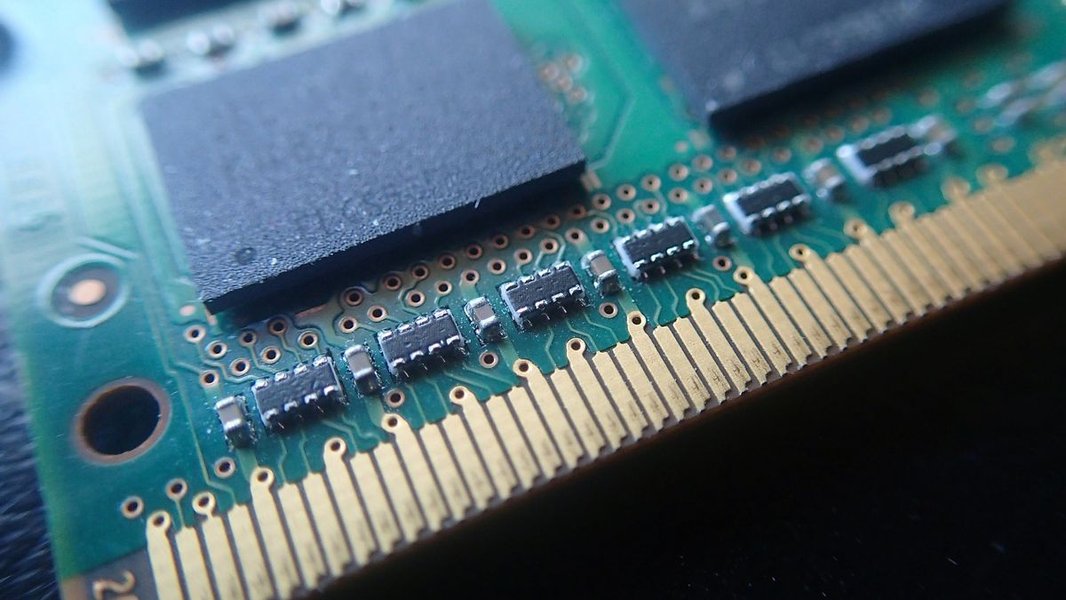
Key Insights for Memory Selection in Embedded Systems
- Immutability is the deciding factor – OTP memory provides permanent, tamper-proof storage ideal for sensitive security data and device identifiers
- Update requirements determine flexibility needs – Write-protectable flash offers the balance of security with the ability to perform controlled updates when necessary
- Application-specific security requirements – Building automation, PLCs, and security systems have unique data protection needs that influence memory selection
Understanding OTP and Write-Protected Flash Memory
Microcontroller units (MCUs) often incorporate both one-time programmable (OTP) memory and flash memory with write-protection capabilities. Each serves distinct purposes in securing embedded systems against unauthorized access and modifications while ensuring data integrity.
What is One-Time Programmable (OTP) Memory?
OTP memory, as the name suggests, can only be programmed once. Once data is written to this type of memory, it cannot be modified or erased throughout the entire lifecycle of the device. This characteristic makes OTP memory inherently secure for storing critical information that should never change.
What is Write-Protectable Flash Memory?
Write-protectable flash memory offers a more flexible approach to data storage. While it allows for reprogramming, it includes protection mechanisms that can be enabled to prevent unauthorized modifications. This protection can typically be enabled or disabled through software controls or hardware mechanisms, providing adaptable security based on application needs.
This video provides an excellent overview of how microcontroller memory works, including the differences between various memory types and their applications in embedded systems.
Critical Decision Criteria: OTP vs. Write-Protectable Flash
When deciding between OTP and write-protectable flash memory for data requiring integrity and confidentiality protection, several key factors should be considered:
Data Immutability Requirements
When to Choose OTP Memory
OTP memory is the superior choice when data must never change after initial programming. The permanent nature of OTP provides the strongest guarantee against both accidental and malicious modifications, making it ideal for critical security parameters and foundational device configuration.
When to Choose Write-Protectable Flash
Write-protectable flash is more appropriate when data might require updates during the device lifecycle, while still needing protection against unauthorized changes during normal operation. The write protection can be temporarily disabled when legitimate updates are necessary.
Security Requirements
The level of security required for the data directly influences the memory choice:
High-Security Applications
In applications where security is paramount, such as financial terminals or secure access systems, OTP memory offers inherent protection against tampering attacks. Since the data cannot be modified after programming, the attack surface is significantly reduced.
Moderate Security with Update Flexibility
For systems requiring good security with occasional legitimate updates, write-protectable flash memory with robust protection mechanisms can provide an acceptable compromise between security and flexibility.
Update Frequency
How often the data needs to be updated is a crucial consideration:
Static Data
Data that remains constant throughout the device's operational lifetime (e.g., device identifiers, factory calibration values) is perfectly suited for OTP memory.
Occasionally Updated Data
Configuration parameters that might need adjustment, firmware that requires security patches, or data that evolves with system upgrades should be stored in write-protectable flash memory.
| Decision Criteria | OTP Memory | Write-Protectable Flash |
|---|---|---|
| Data Immutability | Permanent, cannot be changed | Can be updated when protection is disabled |
| Security Level | Highest (hardware-enforced) | High (software/hardware-controlled) |
| Update Capability | None | Possible with proper authorization |
| Cost Efficiency | More cost-effective for small data | More efficient for larger data volumes |
| Power Consumption | Lower (no erase operations) | Higher (requires erase cycles) |
Implementation Complexity
The complexity of implementing each memory type differs:
OTP Memory Simplicity
OTP memory typically offers simpler implementation as it doesn't require complex protection mechanisms or update procedures. Once programmed, no additional management is needed to ensure data integrity.
Flash Memory Management
Write-protectable flash requires more sophisticated management, including protocols for enabling/disabling write protection, validation of update sources, and potentially implementing secure boot processes to verify the integrity of updated data.
Resource Considerations
Memory Size Requirements
OTP memory is often limited in size compared to flash memory. If the protected data is substantial, write-protectable flash may be the only practical option despite security considerations.
Power Consumption
OTP memory typically consumes less power as it doesn't require the energy-intensive erase operations that flash memory does. For battery-powered or energy-sensitive applications, this can be a significant advantage.
This radar chart compares OTP memory and write-protectable flash memory across five key performance metrics, highlighting the strengths and weaknesses of each option for embedded system applications.
Common Data Types Stored in OTP Memory for Embedded Applications
In embedded devices used in building automation systems (BASes), programmable logic controllers (PLCs), home security systems, and home automation systems, certain types of data are typically stored in OTP memory to ensure maximum security and integrity:
Use Cases)) Security Parameters Encryption Keys Digital Signatures Authentication Data Secure Boot Parameters Device Identification Serial Numbers MAC Addresses Unique Device IDs Model Information Calibration Data Factory Calibrations Sensor Offsets Reference Values Configuration Base Boot Code Initial Setup Parameters License Information
This mindmap illustrates the common categories of data typically stored in OTP memory for embedded applications, organized by their functional purpose within the system.
Security Parameters
Encryption Keys
Cryptographic keys used for secure communication, data encryption, and authentication are prime candidates for OTP storage. Once compromised, these keys cannot be trusted, making their immutable storage critical for system security.
Digital Signatures
Signatures used to verify the authenticity of firmware or communication partners benefit from the tamper-proof nature of OTP memory, ensuring that verification processes cannot be subverted.
Device Identification
Unique Device Identifiers
Serial numbers, MAC addresses, and other unique identifiers that distinguish individual devices within a network are stored in OTP to prevent spoofing or unauthorized duplication of device identities.
Model and Manufacturer Information
Product specifications, manufacturing dates, and other permanent device characteristics are stored in OTP to maintain authentic device profiles.
Calibration Data
Factory Calibrations
In precision systems like PLCs or industrial automation equipment, factory-set calibration values for sensors, actuators, and measurement circuits are stored in OTP to ensure consistent operation throughout the device's lifespan.
Reference Values
Standard reference values used for system self-checks and diagnostic routines are protected in OTP to maintain system integrity and prevent tampering with safety mechanisms.
Boot and Configuration Data
Boot Code
Initial bootloader code that initializes the system is often stored in OTP to create a secure root of trust, ensuring that the boot process cannot be compromised.
License Information
Feature activation codes, usage licenses, and capability unlocks are stored in OTP to prevent unauthorized feature access or license tampering.
Application-Specific Considerations
Building Automation Systems (BAS)
In building automation systems, OTP memory is commonly used for:
- Network authentication credentials that allow secure connection to building management networks
- Encryption keys for secure communication between controllers and sensors/actuators
- Zone identification and building topology information that defines the system's physical layout
- Safety parameter thresholds that should not be alterable under normal circumstances
Programmable Logic Controllers (PLCs)
PLCs typically store the following data in OTP memory:
- Hardware configuration parameters that define I/O capabilities and communication interfaces
- Safety-critical constants used in control algorithms that must not be modified
- Firmware authentication signatures to verify the integrity of operational code
- Factory calibration data for precise analog control and measurement
Home Security Systems
Security systems particularly benefit from OTP memory for:
- Encryption keys for secure panel-to-sensor communication
- Authentication credentials for connection to monitoring services
- Tamper detection parameters and response thresholds
- Device identifiers that prevent unauthorized cloning of security components
Home Automation Systems
Home automation controllers commonly use OTP memory for:
- Network security parameters for connecting to home Wi-Fi and remote services
- Unique device identifiers for proper device recognition in the network
- Manufacturer identification and capability flags
- Base configuration parameters that establish device behavior
Implementation Best Practices
Security by Design
When implementing memory protection strategies in embedded systems:
- Classify data according to its sensitivity and update requirements early in the design phase
- Implement multiple layers of protection beyond just memory type selection
- Use secure boot processes to validate all system components before execution
- Consider the entire system security architecture, not just individual data storage decisions
Write Protection Management
For data stored in write-protectable flash memory:
- Implement robust authentication before allowing write protection to be disabled
- Log all attempts to modify protected data, successful or not
- Consider implementing hardware-level write protection mechanisms where available
- Use cryptographic verification for any data updates before committing them to memory
Frequently Asked Questions
References
- One-Time Programmable Memory (OTP) IP Core - AnySilicon
- Programmable Read-Only Memory - Wikipedia
- Storing a Secure Key in an Embedded Device's Memory - Stack Exchange
- User OTP Flash Documentation - Microchip Technology
- One-Time-Programmable Memory - Semiconductor Engineering
- The Benefits of Antifuse OTP - Semiconductor Engineering
Recommended Searches
Last updated March 28, 2025