
Hello: More Than Just a Word, It's a Connection
Unpacking the fascinating history, diverse uses, and cultural impact of one of the world's most common greetings.
Highlights: Key Insights into "Hello"
- Historical Roots: "Hello" emerged in the early 19th century, evolving from older terms like "hollo" or "hallo" used for calling attention, and was popularized by the advent of the telephone.
- Versatile Greeting: While primarily a salutation, "hello" serves multiple functions – answering calls, attracting attention, expressing surprise, and adapting to both formal and informal contexts.
- Cultural Significance: Beyond its linguistic function, saying "hello" is often seen as a fundamental act of politeness, fostering social connection and positive interaction.
What Does "Hello" Really Mean?
"Hello" is arguably one of the most recognized words in the English language. Functioning primarily as an interjection, it's the standard greeting used when meeting someone, initiating a conversation, or answering the telephone. Its simplicity and versatility have cemented its place in everyday communication across the globe. While often used casually, it can also fit into more formal settings, making it a highly adaptable linguistic tool.
Beyond a simple greeting, "hello" can also be used to attract attention ("Hello over there!") or express surprise ("Well, hello! What's this?"). Its meaning can subtly shift based on tone of voice and context, showcasing its expressive flexibility.
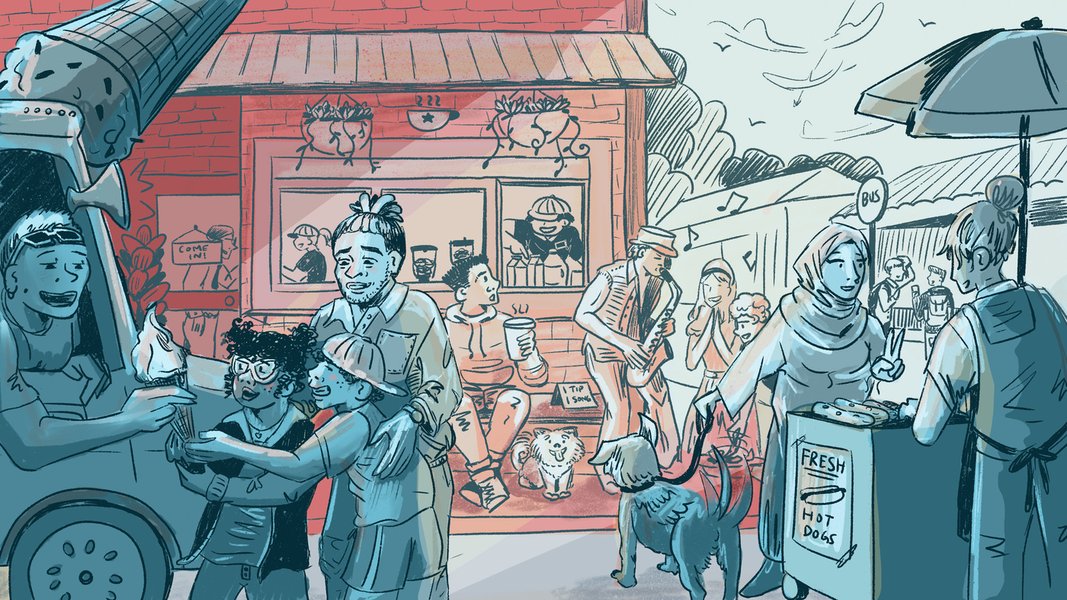
A simple "hello" can bridge gaps and foster connection.
The Journey of "Hello": From Shout to Salutation
Ancient Echoes and Early Forms
The word "hello" wasn't always the standard greeting we know today. Its origins are traced back to the early 19th century, with the first written attestations appearing around 1826. It's believed to have evolved from older variants like "hollo," "hallo," or "hullo." These earlier forms weren't typically used as greetings but rather as shouts or exclamations to call attention, express surprise, or hail someone from a distance (like hailing a ferryman).
Linguistic Roots
Etymologists suggest connections to Old High German words like "halâ" or "holâ" (meaning "to fetch," used for calling) and potentially French terms like "holà" (roughly meaning "whoa there!"). These links point to a history rooted in the act of calling out or signaling across distances, possibly originating from hunting calls or signals.
The Telephone's Decisive Role
The transformation of "hello" into a standard greeting is intrinsically linked to the invention of the telephone in the late 19th century. While Alexander Graham Bell, the telephone's inventor, initially favored "Ahoy" as the standard telephone greeting, it was Thomas Edison who championed "Hello."
Edison's Influence
In an 1877 letter, Edison suggested "Hello!" as the ideal word to use when answering a telephone call because it could be heard clearly over the lines. Its adoption in telephone operation manuals helped solidify "hello" as the conventional way to answer a call, which then rapidly bled into general usage as a common face-to-face greeting. Before the telephone era, "hello" was rarely used as a salutation.

"Hello" remains a staple in greetings, both traditional and digital.
How We Use "Hello": Context and Variations
Everyday Functions
"Hello" serves several key communicative purposes in modern English:
- Greeting: The most common use, acknowledging someone's presence or initiating interaction.
- Answering the Telephone: The standard way to pick up a call in many English-speaking countries.
- Attracting Attention: Used to get someone's notice, e.g., "Hello? Is anyone home?".
- Expressing Surprise: An exclamation often used when encountering something unexpected.
Formality and Common Alternatives
"Hello" strikes a balance, fitting comfortably in both formal and informal situations. However, English offers a rich tapestry of greetings, each with its own nuance:
- Hi: A very common, informal alternative to "hello."
- Hey: Even more informal than "hi," often used among friends and peers.
- Howdy: A regional variation, particularly associated with the American West, serving as an informal greeting.
- Good morning/afternoon/evening: More formal greetings tied to the time of day.
- Greetings: A slightly more formal and sometimes archaic-sounding salutation.
- Yo: Highly informal slang greeting.
Gestures like a wave, nod, handshake, or bow can also accompany or replace verbal greetings depending on cultural context and formality.

Different situations call for different greetings, from formal to casual.
Mapping the World of "Hello"
The word "hello" encompasses a range of meanings, histories, and applications. This mindmap provides a visual summary of its key facets, from its core function as a greeting to its historical development and modern interpretations.
This map illustrates how a simple word like "hello" connects various aspects of language, history, culture, and even commerce.
The Cultural Fabric of "Hello"
Saying "hello" is more than just linguistic habit; it's deeply embedded in social etiquette. It's often the first step in acknowledging another person's presence and showing respect. This simple act is widely considered a sign of good manners and approachability. In many cultures, initiating a greeting like "hello" is crucial for establishing rapport and setting a positive tone for interaction.
Research even suggests that simple acknowledgments, like a stranger saying "hello," can have a positive impact on well-being, fostering a sense of community and belonging. It's a small gesture that can make someone feel seen and valued, potentially brightening their day.

A friendly "hello" can be a powerful tool for positive social interaction.
"Hello" in the Wider World: Brands, Music, and Tech
The word "hello" extends beyond everyday greetings, lending its familiar and welcoming tone to various brands, creative works, and technologies.
In Media and Branding
- HELLO! Magazine: A popular international publication focusing on celebrity news, royal updates, and lifestyle content.
- Hello Products: An oral care brand known for its stylish packaging and naturally friendly ingredients.
- HelloFresh: A well-known meal kit delivery service providing pre-portioned ingredients and recipes for home cooking.
In Music
- "Hello" by Adele: A monumental hit song from 2015, this soulful piano ballad from the album "25" explores themes of nostalgia and regret, resonating with millions worldwide.
- "Hello!" by Super Simple Songs: A popular children's song used in educational settings to teach greetings and encourage interaction among young learners.
In Technology
- Hello History: An AI-powered platform (using technologies like GPT-4) that allows users to "chat" with historical figures, making history more interactive and engaging. It uses the concept of initiating a conversation ("hello") with figures from the past.
- Digital Greetings: Numerous websites and apps offer digital e-cards featuring "hello" for various occasions, adapting the traditional greeting to modern communication methods.
Watch: Uncovering the Origins of "Hello"
Why do we say "hello" instead of "ahoy" when answering the phone? This short video delves into the fascinating history and linguistic journey of this ubiquitous greeting, exploring its surprising origins and rise to prominence, particularly influenced by technological advancements like the telephone.
Understanding the backstory provides a richer appreciation for how language evolves and how seemingly simple words can have complex histories shaped by innovation and social convention.
Comparing Greetings: A Visual Analysis
While "hello" is versatile, how does it stack up against other common English greetings? This chart provides a comparative visualization based on subjective assessments of factors like formality, friendliness, common usage globally, historical depth, and expressiveness. Note that these are general interpretations and actual usage can vary greatly.
As the chart illustrates, "Hello" scores highly on common usage and strikes a balance between formality and friendliness, making it a reliable choice in many situations. Other greetings like "Hey" are much more informal, while "Good Day" leans towards higher formality.
Quick Guide: Common English Greetings
Navigating the nuances of English greetings can be tricky. This table summarizes some common options, their typical formality level, and usual contexts.
| Greeting | Formality Level | Common Contexts | Notes |
|---|---|---|---|
| Hello | Neutral / Versatile | General use, phone calls, meeting new people, can be formal or informal | The most standard, widely understood greeting. |
| Hi | Informal | Friends, colleagues, casual encounters | Very common, slightly less formal than "Hello". |
| Hey | Very Informal | Close friends, peers, getting attention casually | Can sometimes be seen as abrupt if used with strangers. |
| Howdy | Informal / Regional | Primarily American West/South, casual, friendly | A contraction of "How do ye?". |
| Good morning / afternoon / evening | Formal / Polite | Professional settings, service encounters, showing respect | Tied to the specific time of day. |
| Greetings | Formal / Slightly Archaic | Formal letters, sometimes humorous or theatrical use | Less common in everyday spoken English now. |
| Ahoy | Archaic / Thematic | Nautical contexts, historical reenactments, Bell's initial phone greeting | Rarely used as a standard greeting today. |
Choosing the right greeting often depends on your relationship with the person, the setting, and regional customs.
Frequently Asked Questions about "Hello"
Where did the word "hello" come from?
"Hello" likely evolved from older words like "hollo," "hallo," or "hullo," which were used in the 18th and 19th centuries primarily as shouts to attract attention or express surprise. Its roots might trace back to Old High German or French words related to calling or hailing.
Is it true Thomas Edison invented "hello"?
Thomas Edison didn't invent the word itself, but he played a crucial role in popularizing it as a telephone greeting. He advocated for "hello" over Alexander Graham Bell's preferred "Ahoy," suggesting it in 1877 as the standard way to answer a call, which significantly contributed to its widespread adoption.
Is "hello" formal or informal?
"Hello" is quite versatile. It can be used in both formal and informal situations. While greetings like "hi" or "hey" are distinctly informal, "hello" can be appropriate when meeting strangers, in professional contexts, or among friends and family.
Are there other meanings or uses of "Hello"?
Yes, beyond the greeting, "Hello" is used in various other contexts. It's the name of a popular celebrity magazine (HELLO!), an oral care brand (Hello Products), a meal kit service (HelloFresh), and famously features in song titles, like Adele's hit "Hello." It's also used in technology, such as the AI platform "Hello History."
Recommended Further Exploration
- What is the etymology of other greetings like 'hi' and 'hey'?
- How did the telephone change language and communication styles?
- Explore greetings used in different cultures around the world.
- Learn more about the psychology of greetings and social interaction.
References
Last updated April 30, 2025