
Easier Research Question for Meat Vendors' Experiences
A focused approach to determining common products sold by meat vendors
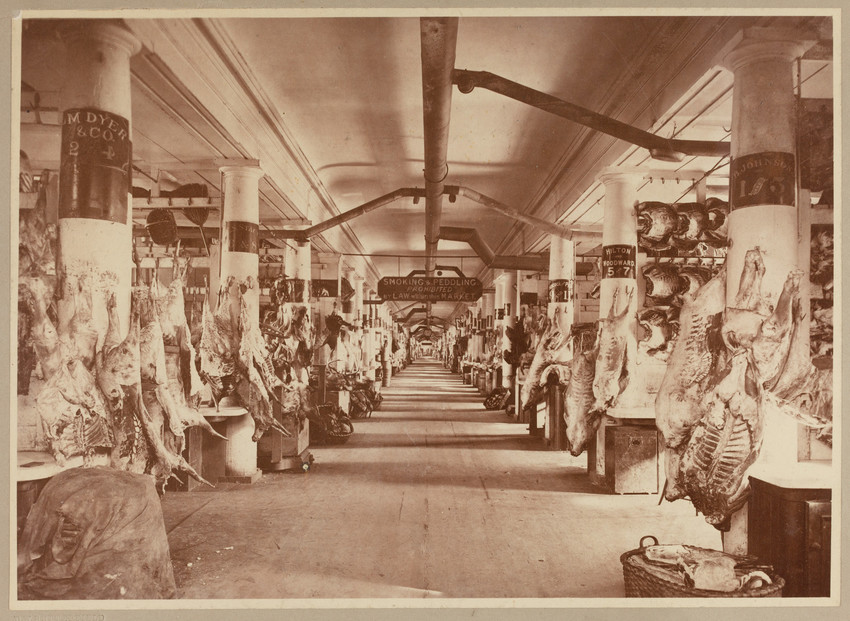
Highlights
- Simplicity: Centered on direct observation and straightforward vendor responses.
- Directness: Minimal ambiguity in data interpretation ensures easier analysis.
- Practicality: Enables quick assessment of market trends and vendor practices.
Introduction
In the exploration of meat vendors’ experiences, selecting research questions that are both actionable and straightforward is crucial. One particularly easier research question that has come to prominence focuses on the core of vendors’ daily operations: identifying the kinds of meat products they most frequently sell. This question, while simple, can yield important insights into product popularity, vendor specialization, and market dynamics.
The research question proposed is:
"What types of meat products do you most frequently sell?"
This question stands out due to its inherent simplicity, ease of data collection, and direct relevance to both market analysis and vendor practice. In this detailed discussion, we will break down why this question is considered easier to answer, how it can be structured for research, and its broader implications for understanding meat vendors’ experiences.
Why This Question is Easiest to Answer
Direct Observation and Simple Data Collection
The nature of the question itself requires essential information that is readily available from everyday business operations. Meat vendors typically have a limited and well-defined range of products based on their local clientele, supply chain, and regional preferences. Consequently, the verbal or written responses they provide are direct and contain minimal need for complex probing or interpretive analysis.
Visibility of Inventory
For many vendors, the range of meat products is clearly displayed and even regulated by market norms. In physical markets or online listings, the types of meat products are often itemized transparently. This clarity aids researchers who can literally count, observe, or list available products without lengthy explanation.
Minimal Ambiguity
Compared to questions about customer interactions or perceptions, which might involve subjective factors and require nuanced interpretation, asking vendors to list or describe the types of meat products they sell minimizes variance caused by personal biases or misunderstandings. The clarity in product categorization—such as chicken, beef, pork, lamb, and specialty cuts—lends itself to unambiguous data collection.
Simple Response Format
Respondents generally operate within a set framework of product categories. This allows researchers to use structured questionnaires where vendors can simply check off options or write a short answer. The simplicity of the response format can lead to higher response rates and more reliable data.
Research Design and Data Collection Strategy
Methodological Approach
The research design for this question is primarily quantitative in nature but can be supplemented with qualitative insights if needed. Here, the aim is to ensure that data is collected systematically and is both replicable and reliably interpreted. The following steps outline a comprehensive strategy:
1. Designing the Survey Instrument
The survey or interview questionnaire should incorporate direct questions written clearly to solicit responses on the types of meat products the vendor deals with. Example items on the instrument could include:
- “Please list the primary types of meat products you sell.”
- “Indicate the percentage share for each type of product (if available).”
- “Do you introduce seasonal or special meat products? If yes, please describe.”
These questions are designed to extract verifiable and countable information that can be easily aggregated.
2. Deployment and Participant Selection
Sampling should focus on a diverse set of meat vendors across wet markets, grocery stores, and specialty meat shops. By stratifying the sample based on geographical location, scale of operation, and product offerings, researchers can mitigate biases. Data collection methods can include:
- Face-to-face interviews in the market.
- Telephone surveys where direct inquiry is possible.
- Online surveys targeting vendors listed on market directories.
3. Data Analysis
The collected data can be analyzed via statistical methods, where percentages and frequency counts of each meat product category are computed. Qualitative responses can be categorized to identify any emerging themes or variations in product types offered during specific time periods.
4. Triangulation and Validation
To ensure the accuracy of responses, triangulation may involve observational checks, inventory records if available, and cross-referencing vendor responses with market sales data. This enhances the reliability of the study.
Challenges and Considerations
Ensuring Accurate Categorization
One potential challenge in answering this question is ensuring that vendors have a consistent understanding of what constitutes a “type” of meat product. For example, a vendor might differentiate between “fresh beef,” “processed beef,” and “beef cuts” as separate categories, which might need to be consolidated for cross-comparison in research outcomes.
Standardization of Responses
Implementing a coding scheme prior to data collection can help standardize responses for easier aggregation. Researchers should develop a coding manual that clarifies terms and categorizes similar products under unified headings.
Seasonality and Market Fluctuations
It is important to account for seasonal variations in product offerings. Some vendors might display more variety during peak seasons such as holidays or festivals, so ensuring that data collection spans an adequate period is crucial for obtaining a representative sample.
Benefits of Focusing on This Question
By centering research on the types of meat products sold, several benefits emerge that provide both immediate and long-term value to researchers, policy-makers, and industry stakeholders:
- Market Insights: Direct data on product types can reveal consumer preferences, measure diversity in product offerings, and determine which meat types drive vendor profitability.
- Safety and Quality Monitoring: Uniform categorization helps link specific products to particular handling and safety practices, facilitating better oversight over food quality.
- Business Adaptability: Understanding the core products can inform how vendors adapt to market changes and external pressures such as health regulations or economic shifts.
Practical Examples and Case Studies
Practical Applications in the Field
In practical applications, researchers have employed the focus on product types to streamline data collection and derive actionable insights. For instance, when a study documented vendor routines, one segment specifically examined the diversity in meat offerings as a direct indicator of the vendor's market focus.
Consider a hypothetical scenario in which a market research is conducted over a three-month period in a bustling urban marketplace. Researchers might deploy survey forms where vendors list items such as:
| Meat Category | Examples | Description |
|---|---|---|
| Beef | Steaks, Minced Beef | Mostly popular for everyday meals; variations in cut are defined by consumer demand. |
| Pork | Pork Chops, Sausages | Often highlighted for flavor diversity and used in local cuisines. |
| Chicken | Whole Chicken, Chicken Breasts | A staple product with high consumer demand, often linked to affordability and availability. |
| Lamb | Lamb Chops, Leg of Lamb | A specialty product in certain regions, typically tied to regional and cultural preferences. |
The table above illustrates a straightforward categorization that can be immediately translated into statistical results once the data is collected. Through such an approach, patterns in meat product availability and sales can be efficiently identified.
Case Study: Market Adaptations and Product Diversity
A detailed case study from a mid-sized wet market revealed that vendors typically stock a limited range of products that are strongly influenced by customer demand. One vendor, for example, observed that while beef and chicken were consistently popular, the product range tended to expand during seasonal peaks—adding specialty items to cater to festive culinary traditions.
In this context, the research question asking “What types of meat products do you most frequently sell?” helps provide a snapshot of the vendor’s core business. This information can then be utilized to assess the stability of their business model as well as to tailor policy and market interventions that support vendor success.
Integration with Broader Research Objectives
Linking to Food Safety and Quality Measures
While the core focus of the question is on product type, the data obtained can indirectly support more comprehensive studies regarding food quality and safety practices. For example, once the most frequently sold products are identified, researchers may further explore whether specific meat categories are associated with distinct handling processes or safety protocols.
Investigating Correlations
A secondary analysis might investigate if vendors selling a broader array of products have more elaborate quality control measures in place compared to those focusing on a singular product category. Such correlations can be explored via detailed cross-tabulation in the research analysis phase, offering insights into operational efficiency.
Evaluating Vendor Profitability and Market Trends
Additionally, knowing which types of products dominate sales can directly impact an evaluation of vendor profitability. Trends derived from this data can indicate consumer preferences and market shifts. For example, if surveys reveal that chicken products consistently dominate vendor sales, this could prompt both vendors and market regulators to pay closer attention to hygiene practices, storage conditions, and competitive pricing strategies tailored for those items.
Longitudinal Studies
Research utilizing this question can be adapted into a longitudinal study where data is collected over an extended period. This approach can reveal trends, such as shifts in meat preferences over time, as influenced by economic factors, customer health consciousness, or broader market disruptions. A simple, straightforward question lays the groundwork for such extended research without the complexities of more interpretive inquiries.
Potential Survey Instrument Template
Survey Section on Meat Products
Below is a suggested outline for the survey section that directly addresses the key question:
Questionnaire Items
Item 1: “List all types of meat products your stall or shop currently sells.”
Item 2: “For each meat product listed, please indicate the approximate percentage of total sales it represents.”
Item 3: “Do you offer seasonal or specialty meat products? If yes, please specify which ones and when they are typically available.”
This template ensures that the question remains straightforward yet provides additional data points for deeper analysis of vendor operations.
Data Recording Approach
Data can also be supplemented by direct in-market observations where the researcher records visible product displays. A simple coding scheme might involve:
- Assigning codes for each product type (e.g., CH for Chicken, BF for Beef, PK for Pork).
- Recording quantities and arrangement patterns.
- Noting any differences in presentation during peak vs. off-peak hours.
This structured data recording supports statistical analysis, allowing researchers to draw clear conclusions about the market dynamics and vendor specialties.
Comparative Advantages
Ease of Implementation Across Contexts
One of the comparative advantages of this research question is its adaptability across various contexts and market types. Whether the research is conducted in large urban centers, rural markets, or emerging online platforms, the question retains its simplicity and relevance. This universality ensures that studies from different geographical areas can be compared and contrasted efficiently.
Cross-Regional Comparisons
For instance, insights gained from one region about the predominance of certain meat types can be compared with those from another region. Such cross-regional comparisons can reveal cultural preferences, logistical constraints, and regulatory impacts that may otherwise be obscured in more complex questions.
Facilitating Market Adjustments
Moreover, having a consistent and simple question allows industry stakeholders to quickly adjust and respond to market trends. For example, if the data shows a sudden increase in the sale of a particular meat type, vendors and retailers might react by adjusting their supply chains or promotional strategies accordingly. This rapid feedback mechanism supports the agility needed in competitive market environments.
Implications for Policy and Regulation
Informing Market Oversight and Food Safety Regulations
Understanding the types of meat products sold not only benefits academic research but also has practical applications in policymaking and regulation. Regulatory authorities can use this data to refine food safety protocols that are product-specific. For example, knowing that a majority of vendors sell chicken—which might be subject to different bacterial contamination risks compared to red meats—allows for more targeted inspections and safety advisories.
Policy Formulation
Additionally, market monitoring agencies could use findings from this research to implement standardized quality control measures that are optimized for the most common products. Such tailored regulations bolster consumer confidence and ensure that hygiene practices meet the appropriate standards based on product type.
Support Systems for Vendors
Finally, data regarding common product offerings can help in designing support systems for meat vendors. For example, training programs on safe handling practices could be better structured if they prioritize the predominant meat types sold. Subsidies or technological interventions might also be focused on the critical segments of the market where quality control is most challenging.
Future Directions and Extended Research Possibilities
Building on the Basic Question
While the research question “What types of meat products do you most frequently sell?” is easier to answer, it also opens avenues for more detailed and layered investigations. Once a baseline understanding of product distributions has been established, researchers could extend the study in several useful directions:
Exploration of Vendor Adaptability
Future inquiries might explore how vendors adjust their product lines in response to seasonal trends or disruptions like economic downturns and public health challenges. By comparing initial baseline data with subsequent updates, researchers could track the dynamics of market adaptation over time.
Correlation with Consumer Preferences
Another extension could involve consumer-side surveys to map preferences and correlate them with vendor offerings. Such a multi-dimensional approach would provide a richer understanding of supply and demand in the meat trade, facilitating enhanced market strategies for both vendors and policy makers.
Integrating Supply Chain Analysis
Lastly, researchers interested in supply chain dynamics could examine how production, distribution, and storage practices influence the diversity of products available for sale. This could highlight potential bottlenecks or areas in need of improvement, ensuring a more robust and resilient market ecosystem.
Conclusion and Final Thoughts
In conclusion, the research question “What types of meat products do you most frequently sell?” represents one of the easiest yet most informative inquiries for exploring the day-to-day experiences of meat vendors. Its simplicity facilitates clear data collection through direct observation and response, minimizing ambiguity and ensuring high response quality. Such a question not only provides immediate insights into product popularity and market trends but also establishes a baseline for deeper future research into food safety, vendor adaptability, and consumer behaviors.
The structured approach detailed above, including survey design, data collection strategies, and analytical techniques, demonstrates that even a straightforward question can yield multifaceted insights that benefit academic inquiry, policy formulation, and practical market adjustments. By focusing on this question, researchers can efficiently gather replicable data that serves as a foundation for larger, integrated studies on meat vendors’ experiences.
References
- Struggles of Selected Chicken Meat Vendors in Wet Market of San Isidro, Nueva Ecija in New Normal - AAJMRA
- Factors Affecting Meat Vendors - Course Hero
- Researching Meat Suppliers - Diluigi Foods
- Questions to Ask Meat Vendors for Restaurants - Holy Smoked Sausage
Recommended Queries for Deeper Insights
Last updated February 20, 2025