
Background Study: Lived Experiences of Meat Vendors
An In-depth Analysis of Economic, Cultural, and Operational Realities
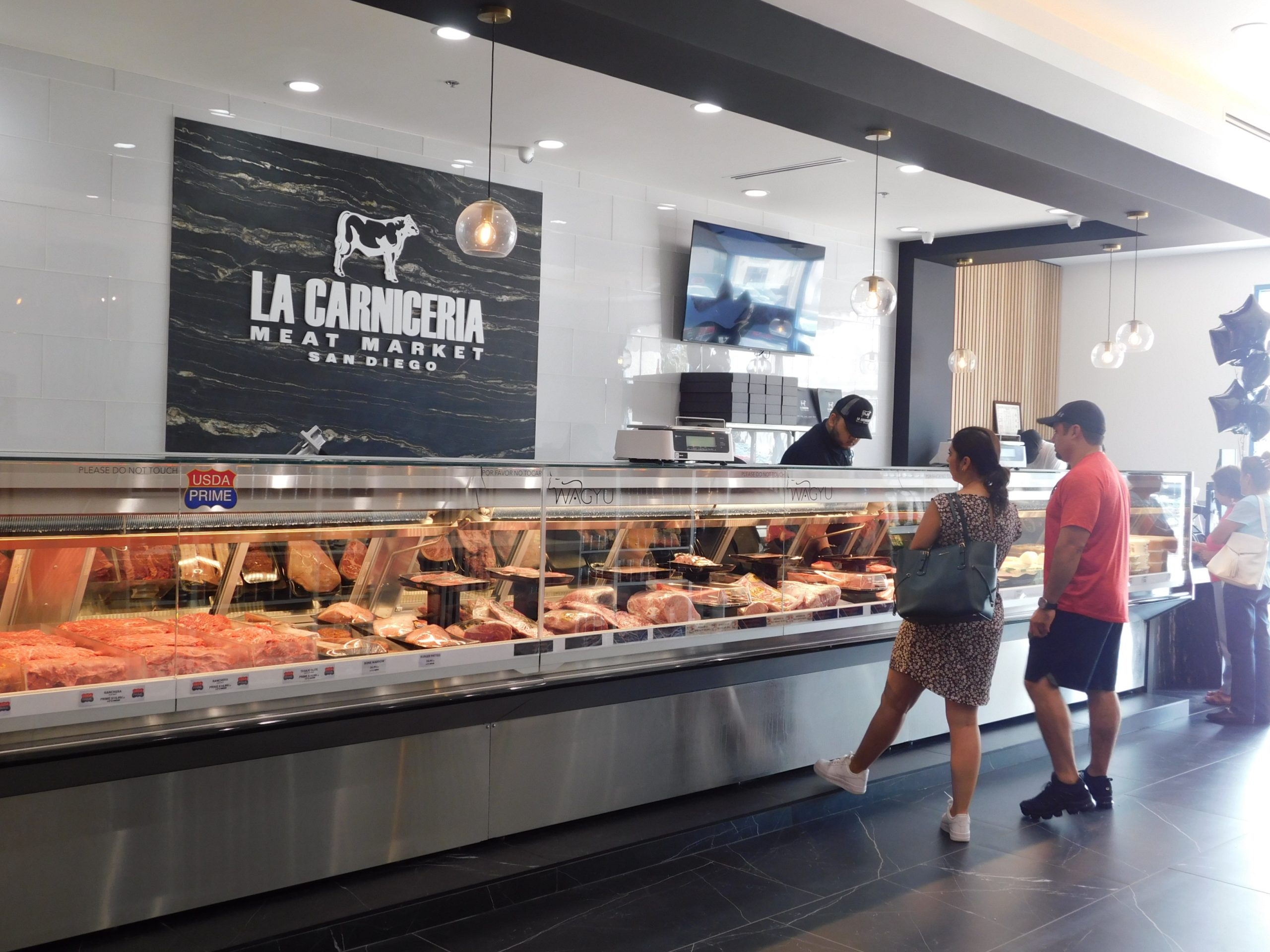
Key Highlights
- Economic & Operational Challenges: The meat vending sector faces financial pressures, supply chain disruptions, and evolving market conditions that require constant adaptation.
- Cultural & Community Value: Traditional practices, local community networks, and cultural significance deeply influence the work and resilience of meat vendors.
- Regulatory & Technological Adaptations: Navigating regulatory frameworks, food safety standards, and emerging digital tools are central to sustaining business operations.
Introduction
Meat vending, as an occupation, represents more than a means of livelihood; it embodies tradition, community dynamics, and entrepreneurial spirit. This comprehensive background study delves into the lived experiences of meat vendors, exploring the multifaceted challenges they face, their adaptation strategies, and the broader socio-economic context within which they operate. By examining economic pressures, cultural practices, regulatory challenges, and market shifts, we can gain deep insight into the daily realities of those who form a crucial link in the food supply chain.
Economic and Operational Challenges
Financial Pressures and Market Dynamics
Meat vendors often confront a range of economic hardships intensified by factors such as inflation, supply chain disruptions, and fluctuating market demands. Price increases in feed, transportation, and operational inputs mean that vendors are continuously working under tight profit margins. The rising costs of raw materials paired with the pressure to meet sanitation and quality benchmarks have pushed many vendors to adopt innovative business practices to maintain economic viability.
Moreover, these economic challenges are exasperated during periods of crisis, such as global pandemics. The COVID-19 pandemic, for instance, led to severe disturbances in the meat supply chain. Reduced consumer demand coupled with logistical restrictions meant that vendors were forced to navigate uncertainties, revise pricing strategies, and manage inventory in a challenging environment.
Operational and Market Competition
The operational aspects of meat vending are nuanced and complex. Vendors are required to meticulously manage aspects such as product traceability, precise weight tracking, and pricing adjustments for varying cuts of meat. The necessity to ensure high levels of hygiene and food safety further adds to operational expenses. Simultaneously, vendors face stiff competition not only from other independent operators but also from modern supermarkets and emerging meat alternatives that are starting to capture sections of the market.
These competitive pressures compel meat vendors to continuously innovate. Some have adopted technological solutions, including Enterprise Resource Planning (ERP) systems and digital platforms, to streamline operations, manage customer orders, and improve overall efficiency. While these advancements offer opportunities, the integration of new technology into traditional business models poses its own set of challenges.
Cultural and Community Dimensions
Historical and Social Context
Meat vending is deeply rooted in historical traditions and cultural practices across various regions. In many urban and semi-urban settings, these vendors are more than suppliers; they are custodians of culinary heritage and local customs. Their methods for preparing, slicing, and presenting meat are often influenced by generations of accumulated wisdom and cultural specificity. These practices are preserved and passed down, thereby reinforcing a connection to the community's cultural identity.
In numerous societies, meat markets serve as vibrant community hubs where social interactions extend beyond commercial transactions. The personal relationships forged between vendors and consumers not only build trust but also create an informal safety net during economically turbulent times.
Community Solidarity and Support Networks
Beyond the technical aspects of their trade, meat vendors often rely on the strength of community solidarity to weather economic and regulatory challenges. Many vendors, particularly those operating within informal sectors or street markets, form robust networks that provide mutual support. These alliances often serve as informal channels for sharing resources, disseminating information on market trends, and collectively addressing regulatory changes.
Community support is further evidenced by the resilience displayed in the face of governmental interventions and public health crises. In many regions, meat vendors have organized cooperatives or community groups which advocate for favorable policies, provide financial assistance, or offer platforms for collective problem-solving.
Regulatory Framework and Public Health Oversight
Compliance with Sanitation and Quality Standards
Regulatory frameworks around food safety and sanitation play a central role in shaping the lived experiences of meat vendors. Governments impose strict standards to ensure that food sold to the public is safe to consume, leading to periodic inspections and compliance requirements. While these measures are designed to protect public health, they often place additional burdens on small-scale vendors who may lack the resources to instantly adopt new requirements.
This tension between traditional vending practices and modern regulatory demands can create significant operational challenges, where vendors must invest in improving storage facilities, upgrade personal hygiene practices, and maintain meticulous records. The need to reconcile traditional practices with modern safety protocols underlines an ongoing conflict between cultural heritage and regulatory modernization.
Impact of Public Health Crises
Public health crises, such as the COVID-19 pandemic and outbreaks of animal diseases such as African Swine Fever (ASF), have had lasting impacts on the meat vending industry. During such periods, stringent lockdowns and market restrictions disrupted daily operations. Meat vendors were compelled to adopt innovative strategies to maintain customer trust and ensure the continuity of their businesses.
Enhanced hygiene practices, transparent communication with customers regarding health measures, and online sales initiatives became essential tactics for mitigating the adverse effects of these crises. This rapid adaptation was crucial for maintaining consumer confidence and ensuring that meat products continued to meet safety standards even in volatile conditions.
Technological Integration and Future Trends
Adoption of Digital Tools and ERP Systems
In an era marked by rapid technological advancements, the meat vending industry has increasingly begun integrating digital tools to streamline operations. The use of ERP systems and digital tracking platforms helps vendors manage everything from inventory to customer relationships more efficiently. Technologies for digital payment systems, order tracking, and online marketing have become essential, enabling vendors to broaden their market reach.
However, integrating these digital tools is not without challenges. Many vendors, particularly those in informal sectors, must overcome the dual hurdles of technological literacy and financial investment. Despite these barriers, the adoption of technology remains a critical step for future-proofing meat vending operations, as it facilitates more transparent and efficient business practices.
Sustainability and Environmental Impact
In addition to immediate economic and regulatory challenges, meat vendors are also facing growing demands related to sustainability. The global push towards sustainable practices has prompted vendors to consider how their operations impact the environment. This includes concerns related to waste management, sustainable sourcing of meat, and reducing carbon footprints.
The balancing act between preserving traditional practices and adopting sustainable operations is complex. Investments in eco-friendly technologies, improvements in waste disposal methods, and efforts towards lower emissions are increasingly becoming part of the conversation among vendors who seek long-term stability and social responsibility.
Table: Comparative Overview of Key Challenges Faced by Meat Vendors
| Aspect | Description | Impact |
|---|---|---|
| Economic Pressures | Rising costs, supply chain interruptions, and reduced profit margins. | Challenges in maintaining profitability and operational stability. |
| Regulatory Compliance | Strict food safety, sanitation standards, and periodic inspections. | Increased operational costs and adaptation pressures on traditional methods. |
| Competition | Market competition from supermarkets, meat alternatives, and digital platforms. | Necessitates innovation in business practices and customer engagement. |
| Cultural & Community Dynamics | Deep-rooted traditional practices and social interactions within local markets. | Strong community support yet challenged by modern regulatory frameworks. |
| Technological Adaptation | Integration of digital tools, ERP systems, and online marketing. | Enhances operational efficiency but requires investment and training. |
| Sustainability Practices | Adoption of eco-friendly methods and sustainable sourcing practices. | Alleviates environmental impact while ensuring long-term viability. |
In-depth Analysis of Vendor Experiences
Personal Narratives and Ethnographic Insights
Ethnographic studies reveal that the everyday experiences of meat vendors are emblematic of broader socio-economic landscapes. For many vendors, the act of selling meat is a family legacy and a vital component of their identity. The traditional techniques for processing and selling meat not only reflect historical practices but also embody local culinary dialects passed through generations. These practices are often performed in busy market settings where vendors engage directly with customers, fostering relationships based on trust and familiarity.
Personal narratives from vendors indicate that beyond the day-to-day challenges, there is a deep sense of pride and resilience in sustaining their trade. Many vendors describe their livelihoods as battles won against economic adversity, regulatory hurdles, and competitive pressures. While the modern landscape continues to impose new challenges, the persistence of traditional values and community bonds acts as a counterbalance, providing both emotional support and practical assistance.
Resilience and Coping Strategies
The coping mechanisms of meat vendors are pivotal to understanding their resilience. Faced with variables like market instability and abrupt policy changes, vendors have developed ingenious strategies. Some adopt flexible pricing models and diversify their product ranges while others collaborate with neighboring vendors to create collective buying or selling platforms. This community-based approach not only mitigates individual risk but also empowers vendors with shared resources and information.
Furthermore, vendor communities often organize informal sessions to exchange insights and discuss trends. These sessions serve as platforms for learning and solidarity, promoting the sharing of best practices that help all members to adapt swiftly to shocks in the market. In times of crisis—for instance, during pandemics—the networks provide a support system that aids with financial and emotional resilience.
Innovative Adaptations
An intriguing aspect of the meat vending narrative is the gradual integration of technology and modern business practices. Despite resistance that sometimes comes from adherence to tradition, many vendors understand that technology can be an enabler rather than a disruptor. Digital payment systems, inventory management through smartphone apps, and the use of social media for marketing have collectively redefined the meat vending landscape. These technological integrations are not just survival strategies but a creative evolution in traditional business practices—a blend of the old and the new, ensuring that meat vending remains a viable industry in a rapidly changing economy.
Comparative Regional Perspectives
Local versus Global Dynamics
The lived experiences of meat vendors differ considerably depending on regional socio-economic and cultural contexts. In urban settings of developed economies, meat vendors are increasingly integrated with formal systems and are required to adhere to stringent corporate-like guidelines. In contrast, vendors in less urbanized regions or developing economies often operate in informal markets where community ties and traditional practices play a stronger role.
For instance, vendors in metropolitan food halls often have access to technology and enhanced infrastructural support, which aids in managing complex logistics and regulatory compliance. However, these advantages come with the pressure of high competition and greater consumer expectations for quality and sustainability. In regions where informal trading is prevalent, the lack of stringent oversight can sometimes allow more flexibility in operations, although it may also expose vendors to higher risks related to food safety and economic volatility.
Sector-Specific Observations
The meat vending sector often mirrors broader market trends, such as the growing interest in sustainable and ethically-sourced products. Animal welfare concerns, environmental sustainability, and health consciousness among consumers are influencing both supply chains and customer behaviors. This shift is prompting vendors to reconsider their methods—from sourcing livestock to the handling and storage of meat products. Vendors who successfully balance these modern demands with traditional practices tend to build a stronger reputation and enjoy sustained consumer loyalty.
Additionally, meat vendors’ engagement with regulatory agencies and community organizers helps to create a dialogue that may eventually influence policy reforms. These interactions underscore the importance of inclusivity and adaptability in trade practices, ensuring that the lived experiences of vendors contribute to shaping broader socio-economic policies.
Future Directions and Recommendations
Policy Implications
Given the intricate challenges faced by meat vendors, policy interventions must be sensitive to their unique circumstances. Governments and local authorities are encouraged to design regulatory frameworks that balance food safety and economic support. Policies could include financial assistance programs, training on modern technologies, and a gradual process of integrating health standards with traditional practices. Moreover, establishing vendor cooperatives can provide a collective voice for these business owners in negotiations with regulatory bodies.
Strengthening Community Networks
Recognizing the importance of community, efforts should be made to foster greater collaboration among meat vendors. Community centers, periodic workshops, and cooperative unions can serve as platforms for shared learning and mutual support. These networks not only serve as a buffer against economic and regulatory shocks but also bolster collective bargaining power and local identity.
Embracing Sustainable and Technological Innovation
As the industry shifts towards sustainability and digital integration, vendors should be encouraged to invest in eco-friendly practices and technological tools. Training sessions on sustainable practices, subsidies for technological adoption, and public-private partnerships aimed at modernizing traditional trade will contribute significantly to the resilience of meat vendors. Balancing sustainability with profitability requires an iterative approach where continuous feedback from the market informs incremental improvements.
Conclusion
The lived experiences of meat vendors encompass a broad spectrum of economic, cultural, regulatory, and technological dimensions. The challenges they face—from economic pressures and stringent regulatory frameworks to adapting to modern technological trends—are balanced by the resilience imparted through community bonds and cultural traditions. As the meat vending industry evolves in response to both global trends and local peculiarities, it remains an essential component of the food supply chain. By understanding and addressing the challenges outlined in this study, stakeholders can implement policies and support systems that not only preserve traditional practices but also promote sustainable and innovative growth. Such a comprehensive approach fosters a resilient environment where meat vendors continue to thrive amidst dynamic market conditions.
References
- Fighting Two Infection Diseases: The Tales of Local Meat Vendors - ResearchGate
-
COVID-19 Disruptions in the U.S. Meat Supply Chain - Kansas City Fed
- Inflationary Pressure Challenges US Meat Industry - Euromonitor
- Sustainability Practices in the Meat Supply Chain - Emerald Insight
-
Challenges and Opportunities in Meat Alternatives - ScienceDirect
-
Global and Local Perspectives on Meat Production - ScienceDirect
Recommended Queries for Further Exploration
Last updated February 19, 2025