
Comprehensive Overview of Meat Vendors' Experiences
Exploring daily operations, challenges, and market trends in the meat vending industry.
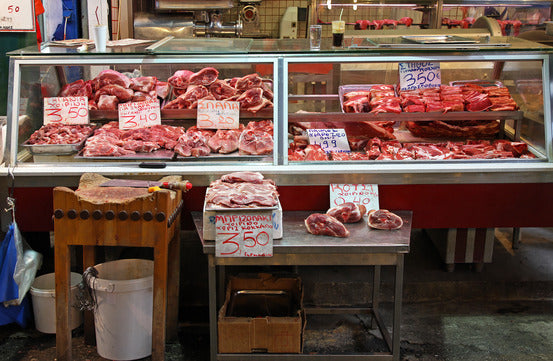
Key Highlights
- Daily Operations and Traditions: Meat vendors balance traditional methods with modern operational practices.
- Market Adaptation: They respond to dynamic consumer trends, supply chain challenges, and regulatory shifts.
- Innovation & Community Focus: Successful vendors innovate through technology while fostering strong community relationships.
Introduction
The experiences of meat vendors encompass a multifaceted blend of tradition, innovation, and adaptation. From time-honored practices rooted in generational family businesses to the adoption of modern technological tools, meat vendors navigate a complex landscape marked by fluctuating consumer preferences, global health challenges, regulatory demands, and market competition. This comprehensive overview delves deep into their world by examining operational routines, customer interactions, market dynamics, supply chain complexities, and the broader socio-economic factors that shape their daily lives and future opportunities.
Daily Operations and Traditional Practices
One of the defining characteristics of meat vendors is the delicate balance between tradition and modern demand. Many of these businesses are family-owned and have been passed down through generations. This long-standing legacy infuses a rich cultural heritage, where traditional practices in meat cutting, packaging, and customer service remain pivotal. Vendors begin their day early, sourcing fresh meat from local suppliers or livestock markets, ensuring that only premium quality products reach their consumers.
Historical Practices and Family Traditions
The craft of meat vending has historically been passed from one generation to the next, preserving artisanal skills and specialized techniques. Family-run businesses have not only honed the expertise required to master precision cuts and quality control but have also contributed to building trust within the local community. Vendors often combine age-old recipes with modern processing methods to create superior products that keep customers returning.
Modern Operational Practices
Despite their reliance on traditional methods, modern meat vendors are quick to adopt technological upgrades. Digital tools are increasingly integrated into their operations, from inventory management and point-of-sale systems to online marketplaces that broaden the customer base. These systems facilitate better supply chain management, accurate pricing, and efficient customer service. In addition, the use of social media and dedicated websites has allowed meat vendors to build a strong online presence, extending their market influence beyond local boundaries.
Customer Engagement and Community Ties
Customer relationships are at the heart of the meat vending experience. In many localities, meat vendors serve as more than just point-of-sale outlets; they are trusted advisors and integral members of the community. The direct interactions experienced at local markets build rapport and trust, with vendors often providing cooking tips, seasonal recipes, and customized orders based on customer preferences.
Building Long-Lasting Relationships
The nature of meat vending services requires consistent high-quality service and reliability which fosters repeat business and long-term customer loyalty. This relationship extends beyond monetary transactions. The personal connection between the vendor and the customer creates a unique marketplace dynamic where word-of-mouth referrals and personalized service are as valuable as any formal marketing campaign.
Role in Local Culture
In many communities, the meat vendor is viewed as a familiar and respected figure. Their presence contributes significantly to local traditions and food culture. As advisors on food preparation and offering recommendations for cuts and grilling methods, these vendors support culinary traditions and enhance community cohesion. This community involvement enriches their overall business experience and helps anchor the vendors in the social fabric of the locale.
Market Dynamics and Challenges
The meat vending industry is currently navigating an era of rapid transformations influenced by shifting consumer habits, regulatory environments, and global health situations. These trends impose both challenges and opportunities for vendors.
Regulatory and Health Standards
Meat vendors must comply with strict regulatory measures designed to ensure food safety and hygiene. Regular inspections and compliance with health standards are necessary to maintain public trust. Recent health crises, such as the COVID-19 pandemic and outbreaks like African Swine Fever (ASF), further intensified these regulatory demands, pushing vendors to adopt new safety protocols and reconfigure operational practices to protect both employees and consumers.
Supply Chain Complexities
Maintaining a consistent and high-quality supply of meat products is a common challenge due to the inherent complexities of the supply chain. Vendors often rely on multiple suppliers to meet the diverse needs of their customer base. Seasonal fluctuations, economic variations, and global supply chain disruptions can significantly impact the availability and quality of meat. The need to secure a reliable source of premium products often leads vendors to build strong supplier relationships and update operational strategies continuously.
Competitive Market Pressures
The meat vending market is increasingly competitive, with both traditional vendors and larger chain suppliers vying for consumer attention. This competition creates pricing pressures and necessitates a keen focus on customer satisfaction. Consumers today are better informed and place a higher premium on ethical sourcing, animal welfare, and sustainability. Meat vendors are thus compelled to not only maintain high-quality products but also to communicate transparently about their sourcing, processing methods, and adherence to sustainability standards.
Adapting to Consumer Trends
The evolving preferences of consumers also shape the experiences of meat vendors. An increasing shift towards organic and ethically raised meat has pushed vendors to diversify their product ranges. Beyond traditional meat products, many vendors are incorporating specialty items such as organic, hormone-free, and sustainably sourced cuts. This adaptation not only aligns them with current health trends but also offers a competitive edge. Furthermore, the convenience trend has given rise to services like home delivery and online orders, broadening the vendors' reach and customer base.
Innovation and Modernization Strategies
Continuous innovation is essential for meat vendors to remain relevant and competitive in a rapidly evolving market. Leveraging technology and modern business practices transforms traditional meat vending into a modern enterprise.
Integration of Technology
The adoption of advanced technologies has revolutionized the meat vending business. Software-driven inventory systems, point-of-sale technologies, and advanced digital payment methods streamline operations, reduce waste, and enhance the overall customer experience. Technology also plays a significant role in the marketing and outreach strategies of vendors, with social media and e-commerce platforms expanding their traditional market reach.
Collaborative Initiatives and Training
To navigate a challenging regulatory environment and evolving consumer demands, many vendors participate in local workshops, industry fairs, and training sessions. These initiatives provide valuable insights into new processing techniques, food safety protocols, and market trends. Membership in local trade associations and participation in industry events also allow vendors to network, share best practices, and adapt collectively to new challenges.
Niche Marketing and Specialty Products
As competition intensifies, specialization has become a critical strategy for meat vendors. Identifying niche markets—such as organic, free-range, or ethically sourced products—has enabled vendors to differentiate themselves while appealing to discerning consumers. This specialization not only enhances market reputation but also allows the vendors to command premium prices and offer uniquely tailored products that reflect the evolving values of modern consumers.
Comparison of Traditional and Modern Strategies
| Aspect | Traditional Approaches | Modern Innovations |
|---|---|---|
| Operational Workflow | Manual inventory management, family-run routines | Digital inventory systems, automated point-of-sale |
| Customer Engagement | Face-to-face transactions, local loyal customers | Online marketing, home delivery services, social media outreach |
| Product Sourcing | Local suppliers, traditional livestock markets | Global supply chains, specialized niche sourcing (organic, free-range) |
| Compliance and Regulation | Historical practices, gradual adaptation | Strict adherence to evolving safety protocols and modern certification processes |
Adapting During Global Health Crises
Global health events have had a lasting impact on meat vendors worldwide. Successful adaptation during crises has depended on a rapid response to changing conditions, reimagining business models, and prioritizing both safety and service.
Impact of Crises on Operations
Health crises such as the COVID-19 pandemic and outbreaks like African Swine Fever (ASF) resulted in significant disruptions. Reduced customer foot traffic, heightened regulatory standards, and the urgent need for enhanced hygiene protocols forced vendors to re-evaluate their operational strategies. Many vendors restructured their supply chains and reoriented their marketing strategies to emphasize safety and reliability.
Innovations Triggered by Health Crises
In response to these unprecedented challenges, meat vendors have embraced innovations such as online ordering, contactless payments, and home delivery services. These adjustments allow vendors to maintain business continuity by ensuring that consumers continue to receive high-quality products while minimizing in-person interactions. This pivot towards digital platforms not only addresses current needs but is also likely to influence long-term operational strategies.
Economic and Socio-Cultural Influences
The economic landscape in which meat vendors operate is continuously evolving. Changes in consumer behavior, coupled with evolving economic conditions, form a dynamic backdrop for this age-old trade.
Economic Pressures and Competitive Environment
The meat vending industry faces mounting competitive pressures from large-scale suppliers and supermarket chains. The need to balance quality with competitive pricing has never been more critical. Fluctuating meat prices, driven by supply chain uncertainties and economic shifts, force vendors to continuously innovate in pricing strategies, product offerings, and market positioning.
Cultural Impact and Consumer Awareness
In recent years, there has been a noticeable increase in consumer awareness about the origins of their food, ethical sourcing practices, and animal welfare concerns. These cultural shifts have led to rising demand for transparency in meat sourcing. Vendors are now more frequently expected to provide details about the origin, breed, and rearing practices of the meat products they offer. This transparency not only builds consumer trust but also drives vendors towards higher standards of quality and ethical practices.
The Role of Media and Online Communities
Social media platforms and online forums have become powerful tools in shaping public perceptions of meat vendors. Genuine customer experiences shared on these platforms contribute to a vendor's reputation, dictating whether they are seen as reliable sources of quality meat. Positive reviews emphasize product quality, ethical practices, and outstanding service, while critiques often highlight pricing issues or inconsistencies in quality. In this evolving digital landscape, proactive online engagement has become essential for building and maintaining a favorable brand image.
Future Outlook and Opportunities
The future of meat vending is likely to be defined by a melding of tradition with emerging technologies and sustainable practices. Ongoing challenges present both hurdles and new opportunities for this industry.
Embracing Sustainability and Ethical Practices
With increasing consumer demand for ethically sourced and environmentally responsible products, meat vendors are positioned to benefit from a shift towards sustainable practices. Vendors who invest in ethical sourcing, adopt sustainable processing methods, and communicate these values in their marketing are likely to secure a competitive advantage. Emphasizing quality and sustainability may lead to niche market expansions and help secure premium pricing.
Leveraging Digital Transformation
The integration of digital tools is set to play a pivotal role in the continued evolution of meat vendors. Advanced inventory management systems, real-time supply chain analytics, and sophisticated customer relationship management platforms are transforming the business model. This digitalization enhances operational efficiency, reduces errors, and improves responsiveness to market fluctuations.
Opportunities in Niche Markets and Direct Marketing
Meat vendors who successfully carve out a niche in specialty products—such as organic or regionally unique cuts—can bypass some of the pressures of competing with large chain suppliers. Direct-to-consumer models and specialized marketing strategies allow vendors to maintain closer customer relationships while securing higher margins. Additionally, participating in specialized events and trade fairs provides platforms for showcasing innovation and reaching targeted customer segments.
Conclusion
In conclusion, the experiences of meat vendors are characterized by a rich interplay of tradition, innovation, and resilience. From the early morning routines rooted in generational expertise to modern adaptations driven by technology and market demands, vendors continue to evolve in response to a dynamic and often challenging landscape. They must navigate strict regulatory environments and complex supply chains while cultivating strong relationships with their local communities. Meanwhile, external factors such as health crises, global economic shifts, and changing consumer attitudes force ongoing adaptations.
The future of the meat vending industry lies in striking a balance between maintaining traditional methods and embracing modern technology. Successful vendors recognize the need to innovate—whether through digital transformation, niche marketing, or sustainable sourcing—while remaining true to the deep cultural roots that define their trade. As consumers become increasingly discerning about the origin and quality of their food, meat vendors who demonstrate transparency, adaptability, and community engagement will likely secure a lasting competitive advantage.
References
- Meat Xperience - Meat Xperience
- Fighting Two Infection Diseases - ResearchGate
-
Is ChopLocal Right for your Meat Business - ChopLocal University
- ButcherBox Review - Food Box HQ
- Francisco's Meat Company - Yelp
- Meat Buying Online - Reddit
- My Day Selling Meat - LinkedIn
- Questions to Ask Meat Vendors for Restaurants - Holy Smoked Sausage
- Picking the Right Meat Supplier - Modern Restaurant Management
Recommended Further Queries
Last updated February 20, 2025