
Marketing Strategies for Meat Vendors
Innovative and Community-Focused Approaches to Boost Meat Shop Success
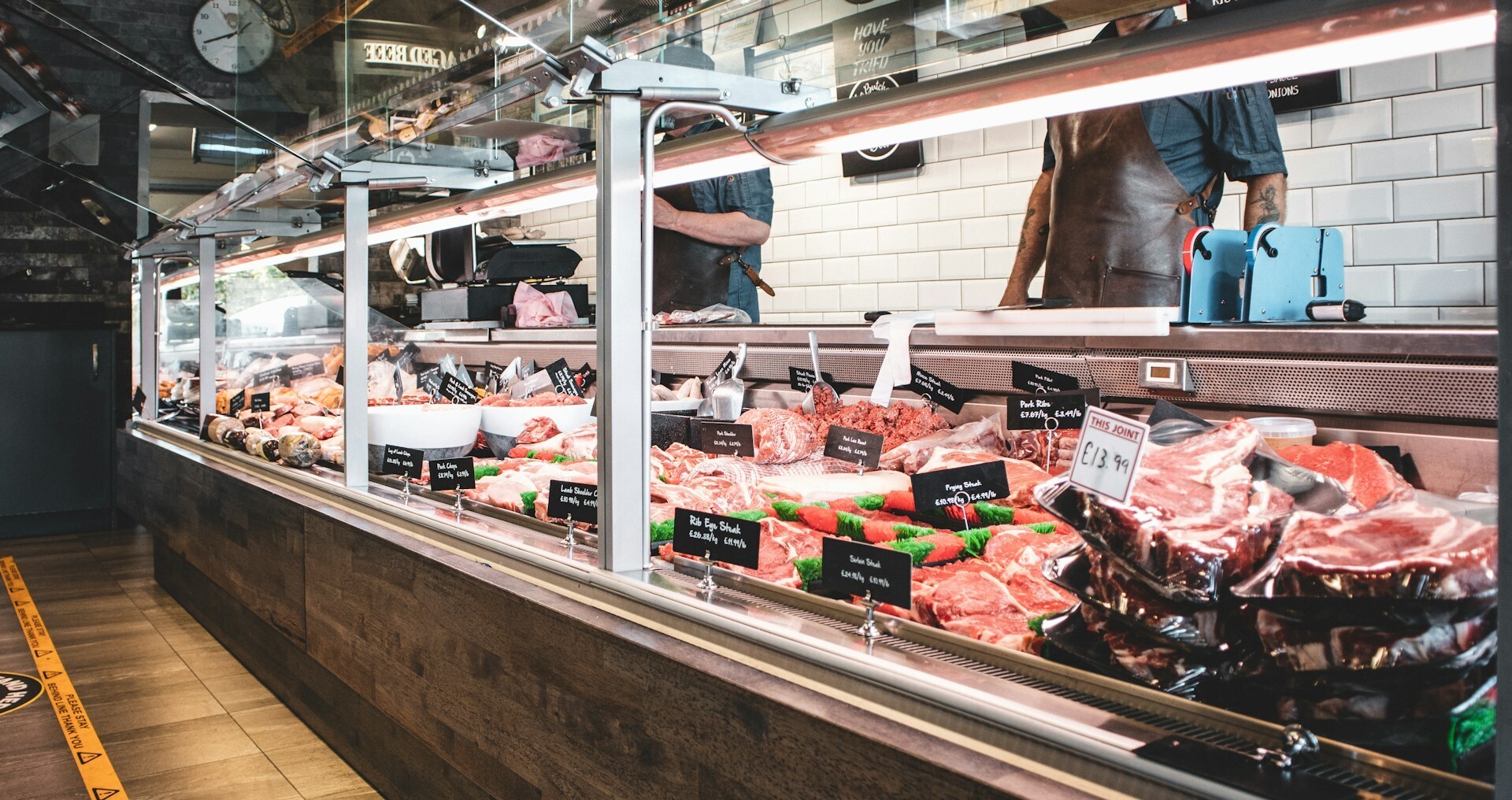
Key Insights and Essential Takeaways
- Digital Transformation: Leverage online presence and social media for engaging visuals and dynamic content.
- Community Engagement: Forge strong local connections through events, tastings, and collaborative partnerships.
- Customer-Centric Promotions: Use loyalty programs, discounts, and unique product offerings to drive repeat business.
Overview of Marketing Strategies
Marketing strategies for meat vendors integrate both traditional and digital methods to differentiate a meat shop in today’s competitive market. As consumers increasingly expect quality, transparency, and innovation, meat vendors must adapt by creating memorable experiences and forging authentic connections with their customers. This discussion synthesizes industry best practices and research-backed practices aimed at small to medium-sized meat businesses.
Digital Marketing Strategies
Creating a Robust Online Presence
In the digital age, a strong online presence forms the backbone of any modern marketing strategy. For meat vendors, this includes designing a visually appealing website and maintaining active social media profiles on platforms like Instagram, Facebook, and Twitter. High-quality photos of meat products, behind-the-scenes production processes, customer testimonials, and creative content such as cooking recipes can attract diverse audiences. Digital marketing tools such as email newsletters, search engine optimization (SEO), and pay-per-click advertising further help to widen reach and enhance engagement.
Website and Social Media
A dedicated website should feature clear descriptions of products, pricing, and unique selling propositions (USPs) such as ethical sourcing or specialty cuts. Social media posts should emphasize high-quality photography, short cooking videos, and customer engagement to build a community around the brand.
Online Tools and Techniques
Utilizing targeted email campaigns, digital advertising such as Instagram ads, and regular updates on product availability are effective methods to maintain customer interest. Vendors can also incorporate customer feedback forms and interactive quizzes to personalize the customer experience.
Traditional Marketing Approaches
Enhancing In-Store Experiences
Despite the rise of digital channels, traditional marketing remains crucial for meat vendors. An inviting and professionally arranged storefront can draw initial interest. Attractive displays that highlight the cleanliness, quality, and variety available in the store create an immediate positive impression.
In-Store Promotions
In-store promotions such as special discount days, product bundles, and seasonal offers can drive foot traffic to physical locations. Events like cooking demonstrations and meat tastings are a way to provide hands-on experiences, enabling customers to sample products, ask questions, and learn about unique cuts. This also allows vendors to directly convey their brand story.
Community-Centric Events
Hosting community events or participating in local farmers' markets and food festivals are effective methods to build customer loyalty. Collaboration with local chefs or restaurant owners for joint events or product showcases can further elevate brand visibility.
Promotional Strategies and Incentives
Use of Discounts, Bundles, and Loyalty Programs
Offering unique promotions is vital in creating repeat business and enhancing customer satisfaction. Meat vendors can adopt discount strategies such as buy-one-get-one-free offers, bundled deals where customers can purchase multiple products at a reduced rate, and special promotions during holidays or community events.
Loyalty Programs and Subscription Services
Loyalty programs reward repeat customers with discounts, exclusive offers, or early access to new products. Subscription boxes or meat clubs can provide customers with curated selections of products on a regular cadence, simplifying the buying process and boosting recurring revenue.
Seasonal and Themed Campaigns
Crafting campaigns around key food seasons—such as summer barbecues or holiday feasts—creates natural opportunities for promotions. These strategies help generate urgency and festive excitement, encouraging customers to try specialty items.
Product Differentiation and Quality Assurance
Showcasing Quality, Variety, and Specialty Products
Meat vendors can carve out a niche by emphasizing the quality, variety, and uniqueness of their products. Whether through organic offerings, gourmet selections, or ethically sourced meats, differentiation is key. Clear labeling that highlights product origins, cut-specific details, and cooking recommendations can guide consumers in making informed decisions.
High-Quality Visuals and Storytelling
Using visually rich content to tell the story of the business, including traditional methods, family recipes, and the care put into sourcing products, builds emotional connections with consumers. This transparent approach promotes trust and ensures repeat patronage.
Sustainability and Ethical Practices
Today’s conscious consumers are increasingly drawn to brands that demonstrate sustainability. Meat vendors can spotlight their ethical sourcing practices, animal welfare standards, and commitment to environmentally friendly methods by featuring behind-the-scenes videos or detailed blog posts on their websites.
Innovative and Niche Marketing Initiatives
Leveraging Technology and Trendsetting Ideas
To stand out in a saturated market, meat vendors need to innovate continually. Integrating technology into traditional practices can make a significant difference. Vendors can explore online ordering, curbside pickup, and even digital payment systems to streamline the customer experience.
Interactive Digital Experiences
Virtual cooking classes, live-streamed product demonstrations, and interactive Q&A sessions allow customers to actively engage with the brand rather than just passively absorbing information. Collaborative projects with local chefs or influencers can further broaden the reach of these interactive experiences.
Subscription and Membership Models
Subscription models can be especially effective in today’s market, offering consumers a regular supply of curated meat selections. This not only ensures a steady revenue stream but also creates a bond with customers who appreciate the convenience and reliability of subscribing.
Innovative Promotions
Implementing limited-time offers, flash sales, and exclusive online promotions encourages customers to act quickly. Using data analytics, vendors can also tailor these promotions to specific customer segments based on purchasing history, thereby increasing conversion rates.
Integrative Strategy Table
| Strategy Category | Key Tactics | Benefits |
|---|---|---|
| Digital Marketing |
|
|
| Traditional Marketing |
|
|
| Promotions & Incentives |
|
|
| Product Differentiation |
|
|
| Innovative Initiatives |
|
|
Effective Community Engagement
Building Local Partnerships and Events
Building strong relationships within the community is a cornerstone of successful marketing for meat vendors. Local partnerships, whether with chefs, restaurants, or farmers' markets, strengthen the brand’s local image and provide real opportunities for cross-promotional activities. For instance, regular meat tastings or cooking demonstrations can introduce new customers to a vendor’s offerings while also creating a platform for customers to interact with knowledgeable staff and local culinary influencers.
Joint Promotions with Local Businesses
Collaborating with local businesses allows vendors to tap into the established customer bases of trusted partners. Joint events or co-branded recipes help enhance visibility and build a network of community supporters. Additionally, sponsoring local community activities or sports events can further raise the profile of a vendor’s commitment to local development.
Feedback and Customer Interaction
Constant customer feedback is invaluable. Hosting Q&A sessions during events, setting up suggestion boxes in-store, or even running periodic surveys online ensure that vendors remain tuned to the evolving tastes and preferences of their audience. This ongoing dialogue not only improves product offerings but reinforces the customer’s role as an integral part of the business story.
Sustainable and Ethical Marketing Practices
Highlighting Transparency and Quality
With a growing number of consumers seeking ethically produced and sustainably sourced products, meat vendors are well-advised to prominently feature their responsible practices as part of their marketing narrative. Techniques like sharing details about supplier relationships, animal welfare practices, and environmental stewardship initiatives foster trust and create a unique selling proposition. Detailed narratives not only educate the customer but also differentiate the vendor from competitors who may not be as transparent.
Transparency in Sourcing and Production
Consumers appreciate knowing the origin of their food. Providing detailed descriptions or even visual tours of the sourcing and production process builds credibility. Using blog posts or video content, vendors can demonstrate the care and quality control that go into every product.
Emphasizing Health and Quality Benefits
By highlighting aspects such as hormone-free, organic, or grass-fed options, meat vendors can attract health-conscious customers. Detailed product information should include nutritional benefits as well as preparation tips, which contributes to a holistic customer experience.
Technology Integration and Data-Driven Approaches
Utilizing Analytics and Customer Data
The integration of digital technology into marketing strategies allows meat vendors to better understand and serve their audiences. From analyzing website traffic to tracking social media engagement and sales conversions, data-driven approaches can refine marketing tactics. Utilizing customer data to tailor communications, offers, and inventory decisions ensures that the products resonate with consumer preferences.
Data Analytics Tools
Modern marketing platforms provide insights into customer behavior by tracking demographic information, seasonal trends, and purchasing patterns. This ensures that marketing campaigns are both timely and relevant. Custom dashboards and analytics tools assist vendors in monitoring campaign performance and adjusting strategies in real time.
Personalized Marketing Campaigns
Personalized email marketing campaigns that address customers by name, recommend products based on past purchases, and inform them about upcoming events or promotions can significantly boost engagement. This type of tailored communication enhances customer satisfaction and encourages long-term loyalty.
Integrating the Offline and Online Worlds
Creating a Seamless Customer Experience
A coherent blend of offline and online marketing strategies gives meat vendors a competitive advantage. While digital efforts capture the attention of a broader audience, traditional methods solidify local loyalty. Integrating both strategies creates a seamless customer journey—from discovering products via social media to in-store engagements and after-sale service.
Unified Brand Messaging
The key to a successful marketing strategy lies in maintaining a consistent brand message across all points of contact. All communications, whether online posts, in-store signage, or printed promotional material, should echo the brand's commitments to quality, sustainability, and personalized customer service.
Omnichannel Promotions
By synchronizing promotions across digital platforms and physical locations, meat vendors can create a holistic marketing strategy. For example, announcements of exclusive online discounts and in-store tasting events can be coordinated in a manner that reinforces the overall campaign theme, ensuring a more integrated customer experience.
References
- Essential Marketing Strategies for Meat Shops - Desygner
- Strategies for a Profitable Meat Shop Business - Osum Blog
- 7 Effective Butcher Shop Marketing Ideas to Boost Sales - Foraged
- Meat and Poultry Marketing Strategies for 2025 - Hangar-12
- The Best Way to Advertise a Small Meat Market - Chron
Recommended Related Queries
Last updated March 12, 2025