
Review of Related Literature and Studies
An In-depth Exploration of Challenges and Strategies at Beyond the Meat Counter in Pili Public Market
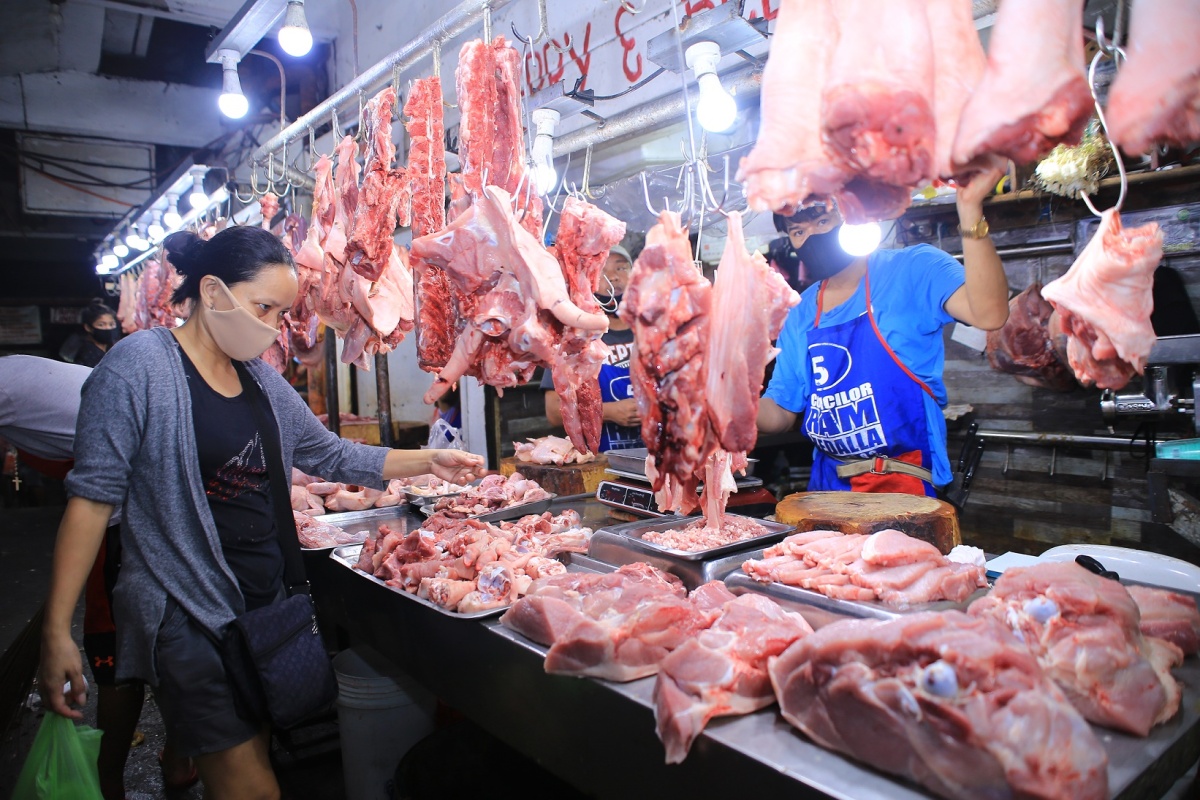
Key Highlights
- Market Dynamics and Operational Challenges – Understanding the economic, regulatory, and logistic factors affecting meat vendors in public markets.
- Consumer Preferences and Socio-Cultural Influences – Evaluating shifts in consumer behavior and local cultural factors that shape market strategies.
- Diverse Strategies for Resilience – Exploring innovative approaches, diversification, and community engagement as key success factors.
Introduction
The review of related literature (RRL) and related studies (RRS) concerning "Beyond the Meat Counter: The Challenges and Strategies of Meat Vendors in Pili Public Market" provides a comprehensive framework from which to understand both the difficulties and the innovative responses of vendors operating in traditional market settings. The literature examines not only the operational and economic challenges faced by traditional meat vendors but also includes comparisons to plant-based alternatives exemplified by companies such as Beyond Meat. Integrating insights from various sources, this review emphasizes the central role of market dynamics, consumer preferences, operational constraints, and strategic adaptations in ensuring the long-term sustainability of vendors working in an increasingly competitive and evolving marketplace.
Market Dynamics and Operational Challenges
Understanding the Industry Environment
In public markets such as Pili Public Market, meat vendors operate in a rapidly changing environment influenced by multiple factors. Market dynamics are shaped by supply chain uncertainties, pricing pressures, and competition from both local retailers and emerging food alternatives. These vendors face logistical challenges that include inconsistent supply chains, inadequate storage and handling facilities, labor shortages, and strict regulatory requirements. The impact of these factors on traditional meat vendors is significant, often leading to disruptions in operations and a need for continual adaptation.
Supply Chain and Infrastructure Challenges
Vendors in public markets must work with limited resources and often face challenges stemming from unreliable supply chains. The perishable nature of meat necessitates timely deliveries, efficient storage facilities, and robust logistic solutions. Many vendors struggle with insufficient cold chain storage and the critical need for rapid distribution channels, leading to increased waste and reduced profitability. Additionally, labor shortages within meat processing can slow down operations, compounding these difficulties.
Regulation and Quality Control
Health and safety regulations play a crucial role in the meat market. Vendors are required to follow strict hygiene and safety standards, with regulatory compliance being both complex and costly. Ensuring consistent adherence to these standards is an ongoing challenge, particularly for smaller operators who may not have the technical or financial capacity to invest in modern equipment or training. The regulatory landscape acts as a double-edged sword: while it ensures consumer safety, it can also raise barriers to entry and impose additional operational burdens.
Comparative Insight: Traditional vs. Plant-Based Markets
It is also insightful to compare the challenges of traditional meat vendors with those operating in the plant-based segment represented by Beyond Meat. While Beyond Meat faces its own set of obstacles—such as market skepticism, maintaining product authenticity, and managing cost structures—it operates under a fundamentally different paradigm focused on delivering animal-free products. In contrast, traditional meat vendors must balance the demands of maintaining freshness and meeting consumer expectations for conventional meat, working with less scalable resources.
Consumer Preferences and Socio-Cultural Context
Evolving Consumer Demands
Consumer behavior in the context of meat consumption is undergoing notable transformation. A segment of the population shows a consistent preference for traditional meat products due to taste, cultural significance, and long-standing culinary traditions. However, the growing awareness of health and environmental concerns has also driven increased interest in plant-based alternatives as offered by companies such as Beyond Meat. For vendors in a public market setting, this dichotomy in consumer choice requires a keen understanding of their customer base.
Traditional vs. Alternative Focus
Traditional meat vendors often rely on personalized service, community trust, and localized marketing. Their business models are built around established consumer habits that value quality, freshness, and the familiar taste of conventional meat. On the other hand, plant-based meat alternatives—while quickly gaining market share—must contend with convincing skeptics of their nutritional value and sensory appeal. Such consumers are often driven by broader lifestyle considerations, including health consciousness and environmental responsibility.
Socio-Cultural Influences
In communities like those served by Pili Public Market, cultural practices and social norms play a defining role in consumer shopping behavior. Meat vendors benefit from these cultural and social ties that reinforce trust and loyalty. Long-standing relationships between vendors and customers, often forged over years of reliable service, create a resilient market niche that even modern challenges—such as the introduction of innovative plant-based products—struggle to disrupt.
Strategies for Resilience and Adaptation
Innovative Business Tactics
In the face of operational challenges and shifting consumer preferences, meat vendors in Pili Public Market have developed various strategies to secure their competitive edge. The literature highlights several key areas in which vendors are actively adapting. These include diversifying product offerings, revising pricing strategies, engaging with the local community, and employing modern technological solutions to optimize business processes.
Product Diversification and Innovation
To counteract supply chain inconsistencies and minimize the risks associated with perishable inventory, vendors are expanding their product lines beyond conventional cuts of meat. This strategy not only caters to a broader range of consumer tastes but also mitigates the negative impacts of market volatility. Several vendors are experimenting with value-added products such as pre-seasoned or ready-to-cook items, which are aimed at attracting customers looking for convenience without sacrificing traditional flavors.
Flexible Pricing Models
Given the challenges of fluctuating meat prices and operational inefficiencies, flexible pricing strategies have become critical. Vendors employ various tactics including cost-plus pricing, promotional discounts, and dynamic pricing adjustments in response to market trends. For example, during times of supply chain disruption, temporary price adjustments can help balance costs with consumer expectations, ensuring continued patronage even during periods of economic stress.
Community Engagement and Customer Relationship Building
Emotional and social connections remain a cornerstone of success in traditional market environments. Meat vendors in Pili Public Market often leverage their deep-rooted community relationships by implementing loyalty programs, hosting local events, and actively participating in neighborhood activities. This community-centric approach not only boosts customer retention but also helps vendors gather real-time feedback to fine-tune their offerings.
Adoption of Digital Technologies
In response to the rapid digital transformation of commerce, some vendors are experimenting with technology-driven solutions. The incorporation of mobile payments, social media marketing, and online order platforms offers an opportunity to broaden customer reach and streamline the ordering process. Although implementation varies across vendors due to resource constraints, these steps represent a significant move towards modernization in traditionally conservative settings.
Comparison of Strategic Responses: Traditional Vendors vs. Beyond Meat
A comparative analysis reveals distinct strategies between traditional meat vendors and companies like Beyond Meat. While Beyond Meat leverages its brand identity as a pioneer in plant-based innovation, traditional vendors depend on community trust, real-time customer feedback, and long-established local relationships to navigate market challenges.
| Aspect | Traditional Meat Vendors | Beyond Meat |
|---|---|---|
| Supply Chain | Challenges in cold chain storage and timely distribution. | Highly controlled processes with advanced logistics, yet subject to global supply shocks. |
| Regulatory Compliance | Face stringent local health and safety regulations with limited resources. | Undergo detailed scrutiny and regulatory oversight specific to plant-based product standards. |
| Consumer Base | Rely on long-standing community relationships and traditional consumer habits. | Target health-conscious and environmentally aware consumers open to innovation. |
| Pricing Strategy | Employ flexible pricing adjustments and promotional discounts to stabilize sales. | Struggle with achieving price parity with conventional meat, employing various cost reduction tactics. |
| Marketing Approaches | Leverage personal engagement, loyalty programs, and community events. | Invest heavily in brand identity, innovative marketing campaigns, and product diversification. |
Research Questions and Focus Areas for Future Studies
Framing the Right Questions
A systematic review of the challenges and strategies at Beyond the Meat Counter should be guided by specific research questions. These questions are intended to drill down into the nuanced issues faced by meat vendors in Pili Public Market, while also drawing relevant comparisons with market players in the plant-based sector. Key research questions include:
1. What Are the Predominant Operational Challenges Faced by Meat Vendors?
Future studies should delve into issues such as supply chain disruptions, logistics, cost management, and compliance with health regulations. These dimensions are crucial for understanding the operational hurdles that affect daily transactions and long-term viability.
2. How Do Consumer Preferences Impact Vendor Strategies?
Research should focus on the interplay between traditional meat consumption habits and the rising popularity of plant-based alternatives. Analyzing consumer demographics, purchasing power, and cultural influences will shed light on how vendors adjust their product lines and marketing approaches.
3. What Role Does Community Engagement Play in Sustaining Vendor Business Models?
A significant aspect of the resilience of traditional vendors is their deep-rooted connection to the local community. Investigating how interpersonal relationships, loyalty programs, and localized marketing strategies contribute to sustainable business operations is of considerable interest.
4. In What Ways Are Traditional Vendors Leveraging Technology to Enhance Business Performance?
With the advent of digital technologies, it is imperative to examine how traditional meat vendors are adopting digital payment systems, social media, and e-commerce platforms. These technological adoptions are helping vendors maintain competitive parity with larger retail chains, despite limited resources.
5. How Can a Comparative Study of Traditional and Plant-Based Strategies Inform Broader Industry Practices?
There is considerable merit in comparing the strategies employed by traditional meat vendors with those of companies like Beyond Meat. Such comparative studies can provide actionable insights into adaptive practices, innovation in product offerings, and market segmentation strategies.
Emerging Trends and Future Directions
Anticipating Future Market Developments
As the meat industry evolves, traditional vendors and large plant-based companies alike will continue to innovate. Research indicates that evolving consumer preferences, the integration of digital technology, and adaptive supply chain management will likely be pivotal in determining which market segments thrive.
Insights from recent studies suggest that vendors with a robust blend of traditional community engagement and modern technological infrastructure are better poised to resist market downturns. The literature emphasizes that the future success of meat vendors in Pili Public Market will depend largely on their ability to diversify product offerings, remain agile in pricing strategies, and harness local cultural values to differentiate their brands. By adopting these tactical approaches, vendors can create resilient business models that both protect their traditional market niche and adapt to global shifts in food consumption patterns.
In addition, emerging trends in sustainable practice, such as the incorporation of eco-friendly packaging and energy-efficient refrigeration systems, are beginning to play a significant role. Integrating environmental considerations can also help build brand trust among increasingly eco-conscious consumers.
References
- Review of Related Literature - PhilScholar
- Plant-Based Meat Market Research Report - GlobeNewswire
- Beyond Meat Cuts Costs - Vegconomist
- Beyond Meat Market Challenges - Supermarket Perimeter
- Research on Beyond Meat’s Profitability - ResearchGate
Recommended Queries
Last updated March 10, 2025