
Navigating Melatonin Dosage: Understanding Safe Limits and Side Effects
Exploring the Recommended Maximum Dosage and Potential Risks of Melatonin Supplements
Melatonin is a hormone naturally produced by the body that plays a crucial role in regulating sleep-wake cycles. Synthetic melatonin supplements are widely available over-the-counter and are commonly used to address various sleep issues, including insomnia, jet lag, and shift work disorder. While generally considered safe for short-term use, understanding appropriate dosages and potential risks is essential for safe and effective use.
Key Takeaways on Melatonin Dosage
- No Official Maximum Dose: There is no universally agreed-upon official maximum dosage for melatonin established by regulatory bodies like the FDA, primarily because it is classified as a dietary supplement in the United States rather than a drug.
- General Recommendations Vary: Recommended dosages for adults typically range from 0.5 mg to 10 mg, with many experts suggesting starting with a low dose (1 mg to 2 mg) and gradually increasing if needed. Doses exceeding 10 mg are generally not recommended and may increase the risk of side effects.
- Potential for Side Effects and Overdose: While a fatal overdose is extremely rare, taking excessive amounts of melatonin can lead to unwanted side effects such as excessive sleepiness, headaches, dizziness, nausea, irritability, and in some cases, disruption of natural sleep patterns.
Understanding Melatonin and Its Function
Endogenous melatonin is primarily synthesized and secreted by the pineal gland in the brain. Its release is influenced by light, with levels naturally rising in the evening to signal the body that it's time to sleep and decreasing in the morning to promote wakefulness. This natural rhythm helps regulate the body's internal clock, known as the circadian rhythm.
Exogenously supplied melatonin, in the form of supplements, mimics the actions of this natural hormone. By increasing melatonin levels in the body, these supplements can help to promote sleepiness and adjust the timing of the sleep-wake cycle. This is particularly useful for individuals whose natural melatonin production is disrupted or for those experiencing temporary sleep disturbances due to travel or shift work.
Melatonin interacts with specific receptors in the brain, primarily MT1 and MT2 receptors, which are involved in regulating circadian rhythms and promoting sleep. The effectiveness of melatonin can vary depending on the individual, the specific sleep issue being addressed, and the dosage taken.
Recommended Dosages for Adults
While there is no single official maximum dose, various sources provide guidance on typical and generally accepted dosages for adults. Most recommendations for adults range between 1 mg and 10 mg. Starting with a low dose, such as 1 mg to 2 mg, is often advised to assess individual response and minimize the risk of side effects. If a lower dose is not effective, the dosage may be gradually increased, but exceeding 10 mg at a time is generally discouraged.

Some sources suggest that doses higher than 5 mg may not offer additional benefits for sleep onset and may increase the likelihood of adverse effects. It's important to note that individual responses to melatonin can vary significantly.
Dosage Considerations for Specific Uses
The optimal melatonin dosage can also depend on the specific reason for taking it:
Insomnia
For short-term insomnia, doses ranging from 0.5 mg to 5 mg are commonly used. Some healthcare providers may recommend higher doses in certain cases, but this should be done under medical supervision.
Jet Lag
Lower doses, typically ranging from 0.5 mg to 3 mg, are often effective for adjusting to new time zones. The timing of the dose relative to the destination's bedtime is crucial for effectiveness.
Shift Work Disorder
Individuals working night shifts may use melatonin to help them sleep during the day. Dosages and timing should be carefully considered and may require consultation with a healthcare professional.
Melatonin Use in Children and Adolescents
The use of melatonin in children and adolescents is a topic of increasing discussion and concern. While melatonin can be used in pediatric populations for certain sleep disorders, often under the guidance of a specialist, there are no standardized dosing guidelines, and the long-term effects are not fully understood. Recommended dosages for children are generally much lower than for adults, typically under 3 mg daily.

Recent reports have highlighted a significant increase in unintentional melatonin ingestion and associated emergency room visits in children. This underscores the importance of keeping melatonin supplements out of the reach of children and using them in pediatric populations only under the strict guidance of a healthcare provider.
A study evaluating prescribed melatonin doses in children and adolescents found that dosages were not consistently informed by body weight or age, leading to variability in dose per kilogram across different groups. This further emphasizes the need for careful consideration and professional guidance when using melatonin in younger individuals.
Potential Side Effects and Overdose Symptoms
While melatonin is generally considered safe, taking too much can lead to various side effects. A melatonin overdose, while rarely life-threatening, can cause unpleasant symptoms. The severity of side effects can vary depending on the dosage taken and individual sensitivity.
Common Side Effects of Higher Doses
Taking doses higher than the recommended range can increase the likelihood and severity of side effects, including:
- Excessive sleepiness or drowsiness that can linger into the next day
- Headaches
- Dizziness
- Nausea
- Stomach cramps
- Diarrhea or constipation
- Irritability or mood changes
- Vivid dreams or nightmares
Signs of Potential Melatonin Overdose
In cases of significant overdose, more pronounced symptoms may occur. While there is no established lethal dose for melatonin, ingesting very large amounts, such as hundreds of milligrams, has been reported in attempted suicide cases. Symptoms observed in such cases have included:
- Profound lethargy
- Hypotension (low blood pressure)
- Tachycardia (rapid heart rate)
- Hypothermia (low body temperature)
- Disorientation or confusion
- Vomiting
- Trouble breathing (though less common)
If you suspect a melatonin overdose, especially in a child, it is crucial to seek immediate medical attention or contact a poison control center.
Factors Influencing Melatonin Dosage and Safety
Several factors can influence the appropriate dosage of melatonin and the potential for side effects:
-
Individual Sensitivity: People respond differently to melatonin. Some individuals may be more sensitive to its effects and experience drowsiness even at low doses.
-
Age: As mentioned, children and adolescents generally require lower doses than adults.
-
Body Weight: While not the primary factor determining dosage, body weight can play a role, especially in pediatric dosing.
-
Medications and Health Conditions: Melatonin can interact with certain medications, including blood thinners, and may not be suitable for individuals with certain health conditions, such as those affecting the cardiovascular or central nervous systems. It is essential to consult a healthcare provider before taking melatonin if you have underlying health issues or are taking other medications.
-
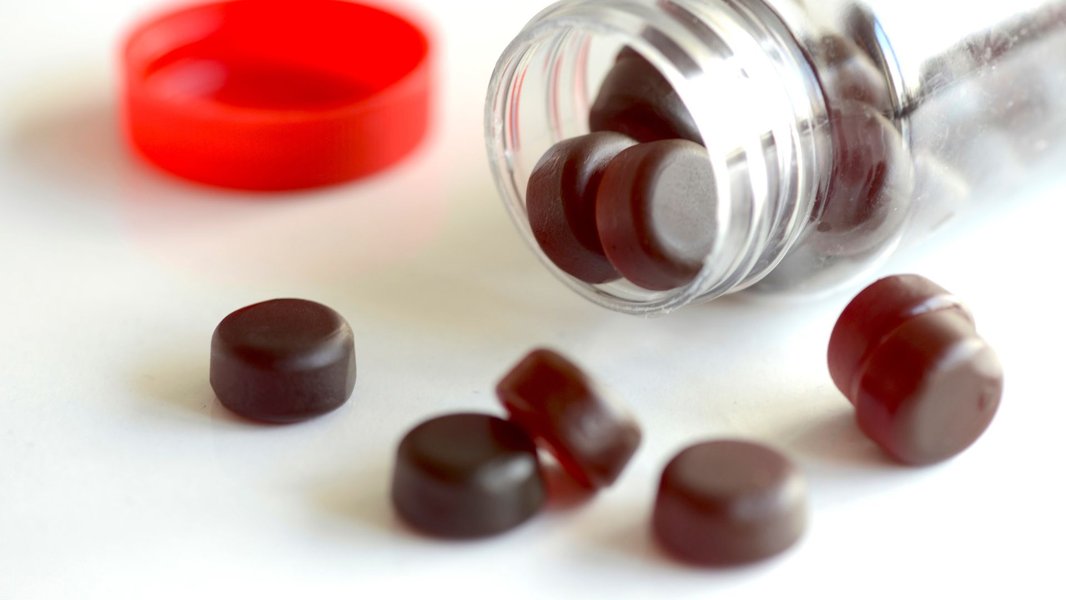
Product Variability: As melatonin is regulated as a dietary supplement in the U.S., there can be variability in the actual amount of melatonin contained in products compared to what is listed on the label. This is particularly a concern with gummy formulations.
Finding the Right Melatonin Dosage
Finding the most effective and safest melatonin dosage often involves a trial-and-error process, ideally under the guidance of a healthcare professional. Starting with the lowest available dose (e.g., 1 mg) and gradually increasing it over time, if needed, can help determine the optimal amount for your individual needs without increasing the risk of side effects. It's important to remember that taking more melatonin does not necessarily lead to better sleep and can be counterproductive by disrupting natural sleep patterns.
This video discusses the importance of finding the right melatonin dosage for enhancing sleep quality, exploring research and debunking common myths.
If you are consistently struggling with sleep, it is advisable to consult a healthcare provider to identify the underlying cause of your sleep issues and discuss appropriate treatment options, which may or may not include melatonin.
Summary of Melatonin Dosages
The following table summarizes typical melatonin dosage ranges based on different sources:
| Population | Typical Dosage Range | Notes |
|---|---|---|
| Adults | 0.5 mg - 10 mg | Start low (1-2 mg) and increase as needed. Doses > 10 mg generally not recommended. |
| Children and Adolescents | Typically under 3 mg | Use under medical supervision; dosages should be carefully considered. |
It is important to reiterate that these are general guidelines, and individual needs and responses may vary.
Frequently Asked Questions About Melatonin Dosage
Can you die from a melatonin overdose?
While taking excessive amounts of melatonin can cause significant side effects, a fatal overdose is extremely rare and has not been widely reported in medical literature.
What happens if I take too much melatonin?
Taking too much melatonin can lead to side effects such as excessive drowsiness, headaches, dizziness, nausea, irritability, and potentially disrupt your natural sleep-wake cycle, making it harder to sleep in the long run.
Is 20 mg of melatonin too much?
Yes, a dosage of 20 mg of melatonin is generally considered too high and is not recommended. This level of dosage increases the risk of experiencing significant side effects.
What is the maximum recommended dose of melatonin for adults?
While there's no official maximum, experts generally recommend that adults take no more than 10 mg of melatonin at a time. Many find lower doses (1-5 mg) to be effective.
Is a higher dose of melatonin more effective?
Not necessarily. Studies and expert opinions suggest that higher doses of melatonin (above 5 mg) may not be more effective for promoting sleep and can lead to more side effects.
How much melatonin is safe for a child?
Recommended dosages for children are typically much lower than for adults, generally under 3 mg daily. Melatonin should only be given to children under the guidance of a healthcare professional.
References
Last updated May 4, 2025