
Understanding Mental Health Challenges in the Modern Era
A Comprehensive Analysis of Growing Mental Health Concerns
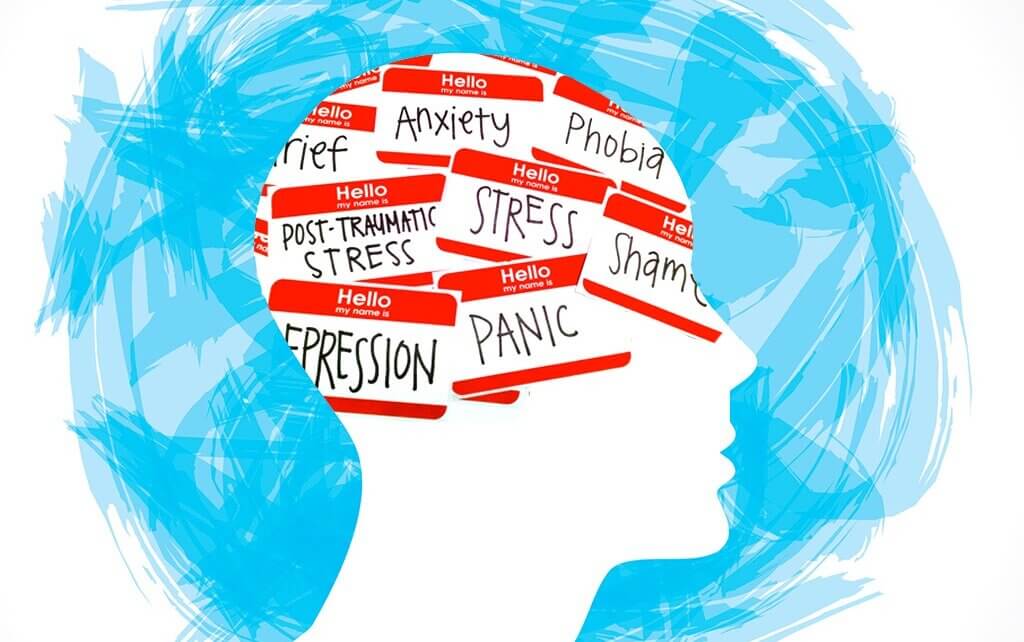
Key Takeaways
- Rising Prevalence: Mental health disorders are increasing globally, affecting diverse populations.
- Complex Causes: Factors such as socioeconomic stressors, digital environments, and genetic predispositions contribute to mental health issues.
- Access and Stigma: Limited access to mental healthcare and persistent stigma hinder effective management and treatment.
Introduction to Mental Health Challenges
Mental health has emerged as a critical component of overall well-being, influencing how individuals think, feel, and behave in their daily lives. In recent years, the global community has observed a significant escalation in mental health disorders, making it a pressing public health concern. This comprehensive analysis delves into the growing burden of mental health disorders, focusing on anxiety, depression, substance abuse, and the challenges related to accessing mental healthcare. By exploring narrative insights, comparing historical and contemporary perspectives, and examining cause-and-effect relationships, this essay aims to provide a nuanced understanding of the complexities surrounding mental health today.
The Rising Prevalence of Mental Health Disorders
Narrative Insights into Mental Health Struggles
Consider the story of Maria, a young professional who, driven by career aspirations and societal expectations, began experiencing severe anxiety during her early twenties. Her anxiety, initially manageable, gradually intensified, leading to bouts of depression and substance abuse as coping mechanisms. Maria's journey is a poignant representation of the countless individuals grappling with mental health challenges in a high-pressure, fast-paced world. Her experiences underscore the pervasive nature of these disorders and highlight the personal toll they take on individuals and their families.
Comparing Past and Present Mental Health Landscapes
Historical Perspective
Historically, mental health issues were shrouded in stigma and misunderstanding. Individuals suffering from disorders like anxiety and depression often concealed their struggles, fearing societal rejection and professional repercussions. Mental health care was limited, and many relied on inadequate or ineffective treatments. The lack of awareness and resources meant that mental health problems were frequently untreated, leading to worsening conditions over time.
Contemporary Perspective
In contrast, the present era has seen significant strides in mental health awareness and the destigmatization of seeking help. Increased dialogue around mental health, driven by media, educational institutions, and advocacy groups, has encouraged more individuals to acknowledge and address their mental health needs. However, this increased awareness has also revealed a surge in mental health disorders, influenced by modern life's unique stressors such as technological advancements, economic pressures, and global uncertainties.
Table: Prevalence of Mental Health Disorders by Demographics
| Demographic Group | Anxiety Disorders (%) | Depression (%) | Substance Abuse (%) | Access to Mental Healthcare (%) |
|---|---|---|---|---|
| Adolescents (13-18) | 30 | 25 | 15 | 40 |
| Young Adults (19-25) | 28 | 22 | 18 | 35 |
| Adults (26-45) | 25 | 20 | 20 | 30 |
| Older Adults (46-65) | 20 | 18 | 12 | 25 |
| Senior Citizens (66+) | 15 | 17 | 10 | 20 |
Cause and Effect in Mental Health Disorders
Socioeconomic Stressors
Economic instability, unemployment, and social inequality are significant contributors to mental health challenges. Financial stress can lead to chronic anxiety and depression, as individuals struggle to meet basic needs or maintain their socioeconomic status. The pressure to succeed in a competitive job market further exacerbates these conditions, creating a cycle where financial and mental health issues feed into each other.
Digital Environments and Social Media
The pervasive influence of digital technology and social media has introduced both opportunities and stressors. Constant connectivity can lead to information overload, reduced face-to-face interactions, and heightened feelings of inadequacy as individuals compare their lives to curated online personas. This digital landscape can intensify feelings of isolation and contribute to the development of anxiety and depression.
Genetic and Biological Factors
Genetic predispositions and neurobiological factors also play a crucial role in the emergence of mental health disorders. Individuals with a family history of mental illness may be more susceptible to developing conditions like depression and anxiety. Additionally, chronic stress can alter brain chemistry, leading to long-term psychological vulnerabilities.
Substance Abuse as a Coping Mechanism
Substance abuse often arises as a misguided attempt to self-medicate underlying mental health issues. The use of alcohol, drugs, or other substances can provide temporary relief from emotional pain but ultimately leads to dependence and exacerbates mental health problems. This destructive cycle not only affects the individual but also places a burden on families and healthcare systems.
Access to Mental Healthcare
Barriers to Effective Treatment
Despite advancements in mental health awareness, access to effective mental healthcare remains a significant barrier for many individuals. Factors such as inadequate mental health infrastructure, insufficient funding, and a shortage of trained mental health professionals contribute to the limited availability of services. Additionally, geographical disparities mean that individuals in rural or underserved areas often lack access to necessary care.
Impact of Stigma on Seeking Help
Stigma surrounding mental health continues to deter individuals from seeking help. Societal perceptions that view mental illness as a personal weakness or a source of shame discourage open discussions and prevent timely intervention. This stigma not only hampers individuals' willingness to seek treatment but also perpetuates misconceptions about mental health disorders.
Strategies to Improve Access
Investment in Mental Health Services
Increasing investment in mental health services is essential to address the growing demand. This includes funding for research, expanding mental health facilities, and training more mental health professionals. Enhanced funding can lead to the development of comprehensive care models that provide accessible and affordable treatment options.
Community-Based Initiatives
Community-based initiatives play a critical role in bridging the gap between individuals and mental health services. Programs that integrate mental health support within communities can increase accessibility and provide localized care tailored to specific population needs. These initiatives often emphasize prevention, early intervention, and the provision of support networks.
Telehealth and Digital Solutions
The rise of telehealth and digital mental health solutions offers promising avenues to enhance access. Virtual therapy sessions, mental health apps, and online support groups can reach individuals who might otherwise face barriers to in-person care. These technologies can provide flexible and scalable options for managing mental health needs.
The Societal Impact of Mental Health Challenges
Economic Consequences
Mental health disorders have profound economic implications. Untreated mental health issues can lead to decreased productivity, increased absenteeism, and higher healthcare costs. Employers also bear the burden of supporting employees with mental health needs, which can impact overall organizational performance and economic stability.
Social Implications
On a social level, mental health challenges can strain relationships, contribute to social isolation, and reduce individuals' ability to engage fully in community life. The ripple effects of these disorders can extend to families, friends, and broader social networks, fostering environments where support and understanding are crucial yet often lacking.
Public Health Strategies
Addressing the societal impact of mental health challenges requires comprehensive public health strategies. These include public education campaigns to raise awareness, policies that promote mental health parity, and initiatives that foster supportive environments in schools, workplaces, and communities. By prioritizing mental health in public health agendas, societies can work towards mitigating the widespread effects of these disorders.
Conclusion
Mental health challenges, encompassing disorders such as anxiety, depression, and substance abuse, represent a growing burden with far-reaching consequences. The interplay of socioeconomic stressors, digital environments, genetic predispositions, and limited access to mental healthcare creates a complex landscape that demands multifaceted solutions. While strides have been made in increasing awareness and reducing stigma, significant barriers still hinder effective management and treatment of mental health issues. Comprehensive strategies that include investment in mental health services, community-based initiatives, and the integration of digital solutions are essential to addressing these challenges. By fostering supportive environments and prioritizing mental well-being, societies can work towards creating a more resilient and healthy population.
References
Last updated February 11, 2025