
20 Frequently Asked Questions About Mesopotamia
Discover the rich history and enduring legacy of ancient Mesopotamia
Highlights
- Mesopotamia’s Name and Geography: Understanding its location between the Tigris and Euphrates rivers and why it is called the "Cradle of Civilization".
- Cultural and Technological Contributions: From the invention of writing and the wheel to the development of early law codes and monumental architecture.
- Society and Governance: Insights into the hierarchical structure, role of religion, trade, technological advances, and the challenges faced by its empires.
Introduction
Ancient Mesopotamia, known as the "land between rivers," has intrigued historians and scholars for centuries. Emerging as one of the world’s earliest centers of civilization, Mesopotamia is credited with a wide range of achievements that laid the foundation for modern society. This comprehensive guide answers twenty frequently asked questions about Mesopotamia, addressing topics ranging from its etymology and geography to its cultural achievements, social structure, technological innovations, key rulers, and religious practices.
Frequently Asked Questions
1. What does the name "Mesopotamia" mean?
The name Mesopotamia originates from ancient Greek, meaning "the land between rivers." It refers to the region located between the Tigris and Euphrates rivers. This geographic description encapsulates the essence of the land, which played a crucial role in the development of early agriculture and civilization.
2. Where was Mesopotamia located?
Mesopotamia was situated in the eastern Mediterranean region, corresponding predominantly to modern-day Iraq, with parts extending into Iran, Syria, and Turkey. Its geographical location provided it with rich river valleys, which were essential for irrigation and agriculture, making the area highly fertile.
3. Why is Mesopotamia called the "Cradle of Civilization"?
Often referred to as the "Cradle of Civilization," Mesopotamia is credited as one of the first regions where urban society emerged. Its inhabitants invented writing, developed complex governance systems and law codes, and made significant cultural and technological contributions that influenced civilizations across the globe.
4. Which civilizations flourished in Mesopotamia?
Mesopotamia was home to several renowned civilizations, most notably the Sumerians, Akkadians, Babylonians, Assyrians, and later the Persians. Each of these cultures brought unique contributions, ranging from the introduction of writing and monumental architecture to the creation of legal systems and military conquests.
5. What were some of the major cities in Mesopotamia?
The region boasted several prominent cities that served as centers of trade, culture, and administration. Notable cities include Ur, Nippur, Babylon, Nineveh, Uruk, Eridu, and Assur. These cities were not only political centers but also hubs for innovation and cultural exchange.
6. Who were the Sumerians and why are they important?
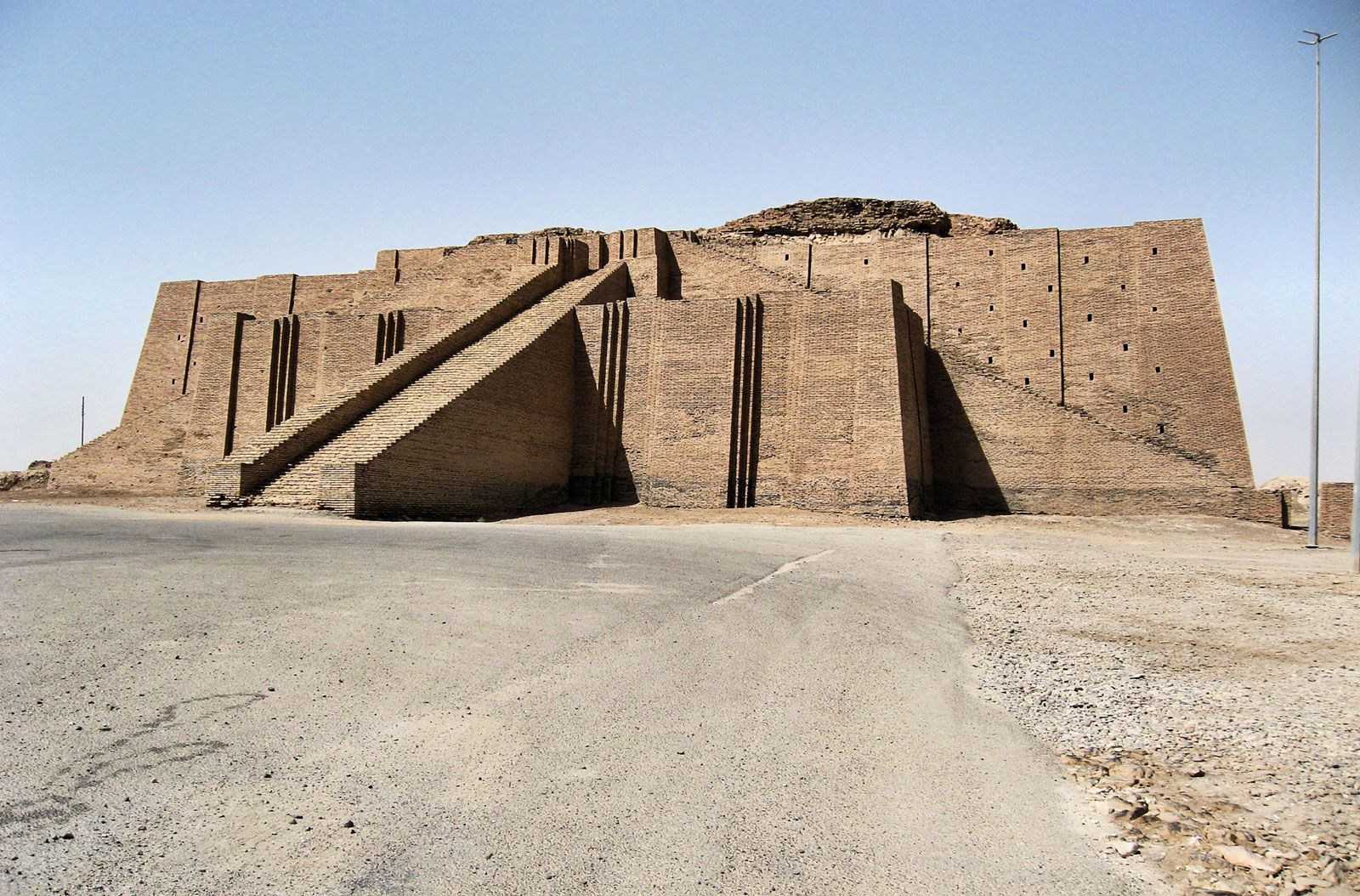
The Sumerians were among the earliest known inhabitants of Mesopotamia, establishing one of the first urban civilizations around 4000 BCE. They are renowned for their development of cuneiform writing, the construction of ziggurats (large temple complexes), and the introduction of systematic irrigation and city planning.
7. What is cuneiform and what role did it play in Mesopotamian society?
Cuneiform is one of the earliest known systems of writing, developed by the Sumerians on clay tablets using a wedge-shaped stylus. This form of writing was used for record-keeping, literature, legal codes, and administrative purposes, allowing complex communication and the transmission of knowledge across generations.
8. What is the significance of the Code of Hammurabi?
The Code of Hammurabi, created by King Hammurabi of Babylon around 1754 BCE, is one of the oldest deciphered law codes in existence. It established legal standards and social order by prescribing specific punishments for various offenses. Its influence is seen in subsequent legal systems throughout history.
9. What were the major technological and agricultural innovations of Mesopotamia?
Mesopotamia was a hub of innovation. The invention of the wheel, the development of plows, and the establishment of advanced irrigation systems are among its key technological contributions. Additionally, the region developed agricultural techniques that maximized crop yields, a necessity given its reliance on the fertile silt deposited by annual floods.
10. How did the geography of Mesopotamia affect its development?
The Tigris and Euphrates rivers were central to the development of Mesopotamia. Their annual flooding deposited nutrient-rich silt on the surrounding land, making it highly suitable for agriculture. However, the same rivers also presented challenges such as unpredictable flooding and the need for sophisticated irrigation systems to control water flow.
11. How was religion integrated into Mesopotamian society?
Religion played a pivotal role in the daily lives of Mesopotamians. The society was polytheistic, worshipping a pantheon of gods who governed various natural and societal forces. Temples and ziggurats were constructed as centers of worship and community gathering, and religious beliefs influenced everything from governance to agricultural practices.
12. What role did trade play in Mesopotamia?
Trade was a cornerstone of Mesopotamian economy and culture. The exchange of goods such as grain, textiles, pottery, and metals fostered both economic prosperity and cultural interactions with neighboring regions. Trade routes facilitated the spread of ideas, technologies, and religious beliefs throughout the ancient world.
13. Who were some of the notable rulers of Mesopotamia?
Mesopotamia’s history is marked by influential rulers who expanded their territories and left lasting legacies. Notable figures include Sargon of Akkad, who unified the region, King Hammurabi of Babylon, known for his law code, and Ashurbanipal of Assyria, famed for his extensive library that housed thousands of clay tablets.
14. What forms of government and social structure existed in Mesopotamia?
Early Mesopotamian societies were typically organized as city-states ruled by kings and supported by a bureaucracy. Over time, these city-states sometimes merged under larger empires. The social hierarchy was distinctly stratified, with rulers and priests at the top, followed by merchants, craftsmen, and farmers, and with slaves occupying the lowest tier.
15. How did Mesopotamians manage and control water resources?
Water management was essential in Mesopotamia due to its reliance on river flooding for agriculture. Mesopotamians engineered complex irrigation systems, including canals, levees, and reservoirs, to harness river water. These feats of engineering not only improved agricultural yield but also set a precedent for large-scale water management projects in later civilizations.
16. What were the major challenges faced by Mesopotamian empires?
Despite its many achievements, Mesopotamia was not without its challenges. The region repeatedly faced environmental issues such as unpredictable flooding and soil salinization. Additionally, political fragmentation, constant conflicts over resources, and invasions by neighboring peoples posed significant hurdles that often led to the rise and fall of various empires.
17. What agricultural products were central to Mesopotamian economy?
The fertile land of Mesopotamia supported the cultivation of several staple crops, most notably barley, wheat, and flax. The development of irrigation systems allowed for intensive farming, essential for supporting large urban populations. These crops not only sustained the local population but also became valuable trade commodities.
18. What evidence do modern historians have for reconstructing Mesopotamian history?
Historians have pieced together the history of Mesopotamia primarily through archaeological discoveries, including thousands of clay tablets inscribed with cuneiform writing. These artifacts, along with monumental architecture such as ziggurats and palace ruins, provide invaluable insights into the social, economic, and cultural fabric of ancient Mesopotamian society.
19. Are there still visible ruins of ancient Mesopotamia today?
Yes, many archaeological sites in modern-day Iraq and neighboring countries reveal the remnants of Mesopotamian civilization. Ruins of cities such as Ur, Babylon, and Nineveh continue to be subjects of archaeological investigation, offering a window into the remarkable engineering, art, and urban planning that characterized this ancient society.
20. What is the legacy of Mesopotamia in modern civilization?
The legacy of Mesopotamia is profound and far-reaching. Its innovations in writing, law, agriculture, and urban development fundamentally shaped the trajectory of human history. Concepts such as city planning, legal codes, and trade practices established in Mesopotamia continue to influence modern civilization, demonstrating the enduring impact of these early advancements.
Key Concepts and Detailed Analysis
Mesopotamia’s Name, Geography, and Environment
Understanding the origin of the term "Mesopotamia" is crucial for contextualizing its historical importance. Its meaning, "land between rivers," precisely identifies the region's location. The Tigris and Euphrates not only provided water for agriculture but also posed challenges in flood management—a duality that spurred technological innovations in irrigation and flood control. The region’s environment, characterized by fertile silt deposits, enabled sustained agricultural production, supporting dense populations and fueling the growth of early cities.
Cultural and Technological Achievements
Mesopotamia is a beacon of early human innovation. The development of cuneiform writing revolutionized how information was recorded and transmitted. Not only was this tool for administrative purposes, but it also allowed for the creation of literature, religious texts, and scientific treatises. Technologically, inventions such as the wheel, plow, and sophisticated irrigation systems reflect a society deeply invested in improving quality of life through practical solutions. The Code of Hammurabi stands out as a monumental early attempt to codify laws and ensure justice, influencing legal systems for millennia.
Social, Political, and Religious Influences
Mesopotamian society was highly stratified, with clear social divisions and complex political systems evolving from small city-states to larger empires. Religion permeated every aspect of life, as evidenced by the numerous temples and ziggurats dedicated to various deities. The influence of these religious structures extended beyond worship; they also played central roles in governance and cultural identity. Trade, both local and long-distance, further integrated disparate communities and facilitated the exchange of ideas, contributing to a dynamic and interwoven societal fabric.
Table of Key FAQs and Answers
| Question | Key Answer |
|---|---|
| Meaning of "Mesopotamia" | Land between the Tigris and Euphrates rivers |
| Location | Modern Iraq and parts of Iran, Syria, and Turkey |
| "Cradle of Civilization" | Birthplace of urban society, writing, and law |
| Major Civilizations | Sumerians, Akkadians, Babylonians, Assyrians, Persians |
| Major Cities | Ur, Nippur, Babylon, Nineveh, Uruk, Eridu, Assur |
| Writing System | Cuneiform |
| Law Codes | Code of Hammurabi |
| Technological Inventions | Wheel, plow, irrigation systems |
| Religious Practices | Polytheism and temple complexes (ziggurats) |
| Legacy | Foundations of modern governance, trade, law, and urban planning |
Conclusion and Final Thoughts
Ancient Mesopotamia offers a fascinating glimpse into the origins of human civilization. From its geographic setting as "the land between two rivers" to its numerous achievements in writing, law, agriculture, and urban development, Mesopotamia’s contributions continue to resonate in modern culture and society. The detailed answers provided to these twenty commonly asked questions not only highlight the region’s historical significance but also illustrate its enduring influence on technology, governance, and cultural traditions. By exploring these questions, we gain a richer understanding of how early innovations and societal structures set the stage for the complex modern world.
References
-
Does Mesopotamia Still Exist? - Old World Gods
- Who Attacked Mesopotamia? - NCESC
- Problematic Challenges in Mesopotamia - Ancient Dynasties
- Ten Ancient Mesopotamia Facts - World History Encyclopedia
- Mesopotamia Facts - Facts.net
- Mesopotamia - Wikipedia
Recommended Related Queries
Last updated February 25, 2025