
Understanding Metabolic Rates and Nutrient Absorption
Exploring the Relationship Between Fast Metabolism and Nutrient Uptake
Key Takeaways
- Metabolism and Nutrient Absorption Are Distinct Processes: While metabolism involves the conversion of food into energy, nutrient absorption pertains to the digestive system's role in assimilating nutrients.
- Fast Metabolism Does Not Directly Affect Absorption: Individuals with a high metabolic rate do not inherently absorb nutrients more efficiently than those with average rates.
- Gut Health and Digestive Efficiency Are Crucial: Factors such as gut health, enzyme activity, and overall digestive function play significant roles in nutrient absorption regardless of metabolic speed.
Introduction to Metabolism and Nutrient Absorption
Metabolism and nutrient absorption are fundamental aspects of human physiology, often intertwined in discussions about health, weight management, and overall well-being. However, they represent distinct processes within the body. Understanding the nuances between them is essential to dispel common myths and provide clarity on how our bodies utilize the food we consume.
Metabolism: The Body’s Energy Engine
What is Metabolism?
Metabolism refers to the complex network of chemical reactions that occur within living organisms to maintain life. These reactions can be broadly categorized into two types:
1. Catabolism
Catabolism involves breaking down molecules to produce energy. This includes processes like glycolysis, where glucose is broken down to produce ATP (adenosine triphosphate), the energy currency of the cell.
2. Anabolism
Anabolism, on the other hand, uses energy to construct essential components of cells such as proteins and nucleic acids. This is crucial for growth, repair, and maintenance of bodily tissues.
Basal Metabolic Rate (BMR)
Basal Metabolic Rate is the number of calories your body requires to maintain basic physiological functions at rest, such as breathing, circulation, and cell production. Several factors influence BMR, including:
- Age: Metabolic rate tends to decrease with age.
- Muscle Mass: More muscle mass increases BMR as muscle tissue burns more calories than fat tissue.
- Genetics: Genetic makeup can predispose individuals to faster or slower metabolic rates.
- Hormonal Levels: Hormones like thyroid hormones significantly impact metabolic rate.
- Physical Activity: Regular exercise can boost metabolism by increasing muscle mass and enhancing enzyme activity.
Nutrient Absorption: The Body’s Nutrient Uptake Mechanism
Understanding Nutrient Absorption
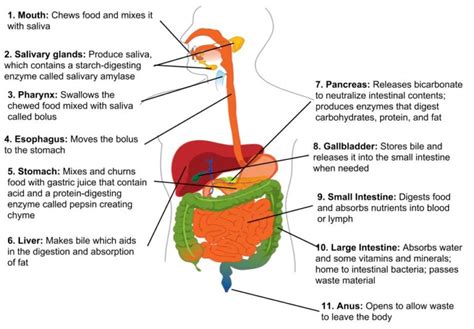
Nutrient absorption is the process by which digested food is assimilated into the bloodstream through the walls of the small intestine. This process ensures that the body obtains the necessary nutrients to function optimally. Key factors influencing nutrient absorption include:
1. Gastrointestinal Health
A healthy GI tract with an intact mucosal barrier facilitates efficient nutrient uptake. Conditions like celiac disease, Crohn’s disease, or irritable bowel syndrome can impair this process.
2. Digestive Enzymes
Enzymes produced by the pancreas and intestinal lining break down macronutrients into absorbable units. Insufficient enzyme production can lead to malabsorption syndromes.
3. Nutrient Interaction
Certain nutrients enhance or inhibit the absorption of others. For example, vitamin C enhances iron absorption, while excessive calcium can interfere with the uptake of magnesium.
4. Gut Microbiota
The diverse community of microorganisms in the gut plays a role in digestion and nutrient synthesis. A balanced microbiota supports efficient absorption, whereas dysbiosis can hinder it.
The Absorptive Process
The small intestine is the primary site for nutrient absorption, comprising three segments: the duodenum, jejunum, and ileum. Each section specializes in absorbing different nutrients:
- Duodenum: Absorbs iron, calcium, magnesium, and vitamins.
- Jejunum: Primarily responsible for the absorption of carbohydrates and proteins.
- Ileum: Absorbs bile acids and vitamin B12.
The Relationship Between Metabolic Rate and Nutrient Absorption
Metabolism Does Not Dictate Absorption Efficiency
Despite the interconnectedness of metabolic processes and nutrient utilization, metabolic rate does not directly influence the efficiency or speed of nutrient absorption. Individuals with a fast metabolism may burn calories quicker, but this does not translate to faster or more efficient nutrient uptake from the digestive system.
Indirect Influences of Metabolic Rate
While metabolic rate itself does not govern nutrient absorption, it indirectly affects overall nutritional needs. For instance:
-
Higher Caloric Needs: Individuals with a fast metabolism require more calories to sustain their energy expenditure. This necessitates a higher intake of nutrients to meet their energy demands.
-
Increased Food Intake: To match their metabolic rate, individuals may consume larger quantities of food, potentially leading to increased nutrient intake but not necessarily enhanced absorption efficiency.
-
Thermic Effect of Food (TEF): Those with higher metabolic rates may experience a slightly elevated TEF, the energy expended during digestion and nutrient processing. However, this affects energy expenditure rather than nutrient absorption rates.
Factors Primarily Influencing Nutrient Absorption
1. Digestive Health
A healthy digestive system is paramount for effective nutrient absorption. Conditions such as chronic inflammation, infections, or structural abnormalities can impede the process, regardless of an individual’s metabolic rate.
2. Enzyme Production
The production of digestive enzymes is crucial for breaking down macronutrients into absorbable forms. Pancreatic insufficiency or other endocrine disorders can lead to reduced enzyme levels, causing malabsorption.
3. Dietary Composition
The types of nutrients consumed and their interactions play a significant role in absorption. For example, fat-soluble vitamins (A, D, E, K) require dietary fats for proper absorption, while certain fibers can either aid or hinder this process.
4. Gut Microbiota Balance
A balanced gut microbiota supports efficient digestion and nutrient synthesis. Probiotics and prebiotics can enhance gut health, while antibiotics or poor diet can disrupt the microbiome, affecting absorption.
5. Specific Medical Conditions
Certain medical conditions, such as Crohn’s disease, celiac disease, or lactose intolerance, specifically impair the body’s ability to absorb certain nutrients effectively.
Debunking Common Myths
Myth 1: Fast Metabolism Means Better Nutrient Absorption
Contrary to popular belief, a faster metabolic rate does not equate to more efficient nutrient absorption. Metabolism relates to energy expenditure, whereas absorption is contingent on digestive health and functionality.
Myth 2: Slower Metabolism Leads to Poor Nutrient Uptake
A slower metabolism does not inherently result in reduced nutrient absorption. Individuals with slower metabolic rates can have just as efficient digestive systems as those with faster rates, ensuring adequate nutrient uptake.
Myth 3: Boosting Metabolism Enhances Nutrient Absorption
While certain strategies may increase metabolic rate, they do not directly enhance the body’s ability to absorb nutrients. Effective nutrient absorption relies more on dietary choices and digestive health than on metabolic speed.
Optimizing Nutrient Absorption Regardless of Metabolic Rate
Maintain Gut Health
Supporting a healthy gastrointestinal tract through a balanced diet rich in fiber, probiotics, and prebiotics can enhance nutrient absorption.
Adequate Hydration
Proper hydration is essential for digestive enzyme activity and the smooth transit of food through the digestive system, facilitating better nutrient uptake.
Balanced Diet
Consuming a variety of nutrients ensures that the body receives all the essential vitamins and minerals necessary for optimal functioning and absorption.
Regular Physical Activity
Exercise can improve overall digestive health and efficiency, indirectly supporting better nutrient absorption by maintaining a healthy body weight and reducing inflammation.
Medical Consultation
Individuals experiencing issues with nutrient absorption should consult healthcare professionals to identify and address underlying conditions that may be affecting their digestive health.
Conclusion
The relationship between metabolic rate and nutrient absorption is often misunderstood. While metabolism dictates how quickly the body uses energy, it does not directly influence the efficiency or speed of nutrient absorption. Instead, factors such as digestive health, enzyme activity, gut microbiota, and overall dietary habits play pivotal roles in how well nutrients are absorbed and utilized by the body. Understanding these distinctions is crucial for individuals seeking to optimize their health, manage their weight, or address specific nutritional needs.
References
Last updated January 17, 2025