
Methodology for Investigating Nutritional Composition and Antioxidant Activity of Selected Underutilized Fruits and Vegetables in Southern & Eastern Provinces, Sri Lanka
Establishing a Comprehensive Framework for Assessing Nutritional and Antioxidant Profiles
Key Takeaways
- Comprehensive Sampling Strategy: Ensures diverse and representative collection of underutilized fruits and vegetables across the Southern and Eastern Provinces.
- Standardized Analytical Methods: Utilization of validated AOAC methods and advanced spectroscopic techniques for accurate nutritional and antioxidant assessments.
- Robust Data Analysis: Implementation of statistical methods to analyze and interpret data, facilitating meaningful insights into nutritional and antioxidant properties.
1. Study Area and Sample Collection
1.1 Selection Criteria
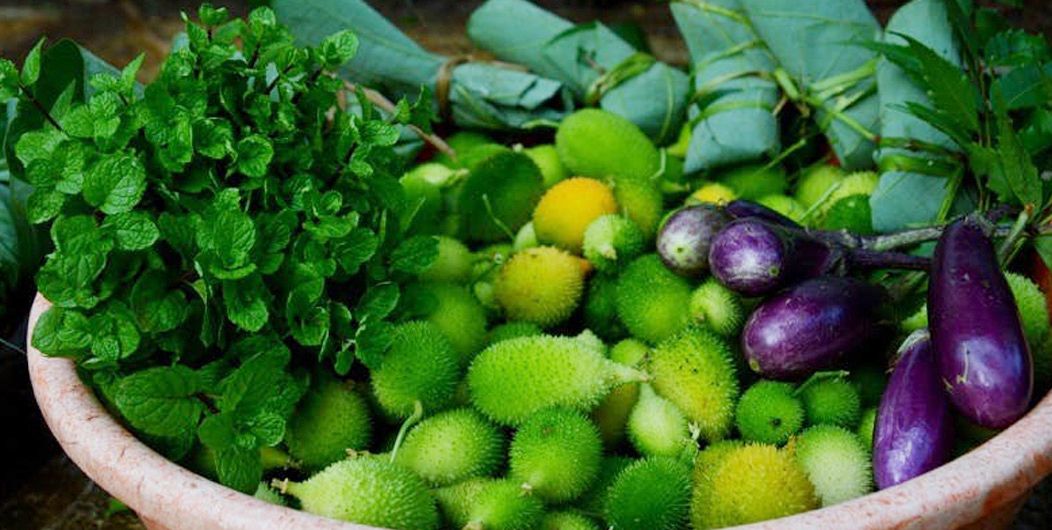
The study will focus on identifying and selecting underutilized fruits and vegetables native to the Southern and Eastern Provinces of Sri Lanka. Selection criteria will include local availability, nutritional potential, traditional usage, and economic significance. Collaboration with local agricultural extension officers, botanists, and indigenous knowledge holders will be essential to accurately identify species that are both underutilized and possess significant nutritional and antioxidant properties.
1.2 Sampling Locations and Methods
Representative sampling sites will be chosen based on geographic distribution, cultivation practices, and ecological zones within the Southern and Eastern Provinces. A randomized sampling strategy will be employed to collect mature, undamaged specimens from multiple farms and natural habitats. Approximately 3–5 replicates per species will be collected to account for intra-species variability and ensure the reliability of subsequent analyses. Geo-references, collection dates, and relevant agronomic or environmental parameters will be meticulously recorded to contextualize the data.
1.3 Transportation and Storage
Collected samples will be transported in cool, insulated containers to prevent degradation during transit. Upon arrival at the laboratory, samples will undergo preliminary processing, including washing with deionized water, air-drying, and storage at −20°C or freeze-drying, depending on the requirements of subsequent analyses. Such preservation methods are critical to maintaining the integrity and nutritional content of the samples prior to analysis.
2. Sample Preparation
2.1 Cleaning and Preprocessing
Samples will be meticulously cleaned to remove dirt and contaminants. Edible portions will be separated from non-edible parts using standardized protocols to ensure consistency across all samples. Homogenization techniques, such as grinding or blending, will be employed to achieve a uniform sample consistency, which is vital for accurate analytical measurements.
2.2 Homogenization and Storage
Prepared samples will be further processed by lyophilization (freeze-drying) to preserve their nutritional content. The dried samples will then be ground into a fine powder to facilitate consistent and efficient analysis. All prepared samples will be stored in sealed, light-protected containers at −20°C to prevent nutrient degradation and ensure stability until the time of analysis.
3. Nutritional Composition Analysis
3.1 Proximate Analysis
The proximate composition of each sample will be determined following the Association of Official Analytical Chemists (AOAC) methods. This includes the quantification of moisture, ash, protein, fat, and carbohydrate content. Specific AOAC procedures will be applied:
- Moisture Content: Determined by oven-drying a representative sub-sample at 105°C until constant weight is achieved.
- Protein Content: Measured using the Kjeldahl method, which estimates nitrogen content as a proxy for protein.
- Fat Content: Evaluated using Soxhlet extraction with a suitable solvent like ether or hexane.
- Ash Content: Determined by incinerating a sub-sample in a muffle furnace at high temperatures to remove organic matter.
- Carbohydrate Content: Calculated by difference, subtracting the sum of moisture, ash, protein, and fat from the total weight.
3.2 Mineral Content Determination
Mineral analysis will be conducted using Atomic Absorption Spectroscopy (AAS) or Inductively Coupled Plasma Optical Emission Spectrometry (ICP-OES) after appropriate acid digestion of the samples. Essential minerals to be quantified include potassium (K), calcium (Ca), phosphorus (P), magnesium (Mg), iron (Fe), zinc (Zn), and other trace minerals. These methods provide precise quantification of mineral content, which is vital for assessing the nutritional value of the selected fruits and vegetables.
3.3 Vitamin Analysis
Vitamin content, particularly vitamin C (ascorbic acid and dehydroascorbic acid), will be analyzed using High-Performance Liquid Chromatography (HPLC) with appropriate detection methods. Both water-soluble and fat-soluble vitamins present in the samples will be quantified to provide a comprehensive nutritional profile.
4. Antioxidant Activity Assessment
4.1 Phytochemical Screening
Preliminary qualitative screening for phytochemicals will be conducted to identify the presence of phenolics, flavonoids, and other bioactive compounds. The Folin-Ciocalteu method will be used to determine the Total Phenolic Content (TPC), while colorimetric assays will quantify the Total Flavonoid Content (TFC) and Total Monomeric Anthocyanin Content. These assays are essential for understanding the antioxidant potential of the samples.
4.2 Antioxidant Capacity Assays
Several assays will be employed to evaluate the antioxidant capacity of the extracts:
- DPPH Assay: Measures the free radical scavenging ability by assessing the reduction of DPPH radicals, with results expressed as IC50 values.
- FRAP Assay: Evaluates the ferric reducing antioxidant power, indicating the reducing capacity of the extracts.
- ABTS Assay: Complements DPPH results by providing an additional measure of radical scavenging activity.
5. Data Analysis
5.1 Statistical Methods
Data obtained from the analyses will be subjected to rigorous statistical evaluation. Descriptive statistics will summarize the central tendencies and dispersions of the data. Analysis of Variance (ANOVA) will determine significant differences in nutritional and antioxidant profiles among different species and sampling locations. Post-hoc tests, such as Tukey’s Honest Significant Difference (HSD), will identify specific group differences. Correlation and regression analyses will explore relationships between nutritional components and antioxidant activities, providing deeper insights into their interactions.
5.2 Software Utilization
Statistical analyses will be conducted using advanced software packages such as SPSS or R. These tools offer robust platforms for data manipulation, visualization, and statistical modeling, ensuring accurate and comprehensive interpretation of the results.
6. Ethical Considerations and Permissions
Ethical considerations are paramount in this study. Informed consent will be obtained from farmers and local communities involved in sample collection. Necessary permits will be acquired from local authorities to ensure compliance with national and institutional guidelines on biodiversity conservation and ethical research practices. Additionally, environmental impact assessments will ensure that sampling activities do not harm the ecosystems or local habitats.
7. Timeline and Resources
7.1 Project Timeline
| Phase | Duration | Activities |
|---|---|---|
| Sample Collection | 2 Months | Identification, selection, and collection of fruit and vegetable samples from various locations. |
| Sample Preparation | 1 Month | Cleaning, preprocessing, homogenization, and storage of collected samples. |
| Nutritional and Antioxidant Analysis | 4 Months | Conducting proximate, mineral, vitamin analyses, and antioxidant assays. |
| Data Analysis | 2 Months | Performing statistical analyses and interpreting results. |
| Reporting and Dissemination | 1 Month | Compiling findings into comprehensive reports and preparing for publication. |
| Awareness and Promotion | Ongoing | Organizing workshops, seminars, and market development activities. |
7.2 Resources Needed
The successful execution of this study requires the following resources:
-
Personnel: Researchers with expertise in nutrition and biochemistry, laboratory technicians, field assistants, and extension officers.
-
Equipment: Laboratory instruments including AOAC-approved analytical machinery, spectrophotometers, HPLC systems, AAS or ICP-OES instruments, freeze-dryers, and homogenizers.
-
Chemicals and Reagents: High-purity solvents, standards for calibration, reagents for antioxidant assays, and other necessary consumables.
-
Funding: Financial support for equipment procurement, sample collection logistics, laboratory consumables, and dissemination activities.
-
Facility Access: Adequate laboratory space with controlled environmental conditions for sample analysis and storage.
Conclusion
This methodology outlines a comprehensive and systematic approach to evaluating the nutritional composition and antioxidant activity of selected underutilized fruits and vegetables in Sri Lanka's Southern and Eastern Provinces. By integrating robust sampling strategies, standardized analytical methods, and rigorous data analysis, the study aims to provide valuable insights into the nutritional and functional potentials of these species. The findings will not only contribute to scientific knowledge but also support the promotion and sustainable utilization of underutilized crops, enhancing food security and economic opportunities in the region.
References
Last updated February 12, 2025