
Top 10 U.S. Metropolitan Markets for Tower Cranes & Hoists
Comprehensive Analysis of Construction Activity, Economic Trends, and Future Demand
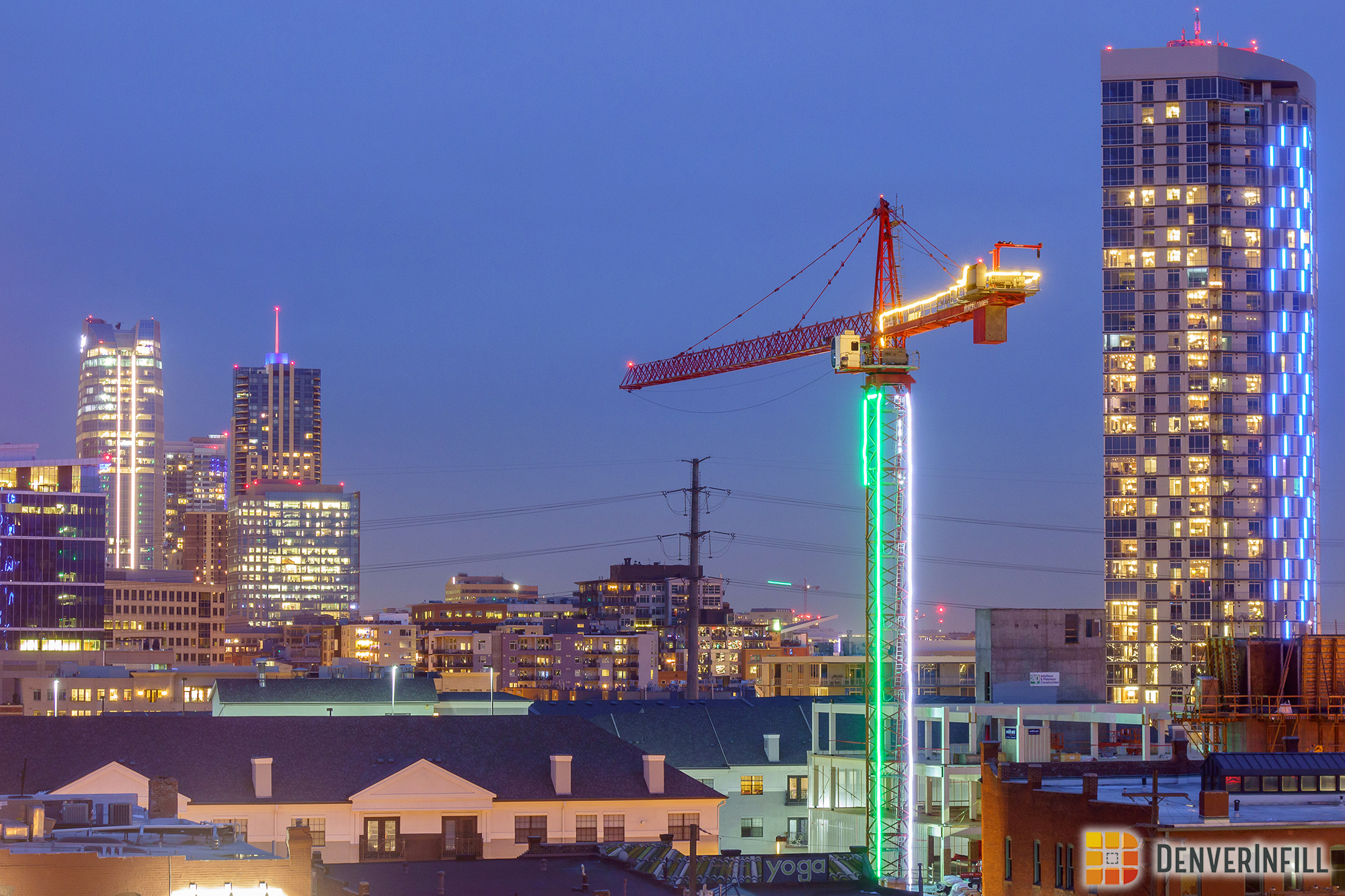
Key Highlights
- Elevated Construction Activity: Major urban centers show robust activity in high-rise construction, driving consistent tower crane and hoist demand.
- Economic and Urban Growth: Strong economic indicators and rapid urban expansion underpin the rising need for advanced construction equipment.
- Competitive & Regulatory Drivers: Leading developers, contractors, and innovative technology adoption create a competitive landscape influenced by favorable regulations.
Market Overview and Methodology
In the current landscape of construction, the U.S. tower crane and material hoist market is undergoing significant transformation. This shift is largely driven by urbanization, increased infrastructure investments, and technological innovations integrated into modern construction practices. As metropolitan areas grow vertically, there is a marked surge in high-rise construction—typically buildings with five or more stories—which in turn directly influences the demand for cranes and hoists.
This analysis identifies the top 10 U.S. metropolitan markets that exhibit high demand for tower cranes and material hoists. The focus areas include construction activity indices, economic expansion metrics, urban growth trends, competitive dynamics, and regulatory factors. Market data, comprehensive reports, and permitting records have been synthesized to produce a robust ranking that addresses both current needs and future projections.
Detailed Market Analysis
1. Construction Activity and Economic Indicators
Construction Trends
Major metropolitan areas are witnessing heavy construction activity driven by urban renewal projects, expansion of mixed-use developments, and public infrastructure initiatives. These cities are not only constructing new residential and commercial projects but are also focused on smart city and sustainable development initiatives. For example, cities like New York and Los Angeles have a large number of ongoing high-rise projects, while Seattle’s tech-driven urban expansion demands state-of-the-art construction practices.
Several indicators such as increased construction spending, rapid development of high-density areas, and significant investments in municipal infrastructure all point toward a strong demand for tower cranes and material hoists. Notably, increased funding from infrastructure bills and urban redevelopment programs further bolsters the market.
Economic Strength and Growth Metrics
The economic climate in these metropolitan areas plays a critical role. Cities with robust GDP growth, low unemployment, and diversified economic sectors have a higher volume of construction projects. Areas like Houston and Phoenix continue to see strong real estate demands driven by residential, commercial construction, and infrastructure developments.
High population densities in urban centers such as New York City lead to vertical expansion, while cities like Atlanta and Denver are benefiting from migration and booming local economies. This economic resilience translates into increased returns on infrastructure investments, further sustaining the demand for high-capacity construction equipment.
2. Urban Expansion and Regulatory Factors
Urban Growth Patterns
As urban populations continue to grow, cities are expanding upward rather than outward. This vertical growth necessitates specialized equipment like tower cranes. Metropolitan regions such as Boston and Washington, D.C. have seen substantial urban expansion driven by residential and institutional projects. Building developers are increasingly leaning towards turnkey solutions that integrate new technologies into the design and operation of tower cranes to meet the twin challenges of limited urban space and environmental sustainability.
Additionally, urban planners are prioritizing “smart growth” strategies that focus on compact, transit-oriented developments. This holistic approach minimizes land use while maximizing the efficiency of capital in public infrastructure, directly supporting the increased deployment of cranes and hoists.
Regulatory Environment
Regulatory policies significantly impact market dynamics. Cities with stringent safety standards and comprehensive building codes, such as Chicago and San Francisco, ensure that all construction equipment meets modern efficiency and safety benchmarks. Regulatory factors also include environmental regulations which, while challenging, foster innovation through the integration of eco-friendly technologies in tower cranes.
In many metropolitan areas, government initiatives aimed at urban renewal and infrastructure upgrades come paired with incentives for adopting green construction practices. These policies encourage the purchase and rental of advanced, energy-efficient cranes, thereby reinforcing overall market demand.
3. Competitive Landscape and Key Market Players
Competitive Analysis
Key Developers and Contractors
The competitive field includes some of the nation’s leading development firms and contractors who are pivotal in driving market demand. For instance, New York City is home to well-known names like Related Companies and Extell Development, which are involved in multiple high-rise residential and commercial projects. Similarly, Los Angeles has seen participation from prominent groups responsible for urban renewal and mixed-use projects.
In metropolitan areas such as Seattle and San Francisco, tech giants and innovative construction firms are investing heavily in smart, high-rise construction projects. These companies focus on integrated building solutions, which include state-of-the-art planning, design, and operational efficiencies that directly increase the need for advanced lifting solutions.
The table below provides a snapshot of key players in some of the leading metropolitan markets:
| Metropolitan Area | Key Developers/Contractors |
|---|---|
| New York City | Related Companies, Extell Development |
| Los Angeles | Related Companies, Kilroy Realty |
| San Francisco | Salesforce, Google-backed developments |
| Seattle | Lease Crutcher Lewis, local tech-driven firms |
| Chicago | Major institutional and commercial developers |
| Boston | Urban renewal agencies, mixed-use specialists |
| Washington, D.C. | Clark Construction Group, government-related projects |
| Miami | Coastal redevelopment firms and tourism-related projects |
| Denver | Mixed-use and tech-focused construction firms |
| Phoenix | Residential and commercial developers like Meritage Homes |
Suppliers and Technological Innovations
The suppliers' landscape is dominated by well-established companies such as Liebherr, Potain, Terex, and Konecranes. These manufacturers are constantly incorporating innovative features into their products, including remote operation capabilities, anti-collision systems, and automated controls. Advances in these areas not only enhance safety on site but also increase operational efficiency during complex urban builds.
Emerging trends within the supplier space include the shift towards offering rental solutions instead of outright purchases. This trend is motivated by the desire to maintain flexibility, better manage capital expenditures, and address the evolving needs of fast-paced construction projects. The rental market is also providing an avenue for smaller contractors to access advanced equipment without the burden of full ownership.
4. Five-Year Trends and Future Demand Forecast
Trends Shaping the Market (2025-2030)
Historical Growth Factors
Over the past several years, the tower crane market has displayed steady growth, reflecting increased urbanization and infrastructure spending. Historical data suggest that metropolitan markets have seen a consistent rise in the number of active cranes, indicative of broader construction trends. For instance, cities such as Seattle and New York have maintained high counts of operational cranes, which can be attributed directly to high-rise projects and urban redevelopment.
Currently, forecasts suggest that the total market value of tower cranes is expected to increase significantly, reflecting a compound annual growth rate (CAGR) in the low single digits. Furthermore, the demand for tower cranes is projected to grow by approximately 25% in high-density metropolitan areas over the next five years.
Future Demand Forecast
Based on current trends in economic growth, urban expansion, and construction spending, a conservative five-year forecast anticipates continued demand for innovative and efficient lifting solutions. The demand for tower cranes is not only growing in absolute terms but is also evolving to incorporate the latest technological and safety features. The table below summarizes the forecasted number of tower cranes in select metropolitan markets from 2024 through 2028:
| Year | Estimated Tower Crane Units |
|---|---|
| 2024 | 550 Units |
| 2025 | 580 Units |
| 2026 | 610 Units |
| 2027 | 640 Units |
| 2028 | 670 Units |
The upward trajectory in crane deployment is attributed to robust funding from public infrastructure projects and private real estate investments. The integration of smart technology within crane operations is expected to further increase adoption rates as operators seek to maximize both safety and efficiency on site.
Market Ranking and Comparative Insights
Ranking of Top U.S. Metropolitan Markets
Synthesizing economic indicators, construction activity, and regulatory advantages, the following is a ranked list of metropolitan markets most likely to drive demand for tower cranes and material hoists:
- New York City: Dominates with high-density development, extensive infrastructure upgrades, and continuous high-rise projects.
- Los Angeles: Sees steady construction activity reinforced by residential expansion and rigorous urban redevelopment.
- San Francisco: Benefits from tech-driven growth and demanding urban redevelopment projects, despite stringent zoning regulations.
- Seattle: Flourishes with tech sector expansion and highly active construction counts, leading the market in operational cranes.
- Boston: Urban renewal and smart city initiatives enhance construction activity in a dense metropolitan setting.
- Washington, D.C.: Ongoing government and institutional projects spur sustained high-rise construction.
- Chicago: Maintains moderate but steady growth influenced by diverse development sectors and strict safety codes.
- Miami: Coastal and tourism-driven developments, paired with stringent building codes tailored to environmental challenges.
- Denver: Mixed-use developments driven by rapid urban migration and robust local economic conditions uplift demand.
- Phoenix: Emerging market with accelerated residential and commercial construction boosted by demographic shifts.
Chart: Projected Growth in Tower Crane Demand
The following chart, structured as a flow diagram, indicates the anticipated increase in tower crane usage over the five-year period:
graph LR
    A[2024: 550 Units] --> B[2025: 580 Units]
    B --> C[2026: 610 Units]
    C --> D[2027: 640 Units]
    D --> E[2028: 670 Units]
    E --> F[Future Expansion]
Conclusion and Final Thoughts
In conclusion, the U.S. metropolitan markets leading the demand for tower cranes and material hoists are characterized by vigorous construction activities, strong economic growth, and considerable urban expansion. Metropolitan hubs like New York, Los Angeles, and San Francisco stand out due to their sustained investments in high-rise and mixed-use developments. Seattle, with its tech-driven economic base, continues to outperform in terms of active crane counts, while cities such as Boston and Washington, D.C. benefit from smart urban planning and government initiatives.
The competitive landscape reveals an ecosystem where major developers, visionary contractors, and technologically advanced suppliers converge to drive market transformation. The adoption of next-generation crane technologies—featuring enhanced automation, improved safety systems, and sustainable designs—is set to bolster operational efficiencies and better meet the evolving demands of urban construction.
As market forecasts indicate a steady upward trajectory over the next five years, stakeholders from manufacturers to municipal planners must focus on economic resilience, regulatory compliance, and technological innovation. Such strategic alignment will not only ensure the efficient deployment of construction equipment but also amplify the overall market performance in meeting future urbanization and infrastructure targets.
References
- Tower Cranes Market Analysis - Mordor Intelligence
- American Cranes & Transport Sourcebook 2025 - Crane Briefing
- Tower Crane Market Demand, Opportunities, and Outlook 2025 - OpenPR
- 2025 Industry Trends: Insights and Predictions - Crane Hotline
- Construction Industry Trends for 2025 - NCCER
Recommended Related Queries
Last updated February 27, 2025