
Fermentation of Microbial Steroid Bio Transformation
A Detailed Roadmap for an Engaging Presentation
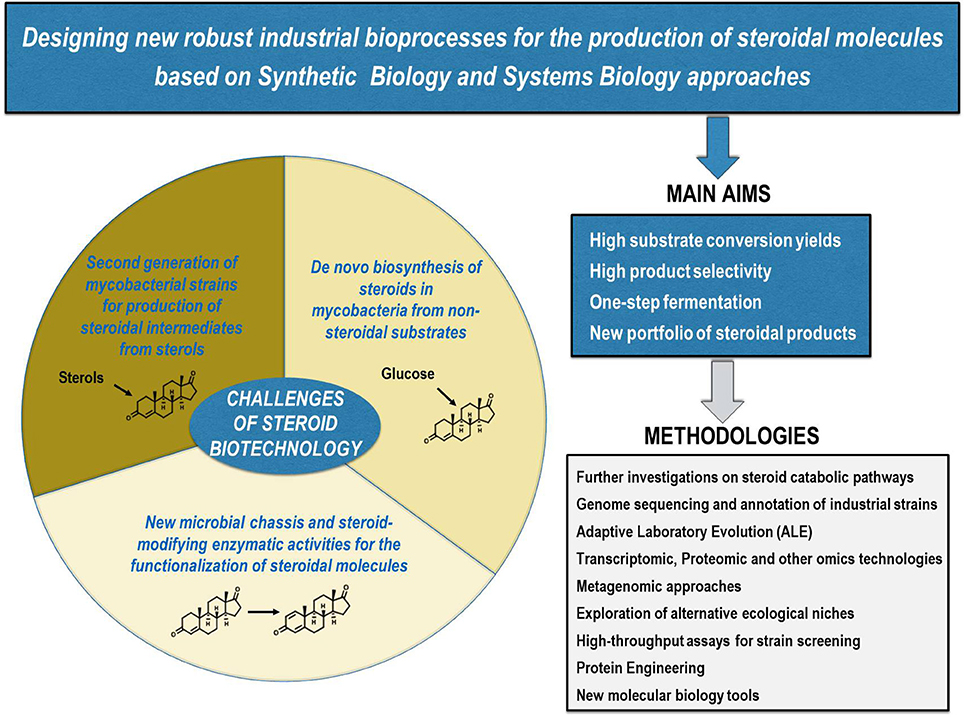
Key Takeaways
- Precision and Specificity: Microbial fermentation enables highly regio- and stereospecific transformations of steroids, yielding valuable pharmaceutical intermediates.
- Process Optimization: Control of fermentation parameters and microbial strain selection is pivotal to achieving high yields and efficient steroid modification.
- Industrial Innovation: Advances in biotransformation research offer environmentally friendly and economically viable alternatives to conventional chemical synthesis.
Overview and Objectives
Presentation Goals
This presentation is designed to walk the audience through the fundamentals and complexities of microbial steroid bio transformation via fermentation. It elaborates on the following:
- The fundamental principles and advantages of using microbial systems in steroid transformations.
- A clear explanation on the fermentation process, including microbial cultivation, reactor design, and process parameters.
- An exploration of various transformation reactions such as hydroxylation, oxidation, dehydrogenation, and Baeyer-Villiger oxidation.
- Industrial applications, challenges and future perspectives in large-scale steroid production.
Slide 1: Title and Introduction
Title Slide
• Title: Fermentation of Microbial Steroid Bio Transformation
• Subtitle: Harnessing Microbial Processes for Efficient Steroid Modification
• Presenter: [Your Name]
• Affiliation: [Your University or Organization]
• Date: [Presentation Date]
Purpose and Relevance
The title slide should capture the audience’s interest by highlighting the significance of microbial biotransformation in modern pharmaceutical production and its role in sustainable chemistry.
Slide 2: Introduction & Objectives
Setting the Stage
In this slide, provide a brief introduction to steroid compounds and justify why microbial fermentation has become a pivotal method for their modification. Include the following points:
- Definition of Steroids: Organic compounds with a core tetracyclic structure; examples include corticosteroids, sex hormones, and anabolic steroids.
- Microbial Biotransformation: The use of organisms to convert steroid substrates into modified, functionally active molecules.
- Objectives: To detail the fermentation process, discuss reaction mechanisms, and explore industrial applications.
Slide 3: Background on Steroids
Essential Concepts
Explain the chemical structure of steroids, their biological roles, and their significance in medicine. Topics to cover include:
- The tetracyclic cyclopentanoperhydrophenanthrene structure.
- Main classes of steroids (e.g., glucocorticoids, mineralocorticoids, androgens, estrogens).
- The role of functional groups (hydroxyl, keto, methyl) in determining bioactivity.
Visual Aid
Consider including a diagram depicting the steroid nucleus with labeled positions to illustrate where microbial enzymes act during biotransformation.
Slide 4: Microbial Biotransformation Fundamentals
Core Principles
Define microbial biotransformation as a process in which microorganisms use their enzymatic machinery to convert complex chemicals into modified versions, often with higher specificity than traditional chemical reactions.
- Enzyme Specificity: Microbes possess enzymes (e.g., cytochrome P450 monooxygenases) which enable regioselective and stereoselective modifications.
- Reaction Types:
- Hydroxylation – introduction of an –OH group at specific carbon atoms.
- Oxidation and reduction – altering oxidation states of functional groups.
- Baeyer-Villiger oxidation – converting ketones into esters or lactones.
- Environmental Aspects: These biological processes are considered greener alternatives as they reduce the need for harsh chemicals and conditions.
Key Reaction Example
Highlight the enzyme-catalyzed hydroxylation of progesterone, which is often used as a model for microbial steroid transformations.
Slide 5: The Fermentation Process
Understanding Fermentation in Biotransformation
Outline the key parameters and steps involved in microbial fermentation for steroid modification. This slide should detail:
- Fermentation Modes: Batch, fed-batch, and continuous fermentation methods.
- Bioreactor Design: Description of typical stainless-steel fermenters equipped with temperature, pH, and aeration controls.
- Process Conditions: Optimal conditions such as temperature, pH, oxygen transfer rates, and substrate feed times.
Example Table: Fermentation Parameters
| Parameter | Optimal Range | Impact on Transformation |
|---|---|---|
| Temperature | 28-37 °C | Enzyme activity and microbial growth |
| pH | 6.5 - 7.5 | Maintains enzyme conformation and activity |
| Aeration | 1-2 vvm | Oxygen supply for aerobic pathways |
| Substrate Concentration | Low to moderate | Affects solubility and yield |
This table concisely presents the operational parameters that influence the efficiency and specificity of microbial steroid bio transformation within a fermentation setup.
Slide 6: Microorganisms in Steroid Transformation
Microbe Selection and Enzyme Function
Present the key microbial strains employed in steroid biotransformation. Emphasize the diversity of organisms used, including bacteria, fungi, and actinomycetes.
- Bacterial Strains: Examples include Corynebacterium simplex and Pseudomonas testosteroni which are known for specific hydroxylation and dehydrogenation reactions.
- Fungal Strains: Species such as Mucor piriformis, Aspergillus niger, and other filamentous fungi are often used for their versatile enzymatic profiles.
- Enzyme Insights: Particular attention should be given to cytochrome P450 enzymes, which are crucial for regioselective transformations.
Mechanism Spotlight
Explain how enzyme catalysis works at a molecular level, highlighting the role of cofactors (e.g., NADPH) in oxidation reactions. Use a simple diagram to illustrate the enzyme-substrate complex and the subsequent product release.
Slide 7: Case Study - Transformation of Androstenedione
Step-by-Step Bioconversion
Detail a specific case study involving the transformation of androstenedione. This substrate is often used as a precursor for the synthesis of more active steroid hormones. Cover these points:
- Substrate Introduction: Androstenedione is introduced into the fermentation medium as a steroid substrate.
- Microbial Action: Specific strains, such as selected bacteria or fungi, catalyze the conversion pathways producing hydroxylated intermediates.
- Reaction Conditions and Yields: Discuss reaction optimization, including temperature, pH, and aeration, that leads to maximum yield.
- Final Products: Often include derivatives like androstadienedione or hydroxylated steroids that serve as intermediates in further synthesis processes.
Graphical Representation
Incorporate a reaction scheme diagram (or flowchart) that visually outlines the biochemical steps, abbreviating complex enzyme-mediated reactions into simpler steps for clarity.
Slide 8: Optimization Strategies
Enhancing Yield and Selectivity
Discuss the ways in which fermentation conditions can be optimized to improve the efficiency of steroid biotransformation:
- Media Composition: Optimization of nutrient media, including carbon sources, nitrogen, and trace elements, is critical to supporting robust microbial growth.
- Oxygen Transfer and Agitation: Adjusting aeration rates and agitation speeds in bioreactors improves the solubility of oxygen, thereby enhancing microbial enzyme activity.
- Genetic and Metabolic Engineering: Tailoring and modifying microbial strains through genetic tools to increase enzyme expression and activity can result in higher yields and more targeted reactions.
- Use of Additives: Incorporation of surfactants, cyclodextrins, or ionic liquids can address the low water solubility of steroids, thereby improving substrate availability and transformation efficiency.
Data-Driven Optimization
Illustrate with a graph or table showing yield improvements before and after optimization strategies. This visual can help underscore the tangible benefits of process optimization in industrial settings.
Slide 9: Industrial Applications & Scale-Up Considerations
From Lab to Production
Provide an overview of how microbial steroid biotransformation is integrated into industrial production. Emphasize:
- Pharmaceutical Production: The production of steroid hormones such as estrogens, corticosteroids, and androgens on a commercial scale.
- Environmental Benefits: Reduction in chemical waste and energy consumption compared to traditional chemical synthesis routes.
- Process Scale-Up: Challenges such as maintaining consistent fermentation conditions, downstream processing, extraction, and purification at large scale.
- Economic Impact: Potential cost savings by reducing the number of chemical synthesis steps and using milder reaction conditions.
Practical Considerations
Discuss common issues encountered during scale-up including microbial contamination, process reproducibility, and regulatory hurdles. Consider including a flow diagram illustrating the steps from bench-scale fermentation to industrial production.
Slide 10: Environmental and Economic Benefits
Green Chemistry in Action
Highlight the dual benefits of microbial biotransformation:
- Environmental: Lower energy requirements, reduced harmful chemical usage, and diminished production of hazardous waste.
- Economic: Cost-efficient production processes that reduce reliance on expensive and complex chemical synthesis, fostering a competitive advantage in pharmaceutical manufacturing.
Case Examples
Provide examples of successful industrial applications where biotransformation has replaced conventional methods. Use data to showcase improved process metrics like yield, purity, and cost savings.
Slide 11: Current Trends and Future Perspectives
Innovations and Research Directions
Discuss emerging technologies and future directions in microbial steroid biotransformation:
- Advancements in Synthetic Biology: Use of CRISPR and other genetic engineering techniques to create microbial cell factories with enhanced biotransformation capabilities.
- Immobilization Techniques: Development of immobilized enzyme systems or biofilm reactors which can allow continuous processing and improved process stability.
- Automation and Monitoring: Integration of real-time analytics and process control systems to optimize fermentation conditions dynamically.
- Exploration of Novel Microorganisms: Bioprospecting for unique microbial strains that can introduce new functional groups on steroid molecules, expanding the chemical diversity available for pharmaceuticals.
Future Challenges
Consider discussing the need for further research in handling substrate solubility issues, improving enzymatic conversion rates, and scaling up under economically feasible conditions.
Slide 12: Challenges and Limitations
Critical Considerations
Acknowledge the challenges faced in the field of microbial fermentation for steroid biotransformation:
- Low Solubility: Many steroids have low water solubility, which can restrict the bioavailability to microbial enzymes.
- Process Reproducibility: Maintaining consistent product quality and yield during scale-up.
- Yield Limitations: Low to moderate conversion yields are common and require significant process optimization.
- Regulatory Concerns: Industrial processes must adhere to strict regulatory guidelines, particularly when the end products are used in medical applications.
Mitigation Strategies
Briefly describe ongoing strategies such as improved microbial strain engineering, surfactant usage, and advanced bioreactor design to overcome these limitations.
Slide 13: Conclusion and Q&A
Wrapping Up the Presentation
In the conclusion slide, recapitulate the key points discussed:
- The integration of microbial fermentation in steroid modification offers high specificity and environmental benefits.
- Technical challenges exist but are being addressed by advances in genetic and metabolic engineering.
- Industrial applications are growing, promising a sustainable and cost-effective alternative for steroid hormone production.
End with an invitation for questions and discussion to engage the audience further.
Conclusion
Final Thoughts
Microbial steroid bio transformation via fermentation represents a transformative approach in pharmaceutical manufacturing, merging the precision of biological catalysis with sustainable industrial practices. By leveraging the unique capabilities of microorganisms, this method enables the production of complex steroid derivatives that are challenging to synthesize chemically. As research advances in genetic engineering and process optimization, the potential for increased yield and broader application continues to expand. Overcoming challenges such as low substrate solubility and scalability will be critical in fully harnessing this technology for global steroid production. The future of this field promises innovative strategies that blend green chemistry with high efficiency, ultimately benefiting both industry and public health.
References
-
Biotransformation of Steroids - PMC Article
-
Microbial Transformation in Steroid Synthesis - ScienceDirect
- Microbial Biotransformation of Steroids - IntechOpen
More
Last updated February 18, 2025