
Microplastic Induced Toxicity in Higher Plants: An In-depth Exploration of Sensitivity, Tolerance, and Mitigation Avenues
Analyzing the impact, response mechanisms, and strategies to mitigate microplastic stress in terrestrial flora
Key Takeaways
- Comprehensive Mechanisms: The review discusses both direct (physical and chemical) and indirect (alteration of soil properties and microbial communities) toxicity mechanisms of microplastics on higher plants.
- Differential Sensitivity and Tolerance: Plant species exhibit varied vulnerability and adaptive responses to microplastic exposure, emphasizing the need for species-specific research and tailored mitigation strategies.
- Integrated Mitigation Approaches: Effective management and remediation require innovative strategies including soil amendments, phytoremediation, and policy interventions aimed at reducing plastic pollution.
Abstract
Microplastics, defined as plastic particles less than 5 mm in size, have become pervasive pollutants in terrestrial ecosystems, posing significant risks to higher plants. Their infiltration into soil and plant tissues affects growth, morphology, and physiological processes. This review synthesizes recent findings on the sensitivity of higher plants to microplastic-induced toxicity, explores their tolerance mechanisms at cellular and molecular levels, and presents innovative mitigation avenues. Emphasis is placed on both direct and indirect mechanisms of toxicity, such as physical interference with roots and alteration of soil microbial communities. The review further discusses species-dependent responses and potential management strategies, including phytoremediation and targeted soil amendments, to mitigate adverse impacts. Recent studies underscore that an integrated approach is essential to address the multifaceted challenges imposed by microplastic pollution on plant health.
Introduction
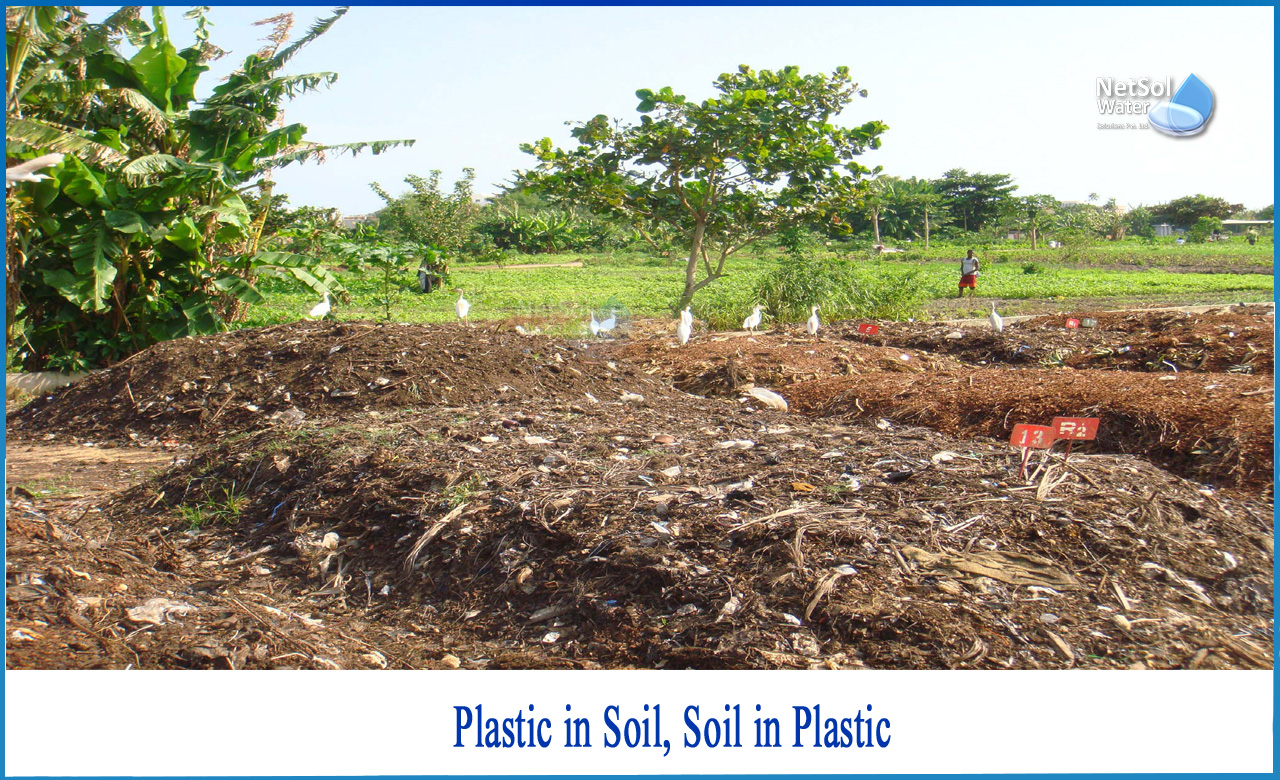
In recent decades, microplastic pollution has emerged as a major environmental concern, affecting not only aquatic systems but also terrestrial ecosystems. Higher plants, which form the backbone of terrestrial habitats, are increasingly exposed to microplastics through contaminated soils and atmospheric deposition. The extensive use and improper disposal of plastics have resulted in the widespread distribution of these particles, leading to their accumulation in agricultural lands, urban green spaces, and natural ecosystems.
As foundational organisms in these ecosystems, the health of higher plants is critical for maintaining biodiversity, food security, and overall ecological balance. Microplastics can interfere with plant growth through a range of mechanisms, including physical blockage of seed pores, mechanical damage to roots, and chemical toxicity from additives and adsorbed pollutants. Additionally, the presence of microplastics in soil can alter soil structure, water dynamics, and the composition of microbial communities, indirectly affecting plant nutrient uptake and health.
This review aims to provide a comprehensive analysis of microplastic-induced toxicity in higher plants by examining current research on:
- Direct and indirect toxicity mechanisms
- Plant morphological and physiological responses
- Species-specific sensitivity and adaptive tolerance mechanisms
- Innovative mitigation strategies and management practices
- Future research directions to address knowledge gaps
Mechanisms of Microplastic-Induced Toxicity
Direct Mechanisms
The direct impact of microplastics on higher plants involves physical and chemical interactions at the cellular and tissue levels. One of the primary direct mechanisms is the physical blockage of pores in the seed coat or on root surfaces, which hinders water absorption and nutrient uptake. For example, microplastics with smaller sizes, such as those around 0.1 μm, have been shown to enter plant tissues more easily compared to larger particles, leading to significant reductions in overall biomass and root length.
Additionally, the morphology and shape of microplastics can exacerbate their impact. Irregularly shaped particles may cause greater mechanical damage to cell walls, whereas spherical particles tend to have a more uniform but still disruptive effect. The chemical composition of microplastics also contributes to toxicity, as additives and absorbed pollutants leach into the surrounding environment, creating conditions conducive to oxidative stress and subsequent cellular damage.
Indirect Mechanisms
Indirectly, microplastics affect higher plants by modifying soil properties. Their accumulation in the soil can lead to changes in soil texture, reducing porosity and water infiltration rates, which in turn affects root growth and microbial activity. These changes in the soil matrix not only impede the physical growth of plants but also alter the ecological interactions between plants and soil biota.
Moreover, microplastics can serve as vectors for heavy metals and organic pollutants. The surfaces of these particles tend to adsorb various contaminants, which are later introduced into plant systems upon uptake. This co-contamination exacerbates oxidative stress by elevating the levels of reactive oxygen species (ROS) within plant tissues. In response, plants activate defense mechanisms involving upregulation of antioxidant enzymes like superoxide dismutase (SOD) and catalase, which serve as biomarkers of environmental stress.
Molecular and Cellular Responses
At the molecular level, exposure to microplastics triggers complex gene expression changes. Transcriptomic analyses in species such as Arabidopsis thaliana have identified differentially expressed genes linked to detoxification pathways and hormonal signaling, which play critical roles in stress response and repair mechanisms. Plants often exhibit a rapid reprogramming of genomic responses in an effort to counteract the effects of microplastic-induced toxicity.
This molecular response is a crucial aspect of plant tolerance and highlights potential targets for biotechnological interventions aimed at enhancing resistance to environmental contaminants. The interplay between microplastic uptake and cellular defense mechanisms defines the threshold for plant survival under continued exposure to polluted conditions.
Sensitivity and Tolerance in Higher Plants
Species-Dependent Sensitivity
Research indicates that the sensitivity of higher plants to microplastic exposure is highly species-dependent. Variations in root architecture, anatomical differences, and inherent physiological properties contribute to how different species react to contamination. For instance, studies comparing fast-growing species with perennial crops have revealed that younger seedlings are often more susceptible to the oxidative stress induced by microplastics, whereas mature plants exhibit a higher degree of resistance.
Furthermore, the sensitivity of plants is modulated by both the concentration and the characteristics of the microplastics, including their size, shape, and polymer type. Smaller particles exhibit a higher probability of cellular penetration, thereby inducing more pronounced toxic effects. Conversely, larger particles may primarily cause surface-level disruptions without extensive internal damage.
Tolerance Mechanisms
Despite the adverse effects, higher plants possess inherent tolerance mechanisms that help mitigate microplastic-induced stress. Adaptive responses include alterations in root system architecture to avoid high concentrations of microplastics and adjustments in leaf morphology to reduce the impact of airborne particles. Some invasive and stress-tolerant species have shown particular resilience, likely due to their evolved capacity to manage abiotic stressors.
At the cellular level, tolerance is often linked to enhanced antioxidant activity, which neutralizes excessive ROS generated during stress. In addition, certain tolerant species have been observed to modify the expression of stress-related genes, promoting cellular repair, and maintaining homeostasis. These genetic adaptations are critical for survival in environments where microplastic pollution is prevalent, and they point to promising avenues for developing crop varieties with improved resistance.
Summary of Effects and Responses
| Impact | Mechanism | Observations/References |
|---|---|---|
| Reduced Seed Germination | Physical blockage of seed pores, altered water uptake | Ma et al. (2022), Besjournals (2024) |
| Stunted Root Development | Mechanical damage to roots, interference with nutrient absorption | Ahmed et al. (2022), PMC (2024) |
| Oxidative Stress | Excessive production of reactive oxygen species (ROS) from chemical additives | Chen et al. (2021), Singh & Kumar (2023) |
| Altered Soil Structure | Changes in soil porosity and water dynamics, microbial community disruption | Gómez‐Navarro et al. (2020), Martínez-Gómez et al. (2020) |
Mitigation Strategies and Policy Interventions
Phytoremediation and Plant Breeding
One of the promising strategies to reduce the bioavailability of microplastics in soil is phytoremediation—the use of plants to extract, sequester, and detoxify pollutants. Certain plant species have demonstrated the ability to accumulate microplastics within their tissues without severe detriments to growth, suggesting a potential use in environmental cleanup efforts. Breeding and genetic engineering initiatives that enhance traits such as antioxidant capacity and efficient detoxification systems could substantially improve plant resistance to microplastic stress.
Recent research highlights the potential of using both conventional breeding methods and modern biotechnological approaches to develop cultivars that are more resistant to environmental pollutants. Enhancing natural tolerance mechanisms in crops is not only beneficial for sustainable agriculture but also critical for food safety, given the potential for microplastics to enter the human food chain.
Soil Amendment and Remediation Techniques
In addition to plant-based approaches, soil remediation methods are essential for mitigating the impacts of microplastics. Soil amendments such as biochar, compost, and organic matter can improve soil structure, enhance microbial diversity, and reduce the mobility of microplastics. Such amendments have been shown to increase soil aggregation, thereby limiting the bioavailability of contaminants and protecting plant root systems.
Furthermore, engineering microbial consortia capable of degrading or sequestering microplastics represents an innovative avenue for bioremediation. These microbial communities can interact synergistically with plant roots, aiding in the detoxification process while promoting overall soil health.
Policy and Sustainable Waste Management
A comprehensive approach to addressing microplastic pollution must also include policy interventions and sustainable waste management practices. Regulatory measures aimed at reducing plastic production and enhancing recycling efforts are vital to curb the input of plastics into the environment. Policies that incentivize the use of biodegradable materials and promote environmental stewardship play a crucial role in the broader strategy to manage microplastic pollution.
In parallel with technological and ecological interventions, public awareness and education are key to driving behavioral changes that reduce plastic waste. Cross-sector collaborations involving government agencies, researchers, and industry stakeholders are essential for designing and implementing effective environmental policies.
Future Research Directions
Expanding Toxicological Studies
Despite significant advances in understanding microplastic-induced toxicity in higher plants, several knowledge gaps remain. Future research should focus on long-term ecosystem studies to evaluate the chronic effects of microplastic accumulation in soils and plant tissues. There is a need for standardized experimental protocols to compare the toxicity of different polymer types, sizes, and shapes across various plant species and developmental stages.
Moreover, more detailed molecular studies are required to elucidate the exact signaling pathways and genetic networks involved in plant responses to microplastics. Advanced omics technologies, including transcriptomics, proteomics, and metabolomics, can provide insights into the adaptive and stress-response mechanisms elicited by these pollutants.
Linking Microplastic Pollution to Global Food Security
As microplastic pollution poses a tangible threat to agricultural productivity, future research should investigate its direct and indirect impacts on crop yield and quality. With increasing concerns about the contamination of food chains, studies need to address how microplastics may accumulate in edible plant parts and potentially compromise human health.
Socioeconomic analyses combined with environmental monitoring will help in determining the broader implications of this pollution on food security and public health. Interdisciplinary research that bridges plant science, environmental toxicology, and policy studies is essential for developing effective mitigation and adaptation strategies.
Innovative Mitigation Technologies
Future directions also call for innovation in mitigation technologies, including the development of novel soil amendments and catalytic systems that can degrade or immobilize microplastics more effectively. Research into biodegradable plastics and alternatives to traditional polymers might also alleviate the growing pressure of microplastic pollution.
Integrating remote sensing and data analytics with ground-based measurements could also help monitor microplastic distribution patterns, enabling more precise interventions and resource allocation for remediation efforts.
Conclusion
Microplastic-induced toxicity in higher plants represents a multifaceted environmental challenge, intricately linked to both direct physical-chemical impacts and indirect modifications of soil properties. Evidently, the sensitivity and tolerance of plants to such contamination are highly species-dependent, influenced by variables such as particle size, shape, concentration, and inherent genetic resilience. While plants do exhibit adaptive responses—including alterations in root architecture, activation of antioxidant defenses, and reprogramming of gene expression—the long-term implications for plant health and agricultural productivity are concerning.
Mitigation strategies such as phytoremediation, soil amendments, and the development of microplastic-resistant cultivars hold promise for managing this emerging threat. Complementary policy interventions and sustainable waste management practices are critical components of an integrated approach. Future research should prioritize long-term toxicological studies, innovative remediation technologies, and interdisciplinary strategies that address both environmental and human health dimensions.
In summation, addressing the proliferation of microplastics in terrestrial ecosystems is imperative for protecting higher plants, sustaining food security, and maintaining ecological balance. A concerted effort involving scientific research, policy reform, and community engagement is necessary to mitigate the adverse impacts of this pervasive pollutant.
References
-
Ma et al. (2022) - Science of The Total Environment
- Zhang et al. (2023) - Environmental Science and Pollution Research
-
Study on Microplastic Stress in Plants - PMC
- Research Article on Microplastic Growth Suppression - Wiley Online Library
-
Impact of Microplastics on Alien Plant Invasion - Science of The Total Environment
- Legacy Effect of Microplastics on Plant–Soil Feedbacks - Frontiers in Plant Science
- Mitigating Microplastic Mobility in Agricultural Soils - Journal of Hazardous Materials
-
Chen et al. (2021) on Reactive Oxygen Species - Environmental Science & Technology Letters
More
Last updated February 18, 2025