
Impacts of Microplastics on Marine Ecosystems
An in-depth exploration of how tiny plastic particles disrupt life in the oceans
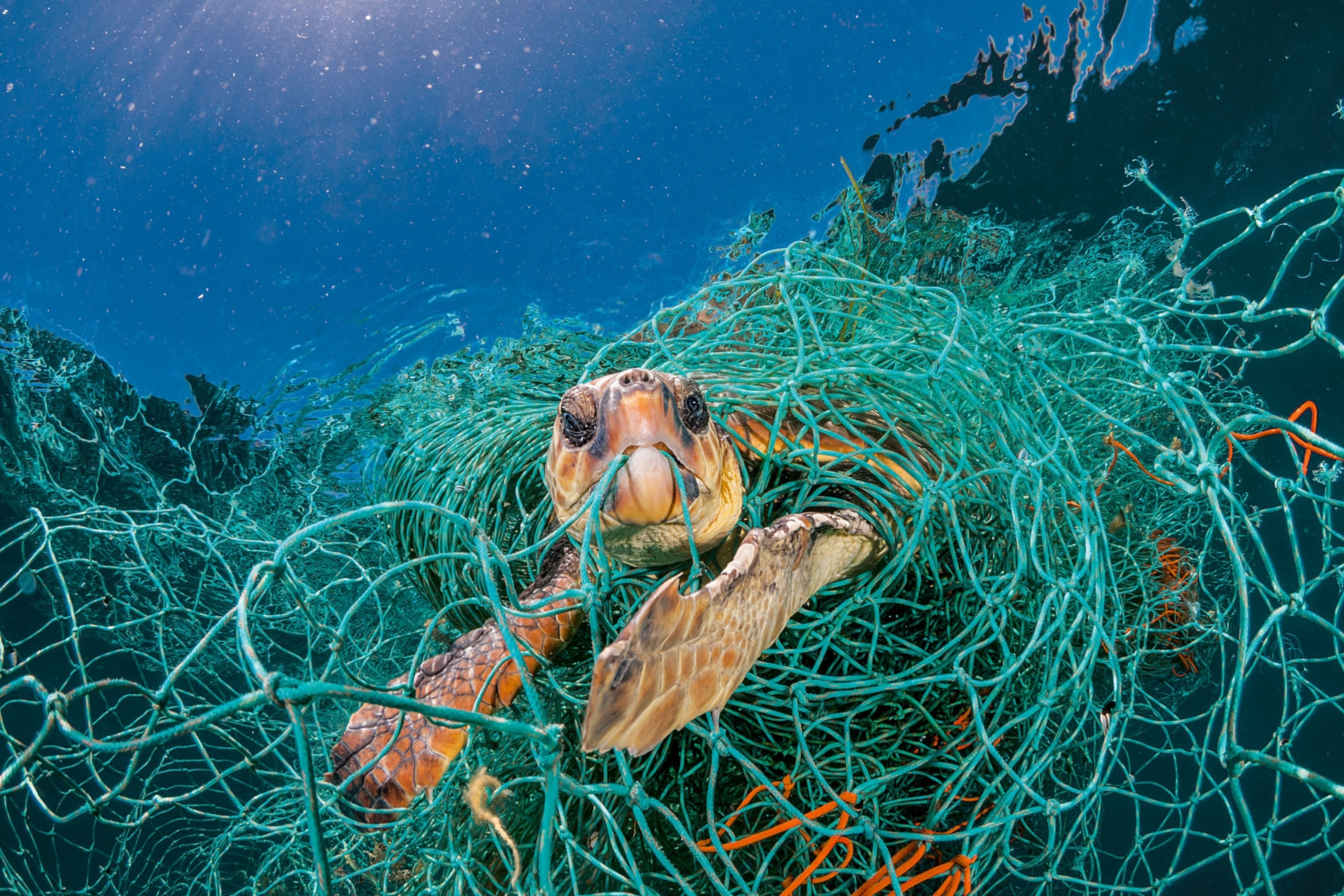
Key Insights
- Physical and Toxicological Damage: Microplastics cause tissue damage, blockages, and ingestion issues across a range of organisms.
- Bioaccumulation and Trophic Transfer: These particles accumulate and magnify through the food chain, potentially impacting human health via seafood.
- Ecosystem and Biogeochemical Disruption: Microplastics disturb nutrient cycling, microbial communities, and overall habitat structures, including coral reefs.
Overview of Microplastics
Microplastics are tiny plastic particles that measure less than 5mm in diameter. Due to their diminutive size and pervasive nature, these particles have become a significant pollutant in marine environments. Their origin ranges from degraded larger plastics to microbeads intentionally used in consumer products. Once in the ocean, they are dispersed by currents and can accumulate in virtually every marine habitat, from surface waters to the deep seafloor.
Direct Impacts on Marine Life
Physical Damage and Ingestion
When marine organisms mistake microplastics for food, the consequences can be dire. The following outlines the primary routes of physical harm:
Ingestion and Mechanical Blockages
Many species—including plankton, fish, shellfish, and even marine mammals—ingest microplastics, leading to several issues:
- Tissue and Organ Damage: Sharp or irregularly shaped microplastics can cause physical injuries, leading to abrasions or perforations in the digestive tract.
- Blockages: Accumulation within the stomach or intestinal tract may result in blockage, reducing nutrient uptake and causing starvation.
- Altered Feeding Behavior: Filling the stomach with indigestible material may reduce the appetite for nutritious food, impacting growth rates and reproductive success.
Bioaccumulation and Biomagnification
The ingestion of microplastics is not an isolated process. Once ingested by small organisms, these particles can be passed up the food chain. Smaller organisms often serve as prey for larger predators, leading to how contaminants accumulate in higher concentrations in organisms at the top of the food chain—a process known as biomagnification. Such accumulation has raised concerns about the potential impacts on human health through the consumption of contaminated seafood.
Chemical Effects and Toxicity
Beyond physical damage, microplastics serve as vectors for chemical pollutants. They can adsorb harmful substances like pesticides, heavy metals, and persistent organic pollutants from the marine environment. When ingested, these chemical contaminants may be released into the bodies of marine organisms, potentially causing:
- Oxidative Stress: Exposure to toxic compounds can result in increased production of reactive oxygen species, leading to cellular damage.
- Metabolic Disruption: Chemical release may alter metabolic processes, reducing growth, altering behavior, and affecting the overall health of marine species.
- Reproductive Impairments: Chronic exposure to these toxins can lead to reduced fertility and developmental delays in offspring.
Indirect and Ecosystem-Level Impacts
Effects on Microbial Communities
Often referred to as the creation of the "plastisphere," microplastics provide a novel substrate for the colonization of various microbes. This ecological niche can alter existing microbial communities in the ocean:
- Altered Nutrient Cycling: Changes in microbial composition can disrupt essential nutrient processes like nitrogen fixation and degradation, impacting overall water quality and ecosystem productivity.
- Symbiotic Relationships: Many marine organisms rely on symbiotic microbes for nutrition and health; disruption of these communities can hamper these crucial relationships.
Habitat Disruption and Coral Reefs
Physical accumulation of microplastics can affect diverse habitats:
Coral Reefs
Coral reefs, known for their rich biodiversity, are particularly vulnerable. Microplastics can:
- Cause Physical Abrasion: Contact with microplastics causes tissue damage on coral surfaces, making them more susceptible to diseases.
- Disrupt Feeding Mechanisms: By smothering coral polyps, microplastics can impede the ability of corals to effectively capture food.
- Interfere with Symbiosis: The balance between corals and their symbiotic algae can be compromised, leading to reduced resilience against environmental stresses.
Seafloor and Benthos
Microplastics that sink to the ocean floor accumulate in benthic environments, altering the physical and chemical characteristics of marine sediments:
- Altered Sediment Structure: The physical presence of plastics can change sediment density and composition.
- Biogeochemical Interference: Decomposing microplastics may affect oxygen levels and nutrient cycling, leading to imbalances that affect benthic organisms.
Impacts on Global Biogeochemical Cycles
The influence of microplastics extends to global processes:
Carbon Cycling
Microplastics interfere with the biological carbon pump. As marine organisms die, they typically transport carbon from the surface to the deep ocean. When contaminated with plastics, this process is altered, potentially affecting the overall sequestration of carbon in the deep sea and contributing to climate change.
Nutrient Cycling and Algal Blooms
Changes in microbial communities and nutrient dynamics may lead to unforeseen consequences like the intensification of harmful algal blooms, which further disrupt the aquatic food web and oxygen levels in the water.
Economic and Human Health Considerations
Fisheries and Coastal Economies
Beyond ecological concerns, the pervasive nature of microplastics poses serious economic risks:
- Decline in Fisheries Productivity: Contamination affects the health and growth rates of commercially important species such as fish and shellfish, potentially leading to a decline in fisheries yield.
- Coastal Tourism: Polluted beaches and declining marine health can diminish the appeal of coastal regions for tourism, impacting local economies.
- Clean-Up Costs: Efforts to manage and mitigate microplastic pollution demand significant financial resources from governments and local communities.
Human Health Implications
Microplastics are not confined to marine environments; they can ultimately affect human health:
- Seafood Safety: As marine organisms accumulate microplastics and associated toxins, these contaminants can be transferred to humans upon consumption.
- Potential Toxicity: The ingestion of toxic chemicals that are carried by microplastics poses health risks, potentially leading to chronic conditions and impairments.
Comprehensive Impact Table
| Category | Specific Impact | Mechanism/Process |
|---|---|---|
| Physical Damage | Tissue injury, blockages, reduced nutrient absorption | Ingestion of sharp particles causing mechanical harm |
| Chemical Toxicity | Oxidative stress, metabolic disruption, reproductive issues | Release of adsorbed pollutants such as heavy metals and pesticides |
| Bioaccumulation | Incremental concentration in organisms leading to food chain magnification | Trophic transfer and biomagnification through consumption by larger predators |
| Microbial Community Disruption | Altered nutrient cycling and symbiotic relationships | Formation of the “plastisphere” that changes microbial dynamics |
| Habitat Disruption | Coral reef damage, altered benthic environment | Physical abrasion, sediment alteration, interference with natural processes |
| Global Biogeochemical Effects | Disruption of carbon and nutrient cycling | Interference with the biological carbon pump and denitrification processes |
| Economic and Human Health Risks | Declining fisheries, coastal tourism impact, health risks via contaminated seafood | Accumulation of plastics and associated toxins affecting marine life and food safety |
References
- Microplastics in Marine Life: The Shocking Truth About Bioaccumulation - Marine Biodiversity
-
Impact of Microplastics on Marine Organisms - ScienceDirect
- Microplastics Pose Risk to Ocean Plankton and Climate - Mongabay
-
NOAA Microplastics Information - NOAA
- Multiple Impacts of Microplastics on Marine Ecosystems - Nature
Recommended Further Exploration
Last updated March 20, 2025