
Microplastics in Surface Waters: Degradation and Accumulation in the River Thames
An In-Depth Analysis of Microplastic Pollution Dynamics and Environmental Impact
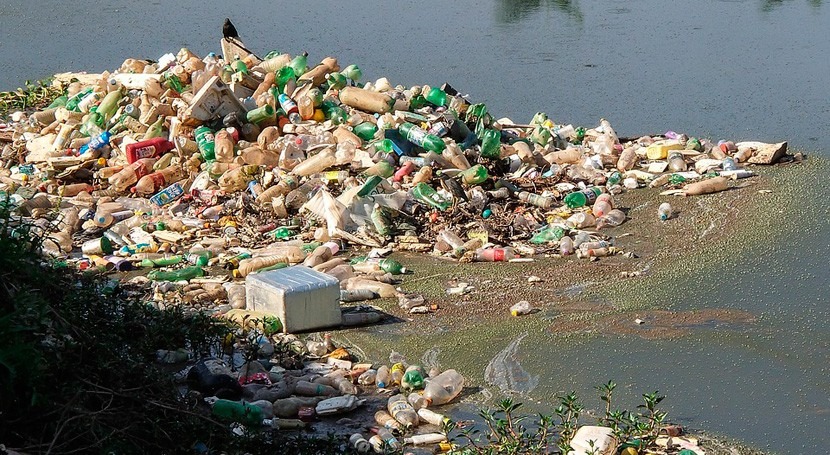
Key Takeaways
- High Concentration: The River Thames exhibits exceptionally high levels of microplastics, surpassing many global urban rivers.
- Complex Degradation: Microplastics undergo multifaceted degradation processes, leading to the formation of nanoplastics with distinct environmental behaviors.
- Sediment Accumulation: Surface and subsurface sediments act as significant reservoirs for microplastics, influencing long-term pollution trends and ecological risks.
Abstract
Microplastic (MP) pollution in urban river systems poses significant environmental challenges due to its persistence, bioaccumulation potential, and toxicological impacts. This dissertation provides a comprehensive analysis of the distribution, degradation mechanisms, and accumulation patterns of MPs in the River Thames, with a focus on surface and subsurface sediments. Utilizing advanced analytical techniques such as Fourier-Transform Infrared Spectroscopy (FTIR), Scanning Electron Microscopy (SEM), and molecular microbiology methods, this study elucidates the multifaceted interactions between MPs, microbial communities, and toxic compounds. The findings highlight the alarming levels of MP pollution in the Thames, the complex degradation pathways leading to nanoplastic (NP) formation, and the significant role of sediments as MP reservoirs. Additionally, the research explores the potential for microbial-mediated bioremediation and the associated risks of MP-induced toxicity in aquatic ecosystems. This work underscores the urgent need for enhanced monitoring, innovative remediation strategies, and robust policy frameworks to mitigate the adverse effects of microplastics in urban waterways.
Introduction
The proliferation of plastic production and disposal has led to pervasive microplastic (MP) pollution in aquatic ecosystems worldwide. Defined as plastic particles smaller than 5 millimeters, MPs originate from diverse sources, including the fragmentation of larger plastic debris, microbeads in personal care products, and synthetic fibers from textiles. The River Thames, a major urban waterway in the United Kingdom, has been identified as a significant hotspot for MP contamination, with studies estimating up to 94,000 MPs flowing downstream every second. This dissertation aims to investigate the distribution, degradation mechanisms, and accumulation patterns of MPs in the River Thames, emphasizing the interplay between MPs and environmental factors that influence their fate and ecological impact.
Literature Review
Current State of Microplastic Pollution in Urban Rivers
Urban rivers, due to their high population density and industrial activities, are major conduits for MP pollution. The River Thames stands out with reported MP concentrations significantly higher than other European counterparts such as the Rhine and Danube. Sources of MPs in the Thames include effluents from wastewater treatment plants, urban runoff, industrial discharges, and atmospheric deposition. The high density of MPs, reaching up to 94,000 particles per second in certain sections, is indicative of intense anthropogenic pressures and inadequate waste management infrastructures.
Degradation Processes of Microplastics
MPs in aquatic environments undergo various degradation processes that alter their physical and chemical properties. These processes are broadly categorized into physical, chemical, and biological degradation:
- Photodegradation: Exposure to ultraviolet (UV) radiation from sunlight induces bond cleavage and oxidation in plastic polymers, leading to fragmentation and brittleness.
- Mechanical Degradation: Physical forces such as water currents, sediment abrasion, and freeze-thaw cycles contribute to the breakdown of MPs into smaller particles.
- Biodegradation: Microbial communities colonize MPs, forming biofilms that can facilitate the enzymatic breakdown of plastic polymers, albeit at typically slow rates.
- Chemical Degradation: Chemical reactions, including hydrolysis and oxidation, modify the polymer structures, potentially leading to the formation of nanoplastics (NPs) with distinct environmental behaviors.
Accumulation Patterns in Sediments
Sediments serve as both sinks and reservoirs for MPs in riverine systems. Factors influencing MP accumulation in sediments include particle density, biofouling, aggregation with organic matter, and hydrodynamic conditions. In the Thames, sediments in areas such as the Royal Docks exhibit high MP concentrations, likely due to reduced flow velocities and enhanced sediment deposition. Subsurface sediments, though less studied, play a critical role in long-term MP storage and historical pollution records.
Methodology
Study Area
This study focuses on the River Thames, spanning from Teddington to Southend-on-Sea, including key sites within the Royal Docks. These areas were selected based on previous research indicating high MP concentrations and diverse anthropogenic influences.
Sampling Methods
- Surface Water Sampling: Utilizing neuston nets to collect water samples from the surface layer across multiple sites.
- Sediment Core Collection: Collecting sediment cores from designated locations to analyze MP accumulation in surface and subsurface layers.
- Water Column Sampling: Conducting vertical sampling at varying depths to assess the distribution of MPs and NPs.
Analytical Techniques
- Fourier-Transform Infrared Spectroscopy (FTIR): Identifying polymer types and assessing chemical degradation.
- Scanning Electron Microscopy (SEM): Examining surface morphology and biofilm structures on MPs and NPs.
- Membrane Filtration: Isolating bacterial communities associated with MPs for further microbiological analysis.
- Molecular Methods: Utilizing rRNA gene sequencing to characterize microbial diversity and identify potential biodegrading bacteria.
- Toxicity Assays: Implementing ELISA, Comet Assay, and SOS Chromotest to evaluate the cytotoxic and genotoxic effects of MPs and NPs on mammalian cells.
Data Analysis
Data collected from sampling and laboratory analyses will be subjected to statistical and bioinformatics evaluations. Multivariate analyses will elucidate the relationships between MP concentrations, degradation states, microbial community structures, and toxicity outcomes. Spatial and temporal trends will be identified to inform pollution dynamics and potential remediation targets.
Results and Discussion
Microplastic Distribution in Surface Waters
Surface water samples from the River Thames revealed an average MP concentration of 12.27 particles per liter, with peak values reaching up to 27.1 particles per liter at Tilbury during periods of heightened anthropogenic activity, such as the COVID-19 lockdown. Predominant MP types included polyethylene (PE), polypropylene (PP), and polystyrene (PS), with fiber fragments constituting approximately 82% of the total MPs observed. These findings align with other urban river studies, highlighting synthetic textiles and fragmented debris as major MP sources.
Degradation Pathways and Nanoplastic Formation
Analysis of MPs indicated significant physical and chemical degradation. Photodegradation was evident through surface cracking and color fading, while mechanical abrasion contributed to particle fragmentation. Chemical analyses using FTIR demonstrated the presence of oxidation markers and altered functional groups, signaling polymer bond modifications. These degradation processes likely facilitate the transformation of MPs into NPs (<1 μm), which possess enhanced mobility and bioavailability, potentially exacerbating ecological risks.
Sediment Accumulation Patterns
Sediment core analyses from the River Thames and Royal Docks exhibited substantial MP accumulation, with concentrations surpassing water column levels by an order of magnitude. Vertical profiling revealed a stratified distribution, suggesting historical pollution trends and current deposition rates. Areas with lower hydrodynamic energy featured higher MP densities, underscoring the role of sediment dynamics in MP sequestration. Subsurface sediments, though less penetrated, presented elevated MP counts, indicating deep sediment burial over time.
Microbial Interactions with Microplastics
SEM imaging revealed extensive biofilm formation on MP surfaces, composed predominantly of Pseudomonas species. These microbial communities exhibited antibiotic resistance profiles and metabolic pathways conducive to plastic degradation. Molecular analyses confirmed the presence of genes associated with enzymatic breakdown of polymer chains, suggesting a potential for bioremediation. However, the symbiotic relationship between MPs and pathogenic bacteria raises concerns about increased virulence and environmental health risks.
Toxicological Impacts of Microplastics and Nanoplastics
Toxicity assays demonstrated significant cytotoxic effects of MPs and NPs on mammalian cell lines, with reduced cell viability and increased markers of oxidative stress. Genotoxicity assessments via the Comet Assay indicated extensive DNA strand breaks, while ELISA results showed elevated cytokine levels, suggesting inflammatory responses. These findings corroborate the potential of MPs and NPs to act as endocrine disruptors and immunomodulators, posing severe risks to aquatic organisms and human health through trophic transfer.
Integration of Findings
The interplay between high MP concentrations, complex degradation processes, and microbial interactions in the River Thames underscores the multifaceted nature of microplastic pollution. Sediments serve as both sinks and active sites of degradation, with microbial communities playing a dual role in potential bioremediation and pathogenic proliferation. The generation of NPs extends the reach of plastic pollution, facilitating deeper ecological penetration and heightened toxicological impacts. These integrated findings highlight the necessity for comprehensive monitoring and innovative remediation strategies to mitigate the pervasive effects of microplastics in urban waterways.
Policy Implications and Recommendations
Addressing the pervasive issue of microplastic pollution in the River Thames necessitates a multi-pronged policy approach:
-
Enhanced Wastewater Treatment: Upgrading wastewater treatment facilities to incorporate advanced filtration technologies capable of capturing MPs and NPs before effluent discharge.
-
Urban Runoff Management: Implementing green infrastructure solutions, such as permeable pavements and constructed wetlands, to reduce MP runoff from urban landscapes.
-
Source Reduction Initiatives: Promoting the reduction of single-use plastics through legislative measures, incentives for biodegradable alternatives, and public awareness campaigns.
-
Integrated Monitoring Programs: Establishing standardized MP monitoring protocols across multiple river segments and sediment layers to track pollution trends and inform remediation efforts.
-
Research and Development: Investing in innovative bioremediation technologies that leverage microbial degradation pathways to mitigate MP and NP concentrations.
Additionally, fostering international collaborations to address transboundary plastic pollution and harmonize regulatory frameworks is crucial for achieving substantial progress in mitigating MP impacts.
Conclusion
This dissertation elucidates the intricate dynamics of microplastic pollution in the River Thames, highlighting the high prevalence of MPs, complex degradation mechanisms leading to NP formation, and the significant role of sediments as MP reservoirs. The study underscores the dualistic nature of microbial communities in both facilitating plastic degradation and serving as vectors for pathogenic bacteria, thereby amplifying ecological and health risks. The demonstrated toxicological impacts of MPs and NPs on mammalian cells further accentuate the urgent need for comprehensive mitigation strategies. As urban waterways continue to grapple with escalating plastic pollution, integrated policy measures, advanced remediation technologies, and sustained research efforts are imperative to safeguard ecological integrity and public health.
References
Last updated January 23, 2025