
Microplastics Research Team: An Interdisciplinary Approach to Understanding Plastic Pollution
Exploring Micro- and Nanoplastic Pollution in the River Thames and Royal Docks
Key Takeaways
- Comprehensive Analysis: The team employs multidisciplinary methods to study microplastics, including environmental sampling, microbiological analysis, and toxicological assessments.
- Bacterial Interactions: Research focuses on how bacterial communities interact with microplastics, exploring biofilm formation and antibiotic resistance.
- Health Implications: The potential toxicological effects of microplastics on mammalian cells are being rigorously evaluated to understand risks to human health.
Introduction
Background
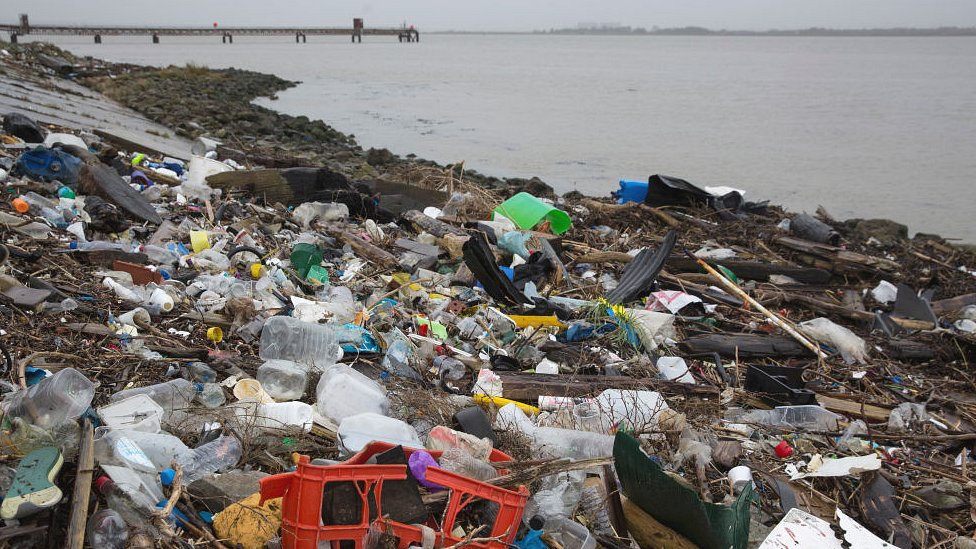
Plastic pollution has emerged as a significant environmental challenge, particularly in aquatic ecosystems. Microplastics (MPs), defined as plastic particles smaller than 5 millimeters, and nanoplastics (NPs), even smaller in size, are pervasive pollutants that persist in waterways, posing threats to both ecological and human health. The River Thames, one of the UK's most iconic waterways, and the adjacent Royal Docks are critical areas of study due to their high levels of urban and industrial activity, making them hotspots for plastic contamination.
Research Objectives
The Microplastics Research Team aims to:
- Quantify and characterize the abundance and distribution of MPs and NPs in the River Thames and Royal Docks.
- Investigate the interactions between MPs/NPs and bacterial communities, focusing on biofilm formation and antibiotic resistance.
- Assess the toxicological impacts of MPs/NPs on mammalian cells, including genotoxic and endocrine-disrupting effects.
- Explore the potential of bacterial bioremediation as a sustainable solution to mitigate microplastic pollution.
- Supervise and mentor students across undergraduate, postgraduate, MRes, and PhD levels on related research topics.
Literature Review
Microplastics in Aquatic Environments
Microplastics originate from various sources, including the fragmentation of larger plastic debris, microbeads from personal care products, and synthetic fibers from textiles. Rivers like the Thames act as conduits, transporting MPs from terrestrial sources to marine ecosystems. Studies have shown that MPs can adsorb harmful chemicals, such as heavy metals and persistent organic pollutants, increasing their toxicity and facilitating their entry into food webs.
Bacterial Interactions with Microplastics
Bacterial communities readily colonize the surfaces of microplastics, forming biofilms that can influence the degradation and transport of these particles. Certain bacteria possess the ability to degrade plastic polymers, presenting opportunities for bioremediation. However, MPs can also serve as vectors for pathogenic bacteria and antibiotic resistance genes (ARGs), raising concerns about the spread of antimicrobial resistance through environmental pathways.
Toxicological Impacts of Microplastics
Exposure to MPs and NPs has been linked to various adverse effects in aquatic organisms, including physical harm from ingestion and entanglement. At the cellular level, MPs/NPs can induce oxidative stress, genotoxicity, and endocrine disruption. These effects are exacerbated by the adsorption of toxic compounds onto MP surfaces, which can be released upon ingestion by organisms.
Bioremediation Potential
The ability of certain bacterial species to degrade plastic polymers offers a promising avenue for bioremediation of microplastic pollution. Understanding the mechanisms through which bacteria interact with MPs/NPs is crucial for developing effective bioremediation strategies. Additionally, the role of MPs in spreading ARGs necessitates a balanced approach to utilizing bacterial bioremediation to mitigate potential health risks.
Methodology
Study Sites
The research focuses on two primary locations:
- River Thames: Selected sites along the tidal Thames, including Teddington and Southend-on-Sea, provide diverse environmental conditions for MP/NP distribution analysis.
- Royal Docks: A man-made waterbody in East London, known for its high levels of urban pollution, serves as a critical site for studying the accumulation and degradation of MPs/NPs.
Sample Collection and Processing
Water and sediment samples are collected monthly from each site using standardized protocols to ensure consistency. Water samples are collected using neuston nets and grab samplers, while sediment cores are obtained using specialized corers.
Sample processing involves filtration, microscopic examination, and density separation to isolate MPs and NPs. Subsequently, Fourier-Transform Infrared Spectroscopy (FTIR) and Scanning Electron Microscopy (SEM) are employed to identify polymer types and characterize particle morphology.
Microbial Analysis
Bacterial communities associated with MPs/NPs are isolated using membrane filtration techniques. Cultivation of bacterial cultures, coupled with phenotypic characterization and molecular methods such as 16S rRNA gene sequencing, facilitates the identification of microbial species. Bioinformatics tools are utilized to analyze bacterial phylogeny and functional gene profiles.
Toxicological Assessment
The toxicological impacts of MPs/NPs are evaluated using in vitro assays involving mammalian cell lines. Cell viability and proliferation are assessed using MTT assays, while genotoxic effects are measured using comet assays and SOS chromotests. Inflammatory responses are quantified through ELISA, and endocrine-disrupting activities are evaluated using reporter gene assays.
Antibiotic Susceptibility Testing
Antibiotic resistance profiles of isolated bacteria are determined using disk diffusion methods. This assesses the potential of MPs/NPs to facilitate the spread of ARGs in aquatic environments.
Results and Discussion
Abundance and Distribution of Microplastics
High concentrations of MPs were detected in both the River Thames and Royal Docks, with notable seasonal variations. Urban areas exhibited higher MP densities compared to less industrialized sites. The most prevalent polymer types identified include polyethylene, polypropylene, and polystyrene, consistent with common consumer plastics.
Bacterial Biofilms and Antibiotic Resistance
Bacterial biofilms were extensively observed on MP surfaces, with certain isolates demonstrating the capability to degrade plastic polymers. However, a significant presence of antibiotic-resistant bacteria was noted, underscoring the role of MPs as vectors for ARGs. This finding aligns with concerns about the environmental dissemination of antimicrobial resistance through marine pollution.
Toxicological Impacts on Mammalian Cells
Exposure to MPs/NPs resulted in dose-dependent reductions in cell viability and proliferation. Genotoxicity assays revealed increased DNA damage in exposed cells, while ELISA indicated elevated levels of pro-inflammatory cytokines. Endocrine-disrupting effects were also observed, highlighting the multifaceted health risks posed by microplastic pollution.
Bioremediation Potential
Isolates capable of degrading plastic polymers offer promising avenues for bioremediation. However, the coexistence of antibiotic-resistant strains necessitates careful consideration of potential health risks associated with microbial bioremediation strategies. Future research will focus on optimizing bacterial degradation pathways while mitigating the spread of ARGs.
Conclusion
The interdisciplinary efforts of the Microplastics Research Team have provided a comprehensive understanding of microplastic pollution in the River Thames and Royal Docks. Findings reveal significant MP/NP abundance, intricate interactions with bacterial communities, and substantial toxicological impacts on mammalian cells. While bacterial bioremediation presents a viable solution to mitigate plastic pollution, challenges related to antibiotic resistance necessitate further research and strategic intervention.
Implications for Environmental Management
Effective management of microplastic pollution requires integrated approaches that encompass pollution prevention, active remediation, and regulation of plastic usage. Policies aimed at reducing plastic waste, improving wastewater treatment processes, and monitoring environmental health are essential. Additionally, advancing bioremediation technologies while addressing antimicrobial resistance will be crucial for sustainable pollution management.
Future Research Directions
Future research will focus on:
- Long-term monitoring of MP/NP trends to evaluate the effectiveness of mitigation strategies.
- Exploring the genetic and metabolic pathways of plastic-degrading bacteria to enhance bioremediation efficiency.
- Assessing the cumulative and synergistic effects of MPs/NPs and co-contaminants on environmental and human health.
- Developing standardized protocols for MP/NP detection and characterization to facilitate global comparative studies.
References
- Devereux, R., Ayati B., Newport, D., Jayaratne, R., Westhead, E.K. (2023). "The Great Source" - microplastic abundance and characteristics along the River Thames. Marine Pollution Bulletin, 191, 114965. https://doi.org/10.1016/j.marpolbul.2023.114965
- Devereux, R., Westhead, E.K., Jayaratne, R., Ayati B., Newport, D. (2023). Impact of the Covid-19 pandemic on microplastic abundance along the River Thames. Marine Pollution Bulletin, 189, 114763. https://doi.org/10.1016/j.marpolbul.2023.114763
- Devereux, R., Kebede-Westhead, E., Jayaratne, R., Newport, D. (2022). Microplastic abundance in the Thames River during the New Year period. Marine Pollution Bulletin, 177, 113534. https://doi.org/10.1016/j.marpolbul.2022.113534
- Sattar, A.A., Good, C.R., Saletes, M., Brandão, J., Jackson, S.K. (2022). Endotoxin as a Marker for Water Quality. International Journal of Environmental Research and Public Health, 19(24), 16528. https://doi.org/10.3390/ijerph192416528
- Sattar, A.A., Abate, W., Fejer, G., Bradley, G., Jackson, S.K. (2019). Evaluation of the proinflammatory effects of contaminated bathing water. Journal of Toxicology and Environmental Health, Part A, 82(20), 1076-1087.
- BBC Future. (2024). How 4 July fireworks pollute the air and might damage your health. https://www.bbc.co.uk/future/article/20240703-how-4-july-fireworks-pollute-the-air-and-might-damage-your-health
This dissertation synthesizes current research to provide a holistic understanding of microplastic pollution in the River Thames and Royal Docks. The findings emphasize the urgent need for targeted interventions to reduce plastic waste and mitigate its environmental and health impacts. The exploration of bacterial bioremediation presents promising solutions, though further research is essential to optimize these methods and address associated risks.
Last updated January 23, 2025