
Understanding Microscopes and Their Importance
Exploring the Instrument that Expands Our Worldview
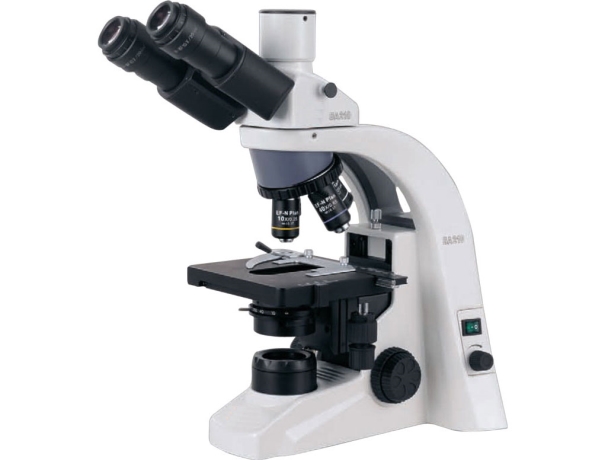
Key Highlights
- Reveals the Invisible: Microscopes magnify tiny objects, allowing us to see details that are otherwise hidden to the naked eye.
- Advances Scientific Research: They are indispensable tools in biology, medicine, materials science, and engineering.
- Enhances Learning: Microscopes stimulate scientific curiosity and offer hands-on educational experiences, bridging theory and practice.
Introduction
A microscope is a scientific instrument designed to magnify small objects and detailed structures, making it possible to observe objects that would be invisible to the unaided human eye. The invention and continual development of the microscope have revolutionized our understanding of the natural world, from unveiling the intricacies of cellular biology to enabling the advances in materials engineering. Microscopes not only contribute to groundbreaking scientific research but also play a pivotal role in various fields including medicine, education, industry, and technology.
The word "microscope" is derived from the Greek words "mikros," meaning "small," and "skopein," meaning "to look at" or "examine." This etymology captures the essence of what microscopes do—they extend our vision into a realm that is otherwise inaccessible, opening up an entirely new dimension of exploration and discovery.
Types of Microscopes
There is a diverse range of microscopes available, each designed for specific applications. The two broad categories include optical and electron microscopes, though within these categories there are numerous subtypes that have specialized functions.
Optical Microscopes
Optical microscopes, also known as light microscopes, are the most common type and are widely used in classrooms, laboratories, and diagnostic centers. They function by using visible light and a system of lenses to magnify a specimen. The most basic form is the simple microscope, like a magnifying glass, but the compound microscope, which uses multiple lenses, provides higher magnification and better resolution.
Compound Microscopes
Compound microscopes are designed with multiple objective lenses with varying magnifications. This design allows the user to switch between different levels of detail, making them ideal for diverse applications in biological research and clinical diagnostics.
Fluorescence and Confocal Microscopes
Advanced optical microscopes such as fluorescence and confocal microscopes employ specific wavelengths of light to highlight selected components within a specimen. These microscopes enable researchers to study dynamic processes within cells by tagging different organelles or molecules with fluorescent markers.
Electron Microscopes
Electron microscopes surpass the limitations of optical microscopes by utilizing beams of electrons instead of light, which allows for much higher resolution imaging. One common electron microscope is the transmission electron microscope (TEM), which transmits electrons through a thin specimen to generate highly detailed images of the internal structure. The scanning electron microscope (SEM) scans a specimen's surface with an electron beam, providing a three-dimensional appearance with high resolution.
Electron microscopes are essential tools in materials science, nanotechnology, and advanced biological research, enabling the visualization of structures at sub-molecular and even atomic scales.
How Microscopes Work
Regardless of the type, the fundamental principle behind every microscope is the magnification of small objects to make them observable. This process involves the use of a series of lenses (or electron beams in certain microscopes) to enlarge the image of the specimen. In optical microscopes, light from a source passes through a specimen and is then focused by the objective lens. The eyepiece then further magnifies this image for the observer.
In electron microscopes, the specimen is bombarded with electrons that interact with the sample. These interactions are then detected and used to construct a highly magnified image. Specialized detectors and computational image processing help achieve contrasts in materials that are otherwise undetectable using traditional light.
A simplified way to understand the process is through the lens equation commonly associated with optical microscopy:
$$\frac{1}{f} = \frac{1}{d_o} + \frac{1}{d_i}$$
In this equation, f represents the focal length of the lens, d_o is the distance from the object to the lens, and d_i is the distance from the lens to the image. This equation underscores the relationship between the components of the microscope and is the basis for designing instruments that can effectively magnify minute details.
Applications and Importance of Microscopes
The significance of microscopes extends well beyond simple magnification; they are instrumental in expanding human knowledge and technological capabilities. Below are several critical areas where microscopes play a transformative role:
Scientific Research
Biological and Medical Research: Microscopes have been the cornerstone of biological discoveries. They allow scientists to examine cells and tissues in extraordinary detail, leading to a better understanding of cellular processes, genetics, and molecular biology. This level of detail is paramount when investigating the complexities of diseases, as well as the intricate structures of organisms from bacteria to human cells.
In medical research, the microscope is indispensable for diagnosing conditions and investigating pathogens. For instance, tissue biopsies and blood smears are routinely examined under microscopes to identify abnormalities such as cancerous cells or the presence of infectious microorganisms like bacteria and viruses. These capabilities lead to early and accurate diagnosis, which is crucial for effective treatment.
Advancements in Cellular Biology
Microscopes allow for the in-depth study of cellular structures such as mitochondria, nuclei, and cytoskeletal components. This deep insight facilitates research into how cells interact, how genetic material is organized and expressed, and how cellular anomalies lead to disease. The progress made in cell biology has informed the development of targeted therapies and personalized medicine.
Interdisciplinary Scientific Applications
Beyond biology and medicine, microscopes are essential in other scientific fields such as chemistry, physics, and geology. For example, in materials science, the electron microscope is used to analyze the microstructure of metals, ceramics, polymers, and semiconductors. This analysis allows researchers to understand the properties and behaviors of materials at the atomic scale, which is crucial in designing new materials with specific, desirable qualities.
Medical Diagnostics and Therapeutics
Diagnostic Tool: In the realm of healthcare, microscopes are fundamental in the diagnosis of diseases. Pathologists rely on high-resolution images to make informed diagnoses of cancers, infections, and blood disorders. The ability to see subtle deviations from normal cell structure often determines the course of treatment.
Surgical Precision and Microsurgery: Specialized microscopes are used during surgeries where precision is critical. For example, in neurosurgery or microsurgery, surgeons use microscopes to navigate complex and delicate tissues with extraordinary accuracy. This level of detail minimizes damage to surrounding tissues and improves patient outcomes.
Pharmaceutical Development
The pharmaceutical industry utilizes microscopy in several phases of drug development. Microscopic techniques are used to identify chemical structures, study the interactions between drugs and their targets, and assess the purity of compounds. High-resolution imaging helps to validate the efficiency and safety of newly developed drugs before they enter clinical trials.
Educational Value
Hands-On Learning: In educational settings, microscopes serve as an essential tool in bridging theoretical knowledge with practical observation. Students in biology, chemistry, and related disciplines gain an immersive learning experience by directly observing structures that are typically covered only in textbooks.
The use of microscopes in classrooms encourages inquiry-based learning and cultivates critical thinking. By witnessing real-world examples of cellular structures, students can better understand complex scientific concepts and engage in experiential learning.
Stimulating Scientific Curiosity
Introducing students to the fascinating world that lies beneath the surface fosters an early interest in scientific research and innovation. Such experiences not only enhance academic knowledge but also inspire many young minds to pursue careers in science and technology.
Industrial and Technological Applications
Nanotechnology and Materials Engineering: In modern technology, microscopes are essential for the development and manufacturing of electronic components. For instance, electron microscopy is vital in the production of semiconductor devices, where the intricate design of microchips relies on the precise observation of conductive pathways and material flaws.
Quality Control: In various industries, microscopy is employed for quality control and failure analysis. When a product does not meet the strict standards of modern manufacturing, detailed microscopic examination can reveal defects that may compromise the product’s functionality or safety.
Materials Characterization
In material science, microscopes help in understanding the composition and structural properties of substances ranging from metals and polymers to ceramics. Detailed imagery allows engineers to optimize production processes, leading to improved durability and performance of materials used in consumer products, aerospace, and automotive industries.
Technological Advancements and Research Breakthroughs
Historical Impact: The microscope has a rich history of scientific advancement that dates back to pioneers like Antonie van Leeuwenhoek, who dramatically expanded our understanding of living organisms by observing bacteria and protozoa for the first time. This legacy continues to influence contemporary scientific research.
Current Innovations: Today, advances in microscope technology are ongoing, with innovations such as super-resolution microscopy and cryo-electron microscopy pushing the boundaries of what can be visualized. These techniques have unlocked new frontiers in molecular biology, allowing researchers to observe proteins, nucleic acids, and other macromolecules in unprecedented detail.
Comparative Overview via HTML Table
The following table provides a summary comparison of the major types of microscopes along with their applications:
| Type of Microscope | Working Principle | Resolution | Main Applications |
|---|---|---|---|
| Optical (Light) Microscope | Visible light and lenses | Up to ~200 nm | Biological samples, educational labs, medical diagnostics |
| Transmission Electron Microscope (TEM) | Electron beam transmitted through specimen | Sub-nanometer scale | Cellular ultrastructure, materials research |
| Scanning Electron Microscope (SEM) | Electron beam scans the surface | Nanoscale (<10 nm) | Surface morphology, industrial materials analysis |
| Fluorescence Microscope | Fluorescent tagging and light emission | Similar to optical microscopes but enhanced contrast | Cellular components, molecular biology research |
In-depth Analysis of Microscope Importance
The comprehensive importance of microscopes is reflected not only in their diverse applications but also in how they have expanded the frontiers of knowledge across multiple disciplines. Their multifunctional use in both basic and applied sciences has made them indispensable instruments in laboratories and industries worldwide.
In research, microscopes fuel innovation by providing a window into the unseen world. Observing the minute details of cellular processes and material composition accelerates the pace of scientific discovery. This amplification of visibility is particularly valuable in molecular and cellular biology, where complex biological processes occur at scales far too small for unaided observation.
Consider, for example, the development of targeted therapies in medicine. By carefully examining how drugs interact at the cellular level, researchers can design more effective treatments with fewer side effects. This microscopic insight into disease pathology has led to significant improvements in patient outcomes and has also supported advancements in personalized medicine, where treatment is tailored based on detailed cellular diagnosis.
In educational settings, microscopes play an essential dual role. They are powerful tools that both demonstrate scientific principles and inspire the next generation of scientists. When students can directly observe the minutiae of life and matter, abstract scientific concepts become tangible and engaging. These eye-opening experiences foster curiosity, drive inquiry, and ultimately encourage aspiring scientists to pursue careers in research and innovation.
Moreover, the role of microscopes in industrial applications cannot be overstated. With the ongoing miniaturization of devices and components in electronics and nanotechnology, precision observation at the nanoscale is crucial. Microscopes enable engineers to detect minute defects and variances in manufactured materials, ensuring quality control and guiding further innovations in material development.
Beyond research and industry, microscopes have also been vital in fields such as forensic science, where detailed examinations of trace evidence can be pivotal in solving crimes. This multifaceted utility underlines the indispensable role microscopes play across a variety of sectors.
Future Prospects in Microscopy
Looking forward, the evolution of microscopy continues to promise even greater breakthroughs. With advancements in digital imaging, computational analysis, and the integration of artificial intelligence, microscopes are becoming even more powerful and versatile. For instance, the development of automated image analysis systems allows researchers to quantify cellular changes with unprecedented accuracy, further refining diagnostic capabilities.
Emerging methods like super-resolution microscopy have already begun to challenge the conventional limits imposed by light diffraction, enabling scientists to view molecular interactions in live cells in real time. Similarly, developments in cryo-electron microscopy have opened new pathways for studying biochemical processes without damaging delicate specimens.
These technological advances are not confined to academic research alone; they are significantly impacting practical applications in medicine, industry, and beyond. In materials research, improved imaging methods continue to support the design and synthesis of advanced composite materials. In the realm of diagnostics, higher-resolution imaging facilitates earlier detection of diseases, thereby transforming patient care and treatment outcomes.
Conclusion
In conclusion, microscopes are far more than simple magnifying instruments—they are gateways to understanding the complexities of the micro-world. From their critical role in biological and medical research to their transformative impact in education and industry, microscopes have redefined how we observe, understand, and interact with the scientific world. The advancement of microscopy continues to push the boundaries of innovation, playing an essential part in diagnosing diseases, developing advanced materials, and inspiring curiosity in generations of students. As the technology progresses, the future of microscopy promises even deeper insights into the unseen, further solidifying its role as an indispensable tool in scientific discovery and technological advancement.
References
- Microscopes - Education | National Geographic Society
- Microscope | Britannica
- Microscopy - Wikipedia
- Microscope - Lab Tests Guide
- Importance of Microscope in our Daily Life - Magnus
- The Microscope | Science Museum
- Exploring with Microscopes – Introduction | Science Learning Hub
- The Role of Microscopes in Medical Research and Diagnostics - Magnus
- Importance of Biological Microscope in Lab - Scitek Global
- Why Are Microscopes Important for Student Engagement? - Foldscope
- What Is Microscopy & How Is It Used in the Lab? - Excedr
- 1.4: Microscopy - Biology LibreTexts
Recommended Queries
Last updated February 20, 2025