
Unpacking Microsoft's Financial Fortress: A Deep Dive into Its Credit Risk Profile
Explore the factors contributing to Microsoft's strong credit standing, from financial health to advanced risk management strategies.
Highlights of Microsoft's Creditworthiness
- Low Credit Risk Score: Financial analysts assign Microsoft a very low credit risk score, indicating high confidence in its ability to meet financial obligations.
- Robust Financial Health: Strong revenue streams, profitability, substantial cash reserves, and favorable financial ratios underpin its financial stability.
- Comprehensive Risk Management: Microsoft employs a sophisticated, multi-layered approach to managing operational, security, compliance, and financial risks across its global operations.
Understanding Credit Risk and Microsoft's Position
What Does Credit Risk Mean for a Tech Giant?
Credit risk represents the potential financial loss that could occur if a borrower or counterparty fails to meet its debt obligations. For a global corporation like Microsoft, assessing credit risk involves evaluating its financial stability, management effectiveness, market position, and exposure to various economic and operational threats. Investors, partners, and financial institutions closely monitor this risk to make informed decisions.
Microsoft Corporation (MSFT) is widely regarded as having a strong credit profile. This perception is built on its consistent financial performance, dominant market presence in various tech sectors (like cloud computing with Azure, productivity software with Microsoft 365, and operating systems with Windows), and a proactive approach to managing potential risks.

Microsoft's financial performance is a key factor in assessing its credit risk.
Quantitative Assessment: Scores and Ratings
Measuring Financial Reliability
One direct measure of Microsoft's creditworthiness comes from specialized financial analytics providers. These firms use complex models to evaluate various financial and non-financial factors.
Key Risk Indicators
- Infront Analytics Risk Score: Microsoft holds a Risk Score of 9.00 out of 10, according to Infront Analytics. In this scale, 10 represents very low risk, and 0 indicates very high risk. A score of 9 positions Microsoft among the most creditworthy corporations globally, suggesting minimal bankruptcy risk and strong financial stability.
- Credit Agency Ratings: While specific, real-time ratings from agencies like Moody's, S&P, and Fitch require subscriptions, Microsoft historically maintains high-grade investment ratings from these major agencies. These ratings reflect expert opinions on the company's ability to repay debt and its overall financial health.
- CreditRiskMonitor Reports: Services like CreditRiskMonitor provide commercial credit reports that include detailed financial risk analytics, bankruptcy risk scores (like the FRISK® score), and analyses of financial statements, further substantiating Microsoft's low-risk profile.

General concept of credit scoring ranges, illustrating where a low-risk entity like Microsoft would typically fall.
Financial Health: The Bedrock of Low Risk
Analyzing Microsoft's Financial Statements
Microsoft's low credit risk is fundamentally supported by its exceptional financial health. Consistent revenue growth, particularly from its cloud division (Azure) and subscription services (Microsoft 365), generates substantial profits and cash flow. This financial strength provides a significant buffer against economic downturns and unforeseen challenges.
Key Financial Metrics
Analysis of Microsoft's financial data reveals strong performance in key credit-related metrics:
- Revenue and Profitability: Sustained growth in revenue and net income demonstrates market leadership and operational efficiency.
- Cash Reserves: Microsoft maintains significant cash and short-term investments, providing liquidity to meet obligations and fund strategic initiatives.
- Coverage Ratios: Metrics like the Time Interest Earned (TIE) ratio and EBITDA Interest Coverage ratio consistently show that Microsoft generates more than enough earnings to cover its interest expenses comfortably. Data from periods like 2019-2021 indicated improvements in these ratios, signaling enhanced financial resilience.
Financial Performance Snapshot Table
The following table provides a conceptual overview of the types of financial indicators used in credit risk analysis, illustrating Microsoft's typical strength in these areas (note: specific figures vary by reporting period and require access to detailed financial reports).
| Indicator | Typical Assessment for Microsoft | Significance for Credit Risk |
|---|---|---|
| Revenue Growth | Consistently Positive | Indicates market demand and business expansion. |
| Profit Margins | Strong / Healthy | Shows operational efficiency and pricing power. |
| Cash Flow from Operations | Substantial & Growing | Ensures liquidity to cover debts and investments. |
| Debt-to-Equity Ratio | Moderate / Well-Managed | Reflects prudent use of leverage. |
| Interest Coverage Ratio (e.g., TIE) | Very High | Demonstrates ample ability to meet interest payments. |
This strong financial foundation is a primary reason why credit rating agencies and financial analysts view Microsoft as a low-risk entity.
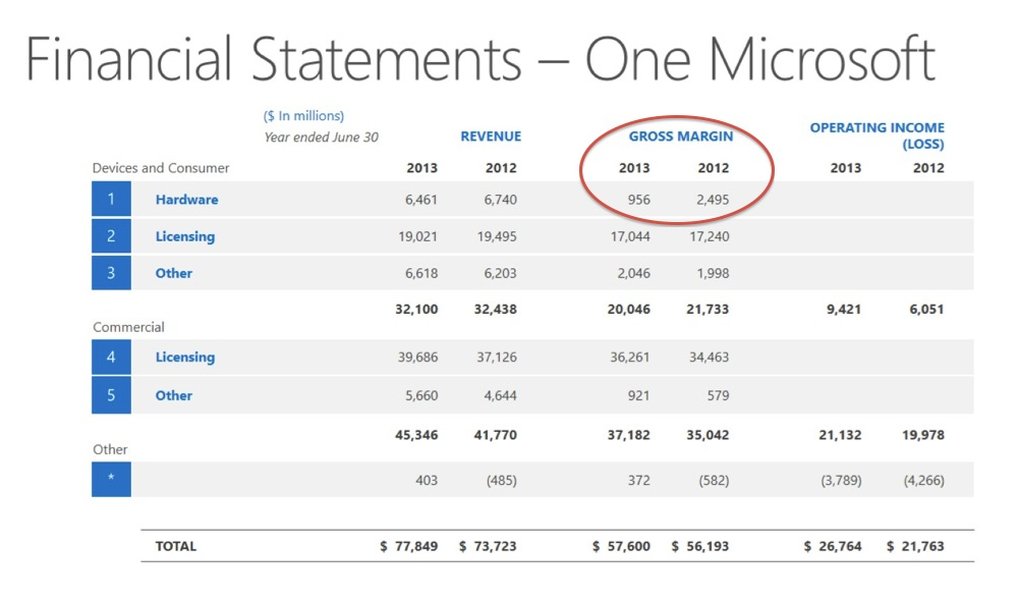
Visualizing financial trends helps in understanding long-term stability.
Microsoft's Comprehensive Risk Management Framework
Beyond Finance: A Holistic Approach
Microsoft's approach to risk extends far beyond just financial metrics. The company employs a sophisticated Governance, Risk, and Compliance (GRC) framework integrated across its operations, particularly for its cloud services like Microsoft 365 and Azure.
Key Components of the Framework
- Operational Risk Management: Microsoft identifies, assesses, and manages risks related to its service delivery. Their program includes strategies like "Tolerate" (for low risks) and "Operate" (where controls are adequate), ensuring service continuity and reliability.
- Security and Compliance: Adherence to numerous regulatory and compliance frameworks (e.g., ISO 27001, SOC 2) is crucial. Microsoft's security governance, governed by the Microsoft Security Policy, ensures secure operation and protects against threats that could lead to financial loss or reputational damage.
- Insider Risk Management: Tools like Microsoft Purview Insider Risk Management help mitigate risks arising from internal sources, such as data theft or policy violations, which can have significant financial repercussions.
- Cloud Risk Assessment Guidance: Microsoft provides guidance to its customers on conducting their own risk assessments, acknowledging the shared responsibility model in cloud environments and promoting standardized risk management practices.
Risk Factor Assessment Radar Chart
This chart visualizes a qualitative assessment of Microsoft's strength across various risk dimensions relevant to its overall credit profile. Higher scores indicate stronger performance or lower risk in that area.
This visual representation highlights Microsoft's strong performance across multiple critical areas, reinforcing its low overall risk profile.
Leveraging Technology for Risk Mitigation
AI and Automation in Credit Risk Management
Microsoft not only manages its own credit risk effectively but also develops and provides cutting-edge tools that help other organizations do the same. This demonstrates deep expertise in the field and potentially incorporates these advanced techniques into its own internal processes.
Microsoft's Credit Risk Solutions
- Azure and AppSource Tools: Platforms like Microsoft Azure Marketplace and AppSource host solutions designed for credit risk management. Examples include "Credit Risk Management Automation for Banks" and "Customer Credit Risk Management," which leverage AI, machine learning, and automation to enhance credit evaluation, monitoring, and fraud detection.
- Partnership with Moody's: A significant collaboration involves Moody's, integrating generative AI with Moody's extensive data and analytics. This partnership aims to deliver enhanced risk assessment, data analytics, and research capabilities, particularly for corporate intelligence and creditworthiness analysis.
- Open-Source Solutions: Microsoft has contributed open-source solutions, like the "Microsoft Loan Credit Risk Solution" on GitHub, which uses machine learning models and Power BI to predict loan defaults, showcasing their technical capabilities in predictive risk analytics.
- Microsoft Defender for Individuals: While focused on consumers, this service includes credit monitoring features (via Experian partnership), indicating an awareness of credit health importance across different user bases.
Video: Risk Assessment with Microsoft 365 Copilot & Moody's Data
The following video demonstrates how Microsoft technologies, like Microsoft 365 Copilot, combined with partner data (Moody's), can be used to enhance risk assessment processes, specifically showing an application for corporate bankers assessing credit lines. This highlights the practical application of Microsoft's tools in sophisticated financial risk analysis.
Mindmap: Key Factors Influencing Microsoft's Credit Risk
Visualizing the Interconnected Elements
This mindmap illustrates the interconnected factors that contribute to the overall assessment of Microsoft's credit risk profile. It shows how financial health, strategic management, technology, and market environment collectively shape its creditworthiness.
Understanding these diverse elements provides a holistic view of why Microsoft is generally considered a low-credit-risk entity.
Frequently Asked Questions (FAQ)
Quick Answers on Microsoft's Credit Risk
What is Microsoft's current credit risk score?
According to Infront Analytics, Microsoft Corporation has a Risk Score of 9.00 out of 10, where 10 signifies the lowest possible risk. This indicates a very low credit risk profile.
How does Microsoft manage its credit risk?
Microsoft employs a comprehensive risk management framework that includes robust financial controls, adherence to governance and compliance standards (GRC), proactive operational risk management for its services (like Azure and Microsoft 365), security protocols, and tools for managing specific threats like insider risk. They also leverage partnerships and advanced technologies like AI for enhanced risk analytics.
Does Microsoft offer tools for credit risk analysis?
Yes, Microsoft provides several solutions through Azure Marketplace and AppSource aimed at helping businesses (especially in finance) manage credit risk. These include tools for automating credit risk management, analyzing customer credit risk using AI and machine learning, and managing loan portfolios. Their partnership with Moody's also enhances risk data and analytics capabilities.
Where can I find official credit reports for Microsoft?
Official corporate credit reports and detailed ratings for Microsoft can typically be accessed through financial data providers like CreditRiskMonitor, Bloomberg, Refinitiv Eikon, or directly from major credit rating agencies such as Moody's, S&P Global Ratings, and Fitch Ratings (often requiring subscriptions). Microsoft's own investor relations website also provides access to annual and quarterly financial reports (like 10-K and 10-Q filings) which contain crucial financial data for assessment.
Recommended
Explore Further Insights
- How did Microsoft perform in its latest quarterly financial report?
- How does Microsoft's credit risk compare to other major tech giants?
- What is the potential impact of Microsoft's AI investments on its future financial risk?
- Can you provide more details on the Moody's and Microsoft partnership for AI-powered risk assessment?
References
Sources Used for This Analysis
Last updated April 30, 2025