
Mid-20th Century Fashion and the Tease of the Half Slip
Exploring how a glimpse of a half slip under a skirt became a symbol of seduction
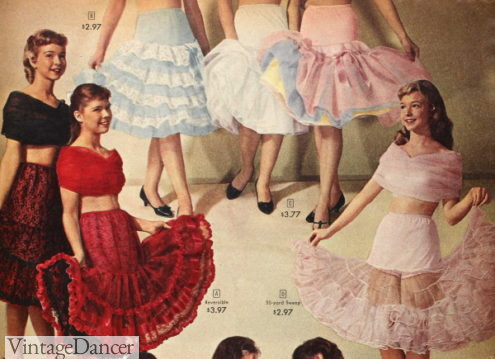
Essential Insights
- The glimpse of a half slip was widely regarded as a seductive tease.
- This subtle style element played a significant role in mid-century fashion.
- The half slip epitomized the blend between modesty and flirtation.
Historical Context and Cultural Impact
During the mid-20th century, particularly in the 1950s and 1960s, fashion was a reflection of evolving social norms and attitudes. Women’s attire during this era embodied an intricate balance between elegance, modesty, and the subtle expression of sensuality. One notable element of clothing that encapsulated this balance was the half slip.
A half slip was a type of undergarment worn beneath skirts and dresses. Its primary function was to help the outer garment hang properly and to prevent issues such as static cling. However, beyond its practical utility, the design and placement of the half slip subtly introduced an element of allure into women’s fashion. When the edge of a half slip peeked out from beneath a skirt, it was not merely an accidental display of undergarment—it was considered an intentional, yet understated, tease. The visible hint of lace or fabric suggested an intimate detail without fully revealing it, igniting both curiosity and desire.
This notion of a “tease” was deeply embedded in the cultural practices of the time. In an era when overt displays of sexuality were generally frowned upon, the half slip offered a controlled environment for flirtation. By accentuating the boundary between what was seen and what was concealed, women could express their femininity in a discreet yet provocative manner. The apparent "accidental" glimpse was, in fact, part of an intricate dance of subtle signals, intended to evoke a sense of mystery and excitement.
Fashion and Design Elements
The Practicality and Aesthetics of the Half Slip
The half slip was not only a functional garment but also a carefully designed element that contributed to the overall silhouette and appeal of a woman’s outfit. Its construction often featured delicate lace trims or embellishments, intended to be partially visible. When a woman moved—whether by sitting down, crossing her legs, or simply shifting her position—the tension between concealment and revelation became apparent. This dynamic quality was crucial in establishing the half slip as an object of intrigue.
From a design perspective, the half slip was optimized to work with the fashion trends of the day. The contours it created under a skirt or dress enhanced the body's natural curves while maintaining an elegant modesty. Designers of the era intentionally crafted these garments so that a hint of the slip, typically around the hemline, would be visible. This was perceived as a work of art in contrast to the more rigid or overly exposed fashion styles seen in other periods.
The Allure of the Lacy Hem
One particular detail that added to the seductive charm of the half slip was the inclusion of a lacy hem. Lace, with its intricate patterns and delicate texture, symbolized femininity and refinement. In contrast to the solidity of standard fabric, lace hinted at softness and intimacy. When a sliver of lace was noticed peeking out, it evoked an immediate association with both vulnerability and seduction. This interplay between boldness and subtlety was a hallmark of mid-century fashion aesthetics.
Impact on Gender and Social Norms
Beyond the realm of fashion design, the half slip played a significant role in shaping gender presentations and social interactions during its time. The deliberate reveal of a half slip worked as an unobtrusive signal of allure, suggesting that a woman was both confident and in control of her sexuality. It contributed to the broader dialogue about femininity, redefining what was considered attractive and stylish.
Socially, the half slip allowed women to navigate the fine line between decency and flirtation. In a period marked by stringent social decorum, overt sexual expressions could lead to harsh societal judgments. Instead, the controlled display of undergarments, such as a half slip, became a subtle means of self-expression. This nuanced form of seduction provided women with the power to attract attention while still fitting within the accepted boundaries of propriety.
Additionally, the half slip served as a tool for non-verbal communication. A mere glimpse could evoke a variety of interpretations, often dependent on the observer’s perspective. For many men of the era, the visible hint of a half slip suggested an invitation to dream and imagine the private details that lay hidden. For women, it offered a way to express their sensuality in a manner that was both reserved and intriguing.
The Legacy of the Half Slip in Modern Fashion
Influence on Contemporary Style
Although the popularity of wearing a visible half slip has waned with the evolution of fashion trends, its legacy continues to influence modern style. Designers today occasionally revisit elements of mid-century fashion, incorporating subtle hints of undergarments as part of modern ensembles. The idea of revealing just enough—whether through cleverly placed cut-outs or intelligent layering—originates from the desires that drove the popularity of the half slip.
The enduring appeal lies in the balance between exposure and concealment. Contemporary fashion often experiments with layering, teasing glimpses of what is hidden beneath outerwear. This approach pays homage to the mid-century aesthetic, whereby the half slip represented more than just an undergarment—it symbolized an entire cultural strategy of seduction. In fashion editorials and high-end designs, the interplay between visible and hidden fabrics continues to capture the imagination of audiences. This modern reinterpretation is a nod to the elegant flirtations of the past.
Contemporary Relevance
The re-emergence of vintage-inspired fashion has rekindled interest in the nuanced artistry of undergarments. High-street and designer labels alike have incorporated elements that mimic the teasing display of a half slip. It is not uncommon to see modern dresses with asymmetrical hemlines or strategic cut-outs that serve a similar purpose—engaging the viewer with a mix of restraint and revelation. This ongoing influence underscores how past aesthetic values continue to find resonance in current trends.
Analyzing the Seductive Tease: YES or NO?
Taking into account the fashion context, cultural norms, and design aesthetics of the mid-20th century, the answer is unequivocally YES. A glimpse or visibility of a half slip peeking out from under a woman's skirt was considered a seductive tease. This nuance was meticulously engineered by designers and embraced by the social norms of the day. The subtle reveal served as an ideal blend of modesty and allure, positioning the half slip as a symbol of refined flirtation.
To elucidate further, the seductive impact of the half slip can be summarized by its capability to evoke intrigue and sensuality without overt exposure. The visual cue—a partial glimpse of lace or fabric—was enough to allude to the hidden allure beneath the outer garment. In the context of mid-century society, where women were expected to display restraint, this small act of flirtation was both daring and elegant. The half slip, in its understated fashion, became an early example of what modern observers might call "suggestive fashion."
It is important to note that this perception was largely a product of its time. The societal standards of the mid-1900s praised subtlety over overt nudity. Hence, even though the half slip was a practical undergarment, its incidental visibility was appropriated as a sophisticated visual strategy to hint at the wearer’s allure. This carefully constructed visual narrative reveals how deeply intertwined fashion, functionality, and social signaling were, making the half slip a noteworthy element in the evolution of modern style.
A Comparative Analysis Table
| Aspect | Description |
|---|---|
| Historical Use | Functioned as an undergarment to improve garment draping and reduce static cling in skirts and dresses. |
| Aesthetic Appeal | Designed with delicate lace or trim that, when visible, added an element of subtle seduction. |
| Social Impact | Acted as a non-verbal cue of refined flirtation, balancing modesty with suggestiveness. |
| Cultural Significance | Embodying the mid-century dichotomy between public decency and private allure, it influenced both fashion and social norms. |
| Modern Influence | Inspired contemporary fashion with its emphasis on controlled reveals and the interplay between hidden and visible elements. |
Detailed Examination of Seductive Elements
Visual Teasing Strategies
The seductiveness of the half slip in mid-20th century fashion derived primarily from its ability to serve as a visual tease. In an era when explicit exposure of intimate wear was socially unacceptable, the half slip performed an invaluable role in the realm of subtle seduction. Designers leveraged the manner in which a portion of the slip could be intentionally revealed—whether through movement, posture, or the strategic cut of the outer garment—to create an ever-changing display of allure.
This strategy not only heightened the sensual tension but also engaged the onlooker's imagination. The question of what lies beneath was left deliberately unanswered, inviting observers to infer and fantasize. This level of ambiguity was a well-crafted element of mid-century style; it permitted a layered interpretation that went well beyond simple aesthetics. The inherent element of mystery allowed the half slip to function as a silent communicator of the wearer’s sensuality.
Role of Movement and Perspective
An essential component of the tease was the role of movement. A slight shift in posture—a seated position, the crossing of legs, or even a subtle turn—could transform an otherwise ordinary outfit into a dynamic statement of allure. The interplay between movement and fabric created a visual rhythm that kept the reveal sporadic and intriguing. Observers, therefore, were invited to appreciate the fleeting beauty and controlled revelation, which reinforced the notion that sensuality is most powerful in its suggestion, not its display.
Moreover, perspective played a crucial role. Depending on the angle from which a onlooker observed, the glimpse of a half slip could be interpreted in numerous ways. Such variability in perception contributed to the garment's lasting appeal and reinforced its role as a symbol of understated sensuality in an era that prized discretion.
Legacy and Continuing Influence in Fashion Narratives
The allure of the half slip has transcended mere historical curiosity to become a point of reference in contemporary fashion discussions. Modern designers and fashion historians frequently draw inspiration from this mid-century phenomenon, recognizing its role in shaping an era’s aesthetic and its enduring impact on how we perceive subtle seduction. The half slip has become a narrative device, emblematic of the tension between what is visible and what remains hidden, a concept that continues to evoke interest and debate.
In recent years, the revival of vintage fashion trends has brought renewed attention to the artistry behind undergarments like the half slip. Fashion blogs, documentaries, and exhibitions have revisited mid-century design philosophies, often highlighting how the strategic display of undergarments created a sophisticated language of seduction. This renewed interest is a testament to the half slip’s lasting influence, whereby its aesthetic principles are continually reinterpreted for a modern audience.
Balancing Functionality and Seduction
In conclusion, it is clear that the half slip represented a deliberate balance between functionality and seduction. While its primary purpose was to serve as an undergarment for practical reasons, its design and placement were equally about creating an illusion of exposure. The visibility of the half slip, often accentuated by its intricate lace trim, was intentionally crafted to signal a flirtatious tease—a sentiment that resonated strongly with both wearers and observers. This balanced dichotomy between utility and allure is what entrenched the half slip in mid-century fashion history as a subtle yet potent symbol of seduction.
References
- Lace Peeking Out - Eroensemble
- 3 Beautiful Reasons Why You Should Wear a Slip - Modern Retro Woman
- Hey, Whatever Happened to the Half-Slip? - The New York Times
- History of Sexy Lingerie - Elle
- Slip (Clothing) - Wikipedia
Recommended Related Queries
 amazon.com
 eroensemble.wordpress.com

Last updated March 12, 2025