
The Ultimate Guide to Calorie-Burning Exercises for Middle-Aged North American Adults
Discover the most effective and popular workout strategies for busy professionals looking to maximize their fitness results
Key Insights on Middle-Age Fitness
- Time-efficient workouts are crucial - HIIT and circuit training have become increasingly popular among busy professionals seeking maximum results in minimal time
- Balanced approach is essential - The most effective exercise regimens combine cardiovascular exercise, strength training, and flexibility work
- Consistency trumps intensity - Regular moderate exercise (150-300 minutes weekly) delivers better long-term results than sporadic high-intensity workouts
Cardiovascular Exercises: The Foundation of Calorie Burning
Middle-aged adults in North America predominantly engage in cardiovascular exercises as their primary calorie-burning activity. These exercises elevate heart rate, improve respiratory function, and effectively burn calories while enhancing overall endurance.
Popular Cardio Options for the Time-Conscious Professional
Running and Jogging
Running remains one of the most accessible and effective calorie-burning exercises. Many middle-aged professionals incorporate running into their routines either outdoors or on treadmills, with options ranging from steady-state jogging to sprint intervals. A 30-minute run can burn approximately 300-400 calories for the average middle-aged adult.
Cycling
Both outdoor cycling and indoor spinning classes are extremely popular among middle-aged adults. Cycling provides an excellent low-impact alternative to running, making it ideal for those with joint concerns. Many professionals commute by bicycle, combining transportation with their workout. Indoor cycling has seen tremendous growth through boutique fitness studios and app-based platforms like Peloton.
Swimming
Swimming offers full-body, low-impact cardiovascular exercise that's particularly beneficial for middle-aged adults experiencing joint pain or recovering from injuries. Many community centers and fitness clubs offer dedicated lap swimming hours to accommodate working professionals before or after business hours.
Walking
Often underestimated, brisk walking is among the most common exercises for middle-aged adults. Walking meetings, lunchtime walks, and evening neighborhood strolls have become increasingly popular as busy professionals seek to incorporate movement into their daily routines. Many track their steps using wearable technology, aiming for the often-cited goal of 10,000 steps daily.
High-Intensity Interval Training (HIIT): Maximum Results in Minimum Time
HIIT has revolutionized how middle-aged working adults approach fitness by offering time-efficient, effective workouts that can be completed in as little as 20-30 minutes. The format typically involves short bursts of intense activity followed by brief recovery periods.
HIIT Variations Popular Among Middle-Aged Adults
Tabata Protocol
This structured approach features 20 seconds of maximum effort followed by 10 seconds of rest, repeated for four minutes. Middle-aged adults often incorporate exercises like burpees, mountain climbers, and jumping jacks into Tabata routines that can be completed at home or in hotel rooms while traveling.
Circuit Training
Moving quickly between different strength and cardio stations with minimal rest helps maintain elevated heart rates while building muscular endurance. Many fitness facilities offer circuit training classes specifically designed for middle-aged clients with modifications for various fitness levels.
Sprint Intervals
Whether on treadmills, stationary bikes, rowing machines, or outdoors, sprint intervals (brief periods of maximum effort alternated with recovery) have gained popularity among time-pressed professionals seeking efficient calorie burn.
Strength Training: Essential for Middle-Aged Metabolism
As muscle mass naturally declines with age, strength training has become increasingly important for middle-aged adults. Beyond calorie burning during the activity itself, muscle development increases resting metabolic rate, helping burn more calories throughout the day.
Common Strength Training Approaches
Weightlifting
Traditional weightlifting with barbells, dumbbells, and weight machines remains popular, with many middle-aged adults focusing on compound exercises like squats, deadlifts, and bench presses for maximum efficiency.
Functional Training
Exercises mimicking real-life movements have gained traction as middle-aged adults prioritize practical fitness that translates to improved daily function. Kettlebell swings, medicine ball throws, and TRX suspension training fall into this category.
Bodyweight Training
Push-ups, pull-ups, and squats require no equipment and can be performed anywhere, making them ideal for busy professionals. Progressive variations accommodate different fitness levels while still providing challenge and results.
Group Fitness Activities: Motivation Through Community
Many middle-aged adults find greater consistency and enjoyment through group fitness classes that offer structure, social connection, and expert guidance.
Popular Group Fitness Options
Contemporary North American fitness culture offers numerous group fitness formats that appeal to middle-aged participants:
- Bootcamp Classes: Military-inspired workouts combining cardiovascular and strength elements in high-energy formats
- Dance-Based Workouts: Zumba, cardio dance, and ballet-inspired classes that make fitness fun while burning significant calories
- Boxing/Kickboxing: Classes that teach striking techniques while providing excellent cardiovascular challenge and stress relief
- Rowing: Group rowing classes have grown in popularity, offering low-impact, full-body workouts
- Spinning/Indoor Cycling: High-energy classes set to music that simulate outdoor cycling experiences
Calorie-Burning Effectiveness Comparison
Understanding the relative effectiveness of different exercise modalities helps middle-aged adults make informed choices based on their goals and available time. The following chart compares various exercises based on calorie-burning potential, time efficiency, and accessibility for middle-aged adults.
This radar chart compares different exercise modalities across multiple factors relevant to middle-aged adults. HIIT scores highest for time efficiency and calorie burn, while walking and swimming rate highest for joint-friendliness and long-term sustainability. Group fitness classes excel in the social component, which contributes significantly to exercise adherence.
Contemporary Exercise Patterns: A Visual Overview
To better understand how various calorie-burning activities interconnect and influence overall fitness for middle-aged adults, the following mindmap illustrates the ecosystem of exercise modalities and their benefits.
for Middle-Aged Adults"] Cardiovascular Running/Jogging Treadmill Outdoor Trail Running Cycling Indoor/Spinning Outdoor/Commuting Stationary Bikes Swimming Lap Swimming Water Aerobics Aqua Jogging Walking Power Walking Hiking Treadmill Incline High-Intensity HIIT Tabata Circuit-Based App-Guided Crossfit Boot Camp Sprint Intervals Strength Training Free Weights Dumbbells Barbells Kettlebells Machine-Based Bodyweight Push-ups/Pull-ups Squats/Lunges Planks/Core Work Group Activities Studio Classes Cycling/Spinning Dance-Based Bootcamp Team Sports Basketball Tennis Pickleball Martial Arts Kickboxing Boxing Karate/Taekwondo Flexibility/Mobility Yoga Pilates Stretching Routines
Recommended Guidelines for Middle-Aged Adults
Health organizations provide specific exercise recommendations for middle-aged adults to optimize health benefits while minimizing injury risk. The following table summarizes these guidelines:
| Activity Type | Recommended Frequency | Recommended Duration/Intensity | Primary Benefits |
|---|---|---|---|
| Cardiovascular Exercise | 3-5 days per week | 150-300 minutes of moderate-intensity or 75-150 minutes of vigorous-intensity | Heart health, weight management, endurance, stress reduction |
| Strength Training | 2-3 days per week | 8-12 repetitions of 8-10 exercises targeting all major muscle groups | Muscle preservation, metabolism boost, bone density, functional capacity |
| Flexibility/Mobility | Daily if possible, minimum 2-3 days per week | Hold stretches 15-30 seconds, 2-4 repetitions of each stretch | Injury prevention, range of motion, posture improvement, stress reduction |
| Balance Training | 2-3 days per week | 10-15 minutes per session | Fall prevention, coordination, core strength, proprioception |
Visual Inspiration: Middle-Aged Fitness in Action
The following images showcase middle-aged adults engaging in popular calorie-burning exercises, demonstrating that fitness remains accessible and beneficial throughout the middle years.
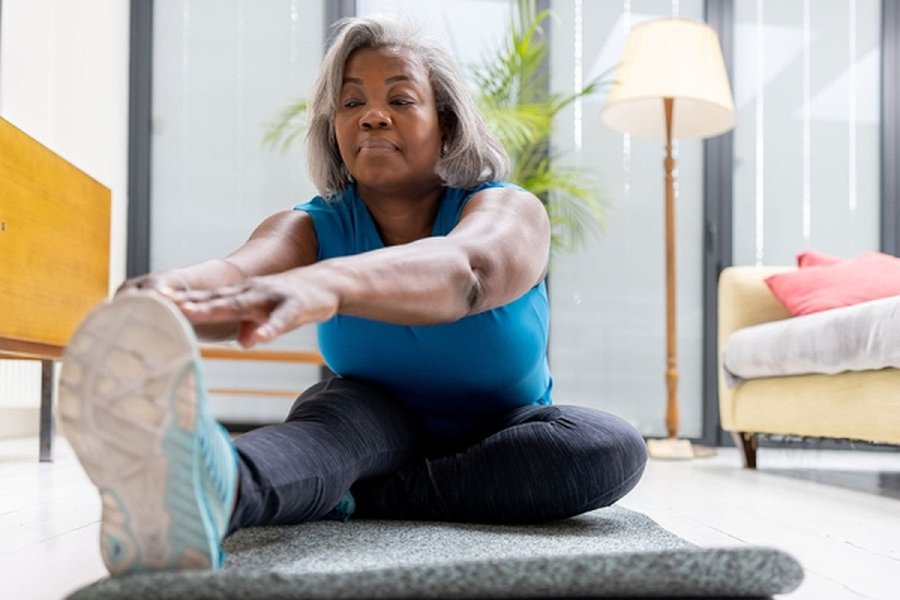
Flexibility training remains essential for middle-aged adults to maintain mobility and prevent injury.

Strength training helps middle-aged adults maintain muscle mass, which naturally declines with age.
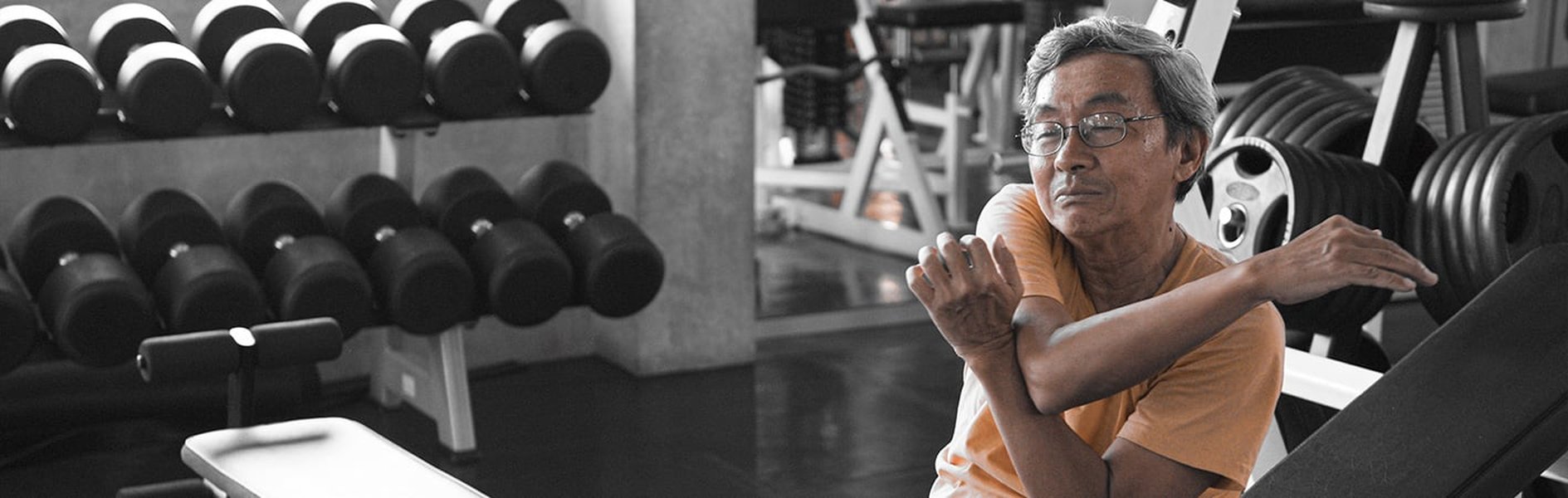
Group fitness classes provide both accountability and social connection for middle-aged adults.
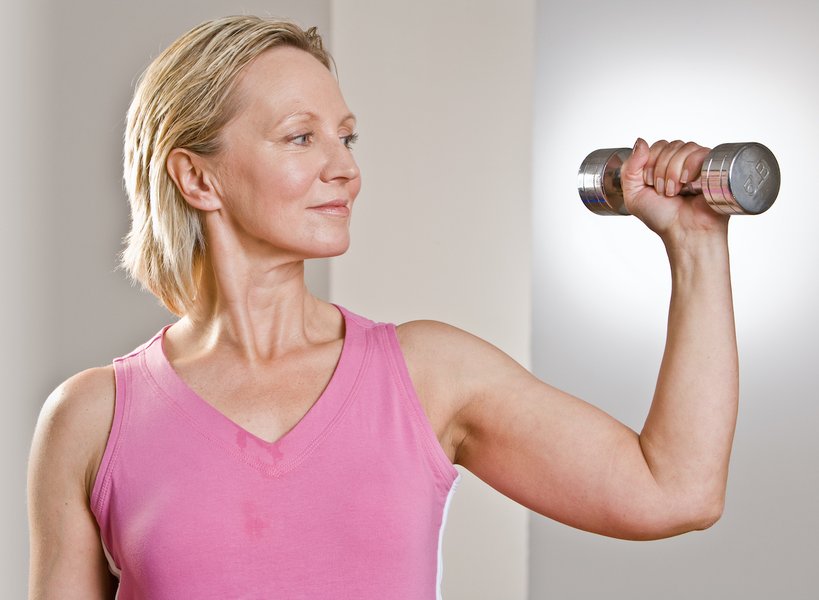
Functional fitness with weights helps middle-aged adults maintain strength for everyday activities.
Expert Demonstration: Effective Workout for Middle-Aged Adults
This video demonstrates a comprehensive, time-efficient workout designed specifically for middle-aged adults looking to maximize calorie burn within their busy schedules:
Professor Wayne Phillips delivers an insightful TEDx talk on exercise and nutrition specifically for middle-aged and older individuals, providing science-backed recommendations for optimal health as we age.
Frequently Asked Questions
References
-
The best investment for middle age - Les Mills
- Exercise Programs for Middle-Aged Men - Livestrong.com
- Physical activity guidelines for adults aged 19 to 64 - NHS
- Why Don't Middle-Aged Adults Work Out More? - Excellence In Fitness
- 10 quick calorie-burning exercises for weight loss - HealthShots
- 12 Exercises That Burn the Most Calories - Healthline
- 10 Exercises That Burn The Most Calories - TODAY
Recommended Explorations
Last updated April 4, 2025