
Step-by-Step Guide for Military Organizational Design
An essential framework for structuring effective military units
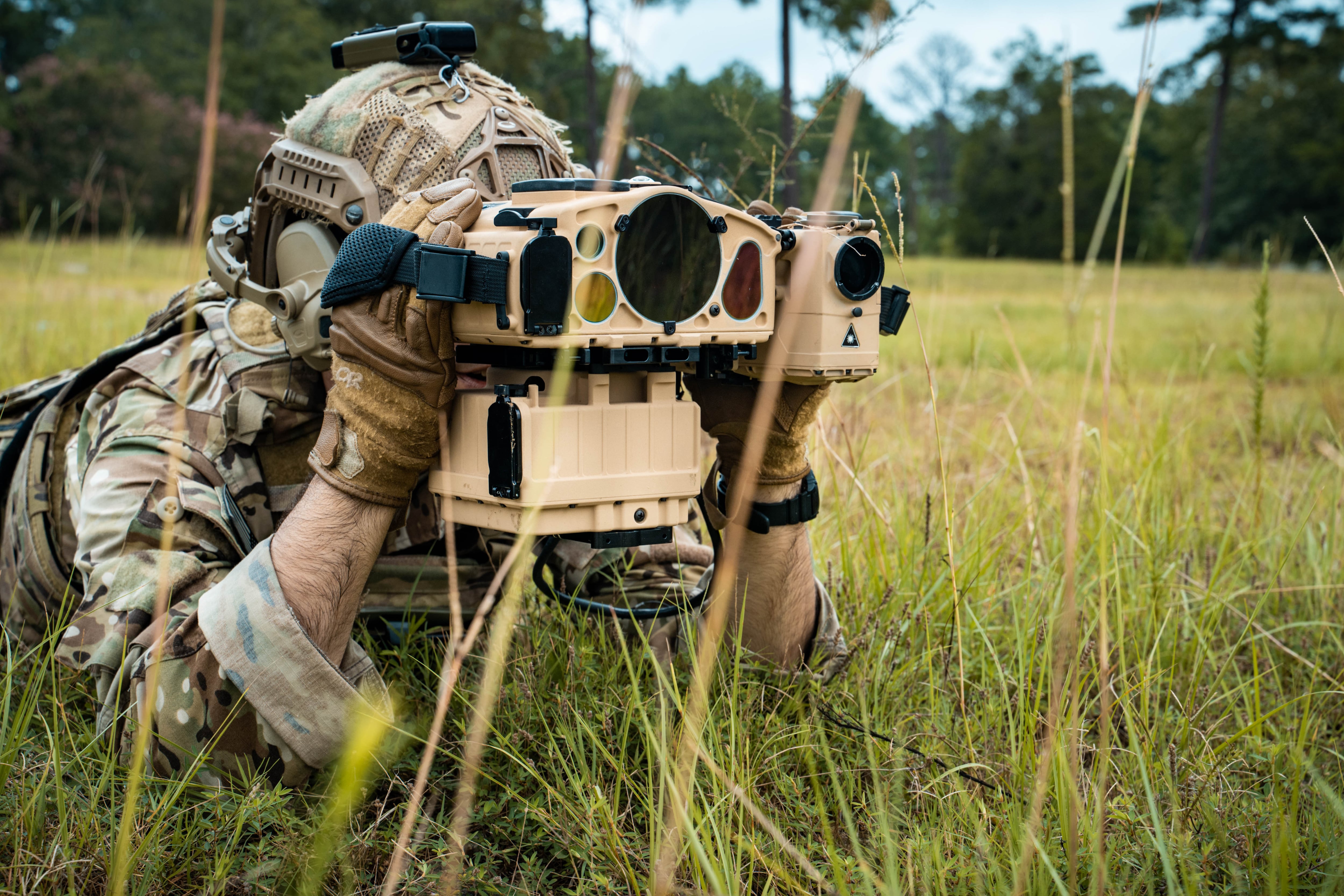
Key Highlights
- Strategic Mission Alignment: Define clear objectives and tailor the design to meet both operational and strategic demands.
- Adaptability and Flexibility: Emphasize continuous assessment, feedback, and the capacity to adjust to evolving challenges.
- Robust Command Structures: Establish clear hierarchies and well-defined roles for efficient decision-making and execution.
Introduction
Designing a new organizational structure for a military unit is a complex, multi-faceted process that necessitates thorough analysis, careful planning, and dynamic adaptation. A well-designed military organization not only addresses current operational requirements but also has the flexibility to respond to changing geopolitical landscapes, technological advancements, and evolving threats. This guide provides a comprehensive, step-by-step process aimed at creating an organizational blueprint that supports both immediate military needs and long-term strategic objectives.
Step 1: Define the Mission and Objectives
The first and arguably most crucial phase in developing an organizational design is clearly defining the unit’s mission and objectives. This strategic alignment ensures that every element of the design is purpose-built for the intended operational outcomes.
1.1 Clarify Strategic Goals
Begin by outlining the overarching goals that the military unit intends to achieve. This includes both long-term strategic ambitions and short-term operational targets. Determining these goals provides the framework within which all design decisions will be made.
Action Points:
- Develop a mission statement that encapsulates the unit's purpose.
- List specific operational objectives, such as territorial defense, rapid deployment, or support roles.
- Align these objectives with the broader national defense strategy.
1.2 Establish Performance Metrics
Defining measurable performance standards early on is essential for evaluating the effectiveness of the new structure. These metrics should assess operational readiness, decision-making efficiency, and adaptability.
Step 2: Analyze the External Environment
A comprehensive environmental analysis is critical to ensure that the organizational design is robust and responsive to real-world scenarios. This phase involves an in-depth assessment of all external factors that could impact military operations.
2.1 Strategic Context Evaluation
Analyze geopolitical dynamics, potential conflicts, and alliances that may influence operational planning. Consider both conventional threats and non-traditional security challenges.
Action Points:
- Conduct a SWOT (Strengths, Weaknesses, Opportunities, Threats) analysis.
- Review historical data and current conflict zones to forecast potential scenarios.
- Assess political, social, and economic factors that may affect military operations.
2.2 Technological and Logistical Considerations
Modern military success is often driven by technological superiority. Identify the technologies integral to command, control, communications, and intelligence. Additionally, understand logistical requirements including supply chains, equipment maintenance, and transportation.
Step 3: Determine the Organizational Model
With a clear mission and a comprehensive understanding of the operating environment, the next step is to establish the organizational model. This includes choosing the right structure, formulating hierarchies, and outlining functional divisions.
3.1 Choosing the Appropriate Structure
Selecting a design model is fundamental. Military units traditionally operate under a hierarchical system; however, modern challenges may necessitate hybrid approaches or modular design configurations. Consider factors such as unit size, operational flexibility, and cross-functional capabilities.
Action Points:
- Identify whether a functional, matrix, or team-based structure best fits operational needs.
- Design sub-units (squads, platoons, companies) if modularity enhances operational effectiveness.
- Ensure that the chosen structure supports both robust command and agility.
3.2 Defining Hierarchies and Command Relationships
Establish clear chain-of-command protocols to promote coordinated responses and accountability. This involves outlining the levels of authority, decision-making responsibilities, and reporting lines. Depending on the mission, some units might require flatter structures for rapid decision-making while others maintain rigid hierarchies for strategic oversight.
3.3 Organizational Chart Development
It is beneficial to develop an organizational chart early in this process. This visual representation not only clarifies roles and accountability but also serves as a communication tool during stakeholder presentations and training sessions.
Example Organizational Chart:
| Level | Role | Responsibilities |
|---|---|---|
| Strategic Level | Command HQ | Setting broad policy, strategic oversight |
| Tactical Level | Brigade/Battalion Command | Operational planning, execution oversight |
| Operational Level | Company/Platoon Command | Direct tactical communication, rapid field decisions |
| Execution Level | Squad/Unit Leaders | On-ground execution, immediate response activities |
Step 4: Develop the Operational Structure
After establishing the organizational model, the next phase is to translate strategic and tactical objectives into a functional operational structure. This step bridges strategic aspirations with tactical execution.
4.1 Unit Formation and Sizing
Determine the ideal size of each sub-unit (squad, platoon, company, etc.) based on mission requirements. Factors such as the intensity of operations, geographic deployment, and resource availability should be considered.
Action Points:
- Define the composition and strength of each smaller unit.
- Consider specialized teams for areas such as intelligence, communications, and logistics.
- Ensure flexibility in unit size to allow for rapid scaling during conflict or emergencies.
4.2 Integration of Specialized Capabilities
Modern military operations require diverse skill sets. Incorporate specialized units such as medical, engineering, cyber operations, and communications. Integrating these elements ensures a cohesive operational capability that can quickly adapt to different combat scenarios.
4.3 Coordination with Broader Forces
Ensure the design allows for seamless integration and interoperability with other military units and supporting agencies. This includes sharing resources, coordinating strategies, and effective communication channels.
Step 5: Formulate Policies, Procedures, and Communication Protocols
Policies and procedures provide the necessary framework for operational consistency and efficiency. They establish standards for behavior, performance, and communication within the unit.
5.1 Drafting Organizational Policies
Develop a comprehensive set of policies that encapsulate the unit's operational guidelines. These should include standard operating procedures (SOPs), rules of engagement, communication guidelines, and protocols for emergency responses.
Action Points:
- Document clear roles and responsibilities for every position.
- Establish protocols for decision-making and conflict resolution.
- Create guidelines for both internal and external communication to enhance situational awareness.
5.2 Implementing Training Programs
Effective training ensures that all personnel are well familiar with their roles and the overall organizational structure. Develop training sessions, simulations, and drills that reinforce the new structure and promote operational readiness.
Step 6: Pilot Testing and Feedback Integration
Before fully implementing a new organizational design, it is crucial to conduct pilot tests or simulation exercises to gauge the structure's effectiveness in practice. Pilot testing helps identify bottlenecks, inefficiencies, and areas for improvement.
6.1 Simulation Exercises
Organize controlled exercises that simulate potential operational scenarios. These exercises help evaluate the new design under realistic conditions, providing valuable insights into its functionality.
Action Points:
- Run simulations that mimic various conflict scenarios and crisis situations.
- Collect data from these exercises, focusing on communication speed, decision-making efficiency, and coordination effects.
- Adjust the design based on the simulation outcomes to address identified weaknesses.
6.2 Feedback Collection and Design Refinement
Engage with military leaders and personnel involved in the pilot tests to gather direct feedback. Iteratively refine the organizational design, ensuring that it not only meets strategic requirements but is also practical for day-to-day operations.
Step 7: Full Implementation and Continuous Evaluation
Once the organizational design has been refined based on pilot testing, it is time to officially implement the new structure across the unit. The implementation phase should be accompanied by a robust strategy for ongoing evaluation and adaptation.
7.1 Implementation Strategy
Develop a comprehensive rollout plan which includes training schedules, phased implementation, and detailed communication of the new organizational chart. Ensure that each member of the unit is well informed about their new responsibilities.
Action Points:
- Create detailed guides and documentation for the new structure.
- Establish clear timelines and checkpoints for the rollout process.
- Conduct regular briefings to address any emerging issues during the transition.
7.2 Establishing Continuous Improvement Mechanisms
Long-term success depends on the ability to continually assess and refine the organizational model. Implement performance metrics and feedback loops that allow for frequent reviews and adjustments. This adaptive process is crucial for maintaining operational superiority in the face of evolving challenges.
Conclusion
Crafting a new organizational design for a military unit is a dynamic and multifaceted endeavor that begins with strategic clarity and extends through execution and continuous refinement. By defining clear objectives, analyzing the external environment, and meticulously mapping out an organizational model, military leaders set the foundation for success on and off the battlefield. Integrating specialized capabilities, establishing robust communication protocols, and instituting a culture of continuous improvement ensures that the unit is not only well-prepared for current challenges but is also adaptable to future threats.
The structured approach outlined in this guide ensures that every phase of the organizational design—from conceptualization and pilot testing to full implementation—meets rigorous standards of operational excellence. This systematic process is indispensable for creating a military organization that is nimble, effective, and resilient.
Overall, designing a military organizational structure demands a balance between security, agility, and resource optimization. When these elements are skillfully combined, the resulting framework becomes a powerful engine for strategic execution, capable of responding to both immediate and unforeseen challenges. Such a design not only upholds the traditions of military hierarchy and discipline but also embraces modern operational flexibility, cementing its role as a cornerstone of national defense.
References
- Department of Defense Technical Report - Defense Technical Information Center
- Joint Force Quarterly Article - National Defense University Press
- U.S. Department of Defense - Military Units Overview
- Organizational Structure Examples - Organimi
Recommended Further Exploration
Last updated February 26, 2025