
Unlocking Inner Harmony: Your Path to Mind and Body Mastery
Discover actionable strategies to cultivate profound control over your mental and physical states for enhanced well-being.
Embarking on a journey to achieve comprehensive control over your mind and body is a deeply rewarding endeavor. While "total control" might be an aspirational ideal, you can undoubtedly attain a high degree of self-mastery. This involves learning and consistently applying techniques that harmonize your mental, emotional, and physical states. This guide, current as of Tuesday, 2025-05-06, synthesizes insights to help you cultivate this profound connection.
Key Insights for Your Journey
- The Mind-Body Connection is Paramount: Recognize that your thoughts, emotions, and physical sensations are deeply intertwined. What affects one inevitably influences the other. Cultivating awareness of this dynamic is the first step towards mastery.
- Mindfulness and Meditation are Foundational: Regular practice of mindfulness and meditation techniques can significantly enhance self-awareness, reduce stress, improve focus, and build emotional resilience, laying the groundwork for deeper control.
- Consistent, Integrated Practice Yields Results: Mastery is not achieved overnight. It requires consistent application of diverse techniques—mental, physical, and emotional—integrated into a holistic practice tailored to your needs.
Understanding the Powerful Mind-Body Interplay
The Two-Way Street of Influence
The connection between your mind and body is a dynamic, bidirectional relationship. Your thoughts and emotions can trigger physiological responses; for example, stress can cause muscle tension and elevated heart rate. Conversely, your physical state—such as posture, breath, or level of fatigue—can profoundly impact your mood and mental clarity. Understanding this interplay is crucial. By learning to consciously influence one aspect, you can create positive feedback loops that benefit the other. For instance, calming your breath can soothe an anxious mind, and a relaxed physical state can foster positive thoughts.
Mind-body therapies are designed to leverage this connection, enhancing the mind's positive impact on the body and vice-versa. These approaches encompass behavioral, psychological, social, expressive, and spiritual practices.
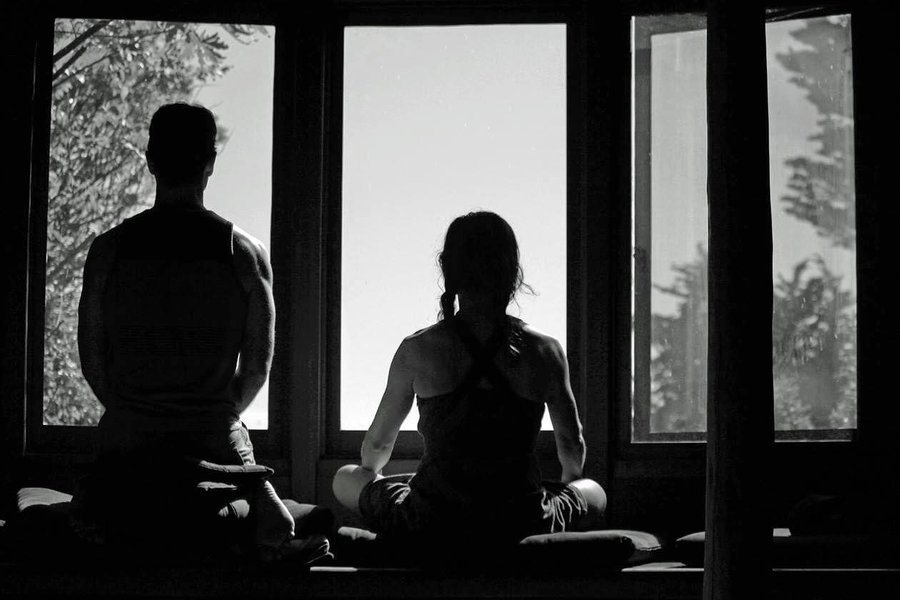
Meditation is a cornerstone practice for fostering mind-body connection and inner calm.
Cultivating Mental Mastery
Gaining greater control over your mind involves developing self-awareness and employing specific techniques to manage thoughts, emotions, and focus.
Mindfulness and Meditation: The Art of Presence
Observing Without Judgment
Mindfulness is the practice of paying attention to the present moment—your thoughts, feelings, bodily sensations, and surrounding environment—without judgment. Meditation is a formal practice that cultivates mindfulness. Regular meditation has numerous benefits:
- Stress Reduction: It helps calm the nervous system and reduce stress hormones.
- Improved Focus: Training your attention enhances concentration and cognitive function.
- Emotional Regulation: By observing emotions without reacting, you develop the capacity to manage them more effectively.
- Increased Self-Awareness: You become more attuned to your internal states and patterns of thinking.
Techniques like body scans, mindful breathing, and loving-kindness meditation can be powerful tools. Even short daily sessions (10-20 minutes) can yield significant benefits. A quiet mind, cultivated through meditation, provides an optimal state for physical renewal and healing.
Cognitive Strategies and Emotional Regulation
Shaping Your Inner Narrative
Your thoughts significantly shape your reality and emotional state. Learning to identify, challenge, and reframe unhelpful thought patterns is key to mental control. This is a core principle of Cognitive Behavioral Therapy (CBT). Strategies include:
- Identifying Negative Self-Talk: Become aware of habitual negative or critical thoughts.
- Challenging Distorted Thinking: Question the validity of negative thoughts. Are they based on facts or assumptions?
- Reframing: Replace negative or unhelpful thoughts with more balanced, constructive, or positive ones.
- Practicing Gratitude: Regularly focusing on what you're grateful for can shift your overall mindset.
Emotional regulation involves recognizing your emotions as they arise, understanding their triggers, and responding to them in a healthy, conscious way, rather than being overwhelmed or reacting impulsively.
Enhancing Focus and Visualization
Directing Your Mental Energy
The ability to direct your focus is a powerful skill. Techniques to enhance focus include dedicated concentration exercises (e.g., focusing on a single object) and minimizing distractions. Visualization, or guided imagery, involves creating vivid mental images of desired outcomes or peaceful states. This practice can:
- Reduce Anxiety: Imagining calm and successful scenarios can soothe the nervous system.
- Improve Performance: Athletes and performers often use visualization to mentally rehearse success.
- Reinforce Positive States: It helps to cultivate feelings of confidence, peace, and capability.
Achieving Physical Harmonization
Mastering your body involves practices that enhance physical awareness, strength, flexibility, and relaxation, which in turn support mental control.
Mindful Movement: Yoga and Tai Chi
Integrating Body, Breath, and Mind
Practices like Yoga and Tai Chi are ancient disciplines renowned for their ability to unite mind and body.
- Yoga: Combines physical postures (asanas), breathing techniques (pranayama), and meditation. It improves flexibility, strength, balance, and body awareness while calming the mind and nervous system. Yoga helps you explore physical limits by concentrating on breath and alignment, demonstrating mind-over-body principles.
- Tai Chi: An internal Chinese martial art practiced for both its defense training and its health benefits. It involves slow, flowing movements coordinated with deep breathing and mental focus, enhancing balance, coordination, and a sense of calm energy.
Both practices encourage a deep connection with physical sensations and the present moment.
Progressive Muscle Relaxation (PMR)
Releasing Physical Tension
PMR is a technique that involves systematically tensing and then releasing different muscle groups throughout the body. This practice helps you:
- Increase Body Awareness: You learn to distinguish between sensations of tension and relaxation.
- Reduce Physical Stress: Consciously releasing muscle tension can alleviate physical discomfort and promote overall relaxation.
- Calm the Mind: As the body relaxes, the mind tends to follow, reducing anxiety and promoting a sense of peace.
By practicing PMR regularly, you can become more adept at recognizing and releasing tension before it escalates.
The Power of Breathwork (Pranayama)
Regulating Your Nervous System
Conscious control of your breath is one of the most direct ways to influence your physiological and psychological state. Deep, diaphragmatic breathing techniques can activate the parasympathetic nervous system, inducing a relaxation response. Various breathwork practices can help:
- Reduce Stress and Anxiety: Slow, deep breathing calms the fight-or-flight response.
- Improve Focus and Clarity: Certain breathing patterns can enhance mental alertness.
- Increase Energy Levels: Other techniques can be invigorating and vitalizing.
- Enhance Emotional Stability: Regular breathwork can help regulate emotional responses.
Simple techniques like counting your breaths or extending your exhalations can be practiced anywhere, anytime.
Synthesizing Mind-Body Practices: A Holistic Approach
The most profound results come from integrating various mind and body techniques into a consistent, personalized practice. This holistic approach recognizes that mental, emotional, and physical well-being are interconnected and mutually reinforcing.
Key Techniques for Mind-Body Mastery
The following table summarizes some of the key practices, their primary focus, core benefits, and an example of how they might be applied. This provides a quick overview of tools you can incorporate into your self-mastery toolkit.
| Technique | Primary Focus | Key Benefits | Example Application |
|---|---|---|---|
| Mindfulness Meditation | Mind, Emotion | Stress reduction, improved focus, emotional regulation, self-awareness | Daily 10-minute guided body scan meditation. |
| Yoga | Body, Mind, Breath | Flexibility, strength, balance, mental clarity, stress relief | Attending a weekly Hatha yoga class or following an online routine. |
| Tai Chi | Body, Mind, Breath | Balance, coordination, calm energy, stress reduction | Practicing a short Tai Chi form in the morning. |
| Progressive Muscle Relaxation (PMR) | Body, Mind | Tension release, body awareness, deep relaxation | Performing a 15-minute PMR session before sleep. |
| Breathwork (Pranayama) | Breath, Mind, Body | Nervous system regulation, stress reduction, improved focus, emotional stability | Practicing 5 minutes of diaphragmatic breathing during a stressful moment. |
| Cognitive Restructuring | Mind, Emotion | Challenging negative thoughts, positive self-talk, emotional resilience | Journaling and reframing anxious thoughts about an upcoming event. |
| Visualization / Guided Imagery | Mind, Emotion | Relaxation, performance enhancement, positive state cultivation | Visualizing a successful presentation before delivering it. |
| Self-Care Practices | Overall Well-being | Improved mental, emotional, and physical health, resilience | Scheduling regular time for hobbies, rest, and nourishing activities. |
Comparative Effectiveness of Mind-Body Practices
Different practices excel in various aspects of mind-body mastery. The radar chart below offers an illustrative comparison of several key techniques across dimensions like stress reduction, focus enhancement, emotional regulation, physical awareness, accessibility, and potential long-term impact. These are subjective estimations to highlight the multifaceted benefits of each practice. Remember that individual experiences may vary, and the "best" practice is often a combination that resonates with you personally.
Visualizing the Path to Mastery
The journey to mind and body mastery can be visualized as an interconnected web of practices and principles. The mindmap below illustrates these key components and their relationships, offering a conceptual framework for your path to greater self-control and well-being.
Insights from Neuroscience on Mind-Body Connection
Neuroscience provides compelling evidence for the deep connection between mind and body, and how targeted practices can lead to greater self-mastery. Understanding these mechanisms can further empower your efforts. The following video features neuroscientist Dr. Tara Swart discussing scientific techniques for enhancing discipline, inner peace, and clarity, all crucial components of mind-body control.
Dr. Tara Swart discusses how to master the mind-body connection for improved discipline and clarity.
Dr. Swart's work, like that of many contemporary neuroscientists and psychologists, emphasizes how practices such as mindfulness meditation can physically alter brain structure and function (neuroplasticity), leading to improved emotional regulation, reduced stress reactivity, and enhanced cognitive abilities. Similarly, physical practices like yoga and tai chi have been shown to affect neurotransmitter levels and nervous system balance, contributing to mental well-being. By engaging in these techniques, you are actively reshaping your neural pathways and physiological responses for greater control and harmony.
The Importance of Lifestyle Factors
Nourishing Your Foundation
While specific techniques are powerful, your overall lifestyle choices form the foundation upon which mind-body mastery is built. Key lifestyle factors include:
- Nutrition: A balanced, nutrient-rich diet supports brain health and stable energy levels, impacting mood and cognitive function.
- Sleep: Adequate, quality sleep is essential for mental and physical restoration, emotional regulation, and cognitive processing.
- Physical Exercise: Regular physical activity, beyond formal practices like yoga, reduces stress, improves mood, and boosts overall vitality.
- Self-Care: Deliberately engaging in activities that nurture your mind and body (e.g., hobbies, spending time in nature, connecting with loved ones) is crucial for resilience and well-being.
Consistency, Patience, and Self-Compassion
Embracing the Journey
Achieving a high degree of mind-body control is a journey, not a destination. It requires:
- Consistency: Regular, even brief, practice is more effective than sporadic, intense efforts.
- Patience: Progress may be gradual and non-linear. Be patient with yourself and the process.
- Self-Compassion: Treat yourself with kindness and understanding, especially during challenges or setbacks. Avoid harsh self-criticism.
View challenges as opportunities for growth and learning. This mindset will support your long-term commitment and development.
Frequently Asked Questions (FAQ)
Is "total control" over mind and body realistically achievable?
While the concept of "total control" might be an ultimate aspiration, what is realistically achievable is a very high degree of self-mastery and influence over your mental and physical states. Humans are complex beings, influenced by myriad internal and external factors. The goal is to significantly enhance your ability to consciously guide your thoughts, emotions, and physical responses, leading to greater well-being, resilience, and purposeful action, rather than achieving an absolute, infallible control.
How long does it take to see results from these practices?
The timeframe for experiencing noticeable results varies greatly depending on the individual, the specific practices chosen, and the consistency of effort. Some people may notice subtle shifts in calmness or awareness within a few days or weeks of regular practice (e.g., daily meditation or breathwork). More significant changes in emotional regulation, focus, or physical well-being typically develop over months of consistent dedication. The key is to focus on the process and sustained practice rather than immediate outcomes.
Can I learn these techniques on my own, or do I need a teacher or therapist?
Many foundational techniques, such as basic mindfulness meditation, simple breathing exercises, and progressive muscle relaxation, can be learned effectively on your own through books, apps, online resources, and guided recordings. However, for more complex practices like certain forms of yoga, tai chi, or advanced meditation, guidance from a qualified instructor can be highly beneficial to ensure proper form, understanding, and to avoid potential pitfalls. For addressing specific mental health concerns or deeply ingrained patterns, working with a therapist trained in mind-body approaches or CBT can provide personalized support and expertise.
What is the single most important practice to start with for mind-body control?
While there's no single "most important" practice that fits everyone, mindfulness meditation is often considered a foundational skill because it cultivates self-awareness—the ability to observe your thoughts, emotions, and bodily sensations without immediate judgment. This awareness is crucial for effectively applying other techniques. Simple breath awareness meditation is an accessible starting point. However, the best practice to start with is one that you find engaging and are willing to practice consistently. Experiment with a few different approaches to see what resonates most with you.
Recommended Next Steps
To deepen your understanding and practice, consider exploring these related avenues:
- What are the neurological benefits of long-term meditation practice?
- How can I effectively integrate mindfulness into my daily routine?
- What are specific cognitive behavioral techniques for managing anxiety?
- Explore the differences and benefits of various breathwork techniques for stress relief.
References

Last updated May 6, 2025