
MindNest: Revolutionizing Youth Mental Wellness with AI
Accessible, Personalized Support for a Healthier Generation
Key Insights into AI-Powered Mental Wellness
- Addressing a Critical Need: The prevalence of anxiety and depression among young adults, with 1 in 4 experiencing these conditions, highlights an urgent demand for accessible and affordable mental health support.
- AI as a Solution Multiplier: AI-powered applications like MindNest are emerging as a vital tool to bridge the gap in mental healthcare, offering personalized, stigma-free, and readily available support that complements traditional therapy.
- Innovative Features for Engagement: Modern AI mental health apps leverage techniques such as cognitive behavioral therapy (CBT), mood tracking, journaling, and gamification to create engaging and effective wellness journeys for young users.
We are grateful for your attendance at this session, where we are thrilled to introduce MindNest, an innovative AI-based application designed to provide individualized mental health support to young individuals through accessible technology. Our goal is to create a safe and supportive "nest" for your mind, empowering you to navigate life's challenges with greater resilience and well-being.
Understanding the Youth Mental Health Landscape
The Escalating Crisis Among Young People
The mental health challenges faced by young adults today are unprecedented. Statistics reveal a concerning trend: approximately 1 in 4 young adults experience anxiety or depression. This rising prevalence underscores a critical need for effective and scalable mental health solutions. Despite the growing demand for support, significant barriers—such as cost, accessibility, and the pervasive stigma associated with mental health—continue to prevent many individuals from seeking the help they need.
The COVID-19 pandemic further exacerbated these issues, disrupting support systems and leading to increased stress, anxiety, and depression among youth. Surveys from 2023 indicate that 37% of high school students reported adverse mental health symptoms during the pandemic, and 44% reported persistent feelings of sadness or hopelessness. Furthermore, 25% of teens have been diagnosed with a mental health condition, and a staggering 60% of youth with major depression receive no mental health treatment. College students also face immense pressure, with over three-quarters (76%) experiencing moderate to severe psychological distress in 2023. Anxiety (24.4%) and depression (13.3%) are reported as the top concerns among college students seeking clinical help.

An example of a mental health app interface.
Barriers to Accessing Traditional Mental Health Care
The traditional mental healthcare system, while invaluable, often struggles to meet the immense and growing demand, especially for younger demographics. Key barriers include:
- High Costs: Therapy and counseling can be prohibitively expensive for many young adults and their families, leading to delayed or forgone treatment.
- Limited Availability of Professionals: There is a severe shortage of mental health professionals, particularly in rural areas, making in-person appointments difficult to secure.
- Stigma: Despite increasing awareness, a significant stigma still surrounds mental health issues, deterring many from seeking help due to fear of judgment or discrimination. This is particularly true for students of color and LGBTQ+ students, who may face additional barriers to culturally competent care.
- Time Constraints: Juggling academic pressures, social lives, and potential work commitments leaves many young people with limited time for regular in-person therapy sessions.
The Transformative Role of AI in Mental Wellness
Leveraging Technology for Enhanced Support
Artificial intelligence is rapidly emerging as a powerful tool to address these challenges, offering innovative and scalable solutions for mental health support. AI-powered mental health apps are digital platforms that utilize natural language processing, machine learning, and deep learning to deliver personalized wellness experiences.
These applications provide a range of services, from mood tracking and guided meditations to therapy-style conversations. They can analyze user patterns, adapt to individual needs, and offer real-time support, making mental health resources more accessible and less intimidating. The integration of AI aims to complement, rather than replace, human expertise, fostering a more comprehensive and effective mental healthcare ecosystem.
This video explores how AI is making mental health support more accessible and discusses whether it might eventually replace human therapists.
This video provides an excellent overview of the potential of AI in mental health, highlighting how it increases access to care, lowers costs, and offers immediate support. It delves into the capabilities of AI in delivering personalized interactions and addresses the ongoing discussion about the role of AI alongside human therapists, emphasizing a collaborative approach to optimize outcomes.
How AI Apps Provide Personalized Mental Health Support
AI mental health apps, like MindNest, operate by combining psychological principles with advanced artificial intelligence. They often incorporate evidence-based therapeutic techniques such as Cognitive Behavioral Therapy (CBT), Dialectical Behavior Therapy (DBT), and Acceptance and Commitment Therapy (ACT). Here’s how they deliver personalized support:
- Chatbots for Conversational Support: AI-driven chatbots engage users in natural conversations, allowing them to express their feelings, process thoughts, and receive empathetic responses. These chatbots can offer guided exercises and coping strategies.
- Mood Tracking and Pattern Recognition: Users can log their moods and activities, and the AI can analyze these patterns over time to identify triggers, provide insights into emotional fluctuations, and suggest personalized interventions.
- Tailored Content and Exercises: Based on user input and identified needs, apps can recommend specific meditations, breathing exercises, journaling prompts, or therapeutic modules to address anxiety, stress, sleep issues, or other concerns.
- Gamification for Engagement: To make wellness engaging, some apps like Manifest for Gen Z incorporate gamification, turning mental health habits into fun, bite-sized challenges and daily check-ins. This approach fosters consistent engagement and helps users build emotional resilience.
- Data-Driven Insights: While respecting privacy, AI can process vast amounts of anonymized data to refine its understanding of user needs and improve the effectiveness of its interventions.
Leading AI Mental Health Applications in 2025
Several AI-powered applications are making significant strides in the mental wellness space, demonstrating the diverse capabilities of this technology:
| App Name | Key Features | Target Audience/Approach | Notable Recognition |
|---|---|---|---|
| Wysa | AI-driven chatbot, guided meditations, mood tracking, CBT/DBT techniques. | Provides structured emotional support, managing stress, improving sleep, working through tough emotions. | Used by over a million people; recognized by the FDA for certain applications; evidence-based. |
| Youper | AI-powered emotional health assistant, mood tracking, thought journaling, CBT tools. | Helps users understand and manage thoughts/feelings; offers self-help techniques for stress and relationships. | Trusted by over 3 million users; backed by science. |
| VOS | Mental health companion, mood tracker, AI journal, meditation, breathing exercises, "ChatMind" feature. | Focuses on reducing stress and anxiety, improving sleep, guiding self-therapy. | Over 3 million users worldwide; offers personalized well-being plans. |
| Manifest | AI-powered daily mental health habit builder, gamification. | Aimed at Gen Z; makes wellness fun and engaging through bite-sized challenges and voice notes. | "Shazam for your feelings" – helps pinpoint moods and underlying causes. |
| Woebot Health | Chat-based AI wellness solution, utilizes cognitive-behavioral therapy. | Manages mental health through personalized discussions, daily check-ins, mood monitoring. | Pioneering since 2017; empathetic and rigorous approach. |
These apps showcase the versatility and potential of AI in expanding access to mental health support, reducing costs, and offering immediate, tailored interventions.
The Vision for MindNest: Your Personal Mental Wellness Companion
Core Principles and Offerings
MindNest embodies the synergy of cutting-edge AI and empathetic psychological principles to deliver a comprehensive mental wellness solution. Our app is built on the foundation of providing a personalized, private, and practical tool for young individuals to cultivate emotional well-being. We believe that mental health support should be as accessible and intuitive as any other modern technology.
- Personalized Journeys: MindNest adapts to each user's unique emotional needs, offering customized plans and interventions based on their interactions and reported moods.
- Confidential and Secure: User privacy is paramount. MindNest ensures a safe and confidential environment for users to explore their thoughts and feelings without judgment.
- Evidence-Based Techniques: Our interventions are rooted in clinically validated therapies like CBT, DBT, and mindfulness, ensuring effective and reliable support.
- Engaging User Experience: Through an intuitive interface and engaging features, MindNest makes the journey of self-discovery and mental health improvement enjoyable and sustainable.
Measuring MindNest's Impact: A Conceptual Radar Chart
To illustrate the multifaceted benefits MindNest aims to deliver, consider the following radar chart. This chart represents the perceived strengths of MindNest across various dimensions of mental wellness support, based on our commitment to addressing the current gaps in care and leveraging AI's capabilities.
As depicted in the radar chart, MindNest aims to excel in areas like accessibility, personalization, and cost-effectiveness, where traditional therapy often faces limitations. While traditional therapy typically scores very high on evidence-based practices and deep personalization (given the human element), it struggles with broad accessibility, cost, and immediate availability. MindNest's strength lies in its ability to fill these gaps by offering continuous, tailored support that reduces the stigma often associated with seeking help, making mental wellness a more integral and seamless part of daily life for young individuals.
Empowering Youth Through Digital Wellness
The Future of Mental Health Support
The rise of AI in mental health signifies a paradigm shift towards more inclusive, personalized, and proactive care. Digital tools for youth mental health are becoming increasingly sophisticated, offering various modalities from self-help tools and therapy extenders to virtual care platforms. The goal is not to replace human therapists but to provide immediate support, bridge gaps in access, and empower individuals to develop healthier coping mechanisms and emotional resilience.
MindNest is at the forefront of this evolution, offering a dynamic and responsive platform that can adapt to the evolving needs of young users. By integrating AI, we can analyze user interactions, understand emotional patterns, and deliver highly relevant interventions, helping users navigate complex feelings and build sustainable mental health habits.
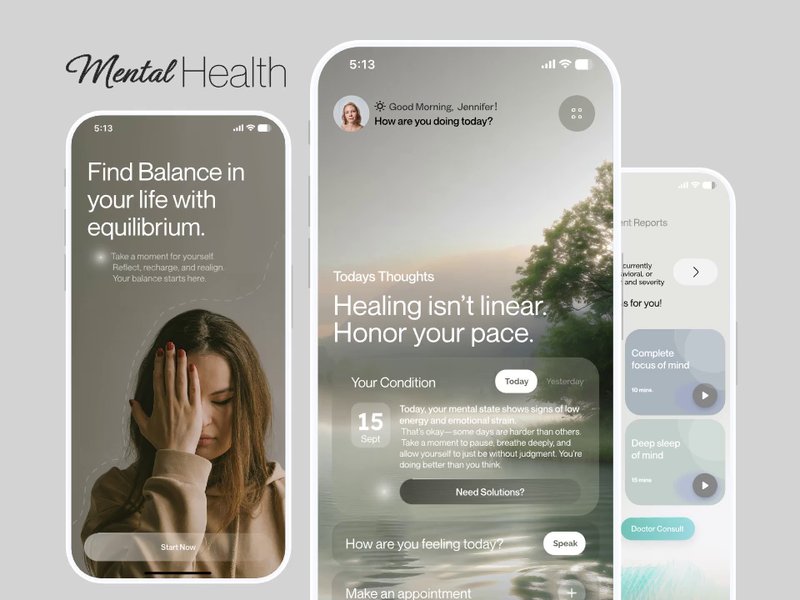
A visually engaging interface of an AI mental health app.
Frequently Asked Questions About AI Mental Health Apps
Are AI mental health apps a substitute for traditional therapy?
How do AI mental health apps ensure user privacy?
Are AI mental health apps evidence-based?
Who can benefit most from using AI mental health apps?
What kind of support can I expect from an AI mental health app like MindNest?
Recommended Further Exploration
- Explore the impact of gamification on mental health app engagement.
- Delve into the ethical considerations surrounding AI in mental health support.
- Conduct a comparative analysis of the leading AI mental health applications available.
- Investigate future trends and innovations in digital mental health interventions.
References
Last updated May 21, 2025