
Guide to Writing a Mini Saga About "A Quiet Place"
Mastering the art of concise storytelling from a silent world
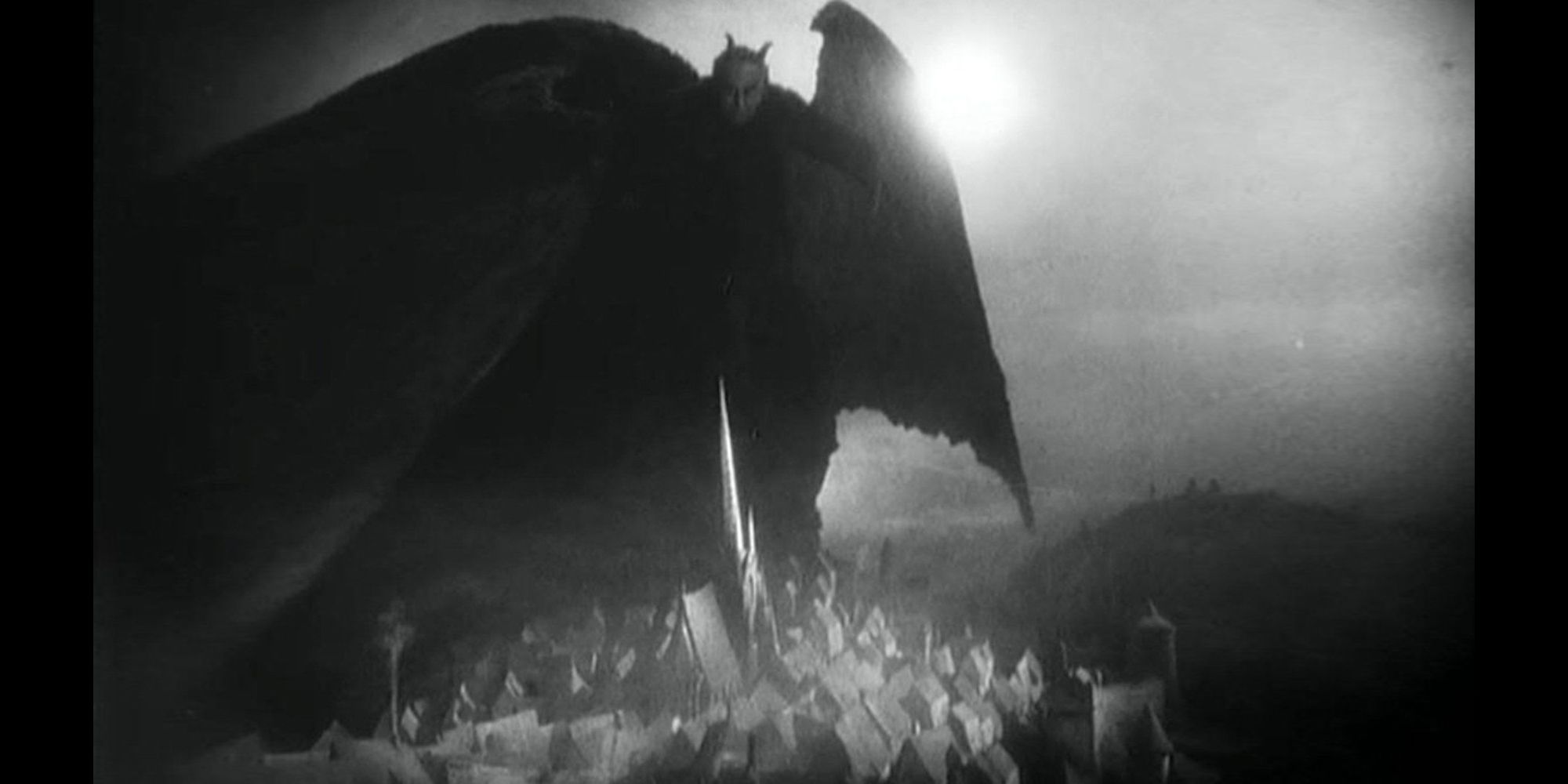
Key Insights
- Understand the Mini Saga Constraints – Exactly 50-word story with a clear beginning, middle, and end.
- Extract Thematic Elements – Focus on survival, silence, family, and fear from the film.
- Refine Your Storytelling – Emphasize precise language and active voice to maximize impact.
Introduction
Crafting a mini saga about the movie A Quiet Place is an exercise in precision and creativity. This task requires summarizing the heart and soul of the movie within a strict 50-word limit. At its core, a mini saga is more than just a brief narrative; it’s an opportunity to encapsulate complex themes, dynamic characters, and a gripping atmosphere in a way that is both minimalist and emotionally powerful. The film itself, with its unique focus on silence as a survival mechanism, offers rich thematic material to draw upon – from the tension of living in a post-apocalyptic setting to the intimate challenges of family dynamics.
Understanding the Mini Saga Structure
A mini saga is defined by its extreme brevity. While many short stories may range from 100 to 1000 words, a mini saga is strictly confined to exactly 50 words. The challenge is not only in telling a story, but doing so with a complete narrative structure: a beginning that introduces the conflict or scenario, a middle that develops the tension, and an end that provides resolution or a twist. Beyond the narrative, it is essential to convey the mood and thematic underpinnings of the source material—in this case, the sensory tension and emotional restraint highlighted in A Quiet Place.
Extracting Core Themes from "A Quiet Place"
In order to write a compelling mini saga, it is important to distill the most essential elements of the movie:
Survival Against All Odds
The movie’s central narrative revolves around survival in a world where sound can lead to fatal consequences. This survival theme is not just physical but also psychological, as each character must navigate fear and the constant threat of danger. In your saga, encapsulate the struggle against an overwhelming, unseen threat.
The Power of Silence
Silence in A Quiet Place is more than just the absence of sound—it’s a symbol of vulnerability, discipline, and hope. This theme is pivotal when considering the narrative's constraints. Use silence as a metaphor, whether by describing a palpable quiet that amplifies tension or referencing the strategic use of muted communication to survive.
Family and Communication
The relationship among family members, especially within the Abbott family, forms a vital part of the film’s emotional landscape. The saga should encapsulate the bonds, the sacrifices, and the unspoken communication that fortify these relationships in the face of extreme adversity.
Essential Steps to Writing Your Mini Saga
Here are step-by-step guidelines to help you craft a mini saga that not only meets the word count requirement but also captures the intense atmosphere of A Quiet Place:
Step 1: Research and Reflect
Begin by immersing yourself in the themes and narrative of the movie. Watch key scenes or read detailed summaries to ensure you have a comprehensive understanding of the movie’s plot, tone, and emotional landscape. Reflect on the moments that most resonated with you—whether it’s the tension during a near-encounter or the intimate moments of unspoken familial support.
Step 2: Brainstorm Key Elements
Jot down the central ideas you want to include. Since every word counts in a mini saga, it’s useful to create a brief outline of the core message. Consider these key elements:
| Element | Description | Movie Reference |
|---|---|---|
| Conflict | The constant threat posed by sound-sensitive creatures. | Monsters hunting by sound. |
| Silence | The need to remain quiet to avoid danger. | Life in a silent dystopia. |
| Family Dynamics | The unspoken bonds and sacrifices among family members. | Interactions within the Abbott family. |
| Survival | The struggle to stay alive amidst overwhelming threat. | Every scene emphasizing resilience. |
Use this table as a reference to ensure that your mini saga includes diverse yet critical aspects of the film.
Step 3: Outline a Story Arc
With your ideas organized, outline a simple narrative structure:
- Beginning: Introduce the scenario. For instance, set the scene with a reference to a sound that initiates tension.
- Middle: Develop the conflict. Describe how the characters react to the imminent threat or how the silence itself becomes a character.
- End: Offer a resolution or a poignant twist. It could be a sacrificial act, a moment of clarity, or the bittersweet price of survival.
Step 4: Choose Precise and Vivid Language
In a format where you are limited to 50 words, every single word is significant. Use strong, active verbs and avoid verbose descriptions. Instead of saying, “the family walked slowly in silence,” you might convey the same idea with, “the family tiptoed through the treacherous quiet.” This precision helps reduce word count while maintaining a rich narrative.
Step 5: Crafting Your Draft
Start writing your mini saga by following your outline and incorporating the essential themes. Keep the sentence structure tight. Here’s an example draft to guide your thought process:
Example Draft
In a realm where whispers are deadly, the Abbott family tiptoed between hope and despair. Every muted step masked an impending doom. Sacrifice and love intertwined as survival danced with fate, and silence became the guardian of life’s fragile thread.
This draft should serve as an inspiration to balance narrative depth with brevity. Remember that the final version must be exactly 50 words, excluding the title.
Step 6: Revise and Edit
Revision is key when working within such a strict word limit. Write several drafts and meticulously count each word. Eliminate any redundant adjectives or unnecessary phrases. Focus on action and emotion that instantly evoke the movie’s atmosphere. Each iteration should draw you closer to perfectly capturing the cinematic tension in a compact format.
Step 7: Obtain Feedback
Share your mini saga with peers, mentors, or in writing groups, especially those familiar with A Quiet Place. Their feedback can offer insight into both narrative impact and fidelity to the movie’s nuanced themes. Honest critique is invaluable in refining the final version.
Incorporating Key Movie Elements into Your Narrative
When crafting your mini saga, think of it as a concentrated essence of A Quiet Place. Each sentence should echo the movie’s unique ambiance:
Sound and Silence as Dual Forces
The film's dramatic irony arises from the interplay between sound and silence. Sound, in this narrative, is both a tool and a trap—it can bring attention, incite danger, and even symbolize hope when controlled. In your saga, consider using a sentence or two that makes the reader feel this delicate balance. For example, a character might act in extreme caution because even the slightest noise can be catastrophic.
Familial Bonds Under Pressure
The relationship dynamics within a family in crisis offers a rich vein of emotion. Your mini saga can highlight how interconnected lives hold together even when every moment is fraught with peril. Underline the depth of familial love and the quiet sacrifices that define the characters' struggle for survival.
The Tension of Immediate Danger
The suspense in the movie is palpable, a constant reminder of the lurking threat. Even in a condensed story, you can evoke the urgency of the moment by concentrating on how the silence conceals enormous danger. A brief mention of an unseen predator or the tension that clings to every movement will sustain the intensity.
Additional Tips for Success
Beyond the basic structure and thematic elements, here are some additional tips to help elevate your mini saga:
Editing Precision
With only 50 words to tell your story, every word must earn its place. Avoid filler words and focus on concise descriptors. Consider each sentence as if it were part of a tightly choreographed dance where every move matters.
Emphasize Visual Imagery
Although words are sparse, they can be impactful. Choose imagery that not only paints the scene but also evokes the unique atmosphere of the film. The interplay between light and shadow, the eerie calm of an empty home, or the urgency of a silent sprint—these visuals can greatly enhance the emotional layer of your narrative.
Maintaining the Word Count
Use tools such as word counters throughout your writing process to ensure that you meet the strict 50-word limit. Practice cutting extraneous words by focusing on what is absolutely necessary for your story’s impact.
Continuous Refinement
Writing the perfect mini saga is a process of continuous improvement. Don’t hesitate to rewrite and re-read your saga multiple times. Combining your initial energy with structured editing increases the clarity and power of your final piece.
Example Mini Saga Analysis
Let’s consider a detailed breakdown of an example mini saga that encapsulates these elements:
Title: "Silent Resolve"
Example Mini Saga: "In a world silenced by fear, the Abbotts tiptoed amidst lurking doom. Where every whisper risked oblivion, love and sacrifice paved a fragile path. A single misstep echoed into chaos, yet hope clung to silence, rewriting fate in muted defiance."
Analysis:
- Beginning: Sets up the world where silence is both a necessity and an emotional burden.
- Middle: Provides tension through the description of lurking dangers and the consequences of even a minor misstep.
- End: Concludes with a sense of hopeful resilience—a theme that truly resonates with the movie.
Practical Applications and Final Considerations
This exercise is not merely about fulfilling a writing challenge. It offers valuable practice in economy of expression and highlighting narrative intensity. Whether you are an educator encouraging students to experiment with creative storytelling or a writer refining your skills in minimalism, crafting a mini saga hones your ability to communicate complex ideas succinctly.
By focusing on the core themes of A Quiet Place—survival through silence, the strength of familial bonds, and the instant threat of danger—you can deliver a narrative that is both evocative and meticulously crafted. Experiment with different drafts and don’t fear the challenge of the 50-word constraint; instead, see it as a canvas to paint a powerful portrait using just a few brush strokes.
Additionally, writing a mini saga encourages critical thinking about every word's impact and the overall flow of your narrative. This discipline can improve your broader writing skills, such as precise communication and the ability to capture the audience's attention quickly. Once you have mastered this form, consider applying similar constraints to other creative exercises.
In a world increasingly filled with verbosity and information overload, this approach of distilling a story to its pure essence remains a compelling challenge. It compels writers to be thoughtful, intentional, and innovative. Each draft brings you closer to not only capturing the essence of a movie like A Quiet Place but also to developing an acute sense of literary brevity.
References
- Mini Sagas - Cambridge Education
- Turn Up Your Scare - Young Writers USA
- Writing Skills: Mini Saga - Onestopenglish
- A Quiet Place - Britannica
- A Quiet Place - Wikipedia
Recommended Queries
 bonacia-sites.s3.eu-west-1.amazonaws.com
Last updated March 11, 2025