
Exploring Minimalist Living's Impact on Millennial Mental Health and Happiness
A thorough guide to research literature and articles on minimalist lifestyles among millennials
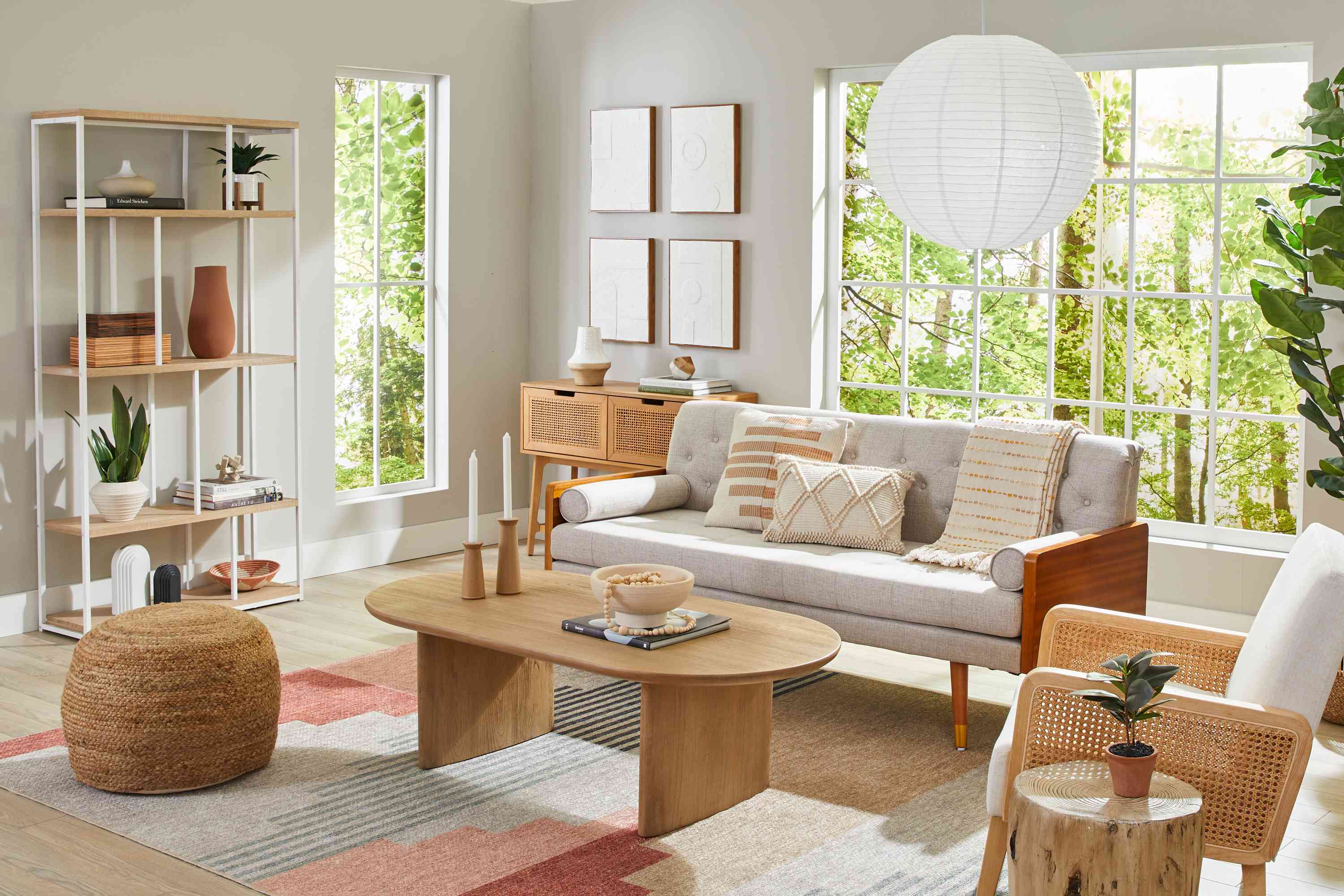
Minimalist living has gained significant traction among millennials, not only as a lifestyle trend but also as a means of enhancing mental well-being and overall happiness. A growing body of research and popular articles explores how reducing material clutter in our environments helps reduce stress, improve mental clarity, and foster a deeper sense of purpose. This comprehensive overview synthesizes insights from various studies and articles to provide an educational guide on the role and effects of minimalist living on mental health and happiness among millennials. In this guide, you will find in-depth descriptions, detailed discussions on the key findings, and direct links to influential pieces of research literature and articles.
Key Takeaways
- Improved Mental Clarity: Several studies indicate that minimalism reduces cognitive overload by eliminating excess clutter, thereby increasing focus and reducing stress.
- Enhanced Emotional Well-Being: The transition to a minimalist lifestyle is associated with lower anxiety levels, improved mood, and a greater sense of life satisfaction due to prioritizing experiences over material possessions.
- Sustainable Happiness: Embracing a minimalist lifestyle supports enduring happiness by fostering mindfulness, encouraging intentional living, and reducing the pressure of consumerism.
In-Depth Analysis of the Research Literature and Articles
Millennials are increasingly gravitating toward minimalist living as a way to create a secure and mentally stimulating environment. As economic pressures and the pervasive influence of consumer culture continue to mount, the appeal of living with less—as a conduit to mental well-being and happiness—has become more pronounced. This phenomenon is supported by both academic studies and popular articles that explore the intersection of minimalism, mental health, and lifestyle satisfaction.
The Psychological Benefits of Minimalist Living
At the heart of minimalist living is the concept of decluttering not just physical spaces, but also one’s inner life. Research consistently demonstrates that minimalism is effective at reducing mental clutter, which in turn helps alleviate anxiety and stress. A simplified environment allows individuals to focus on personal growth and mindfulness by reducing the number of distractions. For millennials, this is especially pertinent given the pressures of modern life—including the constant bombardment of information and a fast-paced lifestyle.
Cognitive Implications
One of the most discussed benefits is the potential for improved cognitive function. By removing unnecessary possessions, individuals often report enhanced concentration and mental clarity. The cognitive benefits are supported by research that suggests a direct link between environmental organization and reduced cognitive load. This phenomenon is particularly beneficial for millennials who value productivity and mental organization in their daily lives.
Stress Reduction and Mental Health
Numerous studies have identified a relationship between minimalist living and lower stress levels. Many millennials adopt minimalist strategies as a way to create environments that foster calm and reduce emotional strain. By focusing on essential items and valuing experiences rather than accumulating possessions, a minimalist lifestyle can lead to a marked decrease in anxiety levels and promote better overall mental health.
Cultural and Experiential Aspects
Beyond the practical benefits, minimalism also carries strong cultural and experiential connotations. The movement is often seen as a counterbalance to the rampant consumerism pervasive in modern society. Millennials, in particular, have embraced minimalism as a philosophical stance that questions the value of material clutter and instead emphasizes quality experiences, meaningful relationships, and personal fulfillment.
Minimalism encourages individuals to re-evaluate their priorities, leading to heightened self-awareness, personal development, and lasting happiness. This shift from external validation via material accumulation to internal fulfillment has been central to the minimalist discourse, as reflected in both academic studies and popular media narratives.
The Role of Intentional Living
Intentional living is a recurring theme in minimalist literature and mainstream articles alike. It involves making deliberate choices about what truly adds value to one's life and discarding what does not. This process of careful evaluation leads to environments that are less cluttered and more supportive of personal growth and mental health. Millennials who adopt these principles report experiencing enhanced emotional stability and a sense of personal empowerment.
Economic and Social Influences
The decision to live minimally is often influenced by broader economic and social pressures. For many millennials facing high student debts, uncertain job markets, and stiff economic realities, minimalism offers an alternative route to financial freedom and mental peace. By reducing spending on non-essential items, individuals can reallocate resources to experiences and investments that yield long-term satisfaction.
On a societal level, the rise of digital media has also played an instrumental role in popularizing minimalist living. Social media platforms are replete with testimonials, before-and-after spaces, and lifestyle tips that highlight the importance and benefits of minimalism, creating a supportive community that propagates these ideas.
Selected Research Literature and Articles
Below is a comprehensive table listing ten influential research literature (RRL) and articles that examine the effect of minimalist living on mental health and happiness among millennials. These studies delve into various facets of the minimalist lifestyle—from cognitive benefits and stress reduction to its cultural resonance and role in fostering personal growth.
| Title | Description | Link |
|---|---|---|
| Why Millennials Are Minimalists: A Deep Dive into a Simpler Lifestyle | A popular piece exploring why millennials are adopting minimalism to declutter physical and mental spaces, which in turn supports overall mental health. | Visit Article |
| Understanding the Cognitive Implications of Minimalist Living | This article discusses the cognitive benefits of a simplified living space by providing insights into how minimalism reduces mental clutter and helps lower stress. | Visit Article |
| 4 Reasons the Minimalism Trend Is So Popular With Millennials | This article outlines key reasons behind the rise of minimalism among millennials, linking a simplified lifestyle with enhanced emotional and mental well-being. | Visit Article |
| How A Minimalist Lifestyle Benefits Your Mental Health | A detailed exploration of how decluttering and a minimalist lifestyle can lead to improvements in mental health, including stress reduction and increased clarity. | Visit Article |
| Goodbye Materialism: Exploring Antecedents of Minimalism and Its Impact on Millennials' Well-being | This research article examines how minimalism influences millennials' well-being by reducing material focus and promoting a simpler, more fulfilling lifestyle. | Visit Article |
| The Pursuit of Less: Embracing Minimalism as a Way of Life | An insightful piece that investigates the lifestyle shift toward minimalism and how living with less can be a positive strategy for mental health and personal development. | Visit Article |
| Minimalist Life Orientations as a Dialogical Tool for Happiness | An academic review exploring minimalist orientations as tools for enhancing happiness and fostering environments that support enhanced communication and mental clarity. | Visit Article |
| Minimalism, Voluntary Simplicity, and Well-being: A Systematic Review of the Empirical Literature | This systematic review collates empirical literature demonstrating a positive correlation between minimalist practices and improved emotional and psychological well-being. | Visit Article |
| Quest for Less! Living with Minimalism for Building a Better Sustainable World | A qualitative study focused on how minimalist living among millennials contributes both to personal well-being and the broader pursuit of sustainability in daily life. | Visit Article |
| Towards a Theory of Minimalism and Wellbeing | A theoretical exploration that delves into the relationships between minimalist living practices and their psychological benefits, including enhanced mood and reduced anxiety. | Visit Article |
Additional Discussions: Nuances and Future Directions
Exploring the Underlying Mechanisms
The positive impact of minimalist living on mental health and happiness is multifaceted. Psychologically, the reduction in clutter translates to reduced sensory overload and less decision fatigue. Each object or piece of furniture in our surroundings can impose a subtle yet persistent demand on our attention. By eliminating the superfluous, minimalist environments create mental space that allows for a higher degree of creative thought and problem-solving.
Moreover, minimalist living supports the practice of mindfulness. When individuals consciously curate their possessions, they engage in reflective decision-making. This habit reinforces a mindset that is continually aware of one’s goals and values. In this sense, minimalism is not merely about physical reduction, but also a philosophical stance that encourages genuine introspection, self-awareness, and purposeful living.
Social and Economic Implications
Financial Freedom and Simplicity
Beyond mental health, adopting a minimalist lifestyle has clear economic benefits. For many millennials burdened by high living costs, adopting minimalism allows for significant financial benefits—reducing unnecessary expenditures and promoting saving habits. This financial liberation further contributes to reduced stress and a stronger sense of security.
Community and Shared Values
Socially, minimalism is fostering communities built on shared values. Millennials often share stories of simplified living through blogs, social media, and online communities, which serve as sources of inspiration and support. As these communities grow, they reinforce the benefits of minimalism and encourage broader cultural shifts. The dialogue around minimalistic lifestyles is vibrant and evolving, indicating a promising future in both research and practice.
Implications for Future Research
While current studies emphasize the relationship between minimalism and mental health improvements, future research might explore longitudinal impacts, cultural variations, and the interplay between minimalism and digital lifestyles. As more millennials adopt minimalism, researchers are poised to uncover novel insights into how intentional living further shapes our cognitive and emotional landscapes.
Conclusion
In summary, the body of research and popular articles clearly demonstrates that minimalist living can have a positive impact on the mental health and happiness of millennials. The benefits, as detailed above, include enhanced mental clarity, a reduction in stress levels, improved emotional well-being, and even financial advantages that contribute to an overall satisfying lifestyle. By championing an approach that values experiences over material possessions, minimalism helps foster a deeper sense of fulfillment and purpose. As millennials continue to face the pressures of modern consumer culture, minimalism offers a viable path toward reclaiming mental peace and achieving sustained happiness.
The articles and research literature enumerated in the table provide valuable insights for anyone interested in understanding how a reduction in physical clutter can translate into mental freedom and enhanced emotional stability. Importantly, they underline that minimalism is not about deprivation but about making space for what truly matters—be it personal growth, meaningful relationships, or simple joys of life.
References
- Why Millennials Are Minimalists: A Deep Dive into a Simpler Lifestyle - Medium
- Understanding the Cognitive Implications of Minimalist Living - Very Big Brain
- 4 Reasons the Minimalism Trend Is So Popular With Millennials - Doable Simplicity
- How A Minimalist Lifestyle Benefits Your Mental Health - Acenda Health
- Goodbye Materialism: Exploring Antecedents of Minimalism and Its Impact on Millennials' Well-being - ResearchGate
- The Pursuit of Less: Embracing Minimalism as a Way of Life - ResearchGate
- Minimalist Life Orientations as a Dialogical Tool for Happiness - ResearchGate
- Minimalism, Voluntary Simplicity, and Well-being: A Systematic Review of the Empirical Literature - ResearchGate
- Quest for Less! Living with Minimalism for Building a Better Sustainable World - ResearchGate
- Towards a Theory of Minimalism and Wellbeing - ResearchGate
More
Last updated February 19, 2025