
How to Live a More Minimalist Life
Discover simplicity, freedom, and intentional living in everyday choices
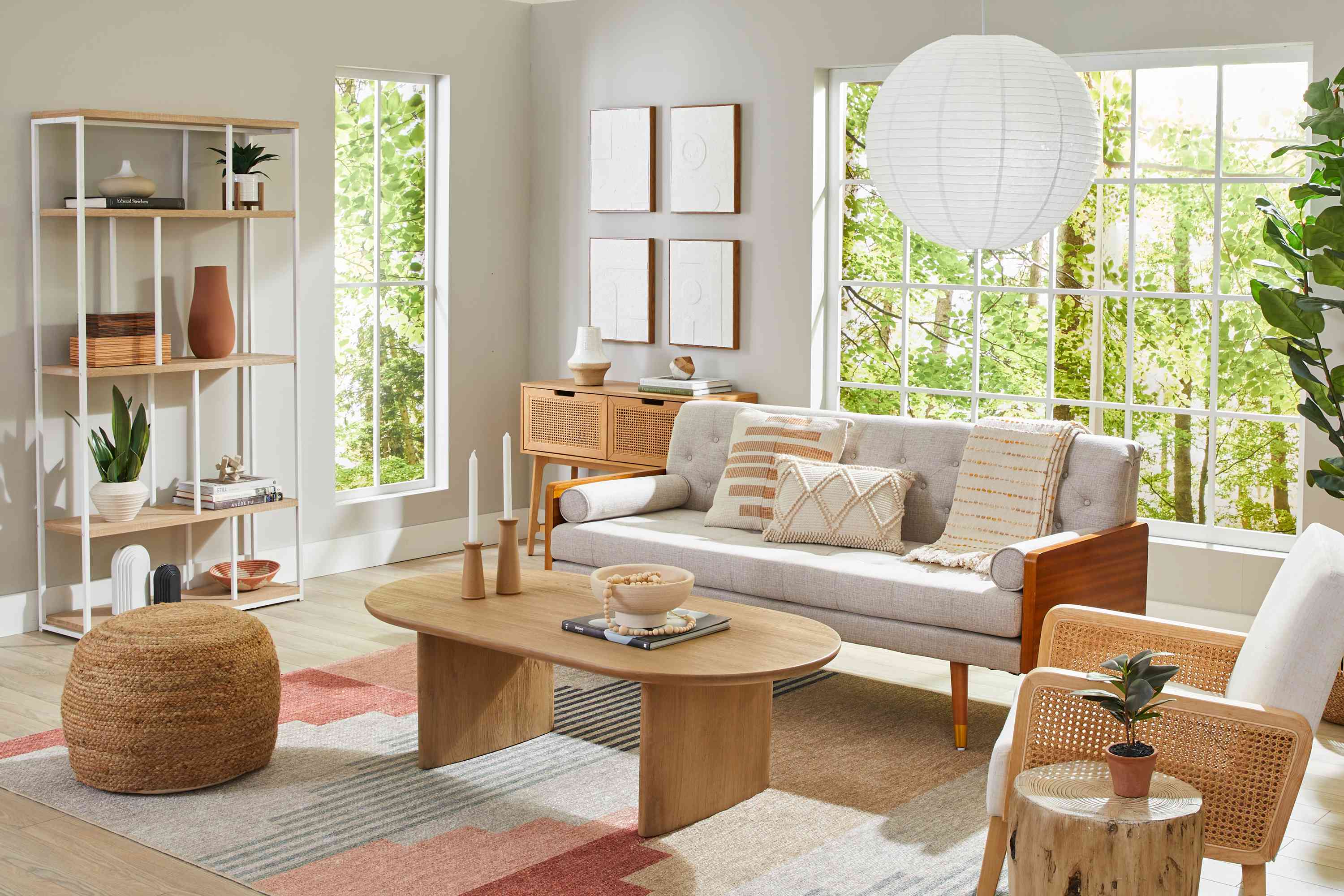
Key Takeaways
- Intentional Choices: Minimalism begins with clarity of your values and priorities, enabling you to focus on what truly matters.
- Decluttering and Organization: Regularly reviewing and letting go of items and distractions creates a calm, efficient, and inspiring environment.
- Mindful Consumption and Systems: Embrace quality over quantity in belongings, digital habits, and daily routines to cultivate long-term well-being.
Understanding the Philosophy of Minimalism
Minimalism is far more than living with fewer items—it’s about creating space, both physically and mentally, for what truly adds value to your life. At its core, minimalism revolves around intentionally choosing quality over quantity. This not only applies to physical possessions but also to experiences, commitments, digital engagements, and even mental clutter. By adopting a minimalist approach, you prioritize clarity, purpose, and freedom from unnecessary distractions.
The minimalist mindset encourages you to examine all areas of your life: your home, digital devices, finances, and even relationships. When you strip away the superfluous, what remains can be managed, cherished, and enjoyed. This philosophy manifests in habits such as mindful spending, decluttering regularly, and setting up systems that promote simplicity and organization.
Setting Your Priorities and Goals
The journey toward a minimalist lifestyle starts with introspection. Reflect on your core values and the goals you wish to achieve. Ask yourself:
- Why do I want to live minimally?
- What aspects of my life cause stress and distraction?
- How can simplifying my surroundings help me focus on relationships, experiences, and personal growth?
When you identify the reasons behind your desire for simplicity, you create a strong foundation that guides all your decisions. Some people choose minimalism to reduce stress, others to save money or to focus on meaningful relationships and experiences. Write down your goals, set specific milestones, and review them regularly so your minimalist journey remains aligned with your evolving needs and circumstances.
Decluttering Your Physical and Digital Space
Physical Decluttering
One of the most practical beginnings of minimalism is decluttering your living and work spaces. Start small—a single drawer, a closet, or even one shelf—and sort items into categories such as “keep,” “donate/sell,” and “discard.” Techniques like the 90/90 rule suggest that if you haven’t used an item in the past 90 days and don’t foresee using it in the next 90, it might be time to let it go.
Regular decluttering sessions prevent the buildup of unnecessary items. Incorporate daily or weekly habits like putting things back in their designated places and having clear storage systems.
Digital Decluttering
In today’s technology-driven world, our digital spaces can become just as cluttered as our physical ones. Take time to organize your computer files, clean up your email inbox, and declutter your smartphone apps. Unsubscribing from unwanted newsletters, deleting unused apps, and creating folders will reduce digital distractions, enhance your productivity, and free mental space.
Steps for Effective Decluttering
| Area | Action | Benefit |
|---|---|---|
| Closet/Drawer | Sort items into keep, donate, or discard piles | Creates space and simplifies morning routines |
| Living Room | Remove excess items and decorate with meaningful pieces | Reduces visual clutter and stress |
| Digital Files | Organize documents into folders and delete duplicates | Improves efficiency and minimizes distractions |
| Email Inbox | Unsubscribe from unnecessary mailings and archive older emails | Saves time and reduces mental clutter |
This table provides a straightforward guide to get started with decluttering in various areas. Reviewing and adjusting these areas regularly can help maintain a balanced, minimalist environment.
Adopting Mindful Consumption
Living minimally also means developing a mindful approach to how you acquire and use your belongings. Before making a new purchase, take the time to ask yourself if the item truly adds value to your life. Focus on buying high-quality, versatile items that serve multiple purposes. This approach not only saves money in the long run but also reduces waste.
One popular practice is the 30-day rule for non-essential purchases—if you still feel the desire for an item after 30 days, then consider buying it. This method helps prevent impulse purchases and encourages more thoughtful spending.
Mindful consumption isn’t strictly about frugality. It’s about investing in what matters: quality, functionality, and sustainability. By choosing products that last longer and serve more functions, you gradually create a space that exudes both simplicity and purpose.
Simplifying Daily Routines and Systems
Effective minimalism extends into your everyday habits. Organizing your schedule, reducing commitments, and automating routine tasks can drastically reduce daily stress and free up time for what truly matters. Simplify your calendar by prioritizing commitments that add meaning to your life, and learn to say no to obligations that don’t align with your core values.
Establishing Simple Systems
Creating systems for everyday tasks is key. Invest time in developing routines that streamline your morning, manage your finances, and even plan meals. Use digital tools, such as organization apps or calendars, to help reduce mental clutter and improve focus. Automating certain tasks, like bill payments or grocery shopping, can also be a time-saver in the long run.
Designing a Productive Daily Routine
A productive routine might include practices like meditation or journaling, which help organize your thoughts and set priorities for the day. By allocating specific times for work, self-care, and hobbies, you ensure that your day is balanced and intentionally structured. This disciplined approach leads to increased efficiency and overall satisfaction.
Embracing a Capsule Wardrobe and Sustainable Practices
Minimalism isn’t just about clearing physical and digital clutter—it’s also about refining your lifestyle. For many, this means developing a capsule wardrobe that uses a limited number of versatile clothing items. By focusing on quality, timeless pieces instead of trendy, disposable fashion, you not only lighten your load but also save time and energy in decision-making each morning.
A capsule wardrobe emphasizes versatility and classic style. This approach minimizes the stress associated with choosing outfits while promoting a sustainable way of living. It is rooted in the idea that fewer, well-chosen items lead to a more fulfilling and organized life.
Alongside your wardrobe, consider other sustainable practices such as repairing broken items instead of replacing them, donating unused items, and buying reusable products. These practices not only contribute to your minimalist lifestyle by reducing excess but also foster a stronger sense of personal responsibility and environmental care.
Financial Minimalism
A minimalist approach to finances means living within—or below—your means. It encourages you to be more conscious of your spending habits and to prioritize saving and investing in your future. By focusing on essential expenses and eliminating unnecessary expenditures, you create a more stable financial foundation.
Keeping track of your spending not only helps maintain a minimalist lifestyle but also permits a more detailed review of your financial priorities. Setting a strict budget and tracking your expenses are practical steps in reallocating your resources towards what truly matters, whether that is investing in experiences or building a solid emergency fund.
Minimizing Mental Clutter
The minimalist lifestyle extends beyond physical clutter into the realms of mental and emotional well-being. In today’s fast-paced society, mental clutter—stemming from an overload of tasks, digital distractions, and social pressures—can be especially overwhelming. Cultivating mindfulness through meditation, journaling, or simply spending quiet time in reflection can help decrease stress and improve focus.
By consciously choosing to simplify the mental noise, you create room for thoughts that promote creativity, clarity, and intention. Learning to say no, setting boundaries, and prioritizing what is essential in your daily life are effective ways to free yourself from the storied pressures of modern life. This mindful approach not only enhances productivity but also nurtures an overall sense of well-being.
Practical Tips for Daily Minimalist Living
Transforming your lifestyle into one that embraces minimalism doesn’t have to be overwhelming. Instead, view it as a series of manageable steps that lead to a redeveloped sense of freedom and intentionality. Here are some practical tips to make minimalism a day-to-day habit:
- Start Small: Identify one area in your home or routine and focus on decluttering or simplifying that space. For example, clear out a single shelf or rearrange your digital files.
- Schedule Regular Decluttering: Whether it’s a daily five-minute tidy-up or a monthly deep clean, regular decluttering helps maintain order and prevents the accumulation of excess.
- Prioritize Experiences: Invest your time and money in experiences and relationships that bring genuine joy rather than accumulating physical possessions.
- Practice Gratitude: Begin or end each day by listing things you are thankful for, reinforcing a positive mindset and reducing the urge for unnecessary acquisitions.
- Reflect and Reassess: Periodically evaluate your possessions, habits, and commitments, ensuring they remain aligned with your core values and life goals.
These practices not only enhance the physical appearance of your surroundings but also foster a balanced mental state, ultimately leading to a life of simplicity and increased personal freedom.
Building a Minimalist Community and Mindset
The journey to minimalism can be both personal and communal. Engaging with like-minded individuals, be it through online communities, local groups, or workshops, can provide support, inspiration, and accountability. Sharing experiences and strategies with others on a similar path can enhance your commitment to keeping a clutter-free life.
In addition, cultivating a mindset that values simple living is a lifelong process. It requires continual self-reflection, the willingness to adapt, and the patience to change long-standing habits. Over time, as you learn to let go and focus on what truly matters, you’ll likely find increased clarity, reduced stress, and an overall deeper sense of fulfillment.
Integrating Minimalism Across All Life Domains
Minimalism isn’t only restricted to home organization or reducing spending—it’s a holistic lifestyle. The principles can be applied to every aspect of your life including career, personal relationships, and leisure. For instance, streamlining your work environment by minimizing paperwork and organizing digital tools can significantly boost productivity. Similarly, simplifying your social commitments by focusing on quality over quantity helps build stronger, more genuine relationships.
Integrating minimalism into your daily habits, from the way you prepare your meals to how you communicate with others, reinforces a lifestyle where purpose and clarity dominate. This kind of integrative approach ensures that minimalism isn’t a temporary trend but a steady, evolving part of your life philosophy.
Conclusion
Adopting a minimalist lifestyle is a deliberate, transformative journey—a path that invites you to simplify your surroundings, be more intentional with your decisions, and focus on what genuinely enriches your life. By setting clear priorities, regularly decluttering your physical and digital environments, practicing mindful consumption, and embracing systems that foster order, you can create a life that is both serene and purpose-driven.
Minimalism is not about deprivation; it is about investing in quality, sustainability, and overall well-being. Whether you’re streamlining your home, budgeting smarter, or cultivating a calm mind, every thoughtful choice contributes to a more fulfilling and liberated life.
References
- Seeking Simplicity: How to Start Living a More Minimal Lifestyle - Apartment Therapy
- How to Become a Minimalist: Step-by-Step - More Fulfilled
- Minimalist Living - The Savvy Couple
- Minimalist Life - Simply Fiercely
- Minimalism Tips - BetterUp
- Beginner Minimalist - Be More With Less
- Extreme Minimalism Tips - Medium
- How to Become a Minimalist - Conni
- 10 Practical Tips for Maintaining Minimalism - Becoming Minimalist
- How to Become a Minimalist: Tips for Decluttering Your Life - Extra Space
- What Is Minimalist Lifestyle? - SoFi
- Ways to Live a Minimalist Lifestyle Without Feeling Bored - Quora
- 32 Tips on Becoming a Minimalist - The Rustic Elk
- Minimalist Lifestyle - Capital One
- Live Like a Minimalist - Becoming Minimalist
More
Last updated February 18, 2025