
How to Live a More Minimalist Life
Embrace simplicity and find joy in less
Key Takeaways
- Define Your Purpose: Understanding your motivations for minimalism guides your actions and decisions.
- Declutter and Organize: Regularly removing unnecessary possessions and organizing your space creates a serene environment.
- Be Intentional: Whether it’s with purchases, time, or relationships, intentionality leads to a more fulfilling minimalist life.
1. Define Your Purpose
Understanding Your "Why"
Embarking on a minimalist journey begins with a clear understanding of your motivations. Ask yourself why you want to adopt a minimalist lifestyle. Common reasons include reducing stress, saving money, creating more time for meaningful activities, and focusing on personal growth. By defining your "why," you establish a strong foundation that guides your decisions and keeps you motivated throughout your journey.
2. Declutter Your Physical Space
Creating a Serene Environment
Decluttering is a fundamental step in embracing minimalism. Start by systematically organizing your living and working spaces. Begin with one room or one category of items, such as your wardrobe or kitchen. Use methods like the "joy" test, where you keep only items that bring you joy or serve a practical purpose. Donate, sell, or recycle items that no longer serve you.
Consider adopting a capsule wardrobe, which involves owning a small, versatile collection of clothing that can be mixed and matched effortlessly. Regular decluttering sessions help maintain a clutter-free environment and prevent the accumulation of unnecessary items.
3. Simplify Your Digital Life
Managing Digital Clutter
Minimalism extends beyond physical possessions to your digital life. Start by decluttering your digital spaces: unsubscribe from unnecessary emails, delete unused apps, and organize your digital files. Reducing screen time and limiting time spent on social media can significantly decrease mental clutter, allowing you to focus on more meaningful activities.
Implementing a digital detox can help in regaining control over your online presence. Streamline your digital subscriptions and ensure that your digital environment supports your minimalist goals.
4. Be Intentional with Possessions and Purchases
Quality Over Quantity
Adopting minimalism involves being mindful about what you bring into your life. Focus on acquiring fewer items of higher quality that serve multiple purposes. Before making a purchase, ask yourself whether you truly need the item or if it simply satisfies a temporary desire. Implement rules such as the "30-Day Rule," where you wait 30 days before making non-essential purchases to avoid impulsive spending.
By prioritizing quality over quantity, you not only reduce clutter but also invest in items that offer long-term value and satisfaction.
5. Streamline Your Schedule and Commitments
Simplifying Your Time
A minimalist lifestyle requires simplifying your schedule to focus on what truly matters. Evaluate your current commitments and learn to say "no" to activities that do not align with your priorities. Protect time for rest, personal growth, and meaningful relationships by reducing obligations that contribute to a hectic and unbalanced life.
Create intentional routines such as a consistent morning and evening routine to reduce decision fatigue and increase productivity. Planning meals in advance and limiting multitasking can also help streamline your daily activities.
6. Cultivate Meaningful Relationships and Experiences
Focusing on What Truly Matters
Minimalism emphasizes the importance of relationships and experiences over material possessions. Invest time and energy in nurturing relationships with loved ones and engaging in activities that bring joy and fulfillment. Experiences like traveling, hobbies, and volunteering often provide more lasting satisfaction than the accumulation of goods.
By prioritizing meaningful interactions and experiences, you create a rich and fulfilling life that is not dependent on material wealth.
7. Practice Gratitude and Mindfulness
Cultivating a Positive Mindset
Gratitude plays a crucial role in maintaining a minimalist lifestyle. Regularly appreciating what you have shifts your mindset from scarcity to abundance, making it easier to let go of excess. Incorporate practices like journaling, meditation, or mindfulness exercises to enhance your awareness and contentment with the present moment.
Mindfulness helps in reducing mental clutter and fostering a serene and focused mindset, essential for a minimalist life.
8. Maintain the Minimalist Lifestyle
Ensuring Sustainability
Minimalism is not a one-time effort but an ongoing journey. Regularly reassess your possessions, habits, and goals to ensure they still align with your values. Implement the "one-in, one-out" rule, where for every new item you bring into your life, you let go of something else. This practice helps maintain balance and prevents clutter from creeping back.
Periodic lifestyle audits allow you to continuously improve and deepen your minimalist practice, ensuring that your lifestyle remains sustainable and aligned with your evolving goals.
9. Financial Minimalism
Managing Your Finances Wisely
Financial minimalism focuses on living within or below your means, creating and adhering to a budget, and saving intentionally. By reducing unnecessary expenditures and avoiding impulsive purchases, you can achieve greater financial freedom and security. Prioritize spending on experiences and investments that add lasting value to your life.
Eliminating financial clutter also involves reviewing and reducing subscriptions, debts, and other financial obligations that do not contribute to your well-being.
10. Environmental Consciousness
Living Sustainably
Adopting minimalism encourages a more sustainable lifestyle by reducing waste and choosing eco-friendly options. Repair items when possible, donate or responsibly dispose of goods, and opt for products that have a lower environmental impact. By consuming less and making mindful choices, you contribute to the preservation of the environment and reduce your ecological footprint.
Environmental consciousness aligns with minimalist values, promoting a lifestyle that respects both personal well-being and the planet.
11. Mental Minimalism
Reducing Mental Clutter
Mental minimalism involves practices that declutter your mind and enhance focus. Engage in activities such as meditation, journaling, or mindfulness to clear your thoughts. Setting boundaries and focusing on single-tasking rather than multitasking can significantly improve mental clarity and reduce stress.
By managing mental clutter, you enhance your ability to concentrate on tasks that truly matter, leading to increased productivity and personal satisfaction.
12. Create a Minimalist Home Environment
Designing Your Living Space
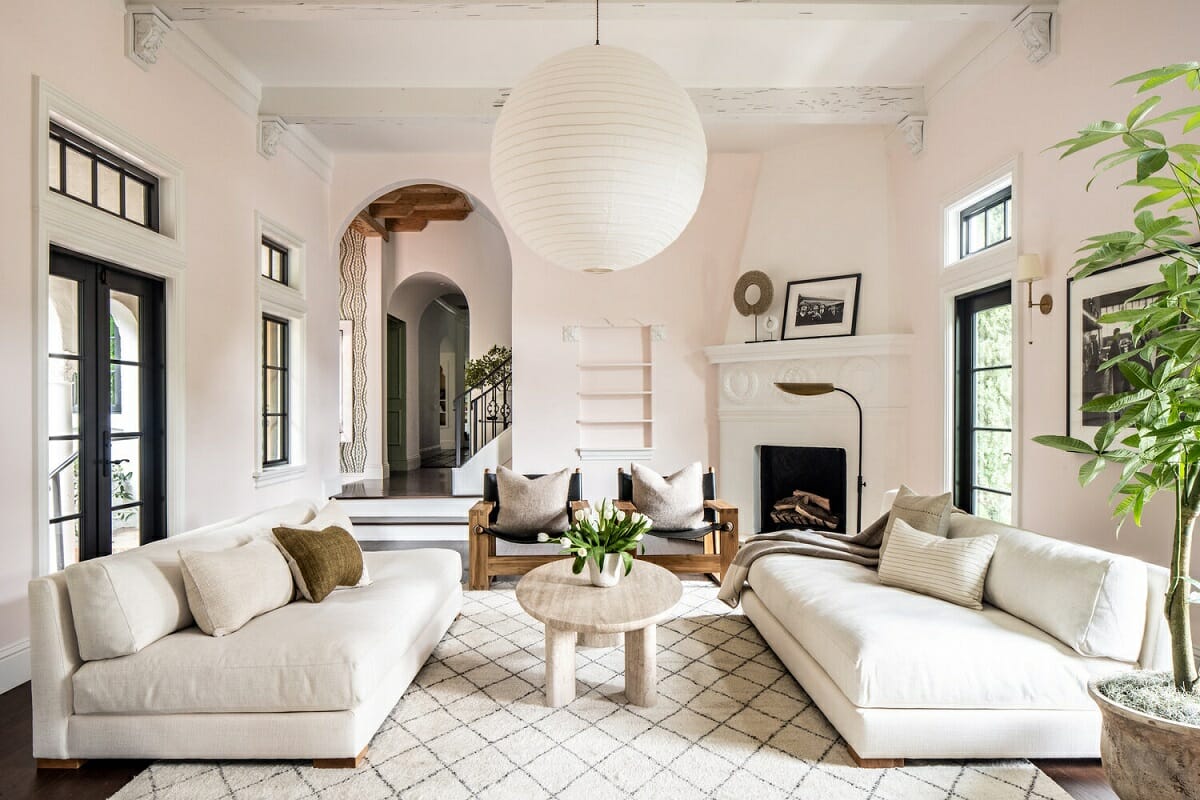
A minimalist home environment is characterized by clean lines, open spaces, and functional furniture. Remove visual clutter by keeping surfaces clear and organizing items in designated spaces. Opt for multifunctional furniture that serves both aesthetic and practical purposes. A minimalist home not only looks serene but also promotes a sense of calm and order.
Incorporate elements like neutral colors, natural light, and simple decorations to enhance the minimalist aesthetic and create a peaceful living space.
13. Implement Intentional Routines
Structuring Your Day
Establishing intentional routines helps reduce decision fatigue and increases productivity. Create consistent morning and evening routines that set the tone for your day and wind you down at night. Plan meals in advance to simplify cooking and reduce food waste. Maintaining a tidy space through daily small actions ensures that clutter does not accumulate.
Intentional routines provide structure and stability, making it easier to maintain a minimalist lifestyle consistently.
Conclusion
Living a more minimalist life is a transformative journey that involves intentionality, decluttering, and a shift in mindset. By defining your purpose, simplifying your physical and digital spaces, being mindful with purchases, and prioritizing meaningful relationships and experiences, you can create a fulfilling and serene lifestyle. Regular maintenance and reassessment ensure that minimalism remains a sustainable and enriching practice, leading to greater happiness and a deeper sense of purpose.
References
By implementing these strategies and maintaining a commitment to minimalism, you can cultivate a life that is both simpler and more meaningful, focused on what truly matters.
Last updated January 22, 2025