
Mining Methods in Africa
Exploring Diverse Extraction Techniques Across the Continent
Essential Insights
- Surface and Underground Mining: Extraction methods vary from open-pit operations at the surface to deep underground techniques.
- Artisanal and Mechanized Approaches: The African mining sector combines traditional artisanal mining with advanced mechanized processes.
- Environmental and Economic Considerations: Each mining method is chosen based on factors including deposit depth, geological attributes, and environmental impact.
Overview of African Mining Methods
The mining industry in Africa is a vital component of numerous economies across the continent. A wide range of methods are employed to exploit the rich and diverse mineral resources available. The choice of mining technique largely depends on the mineral type, depth, geological conditions, and economic feasibility. In Africa, methods include both surface mining techniques, such as open-pit and continuous surface mining, and subsurface methods, including underground mining. Additionally, artisanal and small-scale mining play a significant role in local communities.
Surface Mining Techniques
Open-Pit (Open Cast) Mining
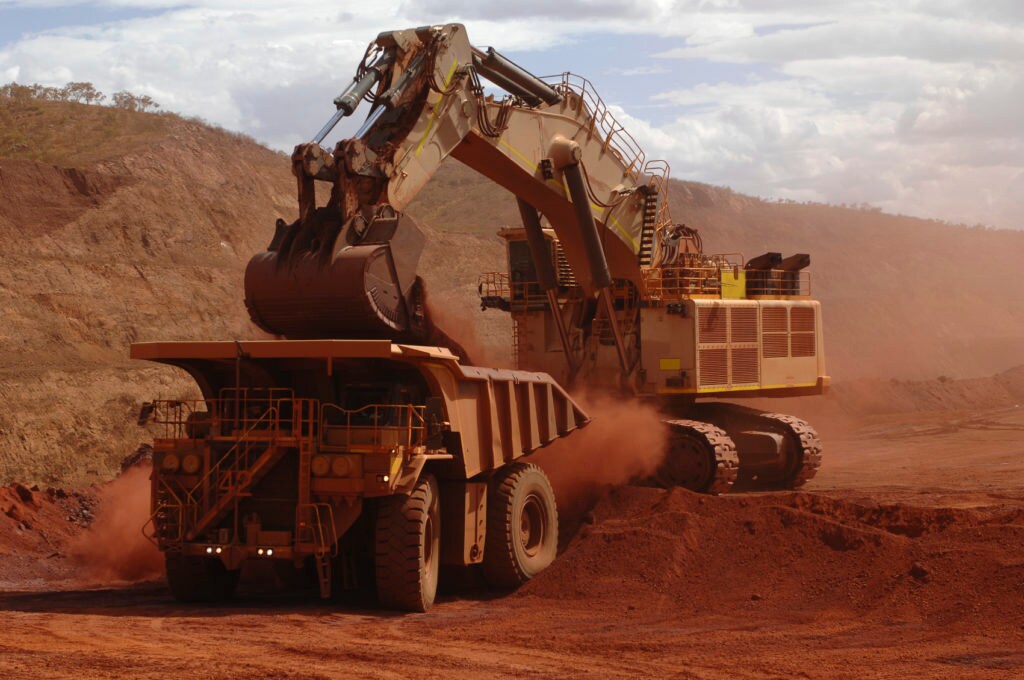
Open-pit mining is one of the most widely used methods in Africa for the extraction of minerals that are found near the surface. This process involves removing large quantities of overburden, which refers to the soil, rock, and vegetation that cover the mineral deposit, to create a large pit from which the minerals are extracted. The method is economically advantageous due to its relative ease and the lower cost associated with extracting shallow deposits. Open-pit mining is extensively used to access minerals such as gold, copper, diamonds, and coal.
Continuous Surface Mining
Continuous surface mining is designed to maximize productivity while reducing environmental impacts. This method employs specialized machinery to continuously follow the ore body, thereby eliminating the need for frequent drilling and blasting. The process helps in maintaining higher ore quality and reducing noise, vibration, and dust pollution. It is particularly advantageous in regions where the ore deposits are extensive yet near the surface.
Placer Mining
Placer mining involves the extraction of valuable minerals from alluvial deposits, typically found in riverbeds, beaches, or areas where sediments have been naturally concentrated. The technique utilizes water to separate heavy minerals from lighter sediments, making it a common method used for extracting gold and other precious metals from deposits that have been washed downstream. Although the technique is relatively simple, it is labor-intensive and usually carried out on a small scale.
Subsurface Mining Techniques
Underground (Subsurface) Mining
Underground mining is primarily used when mineral deposits are located deep beneath the earth's surface. This method involves the development of shafts, tunnels, and adits (horizontal passages) to reach and extract the mineral seams. Underground techniques include shaft mining, where vertical shafts are sunk to reach the ore, and slope mining, which follows a natural incline to access the deposit. Though underground mining is more complex and expensive compared to surface mining, it becomes the method of choice when the mineral deposit is inaccessible by open pit methods. South Africa is renowned for its deep-level mining, particularly in the extraction of gold.
In-Situ Mining
In-situ mining involves dissolving the mineral directly in the ground and subsequently pumping the solution to the surface for extraction. This method is most commonly associated with the recovery of minerals such as uranium. While in-situ mining minimizes surface disturbance and waste rock, it requires precise control and understanding of the geology and hydrology of the mining site. Despite its limited application in Africa compared to other methods, it offers potential benefits in selected deposits.
Other Significant Methods
Artisanal and Small-Scale Mining (ASM)
Artisanal and small-scale mining, often referred to as ASM, is a prevalent practice across the African continent. It is usually carried out by local communities using low-tech, manual techniques. Artisanal miners work independently or in small groups to extract minerals such as gold, diamonds, and gemstones. Despite offering significant economic benefits to local populations, ASM is frequently associated with challenges such as poor safety standards, environmental degradation, and informal working conditions. Governments and international organizations are working to formalize this sector in order to enhance safety, reduce environmental impacts, and improve economic outcomes.
Dredging
Dredging is primarily used in the mining of alluvial deposits, especially for the extraction of diamonds and other heavy minerals buried in riverbeds. This method involves the use of equipment to scoop up sediments from the bottom of water bodies. Dredging can be effective in areas where traditional mining methods are impractical or inefficient due to the dynamic nature of the deposit. In Africa, where many diamonds are found in riverbeds and similar environments, dredging provides a viable alternative, especially when combined with modern processing techniques.
Factors Affecting Method Selection
The specific method chosen for mining in Africa is influenced by multiple factors, each playing a crucial role in determining both the feasibility and the environmental impact. These factors include:
Geological Considerations
Deposit Depth and Composition
One of the primary determinants in selecting a mining method is the depth at which the minerals are located. Shallow deposits often lend themselves to surface mining methods such as open-pit or continuous surface mining, while deeper deposits necessitate underground operations. Additionally, the composition of the surrounding rock and the presence of overburden material can heavily influence the decision. Rocks that are softer or more fragmented may allow for simpler extraction, whereas hard, compact rock may increase the costs and technical challenges.
Economic Feasibility
The economic viability of a mining operation is determined by multiple factors including the cost of extraction, market value of the mineral, and infrastructural requirements. Surface mining methods typically have lower operational costs but are limited to resources near the surface. In contrast, underground mining, while more expensive due to the need for sophisticated equipment and enhanced safety measures, becomes the only option when targeting deeper mineral deposits. Cost-benefit analyses are essential to ensure that the chosen method yields sufficient returns to justify the investment.
Technological and Environmental Challenges
Technological Capabilities
With advancements in technology, many African countries are adopting modern methods to improve efficiency and safety in mining operations. The integration of computerized mapping, drilling technology, and automation not only improves extraction rates but also minimizes the risks associated with manual labor. As technology continues to evolve, mining operations are better equipped to handle complex geological formations and to ensure worker safety.
Environmental and Regulatory Considerations
Environmental impact is a significant concern in mining operations. Different methods yield varying levels of environmental disruption. For instance, open-pit mining, while cost-effective, can lead to considerable landscape alteration and waste generation. In contrast, underground mining limits surface disturbances but has its own set of challenges related to the disposal of waste rock and management of mine water. Regulatory frameworks across Africa are increasingly focused on ensuring that mining practices are sustainable and that the environmental footprint is minimized, necessitating strict compliance with environmental guidelines.
Comparative Analysis of Mining Methods
Evaluating the different mining methods requires a comprehensive understanding of their respective advantages and challenges. The following table offers a comparison of the main methods based on key parameters including cost, environmental impact, and operational complexity.
| Mining Method | Cost Effectiveness | Environmental Impact | Typical Applications |
|---|---|---|---|
| Open-Pit Mining | High for shallow deposits | High due to large scale removal of overburden | Gold, copper, coal, diamonds |
| Continuous Surface Mining | Moderate to high | Moderate; designed for minimized disturbances | Large ore bodies accessible at the surface |
| Underground Mining | Higher due to complexity | Lower surface impact, but with in-mine challenges | Deep deposits (gold, coal, various metals) |
| Placer Mining | Low for small-scale operations | Low to moderate; depends on density of extraction | Gold and other heavy minerals in alluvial deposits |
| Artisanal Mining | Low technology cost | Variable; often less regulated | Gold, diamonds, gemstones |
| Dredging | Variable based on site conditions | Moderate; water contamination risks | Alluvial deposits in riverbeds |
| In-Situ Mining | High initial costs, low surface disturbances | Minimal surface disruption | Uranium and select minerals in permeable deposits |
Regional Variations and Specific Examples
Mining practices in Africa exhibit significant regional variation, reflecting differences in geological endowments, technological development, and regulatory environments. These variations are instrumental in shaping the mining landscape of the continent.
South Africa
South Africa is a pioneer in the mining industry, particularly known for its deep-level gold mining. The region employs both underground and open-pit techniques, with the Witwatersrand basin serving as a major gold mining hub. Advanced mining technology, extensive infrastructure, and stringent regulatory standards have made South Africa’s mining industry one of the most sophisticated in the world. The country’s adherence to safety and environmental regulations has driven adoption of continuous surface mining methods and innovative underground extraction techniques.
East Africa
In East Africa, countries such as Tanzania and Kenya utilize open-pit methods extensively, particularly for the extraction of diamonds and other minerals located near the surface. There is also a noticeable presence of artisanal mining, especially in rural areas. These operations contribute significantly to local economies despite facing challenges related to technological modernization and environmental compliance.
West Africa
West Africa, rich in gold and other precious metals, has witnessed a surge in both mechanized mining techniques and artisanal mining operations. Countries in the region have engaged in continuous surface mining and placer mining to extract gold from alluvial deposits. These techniques are particularly common in regions where historical mining practices have evolved to incorporate new technologies aimed at improving safety, efficiency, and environmental performance.
Other Notable Regions
Beyond these major regions, various African nations employ a mix of mining methods based on their unique geological settings. For example, the Democratic Republic of Congo uses continuous surface mining for copper and cobalt extraction, while countries with emerging regulatory frameworks are gradually adopting more sophisticated methods to ensure both economic viability and environmental sustainability.
Challenges and Future Directions
The mining industry in Africa is set to evolve with dynamic shifts in technology, environmental management practices, and economic policies. Challenges such as environmental degradation, labor safety, regulatory compliance, and community impacts require ongoing attention. Advances in technology are offering new solutions that increase efficiency, minimize environmental damage, and improve worker safety.
Environmental Management and Regulation
Increasingly, mining companies are adopting practices to limit adverse environmental effects. This includes reclamation projects for mined areas, waste management protocols, and the implementation of cutting-edge monitoring systems. Governments are also tightening environmental regulations to ensure that operations are sustainable. This focus on responsible mining practices is likely to drive investment in new technologies, including automated machinery and more efficient extraction processes.
Technological Innovations
The integration of modern technology in African mining operations is reshaping the industry. From the use of real-time data analytics and remote sensing to improved drilling and excavation techniques, technological advancements are making previously inaccessible deposits economically viable. Additionally, innovations such as in-situ mining offer methods that reduce surface disturbance while extracting valuable resources. These technologies not only boost operational efficiency but also enhance worker safety and reduce environmental impacts.
Economic Impact and Community Involvement
Mining has long been a cornerstone of economic development in Africa, contributing substantially to export revenues and local employment. However, the social dimensions of mining, particularly in artisanal sectors, necessitate a balance between economic gains and community welfare. Efforts to formalize small-scale mining, provide technical training, and enforce fair labor practices are key to ensuring that the sector's growth benefits wider society. Collaborative initiatives between governments, international organizations, and local communities are essential to address challenges related to labor rights, environmental standards, and economic inequality.
Summary and Comparative Insights
The mining landscape in Africa is both diverse and complex, reflecting a mix of traditional practices and high-tech operations. Each mining method, whether it is surface mining, underground extraction, or artisanal operations, is characterized by its set of economic, environmental, and technological factors. A comparative understanding of these methods is crucial for evaluating the sustainability and overall impact of mining activities in different regions.
Key Takeaways
- Method Selection: The choice of mining technique is guided by the depth of mineral deposits, economic cost, and environmental considerations.
- Regional Variability: Significant differences exist between mining practices in South Africa, East Africa, West Africa, and other regions, each employing tailored methods suited to their geological and economic landscapes.
- Future Prospects: Emphasis on technological innovation and environmental safeguards is expected to drive the evolution of mining practices across the continent.
The industry continues to adapt to a changing world, where balancing resource extraction with sustainability and community welfare is of paramount importance. As technological capabilities improve and regulatory frameworks become more robust, the mining sector in Africa is likely to implement increasingly efficient and environmentally responsible methods, ensuring long-term economic growth alongside conservation efforts.
References
- Mining in Africa – Our Lady Gayaza
- Geography Notes – Mining in Africa
- Digging Deeper: Mining Methods – Anglo American
- Types of Mining Methods – Cummins
- Artisanal and Small-Scale Mining – Geology for Investors
Recommended Related Queries
 asbatlibrary.s3.eu-central-1.amazonaws.com
Last updated March 6, 2025