
Mineral Resources and Mining in Africa
A comprehensive exploration of opportunities, challenges, and impacts
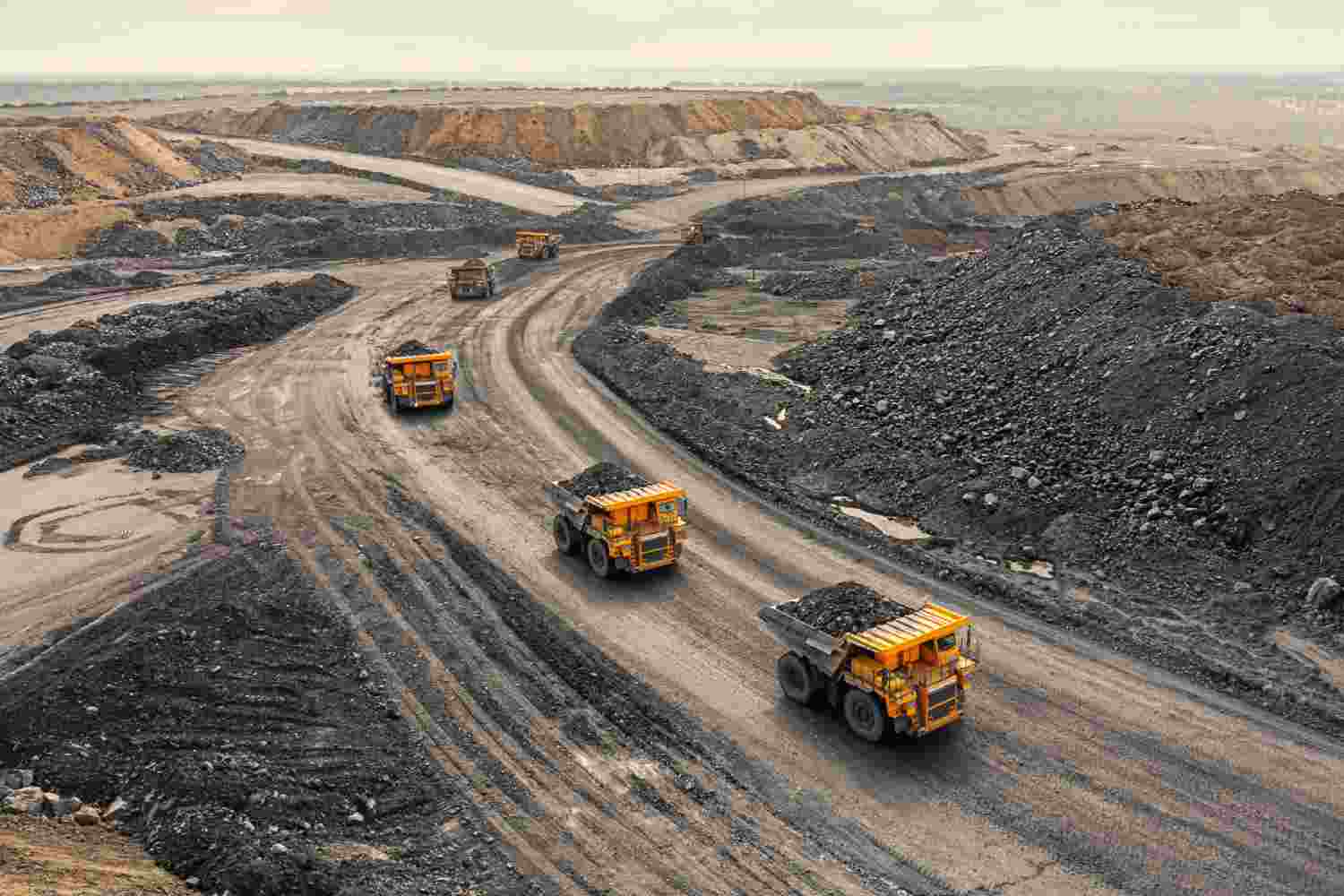
Key Highlights
- Vast and Abundant Resources: Africa holds around 30% of the world's mineral resources, including critical minerals like cobalt, gold, copper, and diamonds.
- Economic Impact and Global Demand: Mining significantly contributes to GDP, economic growth, and supports the global energy transition through the supply of essential minerals.
- Environmental and Social Challenges: Issues such as environmental degradation, social conflicts, and regulatory uncertainties demand sustainable and equitable solutions.
Factors Encouraging Mineral Resources and Mining in Africa
Africa is renowned for its exceptional wealth in mineral resources, making it a critical player in both the regional and global mining sector. Several factors stimulate mining activities on the continent:
Abundant Mineral Reserves
The continent boasts significant deposits of various minerals such as gold, diamonds, copper, cobalt, uranium, platinum, and even rare earth elements. With estimates indicating that Africa possesses approximately 30% of the world's mineral resources, it presents a lucrative opportunity for both domestic and international investors.
Global Demand and Energy Transition
The emergence of the global energy transition and the evolving needs of modern industries have driven unprecedented global demand for minerals. Critical resources required for renewable energy technologies, including those used in batteries and electronics, increase the attractiveness of investing in Africa's mining sector.
Investment and Government Incentives
Foreign direct investment (FDI) plays a pivotal role in exploring and harnessing Africa's mineral wealth. Many African governments have implemented policies and incentives, such as tax breaks, streamlined regulatory frameworks, and infrastructural support, which collectively attract multinational corporations and stimulate mining operations.
Economic Growth and Industrial Development
Mining activities significantly contribute to economic growth by generating revenue, creating job opportunities, and spurring advancements across related sectors such as manufacturing, transportation, and technology. This industrial boost is essential in diversifying economies that have historically depended on raw material exports.
Problems Faced in the Mining Sector
Despite the numerous benefits, the mining industry in Africa is fraught with challenges that need to be addressed to ensure sustainable and balanced development.
Environmental Degradation
One of the most significant issues is environmental degradation. Mining activities often lead to deforestation, soil erosion, water pollution, and the destruction of ecosystems. For instance, the extraction processes may contaminate water sources, which directly impacts both agricultural productivity and local communities.
Social Conflicts and Community Displacement
The expansion of mines can result in forced evictions, displacement of local communities, and significant social unrest. In some regions, local populations face difficulties due to the disruption of traditional lifestyles and land use practices, leading to conflicts and claims of human rights abuses.
Governance and Regulatory Uncertainties
Inadequate governance structures and frequent changes in policies create an unpredictable operating environment. These regulatory uncertainties, often exacerbated by corruption, deter long-term investments and can lead to a "resource curse" where abundant natural wealth does not translate into widespread prosperity.
Infrastructure Deficits
Poor infrastructure remains a persistent challenge. Many mining areas lack proper transportation, reliable energy supplies, and modern telecommunications, which are essential for efficient operations. This deficiency not only limits the potential for mining development but also hampers the overall economic growth of the region.
Commodity Price Volatility
The global market for minerals is subject to volatile price fluctuations. This volatility can impact the profitability of mining operations and create economic instability, particularly for nations that rely heavily on mining revenues.
Solutions and Strategies to Address Mining Challenges
To mitigate these challenges and promote sustainable mining practices, various solutions and strategic approaches have been proposed:
Enhanced Regulatory Frameworks and Stable Governance
Establishing a clear, comprehensive, and consistent legal framework is vital. This includes enforcing environmental and labor regulations to ensure that both industry standards and human rights are upheld. Transparent governance and efficient resource management can help prevent corruption and ensure that mining benefits are equitably shared.
Investment in Infrastructure
Developing critical infrastructure such as roads, energy grids, water supply systems, and telecommunications networks can significantly improve mining operations. Such enhancements not only boost operational efficiency but also facilitate broader economic growth and connectivity for remote mining areas.
Adoption of Sustainable Mining Practices
Embracing environmentally friendly technologies and methods is essential. This includes using modern extraction techniques that minimize environmental impact, conducting thorough environmental impact assessments, and investing in reclamation projects that restore ecosystems after mining operations conclude.
Community Engagement and Social Initiatives
Involving local communities in the planning and decision-making process is key to reducing social conflicts. Initiatives such as community development programs, fair compensation for displacement, and local stakeholder engagement ensure that the benefits of mining are shared and that local grievances are addressed proactively.
Technological Innovation and Automation
The integration of advanced technologies such as automation, artificial intelligence, and remote sensing can enhance efficiency and safety in mining operations. Technological innovations can lead to more precise extraction methods that reduce waste, lower environmental impact, and optimize resource utilization.
Advantages of Mining in Africa
When managed responsibly, mining provides substantial economic and social benefits. Here are some key advantages:
Economic Growth and Job Creation
The mining sector serves as a major engine for economic expansion by contributing significantly to national GDP, stimulating job creation, and enhancing local economic opportunities. The multiplier effects of mining activities often lead to the development of ancillary industries such as construction, manufacturing, and transport.
Revenue Generation for National Governments
Mining operations generate enormous revenues in the form of taxes, royalties, and export earnings. This revenue can be reinvested into public services, education, healthcare, and infrastructural projects, thereby accelerating overall socio-economic development.
Technological and Industrial Advancements
The challenges of mining in remote and often difficult-to-access regions have driven the adoption of cutting-edge technologies. This innovation spurs advancements not only within the mining sector but also across broader industrial applications, enhancing productivity and technological expertise.
Global Market Influence
Africa's rich deposits of critical minerals contribute substantially to the global supply chain, particularly for industries reliant on renewable energy. By facilitating the production of clean energy technologies, African minerals play a central role in global efforts to transition to sustainable energy sources.
Effects of Mining in Africa
The impacts of mining in Africa are multifaceted, affecting economic, social, and environmental dimensions:
Economic Diversification and Growth
Mining acts as a catalyst for economic diversification. While traditionally many regions depended on agriculture, mining encourages the development of service and industrial sectors. The revenue generated not only stimulates local economies but also positions countries competitively within the global market.
Job Creation and Infrastructure Development
Mining directly creates numerous jobs, from exploration and extraction to processing and logistics. Additionally, the ancillary benefits include better roads, enhanced power supply, and improved telecommunications in remote areas, contributing to the overall development of the region.
Social Transformation and Community Impact
With the right policies and community engagement, mining can drive significant social improvements. Local communities benefit through employment opportunities, skills development, and increased access to better social services and infrastructure. However, these benefits are conditioned on mitigating negative social impacts such as displacement and labor injustices.
Environmental and Sustainability Considerations
While mining operations are often linked to environmental harm, initiatives to adopt sustainable practices aim to balance economic gains with environmental responsibility. Through reclamation and sustainable extraction methods, the industry strives to minimize its ecological footprint and preserve biodiversity.
Influence on Global Commodity Markets
Africa’s role as a supplier of critical minerals helps stabilize global commodity markets and supports innovations in the renewable energy sector. The availability of essential raw materials influences worldwide pricing structures and the strategic planning of technology and energy sectors.
Mining Sector Overview Table
| Category | Description | Key Implications |
|---|---|---|
| Resources | Rich deposits of gold, cobalt, diamonds, copper, and platinum-group metals | Attracts global investment and supports economic growth |
| Challenges | Environmental degradation, regulatory uncertainty, and social conflicts | Necessitates sustainable practices and improved governance |
| Solutions | Infrastructure development, robust regulations, community engagement and technology adoption | Promotes sustainable development and equitable resource distribution |
| Advantages | Economic diversification, job creation, and revenue generation | Improves national GDP and supports ancillary industrial growth |
| Effects | Social transformation, infrastructural improvement, and influence on global markets | Impacts local communities and global supply chains positively and negatively |
References
- Africa's Mining Potential: Trends, Opportunities ... - Policy Center
- Developing Africa's Mineral Resources - ZeroCarbon Analytics
-
Mining in Africa and Its Role in the Global Energy Transition - AOS Hearman
- Challenges in Africa's Mining Industry - Mining Review
-
Environmental Impact of Mining - ScienceDirect
Recommended Queries
Last updated March 6, 2025