
Exploring the Framework of India's Mining Legislations
Unraveling key legislations, reforms, and challenges in India's mining sector
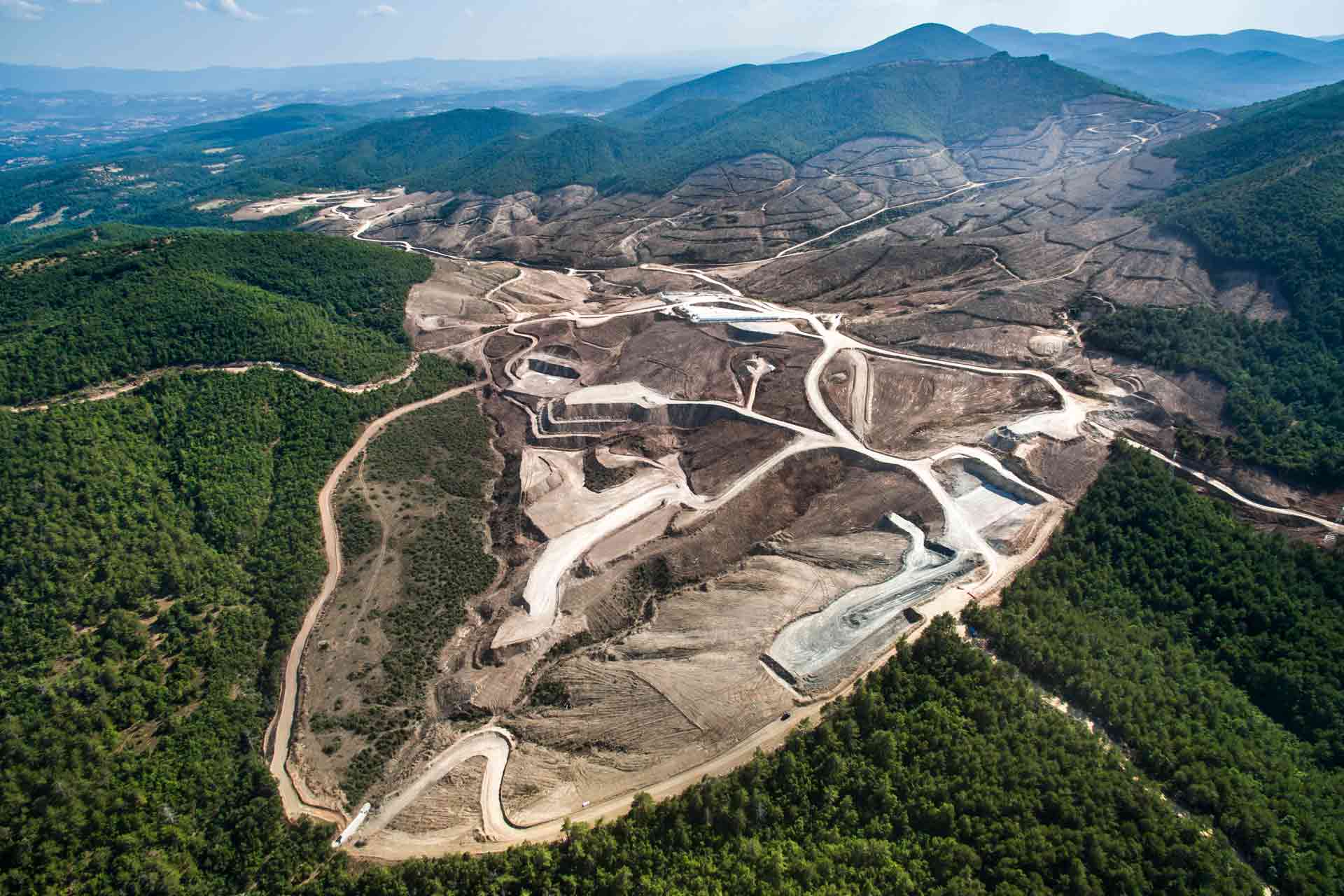
Key Highlights
- Principal Legislation: The Mines and Minerals (Development and Regulation) Act, 1957 (MMDR Act) is the cornerstone of mining regulation in India.
- Regulatory and Safety Measures: A spectrum of related acts and rules, including the Mines Act, 1952 and Mineral Conservation and Development Rules, emphasize sustainability and worker safety.
- Recent Reforms: Amendments and transparent auction systems, along with the discovery of critical minerals, have transformed the landscape of mining in India.
Overview of India's Mining Legislatives
India's mining sector operates under a comprehensive legislative framework designed to promote sustainable extraction, enhance safety standards, and modernize the industry. Central to this framework is the Mines and Minerals (Development and Regulation) Act, 1957 (MMDR Act), which governs the development, exploration, and regulation of mineral resources. Over the years, additional ordinances and rules have been introduced to address various aspects of mining including labor safety, environmental protection, and the promotion of private sector engagement.
The Mines and Minerals (Development and Regulation) Act, 1957 (MMDR Act)
As the principal legislation, the MMDR Act serves as the backbone for mining operations in India. It:
- Outlines the regulatory framework for mineral exploration and mining leases.
- Empowers the central government, typically through the Ministry of Mines, to supervise and amend the rules as per emerging demands.
- Differentiates between major minerals (under central government control) and minor minerals (often regulated by state authorities).
Key Features of the MMDR Act
The Act not only defines the allocation of mineral rights but also emphasizes the state’s role in ensuring that mineral resources are developed in a manner that contributes to national economic growth. Constraint measures such as environmental regulations and community considerations have been woven into the act to balance industrial growth with social and ecological responsibilities.
Supporting Legislation and Regulatory Measures
A series of complementary laws and amendments fortify the primary act and address specific industry challenges:
Mines Act, 1952
Focused on labor safety and workers' rights, this act is dedicated to ensuring the welfare and safety of those employed in mining operations. It mandates adherence to rigorous health and safety protocols, providing a necessary layer of protection for miners.
Mineral Conservation and Development Rules
Initially established to regulate environmental aspects and prevent wasteful extraction practices, these rules have evolved over time. The Mineral Conservation and Development Rules, 2017 emphasize sustainable development and efficient resource management, ensuring that mineral extraction does not compromise environmental quality.
Additional Legislative Acts
Coal Mines (Special Provisions) Act, 2015 and amendments in subsequent years have introduced auction-based systems for mining leases, reducing corruption and streamlining operations. Moreover, state-specific laws govern minor minerals and situations like offshore mining, which is subject to the Offshore Areas Mineral (Development and Regulation) Act, 2002.
Recent Reforms and Amendments
The latest Union Budget announcements and subsequent amendments have ushered in a new era for India's mining industry. Recognized as a domain for transformational reform, the sector is witnessing initiatives aimed at enhancing private sector participation, securing critical mineral supplies, and reducing regulatory burdens. Noteworthy reforms include:
- Adoption of a transparent auction system for mining leases—mitigating corruption and fostering competitive bidding processes.
- Introduction of exploration licenses (EL) to boost private sector contribution in gathering geological data and prospecting new deposits.
- Recognition of certain minerals such as lithium, cobalt, and nickel as critical and strategic, thereby streamlining their exploration and production, and integrating them into a broader national strategy to reduce import dependency.
- Easing the transfer of mining leases and reducing regulatory complexities to provide a more investor-friendly environment.
- Targeted measures to promote sustainable practices, such as the implementation of federal-level environmental impact norms and adherence to the Mineral Conservation and Development Guidelines.
Comprehensive Table of Key Legislations and Reforms
| Legislation/Rules | Focus Area | Key Reforms/Features |
|---|---|---|
| Mines and Minerals (Development and Regulation) Act, 1957 | Overall mining regulation, allocation of mineral rights, and regulatory framework. | Central legislative framework; distinctions between major and minor minerals. |
| Mines Act, 1952 | Labor safety and health in mining operations. | Mandates safety protocols and welfare measures for miners. |
| Mineral Conservation and Development Rules, 2017 | Environmental preservation and efficient resource management. | Sustainable development guidelines; prevention of wasteful practices. |
| Coal Mines (Special Provisions) Act, 2015 | Regulation of coal mining operations. | Auction-based lease allocation to promote transparency and competition. |
| Offshore Areas Mineral (Development and Regulation) Act, 2002 | Management of offshore mineral resources. | Regulates mining activities in maritime zones. |
Implications for the Industry and Challenges Ahead
The legislative reforms and evolving regulations in India's mining sector are setting the stage for a more competitive and sustainable industry. By streamlining regulatory processes and fostering a transparent auction environment, the government seeks to increase private investment and operational efficiency. The designation of critical minerals highlights an emerging focus on strategic self-reliance, aimed at bolstering domestic production and reducing dependency on imports.
Environmental and Social Concerns
Despite significant advances, the mining sector continues to face challenges. Maintaining a balance between industrial growth and environmental sustainability remains a core concern. The rigorous environmental impact assessments (EIAs), adherence to the Environmental Protection Act, 1986, and judicial interpretations regarding the right to a clean environment under Article 21 of the Constitution place stringent checks on mining operations. Additionally, the absence of mandatory community development agreements in some instances poses social integration challenges.
Economic and Policy Considerations
The potential for economic growth through mining reforms is immense. As evidenced by the Union Budget 2025's focus on mining, the sector is identified as key to ensuring India's global competitiveness. Policymakers are continuously refining regulatory frameworks to address inefficiencies, promote export competitiveness, and align the sector with global best practices. These policymaking efforts are crucial not only for economic development but also for securing environmental and social safeguards.
References
- Union Budget 2025: Mining Sector Reforms - Firstpost
-
Budget 2025-26 & Mining Reforms - PIB
- Mining 2025 - Trends and Developments - Chambers and Partners
-
Press Release on Mining Reforms - PIB
- Mines and Minerals Rules - Ministry of Mines
Recommended Topics for Further Exploration
Last updated March 25, 2025