
Minister of Interior Visits Ghana Prisons Service
A Thorough Overview of the Minister’s Engagement and Its Implications for National Security and Prison Reform
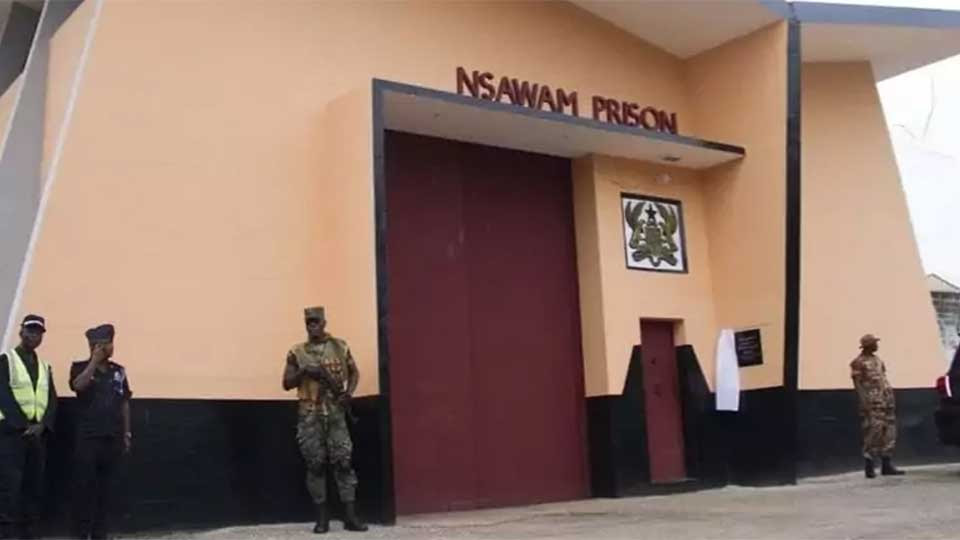
Key Takeaways
- Comprehensive Assessment: The Minister conducted an in-depth review of prison operations, infrastructure, and inmate rehabilitation programs.
- Focused Reforms and Collaborative Strategies: Emphasis was placed on developing strategic solutions for challenges, including infrastructural deficits and overcrowding, to enhance public safety.
- Strengthening Institutional Support: The visit underscored the commitment to resource enhancement, staff welfare, and the expansion of non-custodial sentencing options.
Introduction
In a recent significant development, Ghana’s Minister for the Interior, Hon. Muntaka Mohammed-Mubarak, conducted a working visit to the Ghana Prisons Service Headquarters in Accra. The visit, which took place on February 17, 2025, was designed to offer the Minister firsthand insight into the operations, challenges, and potential solutions within the prison system. As part of a broader commitment to national security and correctional reform, the engagement provided an opportunity to interact directly with prison management, staff, and officials. This article provides an in-depth analysis of the visit, how it relates to current national and institutional priorities, and the prospective changes that may arise from these interactions.
Background and Context
Overview of the Visiting Minister's Objectives
The purpose of the Minister’s visit was multifaceted. Primarily, it was aimed at gaining a complete understanding of the day-to-day operations at the Ghana Prisons Service. During the visit, the Minister engaged with both senior management and frontline staff, aiming to document the challenges encountered on a daily basis. Among the various issues discussed were concerns regarding overcrowding, infrastructural challenges, security enhancements, and the well-being of both inmates and staff.
The Minister’s strategy, as evidenced during his discussion with prison officials, aimed at ensuring that the correctional facilities meet national standards related to justice, human rights, and public safety. Through such visits, the government intends not only to monitor the operational efficiency of the agency but also to lay the groundwork for significant reforms that could elevate the overall standard of the prison system.
Significance of the Visit
This visit holds substantial significance in the broader context of national governance. By prioritizing direct engagement with the country's penal institutions, the government demonstrates a clear commitment to addressing inefficiencies and improving the overall management of the correctional system. The visit reinforces the understanding that effective prison management is integral to broader public safety. As challenges such as overcrowding and outdated infrastructure persist in many countries, Ghana’s proactive stance in reviewing and ameliorating these issues is a critical step towards sustainable prison reforms.
Detailed Analysis of the Visit
In-Depth Tour and Observations
Facility Inspection and Interaction
During the visit, the Interior Minister meticulously toured the prison facility, offering him a firsthand acknowledgement of the general operational environment within the institution. Interaction with the management staff provided insights into both the everyday challenges that the service faces and the potential areas that could benefit from government intervention. Specific attention was given to:
- Examining the security measures in place and determining their effectiveness in maintaining orderly detention conditions.
- Reviewing the management of inmate welfare, including access to healthcare, nutrition, and education.
- Observing the existing rehabilitation and reintegration programs designed to reduce recidivism and assist inmates’ transition back into society upon release.
The hands-on approach adopted by the Minister ensured that the challenges—from infrastructure deficits to resource shortages—were clearly identified. This direct interaction also allowed the prison leadership to articulate their needs and propose suggestions for improvement.
Identification of Key Challenges
One of the most prominent aspects of the visit was the detailed discussion on the hurdles impeding efficient operations. The Minister acknowledged several key challenges, which can be categorized as follows:
| Challenge | Description | Potential Impact |
|---|---|---|
| Overcrowding | High inmate population with limited space and inadequate infrastructure. | Increases strain on resources, hinders rehabilitation, and complicates management. |
| Infrastructure Deficits | Insufficient housing units and outdated facilities affecting safety and operations. | High risk to security, limited functionality, and potential human rights concerns. |
| Resource Shortages | Lack of essential items like vehicles, technological resources, and proper funding. | Impairs day-to-day operations, affecting morale and efficiency of service delivery. |
| Staff Welfare and Training | Need for better training programs and improved welfare standards for prison personnel. | Low staff morale and reduced capacity to handle complex correctional challenges. |
| Inmate Rehabilitation | Limited programs for education, vocational training, and mental health support. | Challenges in reintegrating inmates into society, potentially leading to recidivism. |
These challenges underpin the need for a systemic overhaul and robust support from the government. The visit was pivotal in enabling the Minister to assess each aspect with precision and consider resource allocation that would address these issues effectively.
Discussions on Rehabilitation and Non-Custodial Approaches
Focus on Human Rights and Reintegrative Policies
One of the key discussion points was the importance of prioritizing rehabilitation over mere punishment. The Minister emphasized the role of corrective programs such as education, vocational training, and mental health support in reducing recidivism and preparing inmates for eventual reintegration into society. The dialogue not only reaffirmed the government’s commitment to upholding human rights within the prison system but also highlighted the need to move away from purely custodial measures.
Embracing non-custodial sentencing avenues was also discussed as a strategic initiative to decongest prisons. By adopting alternatives such as community service or probation, the government aims to create a more balanced correctional system where resources are not overly strained by high inmate populations. These reforms have far-reaching benefits, including better conditions for current detainees and a stronger framework for rehabilitation in the long term.
Strengthening Partnerships and Institutional Collaboration
The Minister’s visit underscored the necessity of collaboration between the Ministry of the Interior and the Ghana Prisons Service. Throughout the tour, discussions with the Director General of Prisons, Mr. Isaac Kofi Egyir, and other senior staff emphasized the need for a more integrated approach. Such partnerships are essential to:
- Enhance communication channels between policymakers and on-ground operatives.
- Streamline the identification of resource gaps and expedite the procurement of necessary equipment.
- Coordinate training programs that equip staff with modern security management and rehabilitative techniques.
- Monitor correctional outcomes and evaluate the performance of new initiatives in real-time.
This collaborative framework is intended to ensure that policies formulated at the Ministry level are reflective of the actual on-ground realities and that their implementation is both effective and sustainable.
Implications for Policy and National Development
Policy Reforms and Resource Allocation
The Minister's comprehensive review is not just limited to identifying current issues but also serves to shape future policies for the Ghana Prisons Service. Several strategic steps are being considered that have significant implications for national development:
- Enhanced Funding and Resource Provision: There is a clear commitment to ensuring that the Service is well-resourced. Adequate funding is critical to address infrastructural deficits, provision of modern technological tools, and the overall enhancement of operational effectiveness.
- Infrastructure Renovation and Expansion: Investments will potentially be made to upgrade existing facilities and construct additional infrastructure. These improvements are designed to offer more space, enhanced security measures, and better living conditions which in turn uphold human rights standards.
- Training and Welfare Programs for Staff: Recognizing the frontline role of prison staff, there are plans to initiate comprehensive training programs and improve welfare standards. This not only increases the overall efficiency of operations but also boosts staff morale and retention.
- Adoption of Non-Custodial Sentencing: As part of the broader strategy to decongest prisons, the Ministry is considering the expansion of non-custodial sentencing. This reform is essential to reduce dependency on overcrowded facilities, while fostering community-based rehabilitation initiatives.
Through these measures, the government aims to transform the correctional system into one that is more humane, secure, and aligned with contemporary principles of justice and social reintegration.
Broader Impact on National Security
The significance of improvements in the prison service extends far beyond the immediate realm of correctional institutions. An efficient and humane prison system plays a pivotal role in maintaining public safety and social stability. By enhancing prison conditions and focusing on rehabilitation, the government not only reduces crime and recidivism but also cultivates an environment where former inmates can reintegrate into society as productive citizens.
Moreover, the reforms discussed during the Minister’s visit have long-term implications for national security. A well-resourced and expertly managed correctional system contributes to:
- Restoration of public confidence in the justice system;
- Reduction in social tensions that may arise from perceived inhumanity in the treatment of inmates;
- Establishment of effective mechanisms that support societal rehabilitation and economic productivity.
In essence, the visit reaffirms the understanding that the correctional system is a fundamental component in the architecture of national security and social order, with its success directly affecting broader societal outcomes.
Future Directions and Expected Outcomes
Strategic Investments and Continuous Monitoring
Moving forward, the outcomes of the Minister’s visit are expected to translate into tangible policy interventions and systematic investments. The government has signaled the continual review of prison operations and related policies. This dynamic approach is designed to:
- Ensure continuous improvement: Ongoing assessments will help identify emerging challenges in the correctional system and provide avenues for corrective measures.
- Facilitate real-time adjustments: The establishment of feedback loops between the Ministry and the prisons will allow for adaptive changes as new issues surface.
- Promote accountability: Regular audits and performance reviews will ensure that policies are implemented effectively and that resources are allocated as per the identified needs.
With these measures, the government is crafting a future vision where correctional facilities reflect modern standards of security, rehabilitation, and human dignity.
Empowering Leadership and Enhancing Collaboration
Strengthening institutional leadership remains a cornerstone of the proposed reforms. The collaboration between the Ministry and key figures within the Ghana Prisons Service, such as the Director General, demonstrates the shared commitment to enhancing operational effectiveness. The regular engagement between government officials and prison staff is expected to foster a proactive approach in addressing concerns, while simultaneously cultivating innovative solutions to longstanding issues.
In addition, the active involvement of leadership at both the policy and operational levels is key to instilling a culture of responsibility, transparency, and mutual support across the correctional system. Such strategic partnerships will be instrumental in ensuring that reforms are both visionary and practical.
Challenges and Opportunities
Balancing Security and Rehabilitation
One of the most complex challenges facing the Ghana Prisons Service is the need to strike a balance between stringent security measures and humane rehabilitation. Historically, prisons have been viewed largely as detention centers with a primary focus on security and control. However, modern correctional philosophies emphasize the potential for reform and reintegration. The Minister’s visit confirmed that while the need for robust security remains, the paradigm is shifting towards an integrated model that values rehabilitation as a tool for long-term public safety.
The opportunities arising from this shift include enhanced educational and vocational training programs that can facilitate successful transitions for inmates reentering society. It also provides an environment where rehabilitation can reduce the cycle of recidivism, thereby alleviating some of the pressures on an overcrowded system. Ensuring that these programs are adequately supported requires:
- A solid commitment to policy reforms that prioritize rehabilitation initiatives.
- Practical investments in necessary infrastructure and human resource development.
- Enhanced coordination between various government entities involved in corrections and public safety.
Opportunities for Non-Custodial Reform
A key takeaway from the visit is the potential expansion of non-custodial sentencing as an alternative means to manage minor offenses. Such measures have been proposed to alleviate congestion within the prison system, allowing facilities to focus on more serious cases while still holding offenders accountable through community-based programs. Non-custodial reforms offer several advantages:
- Reduction in prison overcrowding, which in turn improves conditions within existing facilities.
- Enhanced community involvement in the rehabilitation process, facilitating greater integration of reformed individuals into society.
- Cost-efficiency by decreasing the need for extensive prison infrastructure investments.
The implementation of these reforms not only supports a more humane approach to justice but also aligns with broader national goals of dictating sustainable growth and social stability.
Conclusion
In summary, the recent working visit by Ghana’s Minister for the Interior, Hon. Muntaka Mohammed-Mubarak, to the Ghana Prisons Service Headquarters in Accra marks an important milestone in the nation’s pursuit of improved security and prison reform. Through his comprehensive assessment of the facility’s operations, direct engagement with prison officials, and thoughtful consideration of rehabilitation and non-custodial sentencing, the Minister has laid the groundwork for a series of transformative policy reforms.
The discussions during the visit have highlighted not only the immediate challenges such as overcrowding, resource shortages, and infrastructural deficits but also the broader opportunities available through enhanced partnerships and innovative rehabilitative strategies. With a clear commitment to strengthening institutional support, upgrading facilities, and refining the balance between security and human rights, the path ahead appears promising and strategically aligned with both national development priorities and established principles of justice.
As the government continues its efforts to implement these reforms, the collaborative spirit demonstrated during the visit is expected to yield significant benefits. With continuous monitoring, strategic investments, and active engagement with key stakeholders, the transformation of Ghana’s prison system into a model of modern correctional management seems imminent. This initiative not only underscores the importance of efficient prison administration in maintaining national security but also reaffirms the commitment to a just and humane correctional system that upholds the dignity of all individuals.
References
- Minister for the Interior Pays Working Visit to Ghana Prisons Service Headquarters - Ministry of the Interior
- Interior Minister Pays Working Visit to Ghana Prisons Service - GBC Ghana Online
More
Last updated February 18, 2025