
Unveiling the Dynamics Behind Misinformation on X
Exploring the role of influential figures in spreading false narratives

Key Highlights
- Influential Amplifier: Elon Musk's large follower base has transformed his tweets into powerful sources of information – and misinformation.
- Platform Dynamics: X (formerly known as Twitter) has been identified by several sources as a highly active medium for the spread of disinformation.
- AI Assessments: Analytical tools like Grok have labeled Elon Musk as the largest misinformation spreader, triggering debates on content moderation and accountability.
Comprehensive Analysis of Misinformation Dynamics on X
Recent studies and media reports have converged on the observation that the largest misinformation spreader on X is none other than Elon Musk. This conclusion is derived from multiple analyses that focus on several key indicators: the amplification of false claims due to his massive follower base, the rapid viral spread of his statements, and the identification by AI-driven analytical tools such as Grok. In this detailed review, we synthesize the insights provided by various sources to offer a cohesive understanding of how misinformation circulates on the platform.
Influence Through Massive Reach
Elon Musk’s significant online presence, with a follower count that exceeds 200 million, is at the heart of the misinformation dynamics on X. His tweets reach an enormous audience almost instantly, thereby amplifying any claims he makes—be they factual or misleading. Given that his posts have been reported to gather billions of views, the amplification effect situates him as a primary vector by which misinformation is distributed.
Amplification Mechanisms on X
Several factors converge to make Musk’s messages particularly potent. The platform’s algorithm promotes high engagement, and as such, tweets that elicit strong emotional or controversial responses tend to be more widely disseminated. This dynamic often means that sensational or false claims, once posted by a figure as influential as Musk, gain traction very quickly. In multiple reports, both governmental and media sources have pointed out that X, under Musk's stewardship, has struggled with controlling the spread of disinformation. The amplification isn’t merely organic; it is also fueled by the structure of the social media network itself, which quickly transforms isolated claims into viral news.
AI-Driven Identification of Misinformation
A notable development in the realm of misinformation monitoring has been the deployment of AI tools. One such tool, Grok—developed by Musk’s own company, xAI—has controversially identified Elon Musk as the largest misinformation spreader on X. This label comes from an evaluation of the platform's data, which suggests that many of his tweets, often touching on politically sensitive or scientifically dubious topics, contribute significantly to the spread of false narratives.
Implications of AI Findings
The fact that an AI tool developed within the same corporate ecosystem as Musk has pointed fingers at its owner is highly significant. It highlights a broader trend where AI algorithms are increasingly employed to audit and report on the veracity of online information. However, this also raises critical questions about the potential biases and limitations of relying on automated systems for such assessments. The debates that have emerged in the wake of Grok’s findings underscore the challenges in balancing free speech with the need to curb disinformation. Critics argue that, while AI can be a powerful tool, its deployment must be accompanied by robust oversight to prevent inaccuracies and maintain public trust.
Misinformation in the Context of Socio-Political and Health Discourse
Beyond the simple mechanics of posts and views, the real-world impact of misinformation spread by high-profile figures on X is profound. Topics ranging from public health crises, such as the COVID-19 pandemic, to politically charged issues like election integrity and international conflicts, have all been subject to the ripple effects of misleading information. Reports from various sources indicate that misinformation on these critical topics not only misinforms public opinion but also undermines trust in established institutions and expert analysis.
The Role of Contextual Debates
Specific instances of misinformation on X have created significant public outcry and prompted regulatory bodies to take notice. In one example, false claims related to health policies and election results were amplified on the platform, causing widespread confusion and inciting public debate. Authorities, particularly within the European Union, have been vocal in their criticism, citing that X presents a uniquely challenging environment in which disinformation can be identified and countered. These challenges are compounded by the rapid, algorithm-driven nature of content dissemination on social media.
Health and Political Implications
The spread of misinformation does not occur in a vacuum. When false statements about health and political issues are propagated by figures with a global reach, the consequences can be dire. For instance, during the COVID-19 pandemic, unverified health claims not only led to widespread confusion about treatment and prevention, but they also fueled skepticism about public health guidelines. Similarly, misinformation regarding the integrity of elections has the potential to destabilize democratic processes by fostering doubt and unrest among the electorate.
In this context, the responsibility rests not only on individual social media users but also on the platforms themselves to ensure that information is accurate and that false narratives are swiftly addressed. The challenge is enormous given the scale and speed at which information propagates on a platform like X.
Visual Representations of Misinformation Dynamics
Radar Chart Analysis
The following radar chart represents an opinion-driven assessment of various factors that contribute to misinformation on X. This chart provides a visual overview of the key dimensions such as reach, speed, amplification, AI assessments, and public trust.
Case Studies and Comparative Analysis
To provide a clearer picture of how misinformation spreads on social media, it is useful to compare various metrics associated with the phenomenon on X. Below is a table that combines key aspects highlighted in the analyses:
| Aspect | Description | Impact Level |
|---|---|---|
| Reach | Massive follower base of influential figures enables rapid dissemination of messages. | High |
| Speed | The algorithmic nature of X accelerates the spread of both accurate and false information. | High |
| Amplification | Presence of retweets, likes, and engagement features amplify messages beyond their original scope. | High |
| Verification | Reliance on minimal editorial review and automated tools leads to rapid, unchecked propagation of content. | Moderate |
| Regulatory Oversight | Inadequate content moderation coupled with evolving policies contributes to persistent misinformation. | Variable |
The table above encapsulates critical dimensions behind the misinformation landscape on X, highlighting why the platform remains a fertile ground for disinformation, especially when amplified by influential users.
Media Integration
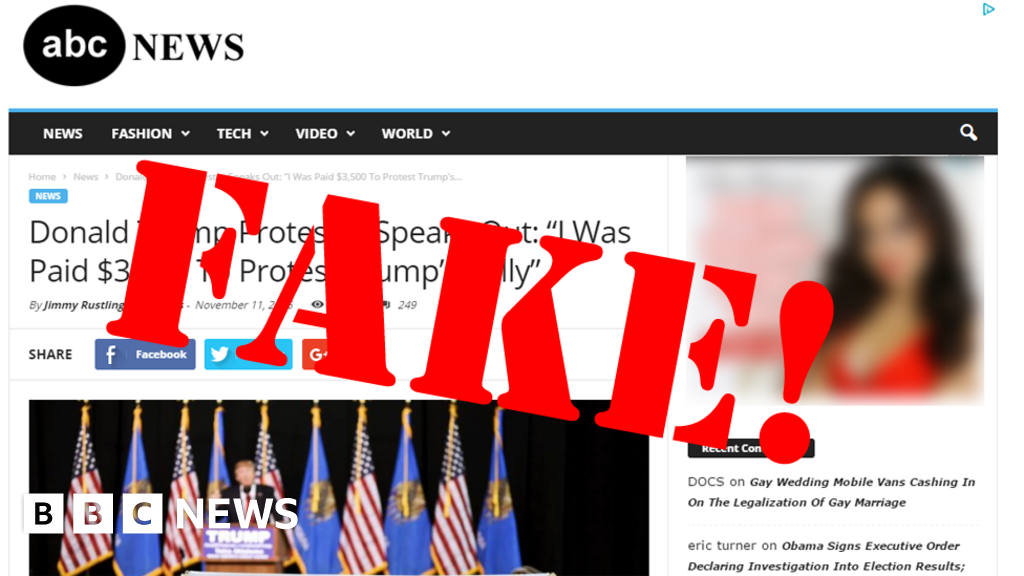
Visual content contributes immensely to understanding the dynamics of misinformation. Below are two images that represent different facets of the issue:
The first image represents the scale of social media networks, depicting how one individual’s post can ripple across a vast digital audience. The second image illustrates the urgent need for digital literacy and effective content moderation amid the fast-paced dissemination of false information.

Embedded Multimedia: Enhance Your Understanding
The following video provides deeper insights into the issues surrounding misinformation on X and explains how influential figures shape public discourse through social media. It highlights both the investigative work done by media organizations and the ongoing efforts to counteract misinformation on extensive platforms.
Frequently Asked Questions (FAQ)
What factors contribute to misinformation spreading on X?
How does Elon Musk’s follower base impact misinformation?
What role does AI play in identifying misinformation on X?
References
- Musk's X is the biggest purveyor of disinformation, EU official - AP News
-
Musk and X at the epicenter of misinformation - Reuters
- How Elon Musk and X Became Key Spreaders of Online Misinformation - Rolling Stone
- X Is The Biggest Source Of Fake News And Disinformation - Forbes
- Musk’s X is the largest source of disinformation - PBS NewsHour
Recommended Queries for Further Insights
Last updated April 3, 2025