
The Missing Middle: Housing Solutions for a Balanced Future
Bridging the Critical Gap Between Subsidized and Luxury Housing
Key Takeaways
- Critical Housing Gap: The absence of middle-market housing undermines community stability and economic mobility.
- Systemic Challenges: Current housing models favor either subsidized affordable or luxury housing, sidelining middle-income solutions.
- Innovative Opportunities: Emerging housing models like modular construction and incentive-driven funding mechanisms offer scalable and inclusive solutions for diverse communities.
Understanding the Missing Middle
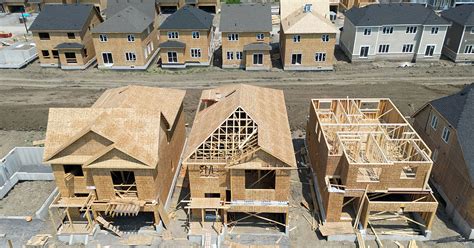
Housing economics hinge on balance—single-family homes, middle-market rentals, and luxury apartments coexist to meet the diverse needs of communities. However, this equilibrium is increasingly disrupted. The term “missing middle housing” encompasses a variety of housing types, including duplexes, triplexes, small apartment buildings, and townhomes. Historically, these housing forms have provided affordable, unsubsidized options accessible to middle-income families, professionals, and retirees.
Today, systemic challenges have marginalized this crucial segment. The void of middle-market housing is more than an absence of structures; it signifies a loss of opportunities, mobility, and stability that such housing facilitates. Without a strategic and multifaceted approach to revitalizing and financing these options, the gap will only widen, exacerbating societal and economic disparities.
Why the Middle Is Missing
Extremes Dominating the Market
The current housing market is bifurcated into two extremes: subsidized affordable housing and luxury developments. This polarization leaves the middle market without viable options, creating a significant gap in housing availability and affordability.
Subsidized Affordable Housing
Subsidized affordable housing projects benefit from substantial tax credits, fee waivers, and government-backed financing. These incentives reduce financial risks for developers but come with stringent regulatory requirements.
- While essential for low-income families, this model often excludes middle-income earners such as teachers, nurses, and first responders.
- The focus on compliance can stifle innovation, limiting the diversity of housing solutions available to the middle-income demographic.
Luxury Housing
Luxury housing projects are attractive to developers due to high returns on investment. Factors such as rising land prices, impact fees, and construction costs make high-end developments more lucrative.
-
This focus exacerbates market polarization, leaving little room for middle-market solutions and further marginalizing an already underserved segment.
-
As luxury developments proliferate, the availability of affordable yet quality housing options diminishes, contributing to broader economic and social divides.
The Consequences of a Polarized Market
The lack of middle-market housing creates a ripple effect across communities. Middle-income earners, who do not qualify for subsidized housing but cannot afford luxury rentals, face limited housing options. This scenario leads to extended commutes, reduced workforce stability, and a talent drain from communities, ultimately affecting local economies and societal cohesion.
Acknowledging Rental Housing Providers
Currently, rental housing providers are the primary custodians of middle-market and single-family housing stock. They play a pivotal role not only in filling the housing gap but also in maintaining the essential housing infrastructure that supports diverse communities.
However, overregulation and inadequate policy support jeopardize their ability to sustain and expand this critical segment. Policies that fail to recognize and support the unique challenges faced by rental housing providers risk further destabilizing the available housing stock, eroding community stability, and limiting economic mobility.
Inclusive policies that support rental housing providers are essential. By fostering an environment conducive to investment and innovation, policymakers can ensure the sustainability of middle-market housing and, by extension, the health and vibrancy of communities.
The Broader Impact: Why This Matters to Everyone
Taxpayers
Subsidized affordable housing is heavily reliant on public funding to bridge the gaps left by the private market. While necessary, this approach imposes a long-term financial burden on taxpayers. Without a sustainable middle-market solution, reliance on subsidies will only increase, amplifying taxpayer liabilities and fiscal strain.
The Workforce
Middle-market housing is crucial for professionals who earn too much to qualify for subsidized housing but not enough to afford luxury rentals. The absence of affordable middle-market options forces these individuals to reside farther from their workplaces, leading to longer commutes, diminished workforce stability, and a potential loss of essential skills within communities.
Sustainable Communities
Middle-market housing fosters walkable, vibrant neighborhoods that support economic diversity and social inclusion. Without it, cities risk becoming polarized, with areas that are either exclusive or heavily dependent on subsidies. This polarization impairs the overall sustainability and inclusivity of communities, hindering their ability to thrive and adapt to changing economic and social dynamics.
The Impact of Regulation
Effective housing policies must balance regulation with innovation. Unfortunately, well-meaning regulations such as rent control often have unintended consequences that limit housing availability rather than expand it. These policies can inadvertently stifle the development of middle-market housing by creating barriers to investment and innovation.
If rent control measures are enacted, the already scarce middle-market housing remains out of reach for many. Such regulations do not free up resources for new housing projects but instead discourage capital from flowing into markets or projects that could offer scalable housing solutions. This misalignment of incentives exacerbates the housing crisis, entrenching the very issues policymakers aim to solve.
To address these challenges, policies must be reoriented to support market-aligned solutions that encourage investment in middle-market housing. By aligning incentives with sustainable housing outcomes, policymakers can facilitate the creation of diverse and inclusive housing options that meet the needs of all community members.
The Untapped Opportunity: Transformational Potential of Middle-Market Housing
The missing middle housing segment holds immense potential to transform the housing landscape. By addressing the needs of both middle-income earners and higher-barrier populations, middle-market housing can bridge existing gaps and promote economic and social equity.
Incentives and Innovation
Incentive-driven funding mechanisms have proven effective in expanding housing options. These tools not only facilitate the development of housing traditionally aligned with the workforce but also create opportunities for vulnerable populations to access stable, sustainable housing. The implementation of the right incentives can revolutionize housing by removing barriers and encouraging investment and scalability.
Emerging Tools for Sustainable Housing
- Modular Construction: Prefabricated units enable faster, cost-effective building processes that reduce expenses without compromising quality. This approach accelerates the development timeline and lowers costs, making middle-market projects more viable.
- Form-Based Zoning: Flexible zoning policies encourage the development of diverse housing types and densities, promoting mixed-use and walkable communities. This adaptability supports the creation of inclusive neighborhoods that accommodate various housing needs.
- Streamlined Permitting: Simplifying the permitting process reduces barriers for developers, allowing for quicker project approvals and lower development costs. This acceleration fosters an environment where middle-market projects can thrive.
- Performance-Based Funding: Funding mechanisms that tie financial incentives to measurable outcomes ensure that housing projects meet specific sustainability and inclusivity criteria, promoting accountability and effectiveness.
Self-Sustaining Communities
Middle-market housing contributes to the creation of self-sustaining communities characterized by economic diversity and reduced reliance on subsidies. Investing in this segment transforms neighborhoods into inclusive spaces where taxpayers, workforce professionals, and small businesses can coexist and thrive together.
Housing Types Overview
| Housing Type | Characteristics | Benefits | Challenges |
|---|---|---|---|
| Subsidized Affordable Housing | Government-funded, compliance-heavy | Supports low-income families | Excludes middle-income earners, stifles innovation |
| Luxury Housing | High-end, high returns | Attracts investors, drives economic growth | Exacerbates market polarization, limits affordability |
| Middle-Market Housing | Duplexes, triplexes, townhomes, small apartments | Supports middle-income families, promotes community stability | Underfunded, faces regulatory barriers |
Let’s Work Together
The missing middle housing segment represents not just a challenge but a significant opportunity for innovation and collaboration. By partnering with rental housing providers, policymakers, developers, and community leaders, we can bridge the housing gap and create solutions that benefit everyone.
Collaboration is key. Inclusive strategies that encompass all stakeholders will pave the way for housing solutions that are sustainable, scalable, and equitable. Whether you are involved in housing innovation, policy development, or passionate about fostering inclusive communities, your involvement is crucial to transforming the housing landscape.
If you’re engaged in housing innovation, policy development, or are passionate about creating inclusive communities, I invite you to connect. Let’s engage in meaningful discussions and explore how we can collectively transform the housing landscape to ensure balance and opportunity for all.
Conclusion
The missing middle housing crisis underscores the necessity for a balanced and inclusive approach to housing development. By addressing systemic challenges and leveraging innovative solutions, we can cultivate a housing market that supports middle-income earners, strengthens our workforce, and fosters sustainable communities. The future of housing lies in our collective ability to adapt, collaborate, and prioritize the well-being of all community members.
Let’s seize this opportunity to create a housing landscape that works for everyone.
References
No relevant search results were provided, so no references are included.
Last updated January 20, 2025