
The Effects of Mobile Gaming on Students' Concentration and Study Habits
A comprehensive analysis of both benefits and challenges in the digital learning era
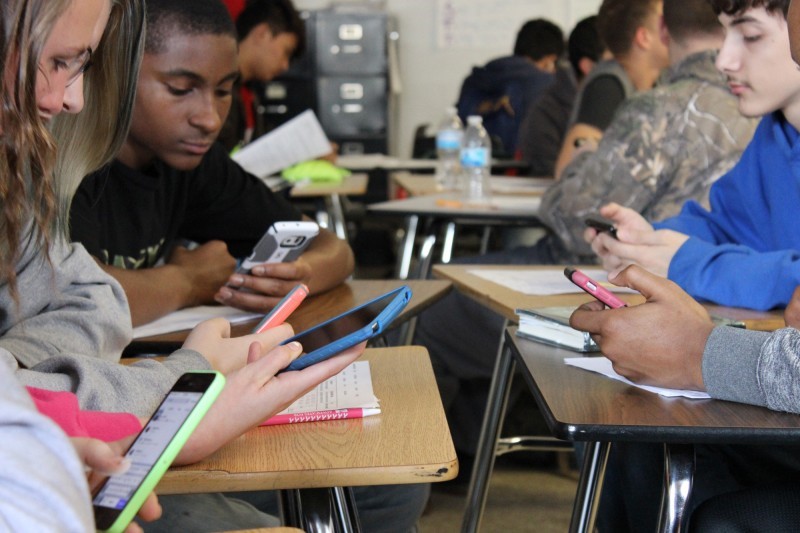
Key Highlights
- Balanced Impact: Mobile gaming can offer both cognitive benefits and risks like distraction and addiction.
- Educational Opportunities: Some games are designed to enhance problem-solving and memory while making learning engaging.
- Effective Strategies: Moderation, structured schedules, and parental supervision are key to mitigating negative effects.
Overview of Mobile Gaming and Its Impact on Education
Mobile gaming has become an integral part of modern student life, influencing academic performance and personal development in multiple ways. With the ubiquity of smartphones and affordable data, students are frequently engaged in a variety of gaming platforms. While some mobile games serve as educational tools that foster cognitive development and improve concentration, excessive use can lead to negative consequences such as reduced attention spans, compromised study habits, and even mental health issues.
Positive Cognitive and Educational Effects
Cognitive Skill Enhancement
Many mobile games, particularly those designed with educational content in mind, can contribute positively to cognitive development. Puzzle games, strategy-based challenges, and apps that require quick decision-making stimulate various mental processes:
Memory and Problem-Solving
Students engaged in these games often show improvements in memory retention and problem-solving skills. Research suggests that interactive games can provide a dynamic way for users to exercise brain regions associated with short-term memory, decision-making, and logical reasoning.
Spatial and Visual Processing
Games that involve navigating virtual environments or solving spatial puzzles help to enhance visual processing and spatial awareness. Students may find this beneficial not just in classroom settings but also in video-based learning and STEM-related subjects.
Motivation and Educational Engagement
When integrated effectively into learning, mobile games can offer a refreshing break from traditional educational activities. These games often provide instant feedback and reward systems that encourage perseverance and goal-setting, translating into increased academic motivation. The gamification of learning helps to make educational content more interactive and engaging, which can be particularly useful for students who struggle with less dynamic teaching methodologies.
Negative Consequences on Concentration and Study Habits
Distraction and Multitasking
One of the primary concerns of mobile gaming in academic environments is the propensity to distract students. The engaging nature of games, with their immersive graphics, sound effects, and interactive notifications, can capture students’ attention away from their studies. This distraction is often compounded by the temptation to multitask, which research has shown can dramatically lower the retention of information.
Impact on Concentration
Frequent interruptions from game notifications and the principal challenge of balancing gaming with study sessions can lead to a diminished attention span. The cognitive shifting required by multitasking hampers the deep, sustained focus needed for absorbing complex material, affecting both classroom learning and independent study sessions.
Addiction and Time Management Issues
Perhaps the most significant negative impact of mobile gaming is the risk of addiction. Students who become overly engrossed in gaming may neglect academic responsibilities, leading to procrastination and poor time management. The exciting and often competitive nature of games encourages prolonged periods of play, which can severely interfere with structured study time.
Time Allocation and Academic Performance
Extended gaming sessions usually cut into the time that could otherwise be spent on educational activities. Research indicates that there is a correlation between excessive gameplay and lower academic achievement, as students finding it difficult to allocate adequate time for homework, revision, and participation in class activities.
Effects on Sleep and Mental Health
The late-night engagement in mobile gaming has also been linked to sleep deprivation. Lack of sleep further compounds difficulties in concentration and memory retention, thereby creating a cyclical pattern that adversely affects academic performance. Over time, sleep deprivation may lead to stress, anxiety, and in some cases, depressive symptoms, all of which are detrimental to a student’s overall cognitive functions.
Strategies for Balancing Mobile Gaming and Academic Priorities
Setting Boundaries and Time Management
The key to mitigating the potential disadvantages of mobile gaming lies in adopting effective time management strategies and setting clear boundaries. This involves:
Implementing Time Restrictions
Establishing fixed time periods for gaming can help ensure that it does not encroach upon study time. Schools and parents can work together to create guidelines that include dedicated device-free periods during homework and study sessions.
Prioritizing Academic Responsibilities
Encouraging a “study first, game later” mindset can be effective. Once academic tasks are completed, allowing limited gaming can serve as a motivational reward system. This balanced approach reinforces the importance of education while not entirely eliminating the recreation provided by gaming.
Educational Gaming and Selective Usage
Not all mobile games are detrimental. In fact, educational mobile games are specifically designed to develop skills that are useful within and beyond the classroom. These games can make subjects such as mathematics, science, and languages more interactive and approachable.
Choosing the Right Games
Academic institutions and parents are encouraged to facilitate the usage of apps that blend gaming with learning. By selecting games which emphasize logical reasoning, critical thinking, and problem-solving, students can enjoy an engaging learning experience that complements traditional educational methods.
Integrating Gaming with Curriculum
Progressive educators have begun incorporating educational apps and games into their teaching methods. By doing so, the technology becomes an ally in the learning process rather than a distraction. This integration can transform passive learning into active participation, aiding in better concept retention and understanding.
Comparative Analysis Using a Comprehensive Table
| Aspect | Positive Effects | Negative Effects |
|---|---|---|
| Cognitive Development |
|
|
| Academic Engagement |
|
|
| Time Management |
|
|
| Mental and Physical Health |
|
|
Implementing Best Practices in Digital and Academic Environments
Parental and Educator Involvement
The role of parents and educators is vital in ensuring that students derive the maximum benefit from mobile gaming while minimizing its adverse effects. Active monitoring and guidance can help in establishing a healthy balance. This involves:
Parental Supervision
Parents should set clear gaming limits and discuss the potential consequences of excessive gaming with their children. Setting up parental controls and monitoring screen time can help manage consumption.
Educator Integration
Teachers and academic counselors can incorporate educational gaming into classroom activities. By doing so, they not only harness the benefits of interactive content but also underscore the importance of disciplined study routines.
Personal Responsibility and Self-Regulation
As students mature, developing self-regulation strategies becomes critical. One of the most effective approaches is cultivating the habit of self-assessment and time tracking. Tools such as digital timers and scheduled study-break intervals can help students manage their gaming time more effectively, ensuring that academic responsibilities are met and gaming remains a source of relaxation rather than a distraction.
Scientific Research and Educational Studies
Several academic studies have delved into the dual-edged nature of mobile gaming. The literature suggests that while a controlled environment where gaming is used as a complement to traditional education can produce positive outcomes, lack of proper regulation leads to noticeable declines in academic performance. These studies underscore the importance of structured frameworks to maximize learning benefits while minimizing disruptions.
Research Insights
Current research highlights that students who engage in educational mobile games see improved skills in logical reasoning, critical thinking, and spatial processing. Conversely, there is also widespread evidence pointing to the detrimental effects of unregulated gaming, which include reduced class attendance, poor time management, and even mood disorders.
References
- Effects of Mobile Gaming on Learning Outcomes - ResearchGate
- How Online Mobile Games Affect Students' Academic Performance? - NCESC
-
Online Gaming and Academic Performance - PMC
- Mobile Gaming Addiction and Mental Health - Frontiers in Psychology
- Mobile Games and Focus in School - G Style Magazine
Recommended Related Queries
Last updated March 22, 2025