
Modern Adaptations of Classical Themes
Exploring Timeless Stories Reimagined for Contemporary Audiences
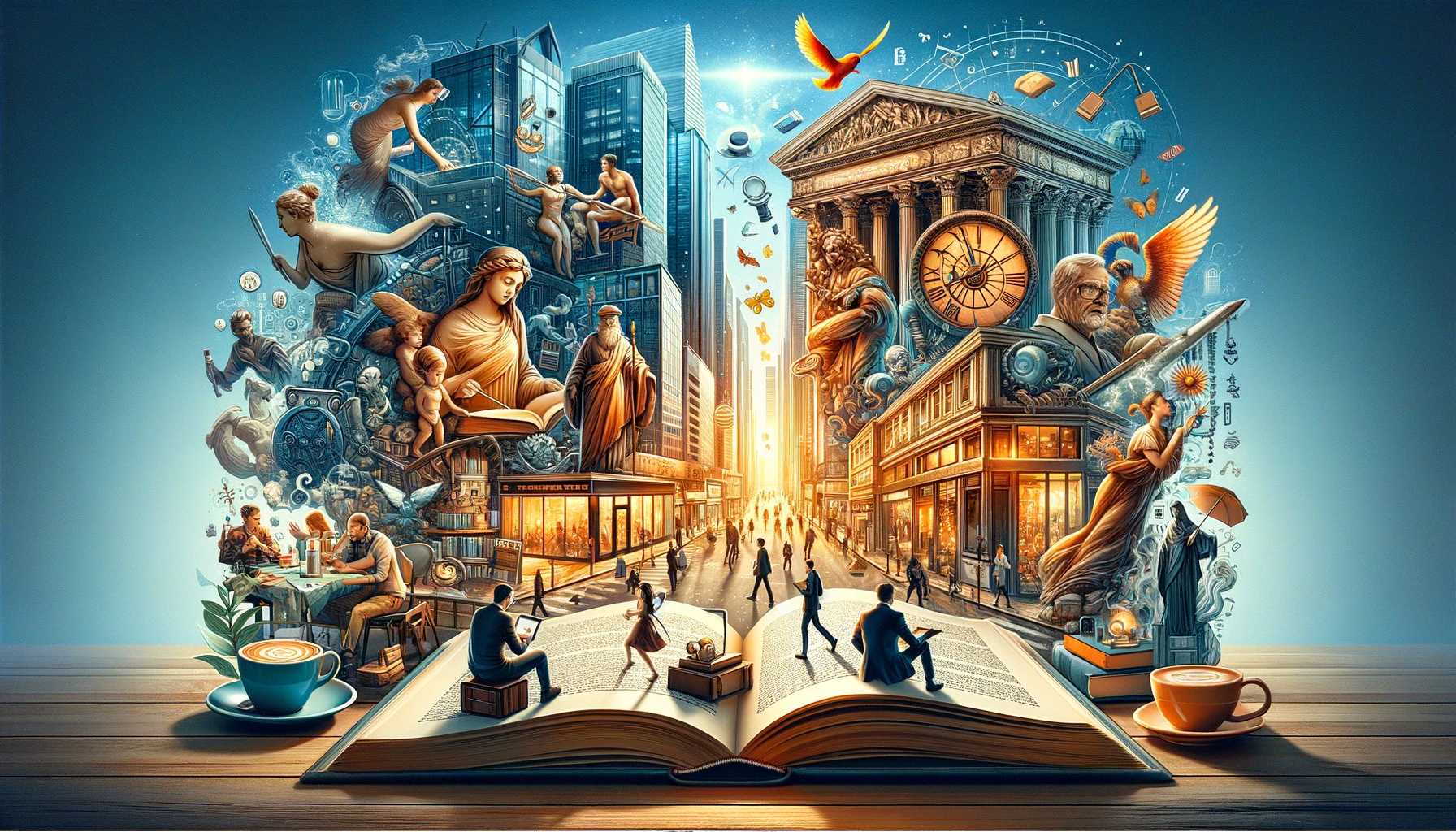
Key Highlights
- Relevance in Contemporary Contexts: Modern adaptations retain the core messages of classical works while addressing current social issues.
- Innovative Storytelling: New media formats, updated settings, and creative interpretations bring classical themes into modern cultural landscapes.
- Bridging Generations: By meshing traditional narratives with contemporary values, these adaptations make timeless literature and drama accessible to new audiences.
Introduction
Classical literature and timeless dramas have shaped our cultural heritage by exploring universal themes such as love, power, betrayal, identity, and societal expectations. However, in our modern age, there is a growing movement to reinterpret these classic works in ways that resonate with today’s audiences. Modern adaptations of classical themes involve reimagining well-known stories, plays, and narratives with updated settings, language, and nuanced perspectives that reflect contemporary issues. Whether in film, theater, or literature, these adaptations provide fresh insights and innovative storytelling approaches, ensuring that the wisdom of the past remains vibrant and relevant.
The Essence of Modern Adaptations
At their core, modern adaptations aim to bridge the gap between antiquity and modernity. Adaptors often work with the original texts’ remains, extracting universal themes and character studies to craft equalisms that address modern societal challenges. The practice stretches beyond simple retellings; it includes reinterpretation of character arcs, revisioning of settings, and an emphasis on themes that resonate with current cultural and social dynamics.
For example, the transformation of Shakespeare’s works or Jane Austen’s narratives into stories set in contemporary high schools has made these stories more relatable to younger audiences. In addition to films such as "10 Things I Hate About You" (a modern depiction of Shakespeare's "The Taming of the Shrew") and "Clueless" (which reimagines Jane Austen’s "Emma"), theater productions have also embraced innovative staging and modern dialogues. These transformations successfully highlight how the fundamental questions of human experience—such as the quest for individuality, the challenges of love, and the complexities of social hierarchy—remain deeply relevant.
Approaches to Modern Adaptation
Updating the Setting
One common approach in modern adaptations is to update the geographical and social setting of the original work. By transposing classical narratives into well-known modern locales, such as contemporary urban centers or suburban high schools, modern adaptations create personal connections with the audience. This contextual shift often involves repositioning conflicts or romantic entanglements in environments that parallel current challenges. For example, the shift of "The Taming of the Shrew" into a high school setting not only preserves the core dynamics of the original text but also shines a light on modern adolescent relationships and modern gender politics.
Language and Dialogue
Modern adaptations frequently update the language of classical works to ensure accessibility and relevance. The transformation from archaic dialogue to modern conversational tone can remove barriers that might otherwise discourage audiences from engaging with these stories. When adaptors modify language, they retain the original work’s spirit but introduce audiences to contemporary idioms and expressions that are more easily understood. This dialectical shift makes classical literature feel immediate and personal. In films, plays, and novels, the language evolves into literature laden with modern references, technologies, and colloquialisms that mirror everyday speech.
Visual and Aesthetic Innovations
In addition to updating narrative content, modern adaptations often incorporate new aesthetic techniques. In cinematic portrayals, creative cinematography, innovative editing, and the strategic use of music underscore the timelessness of classical themes while simultaneously celebrating modern artistic sensibilities. Stage productions, on the other hand, use modern set designs and lighting to evoke contemporary emotions while remaining respectful to historical underpinnings. Both approaches serve to enhance the emotional resonance of the story, ensuring that audiences experience the full breadth of the adaptation.
Incorporation of Social and Cultural Issues
Perhaps the most compelling contribution of modern adaptations is their ability to address and incorporate contemporary social issues. Whether it is through exploring topics like gender politics, identity crises, or the effects of technological advancements, modern adaptations ensure that classical themes engage with current realities. As audiences today are more socially aware and culturally diverse, adaptations illuminate the interplay between historical narratives and modern societal challenges. For instance, modern retellings may integrate themes of feminism, racial dynamics, and even political discourse into classical storylines, thereby drawing parallels between centuries-old conflicts and the dilemmas of the modern age.
Case Studies in Modern Adaptations
Film Adaptations
Films have been at the forefront of modern adaptations, successfully reinterpreting classical texts into engaging and commercially viable productions. Here are several standout examples:
| Modern Film | Original Classic | Key Themes Adapted | Notable Changes |
|---|---|---|---|
| Clueless (1995) | Jane Austen's Emma | Social Status, Romance, Self-discovery | High school setting, updated fashion, contemporary social dynamics |
| 10 Things I Hate About You (1999) | Shakespeare's The Taming of the Shrew | Love, Rebellion, Gender Roles | High school romance, modern lingo, relatable character conflicts |
| Easy A (2010) | Nathaniel Hawthorne's The Scarlet Letter | Reputation, Hypocrisy, Identity | Adolescent life exploration, digital age influences, social media commentary |
| Warm Bodies (2013) | Shakespeare's Romeo and Juliet | Love, Transformation, Societal Division | Post-apocalyptic scenario, zombie metaphor, reimagined conflicts |
| Cruel Intentions (1999) | Les Liaisons Dangereuses | Manipulation, Desire, Power Dynamics | Modern high-society framework, updated interpersonal dynamics, contemporary fashion |
Each of these adaptations cleverly retools the classical source material to explore themes within a context that resonates with modern sensibilities, thereby reaffirming the universality of human experiences across time.
Theater and Stage Adaptations
The theater has long been a medium where classical themes are revisited and continuously reinterpreted. Many modern stage productions take well-known texts, such as those by Shakespeare, and rework them using modern staging techniques. This can involve altering the setting to mirror contemporary urban environments or reinterpreting character motivations to align with current sociopolitical narratives. The use of multimedia, modern costumes, and innovative set designs have transformed traditional plays into dynamic spectacles capable of engaging a diverse, modern audience.
Productions of classics like "King Lear" or "Romeo and Juliet" have successfully employed modern props, digital backdrops, and even interactive audience experiences to make the enduring stories more vibrant and accessible, ensuring that the relevance of these narratives transcends their original eras.
Literary Adaptations
In literature, modern adaptations are not limited to reimagining plays or narratives on screen or stage. Contemporary authors often revisit classic stories and myths to infuse them with modern insights. Novels such as "The Song of Achilles" and "Circe" offer fresh perspectives on ancient myths by exploring themes like identity, gender, and the nature of power from a modern point of view. These adaptations respect the source material while offering reinterpretations that emphasize emotional depth and complex, morally ambiguous characters.
By revisiting classical works through modern narratives, authors can explore intricate relationships and social issues such as the conflicts resulting from modern identity politics, which ultimately create literature that is both thought-provoking and accessible to a new generation of readers.
Challenges in Modern Adaptations
Despite their popularity, modern adaptations face inherent challenges. A primary concern is the delicate balance between remaining faithful to the source material and incorporating new elements that resonate with contemporary audiences. This balancing act can lead to debates over authenticity, where critics and purists question whether updating a classic diminishes its original resonance.
Authenticity vs. Innovation
Critics often argue that altering the context or language of classical texts risks diluting the original message or losing the subtleties of the original narrative. However, proponents of modern adaptations advocate that reinterpretation is essential, given that timeless themes must be reframed to speak to the issues of today. By emphasizing contemporary conflicts and diverse perspectives, modern adaptations can provide audiences with fresh insights into long-established texts without losing the inherent wisdom of classical literature.
Balancing Nostalgia with Modernity
Another significant challenge is merging nostalgic elements cherished by traditional audiences with innovative storytelling techniques that appeal to younger or more diverse viewers. This balance is pivotal to ensure that the market remains open to both admirers of the original works and enthusiasts of modern reinterpretations.
The dynamic tension between preserving the canonical elements of classic themes and embracing modern creative methods continues to inspire debates and critical discussions in the fields of literature, film, and theater. Adaptations that successfully negotiate this tension often succeed in ensuring that the core themes of human love, ambition, morality, and struggle remain as compelling today as they were centuries ago.
Opportunities Arising from Modern Adaptations
Despite the aforementioned challenges, modern adaptations also present numerous opportunities. They serve as powerful tools for education by making classical literature accessible and relevant. Teachers and educators can use modern adaptations as gateways for students to appreciate classic narratives through a contemporary lens. This not only enhances literary understanding but also encourages critical thinking as students analyze how timeless themes are adapted in response to current sociocultural dynamics.
Furthermore, the intersection of classical and modern narratives fosters dialogue across cultural and generational divides. Modern adaptations invite audiences to compare and contrast the issues addressed in traditional texts with those in today’s media, thereby deepening their understanding of both historical context and contemporary society.
Exploring the Broader Impact
The impact of modern adaptations extends beyond entertainment. They play a central role in the ongoing dialogue between the past and present. By reinterpreting classic themes, modern storytellers highlight the perennial nature of human struggles. Adaptations remind us that, regardless of technological advances or shifts in societal norms, the core questions of life—love, morality, power, and identity—remain constant.
These adaptations also spur creative innovation in other fields such as visual arts, music, and digital media. For instance, innovative film techniques or stage designs inspired by classical motifs find their ways into graphic design and advertising, thus perpetuating a culture that values the melding of tradition and modernity.
Table of Notable Modern Adaptations
| Adaptation | Original Work | Medium | Modern Elements Introduced |
|---|---|---|---|
| Clueless | Emma (Jane Austen) | Film | High school setting, updated dialogue, contemporary social dynamics |
| 10 Things I Hate About You | The Taming of the Shrew (Shakespeare) | Film | Modern teenage romance, contemporary gender roles, relatable conflicts |
| Easy A | The Scarlet Letter (Hawthorne) | Film | Social media influence, updated youth culture, modern identity issues |
| Warm Bodies | Romeo and Juliet (Shakespeare) | Film | Post-apocalyptic twist, metaphorical representation of societal divisions |
| Cruel Intentions | Les Liaisons Dangereuses | Film | High-society drama, modern reinterpretation of manipulation and desire |
This table summarizes some of the most influential modern adaptations that have successfully bridged the gap between classical themes and modern societal commentary. Each example illustrates how updating the temporal and cultural context of a classic work can lead to fresh, engaging narratives that continue to captivate audiences.
Cultural Significance and Future Directions
Modern adaptations are not just about retelling stories—they are a testament to the enduring power of classical literature and its ability to adapt and evolve. As audiences become more diverse and technology continues to reshape our storytelling methods, future adaptations are expected to integrate even more innovative elements. Virtual reality, interactive theater, and digital storytelling platforms are likely to pave new avenues for these reinterpretations.
The cultural significance of these adaptations lies in their capacity to unite different generations in a shared appreciation for the enduring questions posed by classical works. As modern audiences become increasingly multicultural and globally connected, the reinterpretation of classical themes will continue to foster a long-standing dialogue, ensuring that the core human experiences remain at the heart of creative expression.
References
- The Revival of Classical Plays in Modern Theatre - Cordwainer Productions
- Top 6 Contemporary Adaptations of Classic Literature - Fictionphile
- Best Modern Retellings of Classic Literature - SuperSummary
- Modern Twists on Classic Tales: 12 Shakespeare Adaptations You Need to Know - Broadway Licensing
- Modern Adaptations - Fiveable Library
Recommended Related Queries
Last updated March 10, 2025