
The Impact of Modern Distillation Techniques on Oud Oil Quality
Exploring advancements, benefits, and challenges in oud oil production
Key Insights
- Enhanced Efficiency and Consistency: Modern techniques such as steam and hydro-distillation ensure higher yields and uniform quality, with technological integration enabling precise control over extraction conditions.
- Preservation of Aroma and Purity: Techniques like CO₂ supercritical extraction and solvent extraction preserve essential aromatic compounds, resulting in pure and consistent oud oil products.
- Sustainability and Environmental Impact: Advanced methods support sustainable harvesting practices and reduce environmental degradation, in contrast to some traditional processes.
Modern Distillation Methods and Their Technology
Oud oil, derived from the resinous heartwood of infected agarwood trees, has long been prized for its unique fragrance and therapeutic properties. In recent years, modern distillation techniques have revolutionized both the production process and the final quality of oud oil. Several advanced methods – including steam distillation, hydro-distillation, organic solvent extraction, and CO₂ supercritical extraction – have now become pivotal in producing high-quality oud oil. These methods stand in contrast to traditional artisanal techniques and are marked by increased efficiency, enhanced precision, and improved product consistency.
Steam Distillation
Efficiency and Quality Control
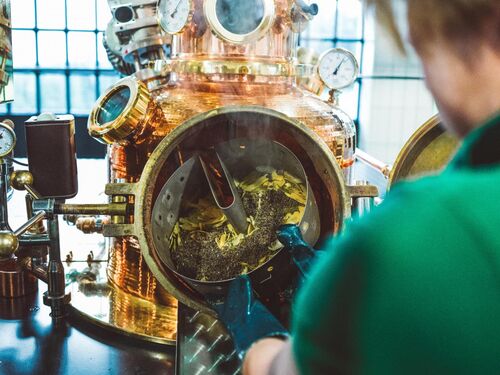
Steam distillation is among the most prevalent modern techniques used in oud oil extraction. This method involves the introduction of steam into the shredded or chopped agarwood. The steam penetrates the dense wood, evaporating the essential oils which are then condensed to form the final product. Due to its controlled nature, steam distillation offers several advantages:
- Controlled Temperature and Pressure: Utilizing advanced stainless steel equipment with precise temperature and pressure controls, distillers can optimize conditions to extract the maximum quantity of aromatic compounds without degradation.
- Enhanced Yield and Consistency: The streamlined process ensures a consistent yield, allowing for standardized batches, which is particularly important when meeting commercial demands.
- Aroma Preservation: By carefully managing the steam’s temperature, the method preserves the delicate notes of the oil, preventing the evaporation of more volatile, subtle aromas.
Limitations and Considerations
Despite its numerous benefits, steam distillation can sometimes result in a slightly less complex aroma profile compared to traditional methods. The rapid extraction process, while efficient, has the potential to miss some of the more nuanced aromatic features inherent to oud oil. Nevertheless, continuous improvements in technology are addressing these concerns by fine-tuning extraction parameters.
Hydro-Distillation and Solvent Extraction
In addition to steam distillation, hydro-distillation and organic solvent extraction have emerged as valuable techniques. These methods offer alternative pathways to capture the complex chemical profile of oud oil.
Hydro-Distillation
Process and Advantages
Hydro-distillation is reminiscent of steam distillation but involves the immersion of agarwood in water. The boiling of the water releases steam that carries the volatile compounds of the wood, which are later condensed.
- Precision Extraction: The method allows for controlled extraction conditions, capturing a broader spectrum of aromatic compounds and leading to a more refined oud oil.
- Enhanced Purity: By finely controlling the extraction process, impurities are minimized, ensuring a product that is both pure and aromatic.
Solvent Extraction
Versatility and Nuanced Fragrance Profiles
Organic solvent extraction uses specially selected solvents to isolate oud oil components. This method is known for extracting subtle aromatic nuances that might otherwise be lost, thus allowing for the creation of varied oil profiles tailored to specific olfactory preferences.
- High Flexibility: The process can be tailored using different solvents to draw out particular compounds, providing a versatile approach in the production of bespoke oud oils.
- Purity Concerns: A primary consideration is the complete removal of solvents post-extraction. Residual solvent traces must be carefully managed to ensure the final product remains natural and true to its aromatic heritage.
CO₂ Supercritical Extraction
One of the most innovative methods in modern oud oil production is CO₂ supercritical extraction. This technique leverages the unique properties of carbon dioxide when it is brought to a supercritical state – a phase where it shares properties with both liquids and gases.
Technological Advancements
Process and Benefits
During CO₂ supercritical extraction, carbon dioxide is pressurized and heated above its critical point, allowing it to act as a solvent. This process facilitates the separation of oil from the agarwood without using harmful chemical solvents. The advantages of this method include:
- High Extraction Rate: The efficiency of CO₂ in its supercritical state results in an impressive extraction yield, capturing a high percentage of the active aromatic compounds.
- Preservation of Active Ingredients: The gentle nature of the process ensures that the delicate components and unique chemical profile of the oud oil are preserved, leading to a more authentic fragrance.
- Environmental Sustainability: The use of CO₂, a naturally occurring substance, minimizes environmental impact and supports more sustainable production practices.
Comparative Advantages
When compared to traditional extraction methods, CO₂ supercritical extraction stands out for its precision, environmental friendliness, and ability to protect the intricate aroma complexity of oud oil. Integrating this method into modern production lines has significantly elevated both yield and overall quality.
Quality, Purity, and Environmental Sustainability
Improved Quality and Consistency
Through the amalgamation of technologies like advanced steam distillation, hydro-distillation, and CO₂ supercritical extraction, modern distillation methods deliver a product that is consistent in both quality and yield. Advantages include:
- Refined Quality Control: The integration of computerized systems allows for real-time monitoring of distillation conditions such as temperature, pressure, and flow rate. This improved oversight leads to reduced variability and enhanced product consistency.
- Optimized Extraction Protocols: The precision of modern methods ensures that each batch of oud oil maintains its intended aromatic profile, providing consistency for consumers and meeting the high standards of the luxury fragrance industry.
Purity and Preservation of Aroma
Modern distillation techniques are designed to extract oil with minimal impurities. The controlled processes not only safeguard the unique scent characteristics but also reduce the risk of contamination. Techniques like CO₂ extraction are specifically noted for their ability to extract pure oil, as they avoid harsh chemical solvents that might otherwise compromise the integrity of the aroma.
Sustainability and Environmental Concerns
Sustainability remains a pivotal issue in the production of oud oil, largely due to the endangered status of agarwood trees. Modern distillation techniques play an increasingly important role in addressing environmental concerns:
- Responsible Resource Management: By optimizing extraction efficiency, modern techniques reduce the overall quantity of agarwood needed, thereby influencing sustainable harvesting practices.
- Eco-Friendly Processes: Many modern extraction methods, particularly CO₂ supercritical extraction, reduce environmental waste and energy consumption, aligning production with green technology initiatives.
Comparative Analysis: Traditional vs. Modern Methods
The evolution from traditional to modern distillation techniques represents not merely a technological upgrade but a complete transformation in how oud oil is produced. Below is a comparative analysis encapsulating the major differences:
| Feature | Traditional Methods | Modern Techniques |
|---|---|---|
| Yield | Often variable and lower, dependent on manual processes. | High, consistent yield due to controlled extraction parameters. |
| Purity | Prone to impurities and inconsistent aroma profiles. | Enhanced purity with advanced monitoring and solvent-free methods. |
| Aroma Complexity | Rich but highly variable; traditional processes capture subtle nuances. | Refined preservation of desired components; however, may miss some subtle notes if not optimized. |
| Sustainability | Potential for overharvesting due to inefficiencies. | Improved resource efficiency and reduced environmental impact. |
| Technological Integration | Primarily manual with limited quality control. | Computerized monitoring ensures consistent output and quality control. |
Integrative Insights on Modern Oud Oil Production
The synthesis of current modern distillation techniques reveals that while every method has distinct advantages and limitations, the overall impact on the quality of oud oil is positive. The combination of superior extraction efficacy, enhanced purity, and environmental consciousness has set the stage for a new era in oud oil production.
Balancing Tradition and Innovation
While modern distillation techniques are at the forefront of production advancements, preservation of the cultural and historical aspects of oud oil remains imperative. Traditional methods have imbued the oil with a rich heritage appreciated by connoisseurs worldwide. Contemporary producers often integrate traditional knowledge with modern precision, ensuring that although the process is technologically forward-thinking, the essence of oud is retained.
Future Directions and Innovations
The trajectory of modern distillation technology continues to evolve. Research into optimizing the extraction of volatile compounds and refining the precision of temperature and pressure controls is ongoing. Future innovations are likely to enhance the sensory profile of oud oil further and support sustainable practices, ensuring that the precious resource is preserved for future generations.
References
- How Oud Is Extracted? - Socotra Oud
- Agarwood Oud Essential Perfume Oil - Oud Wood Vietnam
-
Our Steam Distillation Process - D.D. Oud Oil
- The Art of Oud - Wooden Earth
- Finest Fragrances - Sultanul Oud
Recommended Queries for Further Exploration
 oudiferous.wordpress.com
Last updated March 7, 2025