
Modern Day Slavery in India
An In-depth Analysis of Prevalence, Forms, and Efforts to Combat Exploitation
Key Highlights
- Scale of the Issue: India is home to the highest number of people living in modern slavery globally, with over 11 million individuals affected.
- Forms of Exploitation: Exploitation takes many forms, including bonded labor, forced labor, human trafficking, forced marriages, and child exploitation.
- Challenges and Responses: Despite legislative frameworks and government initiatives, poor enforcement, socio-economic inequalities, and corruption continue to impede effective combating of modern slavery.
Understanding Modern Day Slavery in India
Modern day slavery in India represents one of the most pressing human rights challenges in the world today. With an estimated 11 million people living under conditions of forced labor, bonded labor, human trafficking, and various exploitative practices, India tops the global list in the number of affected individuals. The phenomenon encapsulates more than just isolated criminal activities; it is a systemic issue intertwined with the socio-economic fabric of the country.
The persistence of modern slavery in India is deeply rooted in various factors – from the historical context of caste-based discrimination and widespread poverty to modern global supply chains that inadvertently or deliberately incorporate forced labor. The issue is multifaceted, necessitating a comprehensive response that spans education, legal reforms, enhanced enforcement mechanisms, and international cooperation.
Prevalence and Key Statistics
Data indicates that approximately 11 million people in India continue to live in conditions that meet the criteria for modern slavery. This figure equates to around 8 individuals per 1,000 people in the general population. The enormity of the problem is not solely defined by these numbers but by the pervasive nature of the conditions that allow such exploitation to flourish.
The Global Slavery Index and various international and domestic research efforts have consistently illustrated these staggering figures. Notably, even if one considers the entire country, regions with higher incidences often correlate with areas where poverty, illiteracy, and rigid social structures like the caste system are most prominent.
Key Statistical Insights:
- India accounts for the highest number of individuals living in modern slavery globally.
- Approximately 11 million people are in condition of slavery, with significant discrepancies observed in rural versus urban distribution.
- The exploitation index signals that for every 1,000 people, about 8 are vulnerable or fall victim to these practices.
Forms of Modern Slavery
Modern slavery in India manifests in various forms. Although these practices may appear distinct, they share common underlying causes such as poverty, caste-based discrimination, and lack of legal recourse. Here, the primary categories of exploitation can be grouped broadly.
Bonded Labor
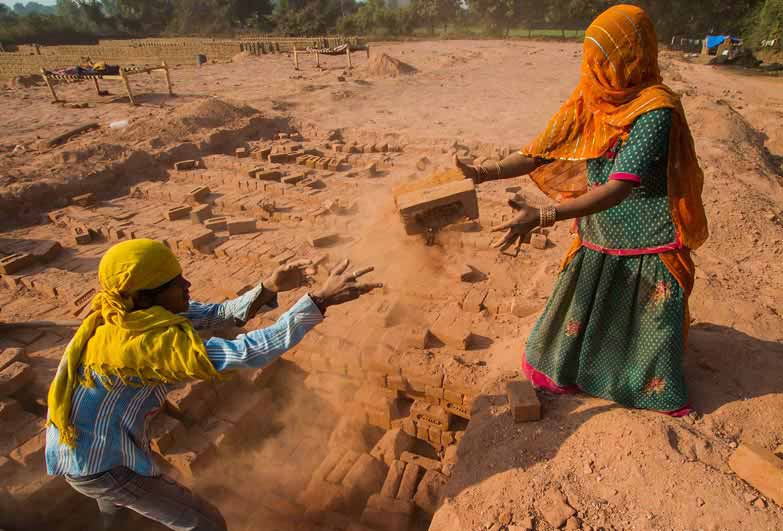
Bonded labor is widely recognized as the most pervasive form of modern slavery in India. It is a system where individuals or entire families become bound to an employer or moneylender as a means to repay a debt. Often, these debts are inflated or manipulated to ensure long-term servitude. Workers find themselves trapped in situations where their labor is exploited in agriculture, brick kilns, rice mills, brothels, and domestic settings.
Historical inequities and social stratification, especially influenced by the caste system, have often made certain groups more vulnerable to this exploitative practice. Once under bondage, families may find themselves ensnared for generations, with little to no prospects for liberation.
Forced Labor and Working Conditions
Forced labor is another significant manifestation of modern slavery in India. Individuals are often compelled to work under threat or coercion, particularly in sectors relevant to global supply chains. Industries ranging from agriculture to manufacturing and mining have raised concerns regarding exploitative practices where laborers work under harsh conditions without adequate wages or benefits. This scenario is frequently linked to the international markets, where there is a demand for cheap goods produced by an exploited workforce.
The human cost of this form of slavery is enormous; workers often face dangerous working environments, are subjected to physical abuse, and suffer from lack of basic human rights, with their freedoms severely curtailed.
Human Trafficking and Forced Marriage
Human trafficking in India predominantly involves the trafficking of individuals for sexual exploitation or forced labor. Both domestic and international networks are engaged in illicit trafficking practices. Women and girls are particularly vulnerable to forced marriages, which are interlinked with human trafficking, leaving them trapped in situations of abuse and servitude.
The trafficking networks leverage poverty and the socio-economic vulnerabilities of individuals, making them targets for exploitation. The lack of robust legal protections in many instances exacerbates the plight of the victims, who find it difficult to seek justice or escape abusive circumstances.
Child Exploitation
Child exploitation forms a disturbing element of modern slavery in India. Many children are forced into labor in various sectors including agriculture, mining, and domestic work. In some cases, children are also subjected to sexual exploitation. Their young age coupled with social and economic vulnerabilities makes them highly susceptible to traffickers and exploiters.
The repercussions of such exploitation are far-reaching, affecting the physical and mental well-being of children and significantly impeding their educational and social development.
Emerging Forms of Exploitation
Beyond the more traditional forms of forced labor and trafficking, there have been reports of modern slavery encompassing other forms of exploitation, such as forced medical testing and organ harvesting. Although these practices are not as widely reported, they underscore the evolving nature of modern slavery, highlighting the need for continuous vigilance and expanded legal frameworks to protect potential victims.
Drivers Behind Modern Slavery in India
The prevalence of modern slavery in India cannot be viewed in isolation; it is driven by a confluence of historical, social, and economic factors:
Socio-Economic Inequalities
Widespread poverty remains one of the cardinal factors that contribute to modern slavery. In many parts of India, extreme poverty forces families to take desperate measures, such as borrowing money under predatory terms. The resulting debt servitude creates a cycle where individuals are compelled to work under exploitative conditions for prolonged periods or even generations.
Additionally, socio-economic disparities are often exacerbated by limited access to quality education, healthcare, and social services. This deprivation pushes vulnerable populations into the arms of unscrupulous moneylenders and employers who impose debt bondage as a means of ensuring a steady, exploitable labor force.
Caste-Based Discrimination
The entrenched caste system in India plays a pivotal role in perpetuating modern slavery, particularly bonded labor. Historically marginalized communities suffer from institutional discrimination, limiting their social mobility and access to opportunities. This systemic bias renders them particularly vulnerable to exploitative labor practices, as the lack of educational and economic opportunities makes escape from bonded labor almost impossible.
In many instances, these communities inherit the status of servitude, with generational cycles of bonded labor that persist despite legal prohibitions. Social stigmatization further compounds their isolation, reducing the likelihood of effective advocacy or legal intervention on their behalf.
Weak Legal Protections and Enforcement Challenges
Although India’s constitution prohibits human trafficking and several laws have been enacted to curb various forms of exploitation, the practical implementation of these laws remains fraught with challenges. Corruption, bureaucratic inertia, and legal loopholes often hinder the enforcement of anti-trafficking and bonded labor legislation.
For instance, while legislative measures such as the Bonded Labour System (Abolition) Act of 1976 and the Immoral Traffic (Prevention) Act of 1956 provide a legal framework, inadequate enforcement mechanisms, coupled with a lack of political will, compromise their effectiveness. Many survivors of modern slavery face significant difficulties in obtaining justice and compensation, leaving them trapped in a cycle of poverty and exploitation.
Global Supply Chains and International Trade Dynamics
India’s integration into the global economy, while a driver of economic growth, has also had a darker side. Many products manufactured in India are part of extensive global supply chains. Unfortunately, this sometimes involves exploitation of labor under forced or coercive conditions. Companies in international markets often outsource production to regions where labor laws are lax, indirectly fueling modern slavery.
The exploitation linked to global supply chains underscores the need for a coordinated response that includes both domestic reforms and international regulatory measures. Many industries now face pressure from consumers and advocacy groups to ensure ethical labor practices, making accountability a critical element in the fight against modern slavery.
Legal Framework and Government Initiatives
India has established a range of legal measures aimed at preventing and punishing acts of modern slavery. However, gaps remain that limit the overall impact of these initiatives.
Constitutional Provisions and Key Legislation
At the foundational level, the Indian Constitution explicitly prohibits human trafficking, establishing a legal basis to combat modern slavery practices. Specific laws such as:
- Bonded Labour System (Abolition) Act, 1976: Designed to eradicate debt bondage and regulate labor conditions in industries where bonded labor has been prevalent.
- Immoral Traffic (Prevention) Act, 1956: Aimed primarily at curtailing trafficking for commercial sexual exploitation, this law attempts to provide a statutory remedy against human trafficking.
- Provisions under the Indian Penal Code: Sections specifically criminalize human trafficking and related offenses, though enforcement varies across regions.
These legal frameworks represent significant, albeit imperfect, strides towards the abolition of modern slavery. Implementation, however, still faces numerous hurdles.
Government Initiatives and International Collaborations
In response to the scale of modern slavery, the Indian government has established specialized units such as Anti-Trafficking Cells and collaborated in international initiatives aimed at ending these practices.
One notable example is India’s participation in global initiatives such as the Program to End Modern Slavery, which seeks to implement interventions specifically targeted at rescuing and rehabilitating victims of trafficking and forced labor. These measures also extend to working with non-governmental organizations (NGOs) that operate on the ground to identify, rescue, and provide long-term support to survivors.
Despite these efforts, many observers note that the lack of comprehensive legislation that unifies all aspects of modern slavery (from prevention to victim rehabilitation) remains a critical shortfall. There is an ongoing need for reforms that prioritize victim compensation, stricter enforcement protocols, and broader awareness campaigns.
Comparative Analysis of Slavery Forms with a Data Table
The following table summarizes the major forms of modern slavery in India, the sectors in which they are most prevalent, and contributing factors:
| Form of Slavery | Common Sectors | Contributing Factors |
|---|---|---|
| Bonded Labor | Agriculture, Brick Kilns, Rice Mills, Domestic Work | Debt bondage, socio-economic inequalities, caste discrimination |
| Forced Labor | Agriculture, Manufacturing, Mining, Garment Factories | Coercion through economic pressures, exploitation in global supply chains |
| Human Trafficking | Commercial Sex, Domestic Servitude | Poverty, lack of education, inadequate legal protection |
| Forced Marriage | Rural Communities, Vulnerable Urban Populations | Gender discrimination, socio-economic vulnerability |
| Child Exploitation | Agriculture, Mining, Domestic Work | Poverty, lack of awareness, systemic neglect |
This data highlights the multifaceted nature of modern slavery in India, revealing significant overlaps between various forms of exploitation and illustrating how structural inequalities contribute to the persistence of these practices.
Challenges in Implementation and Enforcement
Even with comprehensive laws in place, several critical challenges hamper the efficacy of efforts to curb modern slavery in India:
Corruption and Bureaucratic Hurdles
A major barrier to effective enforcement is corruption within the administrative and judicial systems. Corruption creates an environment where traffickers and exploitative employers can operate with impunity. When officials either turn a blind eye or actively participate in corruption, the cycle of exploitation is perpetuated.
Insufficient Victim Compensation and Rehabilitation
Another significant shortfall is the lack of adequate compensation and rehabilitation programs for survivors. Victims of modern slavery often lack access to legal representation, medical care, and psychological support, which hampers their ability to reintegrate into society. The absence of comprehensive victim-support frameworks means many remain trapped in vulnerable conditions, even after leaving exploitative environments.
Enforcement Gaps and Legal Loopholes
While laws prohibiting various forms of modern slavery are in place, the enforcement of these laws is frequently inconsistent. Numerous legal loopholes allow perpetrators to escape stringent penalties. Coupled with the challenges posed by a vast and diverse nation like India, these enforcement gaps enable modern slavery to persist despite legislative efforts.
Integrated Strategies for Abolition
Addressing modern day slavery in India requires a holistic approach that goes beyond mere legal provision. Effective abolition strategies must incorporate:
Prevention
Prevention strategies include strengthened educational programs, public awareness campaigns, and community empowerment initiatives that target the vulnerable populations most at risk. By enhancing literacy and providing alternative income sources, communities can be shielded from falling prey to exploitative arrangements.
Protection
Protection measures are aimed at safeguarding victims during and after their exploitation. This involves the creation of safe houses, legal aid clinics, and specialized law enforcement units trained to handle cases of trafficking and bonded labor. These resources act as critical lifelines for those attempting to escape from modern slavery.
Rehabilitation and Reintegration
Rehabilitation efforts focus on assisting victims in gaining physical, psychological, and economic stability. Comprehensive rehabilitation programs include vocational training, educational opportunities, and long-term support mechanisms that enable survivors to rebuild their lives and reintegrate constructively into society.
Local organizations, together with international bodies, have piloted various projects that not only rescue victims but also offer pathways to sustainable livelihoods. The success of these projects underscores the importance of coordinated multi-stakeholder approaches in breaking the cycle of exploitation.
Comparative Global Perspectives
While modern slavery is a global concern with nearly 50 million people affected internationally, India’s situation is particularly critical given its absolute numbers. Global trends point to a growing urgency in addressing issues inherent in international supply chains and labor practices.
Several developed nations are now under scrutiny for indirectly enabling modern slavery through trade with countries like India. Increasingly, consumers in these nations demand ethically sourced products and strict adherence to human rights standards. This global pressure has catalyzed better, though still insufficient, practices and regulations within India.
The comparative perspective emphasizes that combating modern slavery requires both internal reforms and international accountability. Coordinated actions across borders have the potential to significantly decrease the prevalence of modern slavery by dismantling the economic structures that support exploitative labor practices.
The Role of Civil Society and Non-Governmental Organizations
NGOs and civil society organizations play a pivotal role in the fight against modern slavery in India. With government agencies often hindered by bureaucratic challenges, these organizations step in to conduct grassroots campaigns, rescue operations, legal advocacy, and rehabilitation programs.
Efforts by NGOs have resulted in the rescue of numerous victims, and their continued work provides critical data and testimonies, which help bring attention to the plight of millions of enslaved individuals. Collaborations between local groups and international partners have accelerated reforms and forced governmental accountability in matters related to human trafficking and forced labor.
Role of International Conventions and Global Partnerships
International conventions, such as those initiated by the United Nations, complement domestic laws and exert pressure on national governments to uphold human rights standards. India’s participation in global partnerships for ending modern slavery has been instrumental in introducing reforms and mobilizing resources for victim rescue and rehabilitation.
These collaborative efforts not only enhance legal frameworks in India but also facilitate the exchange of best practices and innovative solutions across borders. The engagement of multilateral organizations reinforces the imperative that modern slavery is not just a local issue, but one that requires sustained global vigilance and cooperation.
Future Directions and Policy Recommendations
To effectively address the entrenched issues of modern slavery in India, a number of policy recommendations are vital:
Comprehensive Legislative Reform
India would benefit from a unified anti-trafficking law that consolidates the various aspects of modern slavery into a comprehensive framework. This law should extend beyond mere punishment to incorporate preventive measures, victim rehabilitation, and robust enforcement mechanisms. Streamlining the legal framework will help close loopholes that current legislation struggles to address.
Such reforms would help ensure that survivors receive adequate compensation and legal protection, while also facilitating a faster judicial process for trafficking cases.
Enhancing Law Enforcement Capabilities
Investment in specialized training for law enforcement and adequate resource allocation are imperative. Anti-trafficking units need to be better equipped to detect, investigate, and prosecute cases of modern slavery. Increased inter-agency cooperation within the government can improve response time and foster a more vigilant enforcement environment.
Economic and Social Development Initiatives
Addressing poverty, improving education, and increasing economic opportunities are central to preventing modern slavery. Government and private sector initiatives that focus on empowering marginalized communities not only reduce vulnerability but also create sustainable pathways out of exploitation. Programs aimed at micro-financing, skill development, and community-based education can offer long-term solutions that diminish the allure of exploitative labor practices.
Multi-dimensional strategies that integrate economic development with robust legal protections are essential for meaningful transformation.
Conclusion
In conclusion, modern day slavery in India is an issue of immense scale and complexity. Over 11 million individuals are affected by practices that range from bonded labor and forced labor to human trafficking and child exploitation. Deep-rooted socio-economic inequalities, pervasive caste-based discrimination, and inadequate enforcement of legal protections create an environment in which modern slavery continues to thrive. Although India has established a variety of laws and government initiatives, the practical challenges of corruption, limited resources, and fragmented legal frameworks hamper effective intervention.
Moving forward, a multi-pronged approach that incorporates comprehensive legislative reform, bolstered law enforcement, international cooperation, and robust community development is crucial. Both state and non-state actors must work in concert to dismantle the systemic factors that nurture these exploitative practices. By fostering awareness, improving victim rehabilitation, and ensuring economic empowerment, significant strides can be made in eradicating modern slavery in India.
These concerted efforts are not only necessary for the welfare of the millions affected but also serve as a clarion call to the global community to address modern slavery in all its forms.
References
- Modern Slavery Exists - and Must be Eradicated - CounterPunch
- Modern slavery witnesses 25 percent increase in five years - Economic Times
- Modern slavery in India - Walk Free
- Statsguru: Modern slavery estimates up 38% for India - Business Standard
- Modern Slavery and Global Slavery Index - Clearias
- G20 countries including India are fuelling modern slavery - The Hindu
- Highest number of people in modern slavery worldwide - Statista
- Global Slavery Index 2023: G20 nations fuelling modern slavery - Business Standard
- Program to End Modern Slavery - U.S. Department of State
-
Confined, beaten and denied leave - Reuters
Recommended Related Queries
Last updated February 22, 2025