
Mollusk and Annelid Contributions to Nutrient Cycling in Coastal Ecosystems
Exploring their multiple roles in maintaining healthy marine environments
Key Insights
- Filter feeding and sediment turnover: Mollusks, particularly bivalves, serve as natural water filters and play a major role in bioturbation, enhancing microbial decomposition.
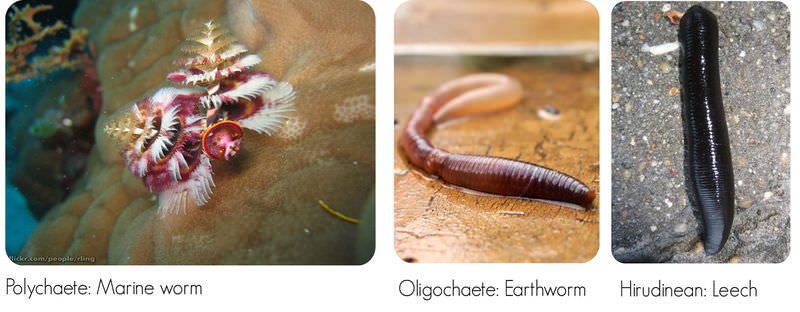
- Burrowing and decomposition: Annelids such as earthworms and polychaetes promote soil and sediment aeration, leading to improved nutrient recycling and organic matter breakdown.
- Ecosystem engineering and bioindicators: Both groups create habitats, form biogeochemical hotspots, and serve as indicators of environmental health.
Introduction: The Importance of Nutrient Cycling
Coastal ecosystems are dynamic environments where the interplay of physical, chemical, and biological processes is crucial to sustaining marine biodiversity and ecosystem productivity. Nutrient cycling—the movement and exchange of essential elements such as nitrogen, phosphorus, and carbon—is a cornerstone of these processes. Mollusks and annelids, two diverse groups of invertebrates, contribute significantly to these cycles in several ways, from altering sediment properties to influencing water clarity and organic matter decomposition. In this discussion, we will explore how their unique feeding habits, burrowing activities, and ecosystem engineering roles synergize to create vibrant, productive coastal environments.
Roles of Mollusks in Nutrient Cycling
Filter Feeding
Many mollusks, particularly bivalves such as clams, oysters, and mussels, engage in filter feeding, a process whereby they intake large quantities of water and filter out suspended particulates, including phytoplankton and detritus. This filtration process delivers multiple benefits:
Water Clarification and Nutrient Redistribution
As these organisms filter water, they not only clarify it by removing excess particulates but also convert organic matter into excreta rich in essential nutrients such as nitrogen and phosphorus. These nutrients are subsequently available for uptake by primary producers, like algae and seagrasses, thereby stimulating photosynthesis and contributing to the overall productivity of the ecosystem.
Bioturbation and Sediment Turnover
A paramount function of mollusks in coastal ecosystems is the disturbance of sediment, often referred to as bioturbation. This role is particularly evident in burrowing species:
Enhancing Microbial Decomposition
By burrowing and reworking sediments, mollusks increase the surface area available for microbial colonization. This process stimulates the breakdown of organic material trapped in sediments and facilitates nutrient recycling by promoting microbial assimilation and mineralization of detritus. A noteworthy outcome of such localized activity is the creation of biogeochemical hotspots—areas where nutrient transformation occurs at accelerated rates.
Ecosystem Engineering
Beyond their feeding and burrowing activities, mollusks such as mussels and oysters act as ecosystem engineers. Their ability to form extensive beds and reefs has several cascading effects on coastal habitats:
Creation of Habitat Structures
The physical structures built by these species not only consolidate the sediment but also provide shelter and breeding grounds for diverse marine organisms. These engineered habitats create microenvironments with enriched nutrient status, and subsequently, they act as catalysts for increased biodiversity and ecosystem resilience.
Roles of Annelids in Nutrient Cycling
Burrowing Activities and Soil Aeration
Annelids, including both terrestrial earthworms and marine polychaetes, are renowned for their extensive burrowing activities. These burrowing actions serve several critical functions:
Aeration and Enhanced Nutrient Access
The tunnels and channels constructed by annelid species promote oxygen infiltration into the sediment or soil—an essential condition for aerobic microbial processes. Aerobic microbes are far more efficient in breaking down organic matter, which is a precursor for releasing nutrients back into the environment. Regions depleted of oxygen would otherwise experience slower rates of decomposition and nutrient release.
Decomposition and Organic Matter Breakdown
Annelids also contribute to nutrient cycling through their role as decomposers. Their digestive systems are adept at breaking down complex organic materials, turning them into simpler compounds that are released into the environment as nutrient-rich waste.
Production of Nutrient-Rich Casts
The excrement of annelids, commonly known as worm casts, is notably high in essential nutrients that support plant growth and microbial activity. This process is vital for maintaining soil or sediment fertility, particularly in coastal regions where nutrient balance is crucial for healthy primary production.
Role as Bioindicators
Both mollusks and annelids function as bioindicators—organisms whose presence, abundance, or absence can provide critical insights into ecosystem health. Changes in their populations often reflect shifts in nutrient dynamics, levels of pollution, and overall environmental stress:
Monitoring Ecosystem Health
Researchers use these indicators to monitor and predict changes in coastal ecosystems. For instance, a decline in the population of sensitive annelid species may signal issues like nutrient overload or sediment contamination, enabling early intervention to restore balance.
Interconnected Contributions and Ecosystem Synergies
The nutrient cycling roles of mollusks and annelids intersect and complement one another, creating synergies that support a robust coastal ecosystem. The following table provides a concise overview of their distinctive yet interrelated functions:
| Function | Mollusks | Annelids |
|---|---|---|
| Primary Feeding Strategy | Filter feeding and grazing | Decomposing organic matter |
| Habitat Influence | Bioturbation, reef and bed formation | Burrowing for aeration and soil turnover |
| Nutrient Recycling Mechanism | Excretion of nutrients; creation of biogeochemical hotspots | Release of nutrient-rich waste (casts); enhancement of microbial activity |
| Role in Ecosystem Health | Water filtration, stabilization of sediment | Improved sediment fertility, bioindicator of environmental quality |
This table encapsulates the complementary nature of mollusks and annelids. While mollusks are more directly involved in water filtration and sediment disturbance, annelids primarily enhance soil and sediment health through their burrowing and decomposing activities. Both groups work in synergy to maintain, restore, and indicate the health of coastal nutrient cycles.
Mechanisms Driving Nutrient Transformation
Biogeochemical Hotspots
In areas where mollusk populations are dense, their cumulative filter feeding and excretory activities can create localized regions of intensified nutrient recycling known as biogeochemical hotspots. These sites are characterized by heightened availability of nutrients such as nitrogen and phosphorus, directly boosting productivity in adjacent pelagic systems.
Supporting Primary Production
The concentration of these nutrients in the water column enhances the growth of phytoplankton and other primary producers. In turn, increased primary production supports higher trophic levels—demonstrating a direct link between invertebrate activity and the overall energy flow within coastal ecosystems.
Microbial Interactions
Both mollusks and annelids facilitate microbial processes that are crucial for the breakdown of organic matter. The burrowing activities of these organisms introduce oxygen into deeper sediments, creating favourable conditions for aerobic bacteria. These microbes are efficient at decomposing complex organic molecules into simpler compounds, which can then be easily assimilated by plants and algae.
Microbial Decomposition and Nutrient Regeneration
The accelerated microbial decomposition not only ensures efficient recycling of carbon but also releases bound nutrients, thereby perpetuating the cycle of nutrient availability. This dynamic is particularly prominent in coastal ecosystems where organic matter input from both marine and terrestrial sources is substantial.
Impact on Coastal Ecosystem Resilience
Ecosystem Engineering and Habitat Complexity
The habitat structures created by mollusks and the burrowing patterns of annelids significantly contribute to the structural complexity of coastal ecosystems. The intricate networks of burrows and mollusk beds not only provide protective niches for countless invertebrates and juvenile fish but also facilitate sediment stabilization and further nutrient retention.
Stabilization and Biodiversity Enhancement
This stabilization of sediments is essential in preventing erosion and maintaining clear water conditions, which are imperative for sustaining seagrass beds and coral communities. Enhanced biodiversity, in turn, reinforces ecosystem resilience, allowing coastal environments to better withstand anthropogenic pressures and natural perturbations.
Bioindicators and Environmental Monitoring
The sensitivity of mollusk and annelid populations to environmental changes makes them invaluable as bioindicators. Monitoring the health of these organisms can provide early warning signals regarding shifts in nutrient concentrations, pollution events, or habitat degradation.
Assessing Ecosystem Health
For instance, a decline in filter feeding mollusks might suggest deteriorating water quality, while shifts in annelid abundance could indicate changes in sediment composition or contamination. Thus, the monitoring of these species assists in proactive ecosystem management and conservation strategies.
Integration of Mollusk and Annelid Processes
The nutrient cycling roles of mollusks and annelids are many-faceted and deeply interwoven. Their interactive processes maintain a delicate balance in coastal ecosystems:
Complementary Activities
While mollusks contribute to nutrient cycling primarily through water filtration and sediment disturbance, annelids enhance these processes by ensuring that the sediments remain aerated and rich in decomposed organic matter. This complementary nature results in an efficient system where nutrients are continuously cycled back to support primary production, which is at the base of the coastal food web.
Feedback Mechanisms
Additionally, the feedback loops between these processes are essential for sustaining coastal productivity. Mollusk activities can stimulate sediment microbial communities, which in turn facilitate annelid decomposition. The byproducts of these processes then further nourish the growth of primary producers, creating a sustainable, self-reinforcing nutrient cycling system.
Case Studies and Real-World Applications
Informative case studies from coastal ecosystems worldwide illustrate the fundamental roles of mollusks and annelids in nutrient cycling. In mangrove and estuarine environments, for example, these organisms have been observed to significantly mitigate nutrient imbalances that would otherwise lead to eutrophication—an issue that causes severe degradation in marine habitats.
Mangrove Ecosystems
In mangrove forests, mollusks contribute by decomposing leaf litter and reworking sediments, while annelids further ensure the aeration required for optimal decomposition. This synergy helps maintain the delicate balance of nutrient availability, supporting not only the mangrove flora but also the numerous fish and invertebrates that depend on these habitats.
Estuarine Resilience
Estuarine systems, characterized by the mixing of freshwater and saltwater, also benefit from these processes. Here, the filtration activity of bivalves plays a crucial role in preventing the build-up of organic pollutants, while the burrowing of annelids promotes metabolic exchanges between sediment and water, enhancing overall resilience.
Future Perspectives in Conservation and Management
As human activities increasingly threaten coastal environments, a profound understanding of the roles played by mollusks and annelids in nutrient cycling is critical for effective conservation and restoration strategies. By integrating these organisms into management plans, scientists and policymakers can promote habitat recovery and sustainable use of coastal resources.
Restoration Initiatives
Many restoration projects now focus on reintroducing native mollusk beds and enhancing natural annelid populations to restore sediment health and nutrient balance. Such initiatives underscore the potential of these organisms not only to support ecological integrity but also to buffer coastal communities against adverse impacts like pollution and climate change-induced sea-level rise.
Community Engagement and Scientific Research
Furthermore, ongoing research into the interactions between these invertebrate groups and their environments continues to refine our understanding of nutrient dynamics. This research is essential for developing targeted interventions that enhance natural nutrient cycling processes, ultimately contributing to the resilience of coastal ecosystems in the face of environmental change.
References
- Annelida: the Vital Role of Segmented Worms in The Biosphere - Allied Academies
- Marine Invertebrates Mollusks and Annelids - Studocu
- Mollusks - MarineBio Conservation Society
- Molluscs' Role in Ecosystem - Shape of Life
- What are the ecological roles of benthos, molluscs, annelids, and crustaceans in marine ecosystems? - Typeset
- Exploring the Fascinating World of Invertebrates: Insects, Arthropods and Other Fascinating Creatures - A Place for Animals
- Mollusks and Annelids – Introductory Biology - University of Minnesota Pressbooks
- Ecological Role of Invertebrate Groups in Nutrient Cycling - OUP Academic
-
Biogeochemical Cycling in Coastal Ecosystems - ScienceDirect
-
Marine Biodiversity and Ecosystem Dynamics - MarineBio Conservation Society News
Recommended Further Inquiries
Last updated February 28, 2025