
Molybdenum's Pivotal Role: How Essential Will This Metal Be in the Next Decade?
An in-depth look at molybdenum's increasing indispensability across critical industries from 2025 to 2035.
Molybdenum, a silvery-white transition metal, is poised to play an increasingly vital role in global industries over the next ten years. Its unique combination of properties—including a very high melting point, excellent corrosion resistance, and remarkable alloying capabilities—positions it as a critical material for technological advancement and sustainable development. Based on current trends and future projections, molybdenum's importance for the period 2025-2035 can be confidently ranked as 9 out of 10, signifying it as highly valuable and largely irreplaceable in many of its core applications.
Key Highlights: Molybdenum's Decade of Demand
- Indispensable in Steel and Alloys: Molybdenum is a cornerstone in the production of high-strength, corrosion-resistant, and high-temperature steel alloys, which account for approximately 80% of its total consumption. These materials are fundamental to infrastructure, automotive, and manufacturing sectors.
- Critical for Clean Energy & Aerospace: The transition to renewable energy sources (wind, solar) and advancements in aerospace and defense rely heavily on molybdenum-enhanced materials for their durability and performance under extreme conditions.
- Strong Market Growth & Strategic Value: The global molybdenum market is projected to see robust growth (CAGR of ~3-4%), driven by increasing demand in emerging economies and its unique, hard-to-replicate properties, cementing its strategic industrial importance.
Unpacking Molybdenum's Importance: A Sector-by-Sector Analysis
Molybdenum's high ranking is not arbitrary; it's rooted in its multifaceted contributions to various essential industries. Its specific attributes make it a preferred, and often indispensable, component in numerous high-performance applications.
The Backbone of Modern Industry: Steel and Superalloys
Approximately 80% of all molybdenum produced is used as an alloying agent in steels, cast iron, and superalloys. Its inclusion significantly enhances material properties:
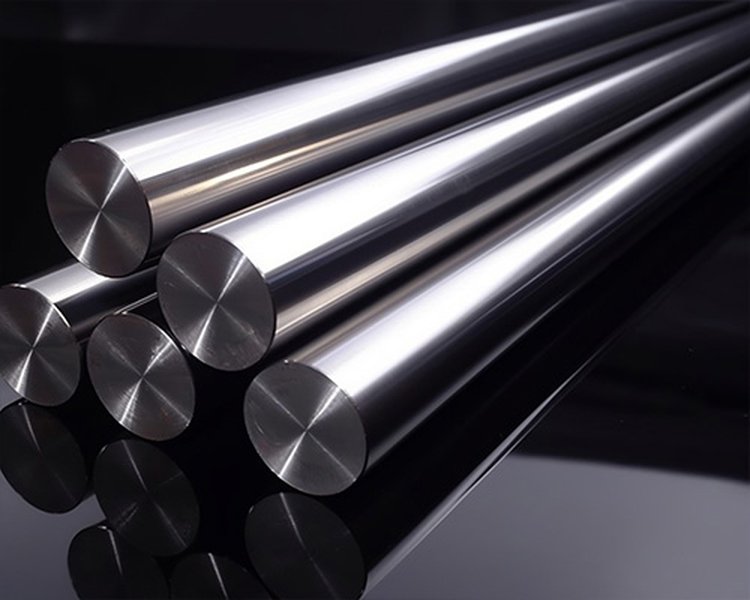
Molybdenum alloys are crucial in aerospace and high-strength steel applications.
Enhanced Strength and Hardness:
Molybdenum increases the hardenability and tensile strength of steel, making it crucial for construction, automotive components, and heavy machinery.Corrosion Resistance:
Adding molybdenum to stainless steels (particularly duplex and austenitic grades) significantly improves their resistance to chlorides and other corrosive environments, vital for chemical processing equipment, marine applications, and desalination plants.High-Temperature Stability:
Molybdenum alloys maintain their structural integrity at elevated temperatures, making them essential for power generation turbines, furnace parts, and engine components.Wear Resistance:
In tool steels and high-speed steels, molybdenum improves toughness and resistance to wear, extending the life of cutting tools and industrial components.
Powering the Future: Energy Sector Applications
The global shift towards cleaner energy and the ongoing demands of traditional energy sectors both rely on molybdenum.
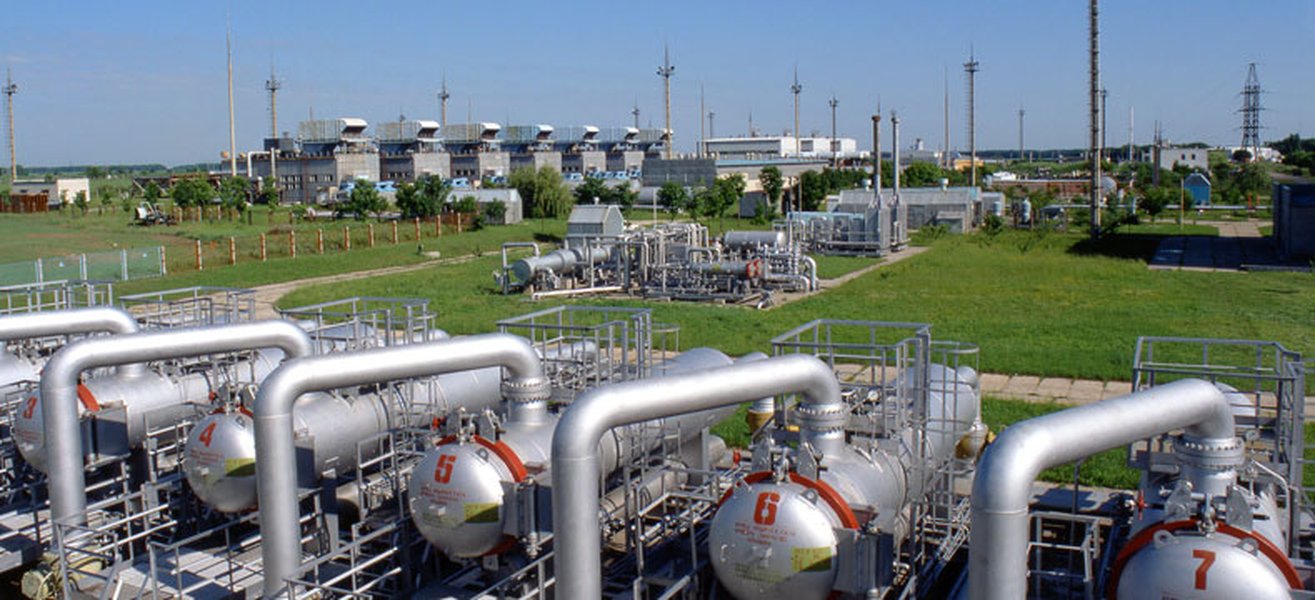
Molybdenum plays a key role in components for the energy sector, including wind turbines.
Renewable Energy:
Molybdenum is used in high-performance gear steels for wind turbines, enhancing their durability. It also serves as a critical metal in the back electrodes of CIGS (Copper Indium Gallium Selenide) thin-film solar panels, contributing to photovoltaic efficiency.Oil and Gas Industry:
Molybdenum compounds are vital catalysts in petroleum refining, particularly for hydrodesulfurization (HDS) processes that remove sulfur from natural gas and refined petroleum products. This helps produce cleaner-burning fuels, meeting stringent environmental regulations.Nuclear Power:
Certain molybdenum alloys are used in nuclear reactor components due to their high-temperature strength and resistance to radiation damage.
Beyond Steel: Chemical and Specialized Uses
While steel alloying dominates, molybdenum's applications extend into chemical industries and other specialized fields.
Catalysts:
Beyond oil refining, molybdenum-based catalysts are used in various chemical processes, including the production of polymers and formaldehydes.Lubricants:
Molybdenum disulfide (MoS2) is a highly effective solid lubricant, especially under extreme pressure and temperature conditions where conventional lubricants fail. It's used in greases, coatings, and composites for automotive and industrial machinery.Pigments:
Molybdenum compounds are used to produce vibrant and durable pigments for paints, inks, and plastics.
Aerospace, Defense, and Electronics
The demanding environments of aerospace, defense, and modern electronics benefit greatly from molybdenum's unique characteristics.
Aerospace and Defense:
Its high melting point (2,623°C, the sixth highest of any element), thermal stability, and high tensile strength make molybdenum and its alloys (like TZM) ideal for rocket nozzles, spacecraft parts, high-temperature furnace components, and defense applications.Electronics and Semiconductors:
Molybdenum powder is used to produce thin films for transistors in flat-panel displays and as a material for heat sinks and electronic cooling devices due to its good thermal conductivity and low coefficient of thermal expansion.
Advancements in Medicine and Agriculture
Medical Applications:
The isotope Molybdenum-99 (Mo-99) is crucial as it decays into Technetium-99m (Tc-99m), the most widely used medical radioisotope for diagnostic imaging procedures. The Mo-99 market is projected for significant growth. Additionally, molybdenum's biocompatibility makes it suitable for certain medical implants.Agriculture:
Molybdenum is an essential micronutrient for plants and animals. In plants, it is a component of enzymes like nitrogenase, which is vital for nitrogen fixation by bacteria, directly impacting plant growth and crop yields.
Visualizing Molybdenum's Multifaceted Importance
To better understand the comparative importance and irreplaceability of molybdenum across its key application areas over the next decade, the following radar chart provides a visual representation. The chart evaluates current importance, projected 10-year importance, and irreplaceability on a scale relevant to each factor, with higher values indicating greater significance.
This chart illustrates that molybdenum's role in steel alloying and high-temperature performance is already paramount and expected to grow, with high irreplaceability. Its significance in renewable energy and medical isotopes is also projected to increase notably, underscoring its expanding strategic value.
Market Outlook and Growth Trajectory (2025-2035)
The global molybdenum market is poised for sustained growth over the next decade. Projections indicate a Compound Annual Growth Rate (CAGR) of approximately 3.7% to 4.0%. Market value forecasts vary but generally show robust expansion, with some estimates suggesting a rise from around $4.78 billion in 2024 to potentially $6.88 billion by 2033, and some outlooks extending to $10.5 billion by 2035. For instance, one market research firm projects growth from $19.62 billion in 2025 to $27.98 billion by 2034 (note: market value figures can differ based on scope and methodology, but the growth trend is consistent).
Key drivers for this growth include:
- Increasing demand from the steel industry, especially in emerging economies like China and India, for infrastructure development and manufacturing.
- Rising adoption in high-performance alloys across aerospace, defense, and energy sectors.
- Technological advancements leading to new applications for molybdenum alloys and composites.
- The global push for cleaner energy and reduced emissions, where molybdenum plays a role in catalysts and renewable energy components.
The Climax Molybdenum Mine in Colorado, a significant source of molybdenum.
A Mindmap of Molybdenum's Influence
The diverse applications and crucial properties of molybdenum can be visualized through the following mindmap, illustrating its central role in modern technology and industry.
Bridges)"] id2ab["Stainless Steel (Chemical
Marine)"] id2ac["Tool & High-Speed Steel"] id2ad["Superalloys (Jet Engines
Turbines)"] id2ae["Automotive Parts (Engines
Mufflers)"] id2b["Chemical Industry (~10-14%)"] id2ba["Petroleum Refining Catalysts (Desulfurization)"] id2bb["Industrial Lubricants (MoS2)"] id2bc["Pigments & Dyes"] id2c["Energy Generation & Transition"] id2ca["Wind Turbine Components (Gear Steels)"] id2cb["Solar Panels (CIGS Thin-Film Electrodes)"] id2cc["Nuclear Power Plant Components"] id2cd["Fossil Fuel Power Plants (High-Temp Parts)"] id2d["Aerospace & Defense"] id2da["Aircraft & Spacecraft Engine Parts"] id2db["Missile Components"] id2dc["High-Temperature Furnace Elements"] id2e["Medical & Healthcare"] id2ea["Molybdenum-99 (Source of Technetium-99m for Imaging)"] id2eb["Biocompatible Medical Implants"] id2f["Electronics & Semiconductors"] id2fa["Thin Films for Transistors (Flat Panels)"] id2fb["Heat Sinks & Cooling Devices"] id2g["Agriculture & Biology"] id2ga["Essential Micronutrient for Plants (Nitrogen Fixation)"] id2gb["Component of Animal Enzymes"] id3["Market Dynamics & Future Outlook"] id3a["Projected CAGR: 3-4%"] id3b["Increasing Demand in Emerging Economies"] id3c["Growing Use in Green Technologies"] id3d["Strategic Mineral Status"] id4["Reasons for High Importance (9/10 Ranking)"] id4a["Versatile & Critical Applications"] id4b["Difficult to Substitute in Key Roles"] id4c["Enabler of Technological Advancement"] id4d["Supports Sustainable Development Goals"]
This mindmap highlights how molybdenum's fundamental properties translate into a wide array of essential applications, underpinning its projected importance.
Molybdenum in Action: A Global Perspective
The following video provides a broad overview of molybdenum, its natural occurrence, and its myriad applications that impact daily life and industrial progress. Understanding these diverse uses helps to contextualize its strategic importance for the coming decade.
This video, "A World With Molybdenum," showcases the journey of molybdenum from a naturally occurring element to a vital component in transport, construction, energy, and many other fields. It emphasizes how this often unseen element is integral to the functionality and durability of countless products and infrastructure projects around us, reinforcing its high value and irreplaceability in many contexts.
Molybdenum Applications: A Closer Look
The diverse utility of molybdenum across key industrial sectors is summarized in the table below, highlighting its specific roles and the benefits it imparts.
| Sector | Specific Application | Role/Benefit of Molybdenum | Significance Level |
|---|---|---|---|
| Steel Industry | Alloy Steels (HSLA, Cr-Mo) | Enhances strength, toughness, hardenability, weldability | Very High |
| Steel Industry | Stainless Steels (Duplex, Austenitic) | Improves corrosion resistance (especially to chlorides), high-temperature strength | Very High |
| Steel Industry | Tool & High-Speed Steels | Increases wear resistance, hardness at high temperatures, toughness | High |
| Chemical Industry | Petroleum Refining Catalysts (HDS) | Removes sulfur from fuels, enabling cleaner emissions | High |
| Chemical Industry | Lubricants (Molybdenum Disulfide - MoS2) | Provides lubrication under extreme pressure/temperature, reduces friction | Medium-High |
| Energy Sector | Wind Turbine Components (Gears, Shafts) | Increases strength and durability of steel components | High |
| Energy Sector | Solar Panels (CIGS Thin-Film) | Serves as back contact material, crucial for cell efficiency | Medium |
| Aerospace & Defense | Engine Components, Rocket Nozzles | Provides high-temperature strength, thermal shock resistance | Very High |
| Medical | Molybdenum-99 (for Technetium-99m) | Parent isotope for widely used medical diagnostic imaging agent | High (Critical Niche) |
| Electronics | Thin-Film Transistors (TFTs), Heat Sinks | Provides conductive layers, thermal management | Medium |
| Agriculture | Micronutrient Fertilizer | Essential for nitrogen fixation and enzyme functions in plants | Medium (Niche) |
This table underscores the breadth and depth of molybdenum's contributions, solidifying its rank as a highly valuable material for the next decade.
Why Not a Perfect 10? Considerations and Nuances
While molybdenum's importance is undeniably high (ranking a 9 out of 10), it's not a perfect 10 primarily because:
- Limited Substitutability, Not Zero: In some specific, less demanding applications, other alloying elements or materials (like tungsten, vanadium, chromium, or even advanced composites) might offer partial substitution, though often with performance or cost trade-offs. However, for many high-performance applications, molybdenum's unique combination of properties makes it extremely difficult to replace effectively.
- Recycling Efforts: While primary mining remains crucial due to growing demand and relatively low current recycling rates for molybdenum (around 20-30%), increased focus on a circular economy and improved recycling technologies could, in the long term, alleviate some supply pressures for specific end-uses. However, this is unlikely to diminish its overall importance in the next decade significantly.
- Price Volatility & Supply Dynamics: Like many commodities, molybdenum prices can be volatile, influenced by geopolitical factors, mining disruptions, and demand fluctuations. While this underscores its strategic value, it can also prompt research into alternatives in cost-sensitive areas, albeit slowly.
Despite these points, the overwhelming evidence points to molybdenum's indispensable role in enabling key technologies and supporting industrial progress, making it a cornerstone material for the foreseeable future.
Frequently Asked Questions (FAQ)
Why is molybdenum so critical for the steel industry?
Molybdenum is vital for the steel industry because it imparts several crucial properties when alloyed with steel. It significantly enhances hardenability (the ability to form hard structures upon cooling), strength (especially at high temperatures), toughness (resistance to fracture), and corrosion resistance (particularly against chlorides and sulfuric acid). This makes "moly steel" essential for demanding applications in construction, automotive manufacturing, tools, and industrial machinery where durability and performance under stress are paramount.
How does molybdenum contribute to green technologies and sustainability?
Molybdenum plays a key role in several green technologies. In renewable energy, it's used in high-strength steels for wind turbine components, making them more durable and efficient. It's also a component in certain thin-film solar panels (CIGS). Furthermore, molybdenum catalysts are essential in petroleum refining to remove sulfur from fuels, leading to cleaner-burning gasoline and diesel, which reduces air pollution. Its role in producing lighter, stronger steels can also contribute to more fuel-efficient vehicles.
Is molybdenum truly irreplaceable in its applications?
In many of its critical high-performance applications, molybdenum is very difficult to replace without compromising performance or significantly increasing costs. For example, its ability to enhance strength and corrosion resistance simultaneously at high temperatures is unique. While other elements like tungsten, vanadium, or chromium can substitute for molybdenum in some lower-demand alloy applications, they often don't provide the same range of benefits or may have other drawbacks. For specialized uses like Molybdenum-99 in medical imaging or certain catalytic processes, it is effectively irreplaceable with current technology.
What are the main drivers for molybdenum's market growth in the next 10 years?
The primary drivers for molybdenum's market growth include: 1) Continued strong demand from the steel industry, particularly for high-strength and stainless steels, fueled by global infrastructure projects and industrialization in emerging economies. 2) Increasing use in the energy sector, both in traditional oil and gas (for catalysts and pipelines) and renewable energy (wind turbines, solar). 3) Growing applications in aerospace and defense due to its high-temperature performance. 4) Technological advancements creating new uses for molybdenum compounds and alloys in electronics and chemical processing.
Are there any health or environmental concerns associated with molybdenum?
Molybdenum is an essential trace element for humans, animals, and plants, meaning small amounts are necessary for health. However, like many elements, excessive intake can lead to health issues, such as copper deficiency or gout-like symptoms. These concerns are typically related to dietary supplements or occupational exposure in industrial settings rather than general environmental contact with molybdenum-containing products. Environmentally, molybdenum mining, like all mining, has impacts that require careful management regarding waste rock, water quality, and land reclamation. Modern mining practices aim to mitigate these environmental effects.
Recommended Further Exploration
- What are the latest innovations in molybdenum alloy development for extreme environments?
- How does the recycling rate of molybdenum impact its global supply chain and price stability?
- Explore the specific role of molybdenum catalysts in advancing green chemistry and reducing industrial emissions.
- Investigate the future demand for Molybdenum-99 in nuclear medicine and alternative production methods.
References
Last updated May 19, 2025