
Master Your Monday Tasks: The Ultimate Guide
A comprehensive approach to pack, plan appointments, and organize finances
Highlights
- Optimize your packing list: Cover all essentials for both comfort and practicality during your Australian adventure.
- Schedule appointments effectively: Secure an eye doctor appointment within your available time slots.
- Streamline your finances: Set up an organized system to manage tax documents and other financial obligations.
Detailed Task Breakdown for a Productive Monday
Step 1: Creating a Packing List for Australia
Understanding the Requirements
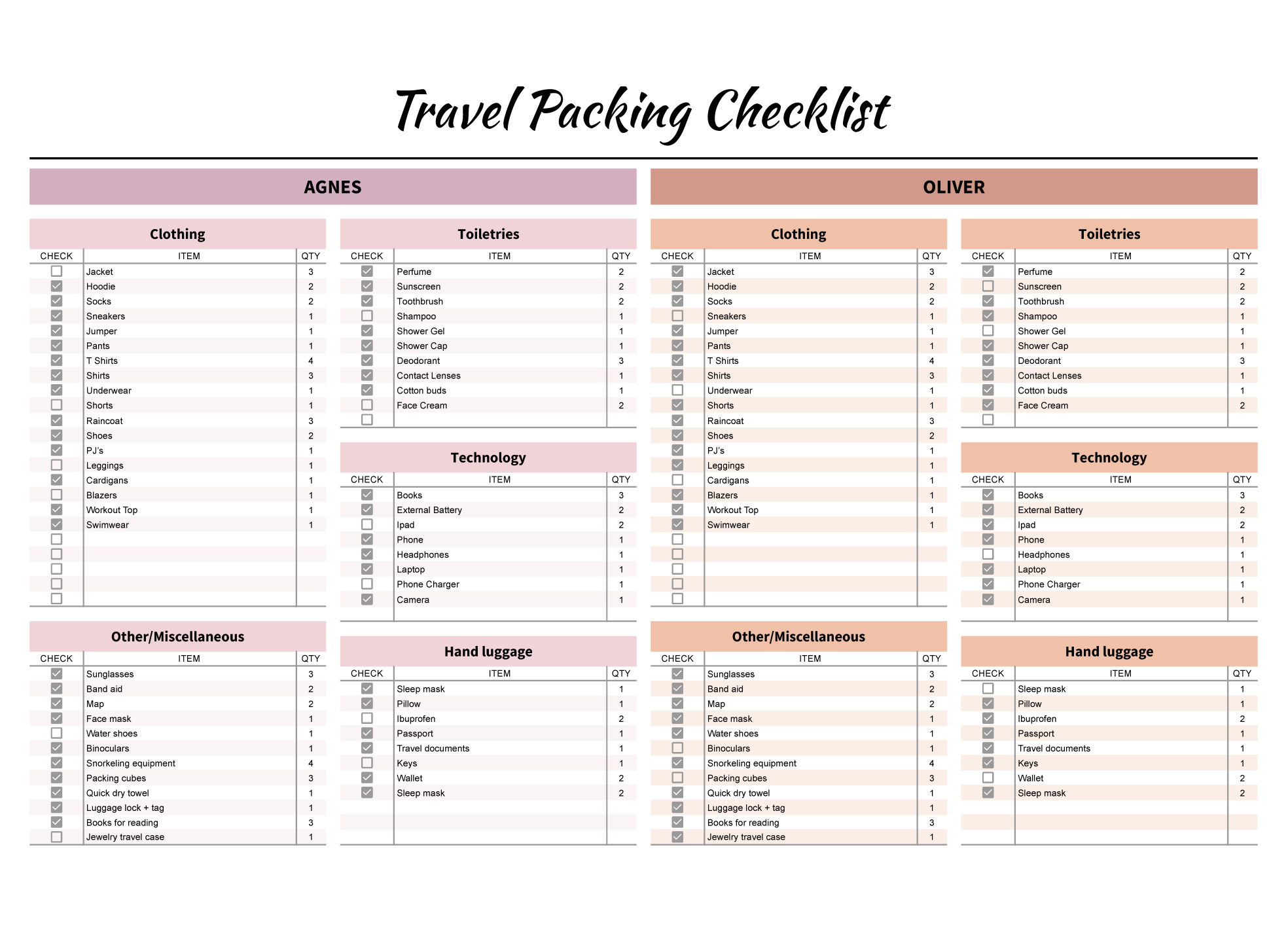
Preparing a packing list requires foresight and attention to detail, particularly when traveling to a diverse destination like Australia. Consider Australia’s climate variation and the long-term nature of your travel. You should have a comprehensive checklist that groups items into categories to ensure nothing important is left behind.
Essential Categories to Include
When crafting your list, make sure to cover these critical categories:
- Clothing: Think about versatile layers that suit both hot and cool weather. Include t-shirts, shorts, lightweight trousers, and a mix of casual to semi-formal wear. Also, add outerwear for cooler evenings or unexpected weather changes.
- Toiletries: Pack travel-sized versions of essentials like shampoo, conditioner, body wash, and skincare products. Include products such as toothpaste and sunscreen, particularly eco-friendly or reef-safe alternatives.
- Health Items: Include functionalities such as prescription medicines, a small first-aid kit (bandages, antiseptic wipes, pain relievers), and personal items like contact lenses or glasses. Remember to note if you need to purchase new contact lenses.
- Electronics & Accessories: Don't forget a universal travel adapter (Australia uses Type I plugs at 230V and 50Hz), chargers, headphones, and travel power banks. Also, consider packing items like a camera or portable laptop if needed.
- Travel Documents: Bring essential documents such as your passport (ensure it’s valid for at least six months), visa documents, travel insurance, and copies of itinerary details.
- Luggage Organization: Whether you choose a durable suitcase or a versatile backpack, use packing cubes or organizers for systematic compartmentalization.
Time Management and Additional Tips
Allocate about 10-15 minutes to draft your packing checklist. While working through each category, jot down specific items that still need to be acquired, such as additional contact lenses. This helps you remain proactive in organizing your travel essentials and avoids last-minute rushes.
Step 2: Scheduling Your Eye Doctor Appointment
Why It’s Important
Eye health is critical, particularly when you are traveling. Scheduling your eye doctor appointment early ensures you have sufficient time to acquire any necessary prescriptions or treatments before departure. This step involves checking for available appointments on either Monday or Tuesday, allowing you ample time to prepare.
Methods to Book:
Choose the method that suits your preference and needs:
- Online Scheduling Platforms: Websites like MyEyeDr.com, Visionworks, or Zocdoc provide user-friendly appointment booking interfaces. These platforms typically display available time slots and let you choose what best fits your schedule.
- Direct Phone Calls: In some cases, contacting a local optometrist directly might be more efficient if you're facing time constraints or need specific guidance.
- Retail Options: Many retail stores now house vision centers (e.g., Target Optical, Walmart Vision Center). These can offer walk-in services or scheduled appointments.
Preparation Before the Appointment
Before booking your appointment, compile a list of any symptoms or issues you might have noticed. It’s beneficial to have your previous prescriptions and any relevant medical history on hand.
Step 3: Setting Up Financial Organization
Importance of Financial Organization
Effective financial organization is not only about managing money but also about being prepared for future obligations, such as tax filings and overdue payments. This step primarily involves collecting all documents and receipts while planning a systematic approach to organize them.
Primary Areas to Address
When it comes to setting up your financial organization, here are the key elements to focus on:
- Document Collection: Gather all relevant documents including tax papers, bank statements, invoices, receipts, and donation records.
- System Setup: Decide if you prefer a physical system (such as a filing cabinet or binders) or a digital system (using devices and secure cloud storage solutions like Box.com, Google Drive, or OneDrive). Digital systems are particularly useful in ensuring that you have backups and remote access.
- Checklist Creation: Make a detailed checklist of all financial tasks that need attention. This might include organizing multiple years of tax documents, verifying expenditures, tracking outstanding payments, and reviewing your budget.
- Document Differentiation: If managing both personal and business finances, maintain separate files to avoid confusion and ensure compliance with tax regulations.
Time Allocation and Best Practices
Allow approximately 30-45 minutes for this task. This period should be enough to sort through your current documents and establish a groundwork for more advanced organization later on. Additionally, consider the following best practices:
- Regular Updates: Make it a habit to update your financial records regularly to avoid a cluttered workspace before tax season.
- Use of Technology: Employ apps and software tools that can automate aspects of document organization, such as scanning and filing receipts.
- Backup and Security: Ensure all digital records are backed up in more than one location and protected by strong passwords or encryption methods.
Comprehensive Overview Table
| Task | Duration | Key Steps |
|---|---|---|
| Create a Packing List for Australia | 10-15 minutes |
|
| Schedule an Eye Doctor Appointment | 15-20 minutes |
|
| Set Up Financial Organization | 30-45 minutes |
|
Implementation Strategies
Practical Tips
To maximize your productivity on Monday, consider implementing several practices that might help maintain focus and efficiency:
Prioritize and Sequence
Start with the quick task—drafting your packing list—since it sets the tone for your travel preparations. Once completed, move on to securing that eye doctor appointment. Finally, allocate dedicated time in a quiet and distraction-free environment to organize your financial documents. Utilizing your peak concentration periods will yield better outcomes.
Use Technology to Support You
For your packing list, use note-taking apps on your smartphone or tablet. Digital tools can help keep lists easily updateable and shareable if you travel with a companion. For scheduling the eye doctor appointment, web-based solutions not only save time but also provide digital confirmation entries. Finally, finance management software or spreadsheets can streamline your document organization.
Review and Adjust
After completing your tasks, take a few moments to review your work:
- Confirm that your packing list covers all travel needs and that no essential item is missed.
- Double-check your appointment details for accuracy and set a reminder to prepare any required documentation before the visit.
- Review your financial organization system to ensure it is intuitive and easy to update as new documents arrive.
Integrating Your Monday Tasks into a Productive Workflow
Creating a Routine
A clearly defined routine minimizes the risk of forgetting important tasks and ensures a well-structured day. Your Monday schedule prioritizes three key areas. By addressing travel preparation, health appointments, and financial management consecutively, you create momentum that carries throughout the week.
Embracing Flexibility
Even with the best-laid plans, unexpected issues can arise. Set buffers within your schedule to accommodate any delays, such as waiting for appointment confirmations or additional time needed for re-evaluating your packing needs. Flexibility ensures that even if one task takes longer than expected, your overall productivity isn’t compromised.
Organizing Information: A Detailed Checklist
Packing Checklist Items
Below is an extensive checklist that covers the most crucial items specific to your trip to Australia:
- Lightweight shirts, t-shirts, and blouses
- Shorts, jeans, and trousers
- A mix of sweaters, hoodies, or jackets
- Toiletries (toothbrush, toothpaste, shampoo, conditioner, skincare)
- Prescription medications and health supplements
- Travel-sized first-aid kit (bandages, antiseptic, pain relievers)
- Universal travel adapter compatible with Australia
- Electronics: phone, charger, headphones, camera
- Essential documents: passport, visas, travel insurance, booking confirmations
- Any specialized items (e.g., extra contact lenses, glasses, medication)
Eye Doctor Appointment Preparation
- Gather previous eye exam reports or prescriptions
- List any vision concerns or symptoms
- Confirm appointment details via email or text notification
Financial Organization Tasks
- Collect all bank statements, invoices, and receipts
- Separate personal from business financial records if needed
- Create a digital or physical filing system
- Establish a checklist for tax documents covering multiple years
- Set reminders for periodic financial updates
Visualizing Your Process with a Workflow Diagram
Below is a simplified workflow that outlines the sequential process for Monday’s tasks:
| Task | Action | Time Estimate |
|---|---|---|
| Packing List | Review categories, list essential items, note missing purchases | 10-15 minutes |
| Eye Doctor Appointment | Research, book online/phone, prepare documents | 15-20 minutes |
| Financial Organization | Gather documents, set up filing system, create checklist | 30-45 minutes |
Additional Tips for Long-Term Success
Regular Review
Set aside a weekly review session to go through travel plans, appointments, and financial documents. Even a brief check-in each week can prevent last-minute stress and ensure that you remain organized.
Digital Integration
Utilize digital calendars and reminder apps. Sync your appointments, travel checklist, and financial deadlines across your devices. This ensures seamless coordination between different aspects of your life.
References
- Packing List for Australia - Travel Vagabonds
- Australia Packing List - SmarterTravel
- Essential Australia Packing List - Asher Fergusson
- Eye Exam Information - MyEyeDr
- Financial Organization Tips - Investopedia
Recommended Related Queries
Last updated March 23, 2025