
Monster Hunter Wilds: A New Frontier in Hunting
Explore dynamic ecosystems, innovative gameplay, and a rich storyline in Capcom’s latest installment.
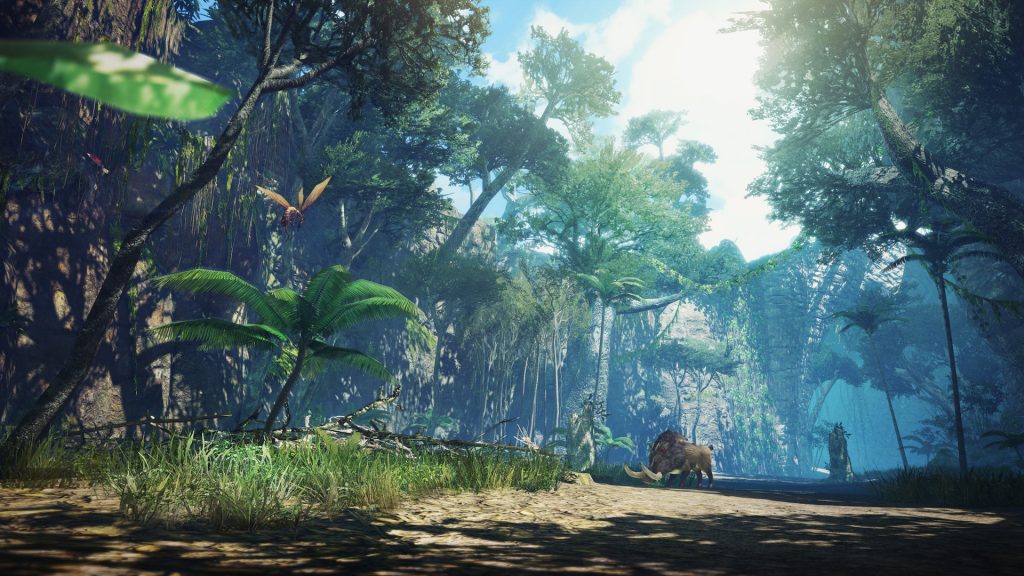
Key Highlights
- Dynamic Environments: Ever-changing landscapes that influence gameplay
- Innovative Mechanics: Features like mount mobility, dual-weapon system, pop-up camps, and an advanced wound system
- Immersive Storytelling: Rich narrative intertwined with a world where monsters and humanity coexist
Introduction to Monster Hunter Wilds
Monster Hunter Wilds is the latest installment in the critically acclaimed Monster Hunter series developed and published by Capcom. Released on February 28, 2025, for Windows, PlayStation 5, and Xbox Series X|S, the game signifies a revolutionary step forward in the hunting action RPG genre. Designed for cross-platform play, Wilds builds upon its predecessors by introducing unprecedented environmental interaction, gameplay innovation, and a rich narrative that deepens the connection between players, monsters, and a living, breathing game world.
Expanding the Horizons: A Vast and Living World
Dynamic Environments and Weather Systems
One of the defining features of Monster Hunter Wilds is its dynamic environment. The game is set in the unforgiving yet awe-inspiring Forbidden Lands, a vast realm where every biome—from sun-scorched deserts to lush, verdant forests and frozen caverns—offers a unique challenge. The revolutionary weather system includes varied states like fallow, inclemency, and plenty, each altering not just the aesthetic, but providing distinct tactical advantages and obstacles. For instance, inclement conditions such as sandstorms or thunderstorms can obscure visibility and affect both movement and combat, making each hunt a uniquely adaptive experience.
Biome Diversity and Strategic Gameplay
The world of Wilds is segmented into different biomes that play vital roles in strategy and planning. Each biome introduces its own set of monsters with distinct behaviors and weaknesses. Understanding the ecosystem is crucial; monsters adapt to environmental changes and interact with each other, forging natural conflicts that players can tactically exploit. This constant transformation enhances the feeling of a living ecosystem, where the interplay between flora, fauna, and weather demands adaptive strategies from hunters.
Innovative Gameplay Mechanics
Seamless Exploration and Combat
At its core, Monster Hunter Wilds revitalizes the franchise's classic hunting mechanics with several groundbreaking features. The game offers a seamless open world where players can freely roam without interruption, transitioning smoothly between expansive hunting grounds and their hunter village. This design eliminates frequent loading screens, immersing players directly into a vibrant and interconnected world.
Dual Weapon System and Mount Mobility
One of the most innovative advancements in Wilds is the ability to carry up to two weapons into the field. This dual-weapon system permits players to switch between weapons without needing to return to a safe zone, a feature that significantly alters the combat dynamics. Complementing this is the introduction of mount mobility using the player’s bird-like Seikrets; these mounts not only facilitate faster travel across vast landscapes but also enable strategic positioning during combat, adding a new strategic layer to the thrill of the hunt.
Pop-up Camps and the Wound System
The game further integrates the concept of pop-up camps, allowing players to set up temporary bases in the heart of the wilderness. These camps serve multiple roles: they are safe havens where hunters can replenish supplies, craft new gear, and even cook food to restore health and stamina. Another innovative feature is the wound system, a mechanism that lets players target specific weak points on monsters. By exploiting these vulnerabilities, players can inflict increased damage and gain vital insights into enemy behavior, which adds depth and tactical variability to combat encounters.
Narrative and Character Depth
Engaging Storyline and World Lore
Monster Hunter Wilds enriches the gaming experience with a compelling narrative that straddles the line between traditional monster-hunting and immersive storytelling. The game invites players to step into the shoes of a customizable hunter, recently recruited to explore the mysterious Forbidden Lands on a mission to uncover the fate of a missing expedition party. The narrative weaves together the destinies of humans and monsters, exemplified through the journey of a young protagonist named Nata, whose origins and connections to the enigmatic White Wraith further intensify the allure of the story.
Monsters and Characters in a Living Story
The characters in Wilds are not merely background elements; they play active roles in both the story and gameplay. Veteran players will appreciate nostalgic elements such as returning fan-favorite monsters, while new entries like the mesmerizing Mizutsune provide fresh challenges. Non-player characters (NPCs) within the game are often designed with robust backgrounds, enhancing the overall narrative depth. Some NPCs can even join hunters in mission-critical battles, providing both assistance and narrative context, and adding a communal aspect to the hunts even in a predominantly solo play experience.
Technical Innovations and Post-Launch Evolution
Advanced Engine and Graphics
Monster Hunter Wilds is powered by Capcom’s internal RE Engine, which ensures that every visual aspect—from intricate monster designs to vast environmental textures—is rendered with exceptional detail. The next-generation graphics engine brings forth an aesthetic transformation that not only complements the dynamic game world but also immerses players in an experience where every element feels tangible. The visual fidelity of the game is matched by its sound design, with ambient effects that dynamically respond to environmental conditions, further enhancing the sense of a living world.
Post-Launch Updates and Expanding Content
Capcom’s commitment to evolving Wilds is evident in its planned post-launch content updates. Title Update 1 is on the horizon, promising the inclusion of new monsters like Mizutsune along with exclusive weapons and armor sets. For players who joined the Hunt in Monster Hunter World, there are features such as the introduction of Palico armor and weapon customization. These updates ensure that the game continues to evolve and remains engaging long after the initial release, providing a steady stream of fresh challenges and content.
Comparative Analysis: Traditional Versus Revolutionary
Simplifying Complexity in a Seamless World
When comparing Monster Hunter Wilds to its predecessors, significant strides can be observed in reducing the fragmentation often associated with open-world games. The removal of frequent loading screens and the introduction of portable weapon switching eliminate barriers to immersion. These enhancements have allowed players to enjoy longer uninterrupted sessions, a feature that distinguishes Wilds in a market accustomed to segmented gameplay experiences.
Table: Key Features and Improvements
| Feature | Previous Iterations | Monster Hunter Wilds |
|---|---|---|
| World Exploration | Segmented maps with loading screens | Seamless open world across multiple biomes |
| Weather System | Static or minimal effects | Dynamic weather effects: fallow, inclemency, and plenty |
| Combat Mechanics | Single weapon use and fixed strategies | Dual-weapon system, mount mobility, and wound system |
| NPC Support | Limited cooperative play | AI-controlled NPC allies for solo assistance |
| Post-Launch Content | Mostly static gameplay | Regular updates and evolving content |
Tactical Insights and Player Experience
Adapting Strategies in a Competitive Environment
Monster Hunter Wilds requires players to be agile in their strategizing. With an emphasis on environmental interactions, hunters must constantly adapt their tactics to the conditions presented by the ever-changing ecosystem. The innovative wound system, for example, forces players to carefully analyze the anatomy of monsters, targeting weak points to maximize damage. Additionally, the interplay between dynamic weather conditions and monster behavior adds a layer of unpredictability that demands both skill and foresight.
Solo Yet Social Play
While the game is designed to captivate solo players, its mechanics also lend themselves to a communal experience. The inclusion of cooperative elements through NPC allies means that even when hunting alone, players enjoy a semblance of teamwork in challenging hunts. This balance between solo and social play is a testament to the thoughtful design that caters to both new entrants and series veterans.
Ongoing Evolution and Community Engagement
Robust Post-Launch Support and Community Feedback
In today’s gaming landscape, staying relevant long after the initial release is crucial. Capcom recognizes this and has laid out a visionary plan for Monster Hunter Wilds through scheduled title updates and expansions. These updates not only introduce new monsters and storylines but also incorporate community feedback to refine gameplay mechanics. With an active online community and competitive events, the game continues to foster a deep, ongoing engagement among its player base.
Role of Technology in Enhancing Gameplay
The use of Capcom’s RE Engine provides a vivid, high-fidelity rendering of the game world. This robust technical foundation has allowed for the creation of dynamic environments that interact realistically with in-game physics and AI systems. This synergy between technology and design ensures that every encounter in Monster Hunter Wilds is as engaging as it is visually spectacular.
References
- Monster Hunter Wilds - Wikipedia
- Official Monster Hunter Wilds Site - Capcom
- Monster Hunter Wilds on Steam - Steam
- Monster Hunter Wilds Archives - Game8
- Monster Hunter Wilds - PlayStation
Recommended Searches for Deeper Insights
Last updated March 14, 2025