
Unlocking Emotional Well-being: Could This Be the Ultimate Mood Support Formula for Young Adults?
Navigating mild depression with a science-backed blend of nature's finest, tailored for the unique needs of youth in the USA.
Key Insights: Your Path to a Brighter Mood
- Comprehensive Support: The proposed formula integrates a synergistic blend of vitamins, minerals, amino acids, herbal adaptogens, and omega-3 fatty acids, targeting multiple pathways involved in mood regulation.
- Evidence-Informed Ingredients: Key components like Vitamin D, B-Complex, Magnesium, 5-HTP, Saffron, Ashwagandha, Rhodiola, and Omega-3s are selected based on research suggesting their potential benefits for mild depressive symptoms and overall mental well-being.
- Holistic Approach Emphasized: While supplements can offer valuable support, they are most effective when combined with lifestyle interventions such as a balanced diet, regular exercise, sufficient sleep, and, crucially, professional guidance from healthcare providers.
The Challenge of Mild Depression in Young Adulthood
Young adulthood in the USA is a period of significant transition, growth, and, often, considerable stress. Academic pressures, career uncertainties, social dynamics, and the quest for identity can contribute to feelings of sadness, low energy, and a generally subdued mood, sometimes indicative of mild depression. While seeking professional help is paramount, many young individuals explore complementary approaches, including nutritional strategies, to support their emotional well-being.

Supplements can be part of a broader strategy for mood support in young adults.
A Holistic Approach: Beyond Supplements
It's crucial to understand that no supplement is a magic bullet. The "world's best formula" is one that complements a foundation of healthy lifestyle choices. These include a nutritious diet rich in whole foods, regular physical activity, adequate and restorative sleep, stress management techniques like mindfulness or meditation, and strong social support systems. Furthermore, any approach to managing mild depression, especially in young individuals, should involve consultation with healthcare professionals, such as doctors, psychiatrists, or therapists, to rule out underlying conditions and ensure a safe and effective plan.
Crafting an Optimal Mood Support Formula: Key Ingredients
Based on a synthesis of current research and expert recommendations, a comprehensive mood support formula for young adults in the USA experiencing mild depression might include the following categories of ingredients. The dosages provided are indicative and should be discussed with a healthcare provider.
Core Vitamins for Brain Health
Vitamin D3 (Cholecalciferol)
Often called the "sunshine vitamin," Vitamin D3 plays a crucial role in brain health and mood regulation. Low levels of Vitamin D have been associated with an increased risk of depressive symptoms. Supplementation, particularly for individuals with deficiencies (common in many parts of the USA, especially during winter months), may help alleviate these symptoms. Suggested dose: 1000–2000 IU daily.
B-Complex Vitamins (Folate, B12, B6)
B vitamins are vital for energy production and the synthesis of neurotransmitters like serotonin, dopamine, and norepinephrine, which are critical for mood balance.
- Folate (as L-Methylfolate or Folic Acid): Lower folate concentrations have been observed in individuals with depression. L-Methylfolate is a more bioavailable form that can cross the blood-brain barrier. Suggested dose: 400–800 mcg daily.
- Vitamin B12 (as Methylcobalamin): Essential for neurological function, B12 works synergistically with folate. Deficiency can manifest as depressive symptoms. Suggested dose: 500–1000 mcg daily.
- Vitamin B6 (as Pyridoxal-5-Phosphate - P5P): A cofactor in the conversion of 5-HTP to serotonin and tryptophan to niacin. Suggested dose: 10–25 mg daily.

Folic acid (Vitamin B9) is crucial for neurotransmitter synthesis and overall brain health.
Essential Minerals for Nervous System Function
Magnesium
This vital mineral is involved in over 300 biochemical reactions in the body, including those essential for nervous system function and optimal neurotransmitter activity. Magnesium deficiency is relatively common and has been linked to increased anxiety and depression. Suggested dose: 200–400 mg daily (elemental magnesium, often as glycinate or citrate for better absorption).
Amino Acids & Neurotransmitter Precursors
5-HTP (5-Hydroxytryptophan)
5-HTP is a direct precursor to serotonin, the "feel-good" neurotransmitter. By increasing serotonin levels, 5-HTP may help improve mood, reduce anxiety, and promote better sleep. Caution is advised, especially if taken with other serotonergic medications, due to the risk of serotonin syndrome. Suggested dose: 50–100 mg daily.
SAMe (S-Adenosylmethionine)
SAMe is a naturally occurring compound involved in methylation processes and the synthesis of neurotransmitters. Studies suggest it may have antidepressant effects, comparable to some prescription medications for mild to moderate depression. Suggested dose: 200–400 mg daily, taken on an empty stomach.
L-Tyrosine
An amino acid precursor to dopamine and norepinephrine, neurotransmitters involved in motivation, focus, and stress response. It may be beneficial for individuals experiencing low energy and lack of motivation associated with mild depression. Suggested dose: 250–500 mg daily.
GABA (Gamma-Aminobutyric Acid)
GABA is the primary inhibitory neurotransmitter in the brain, promoting relaxation and reducing neuronal excitability. While the efficacy of supplemental GABA in crossing the blood-brain barrier is debated, some individuals report calming effects. Suggested dose: 100-250 mg daily.
Powerful Herbal Extracts & Adaptogens
Adaptogens are natural substances considered to help the body adapt to stress and exert a normalizing effect upon bodily processes.
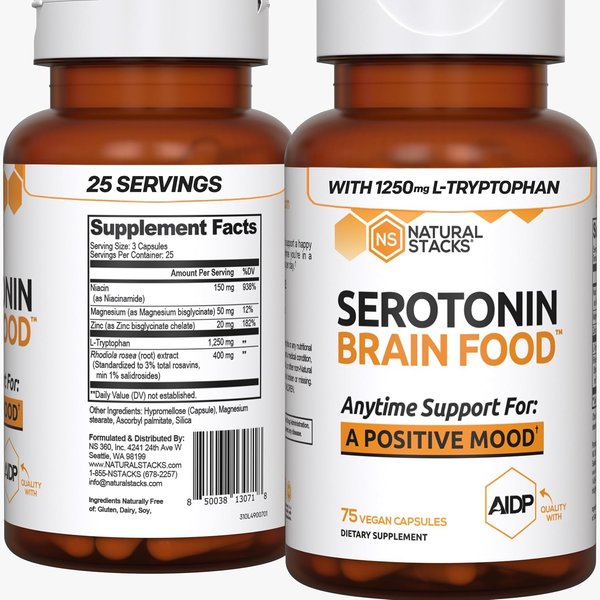
Herbal extracts like Rhodiola Rosea are often included in mood support formulations.
Saffron Extract (Crocus sativus)
Extracts from saffron stigmas have shown promising mood-enhancing effects in clinical trials, often comparable to conventional antidepressants for mild to moderate depression, with fewer side effects. It is thought to influence serotonin, dopamine, and norepinephrine levels. Suggested dose: 30 mg daily of a standardized extract (e.g., Affron® or Safr'Inside™).
Ashwagandha (Withania somnifera)
A well-known adaptogenic herb from Ayurvedic medicine, Ashwagandha helps the body manage stress by modulating cortisol levels. It can reduce anxiety and improve overall resilience, which is beneficial for mild depressive symptoms. Suggested dose: 300–500 mg daily of a standardized root extract (e.g., KSM-66® or Sensoril®).
Rhodiola Rosea
Another potent adaptogen, Rhodiola is known for its ability to combat fatigue, enhance mental performance under stress, and improve mood. It is thought to work by influencing levels of neurotransmitters like serotonin and dopamine, and by modulating the HPA-axis (stress response system). Suggested dose: 200–400 mg daily of a standardized extract (containing rosavins and salidrosides).
St. John’s Wort (Hypericum perforatum)
One of the most studied herbal remedies for depression, St. John's Wort has demonstrated efficacy for mild to moderate depression. However, it has significant interactions with many medications (including antidepressants, birth control pills, and blood thinners) by affecting liver enzymes. Its use requires careful consideration and mandatory consultation with a healthcare provider. Suggested dose: 300 mg, three times daily, of an extract standardized to 0.3% hypericin.
Omega-3 Fatty Acids: Brain Fuel
EPA (Eicosapentaenoic Acid) & DHA (Docosahexaenoic Acid)
These essential fatty acids, commonly found in fish oil, are crucial components of brain cell membranes and play a vital role in neurotransmitter function and inflammation regulation. Research, particularly for EPA, suggests a beneficial effect on depressive symptoms. Suggested dose: 1000–2000 mg combined EPA + DHA daily, with a higher ratio of EPA to DHA often recommended for mood.
Other Promising Nutrients
N-Acetylcysteine (NAC)
NAC is an antioxidant and precursor to glutathione. It has shown promise in supporting mood by modulating glutamate (an excitatory neurotransmitter) and reducing inflammation and oxidative stress in the brain. Suggested dose: 600-1200 mg daily.
Probiotics
The gut-brain axis is an emerging area of research, linking gut health to mental well-being. Certain probiotic strains (e.g., specific species of Lactobacillus and Bifidobacterium) may positively influence mood and reduce stress-related symptoms, possibly by reducing inflammation and influencing neurotransmitter production. Specific strains and dosages vary.
Visualizing Key Supplement Categories for Mood Support
To better understand how these diverse ingredients contribute to mood support, the following mindmap categorizes the key components discussed. This visualization helps illustrate the multifaceted approach of a comprehensive mood support formula, targeting various physiological pathways involved in emotional well-being.
(Cholecalciferol)"] id1b["B-Complex Vitamins"] id1b1["Folate (B9)
(L-Methylfolate)"] id1b2["Vitamin B12
(Methylcobalamin)"] id1b3["Vitamin B6
(P5P)"] id2["Minerals"] id2a["Magnesium
(e.g., Glycinate, Citrate)"] id3["Amino Acids & Precursors"] id3a["5-HTP
(5-Hydroxytryptophan)"] id3b["SAMe
(S-Adenosylmethionine)"] id3c["L-Tyrosine"] id3d["GABA
(Gamma-Aminobutyric Acid)"] id4["Herbal Extracts & Adaptogens"] id4a["Saffron Extract"] id4b["Ashwagandha
(Withania somnifera)"] id4c["Rhodiola Rosea"] id4d["St. John's Wort
(Hypericum perforatum) (Caution Advised)"] id5["Omega-3 Fatty Acids"] id5a["EPA
(Eicosapentaenoic Acid)"] id5b["DHA
(Docosahexaenoic Acid)"] id6["Other Supportive Nutrients"] id6a["N-Acetylcysteine (NAC)"] id6b["Probiotics
(Specific Strains)"]
This mindmap highlights distinct categories of supplements, each playing a unique role. Vitamins and minerals form the foundational support for neurological processes, while amino acids act as building blocks for crucial neurotransmitters. Herbal extracts and adaptogens offer stress resilience and mood modulation, and omega-3 fatty acids support overall brain structure and function. Emerging research also points to the benefits of nutrients like NAC and probiotics for mental health.
Comparative Overview of Key Mood-Supporting Ingredients
The following radar chart provides a visual comparison of several key ingredients discussed, based on their perceived strength in different areas relevant to mood support. These are generalized assessments based on available research and not definitive scores. The axes represent: Mood Enhancement (direct impact on lifting mood), Stress Reduction (ability to mitigate stress and anxiety), Cognitive Support (benefits for focus, clarity), Energy Boost (impact on physical/mental fatigue), and Scientific Backing (general level of research support for mood-related benefits). This can help in understanding the multifaceted nature of these supplements.
This chart illustrates that different supplements offer varying profiles of benefits. For instance, Ashwagandha scores highly on Stress Reduction, while Omega-3s show strong Scientific Backing and Cognitive Support. A comprehensive formula aims to leverage these diverse strengths.
Comprehensive Mood Support Formula Summary Table
The table below outlines a potential daily dosage range for the discussed ingredients, along with their primary rationale in a mood support context. It is essential to remember that these are general guidelines, and individual needs may vary. Consultation with a healthcare professional is crucial before starting any new supplement regimen, especially for young individuals or those with pre-existing conditions or taking other medications.
| Ingredient | Suggested Daily Dose Range | Primary Rationale for Mood Support |
|---|---|---|
| Vitamin D3 | 1000–2000 IU | Mood regulation, addressing deficiency linked to depression. |
| Folate (L-Methylfolate) | 400–800 mcg | Neurotransmitter synthesis (serotonin, dopamine). |
| Vitamin B12 (Methylcobalamin) | 500–1000 mcg | Neurological function, energy metabolism, works with folate. |
| Vitamin B6 (P5P) | 10–25 mg | Cofactor in neurotransmitter production. |
| Magnesium (e.g., Glycinate) | 200–400 mg (elemental) | Nervous system calming, neurotransmitter function, stress reduction. |
| 5-HTP | 50–100 mg | Serotonin precursor to improve mood and sleep. (Caution with other serotonergic agents). |
| SAMe | 200–400 mg | Supports neurotransmitter synthesis and mood elevation. |
| L-Tyrosine | 250–500 mg | Precursor to dopamine and norepinephrine, for motivation and stress response. |
| GABA | 100-250 mg | Promotes relaxation and may reduce anxiety. |
| Saffron Extract (standardized) | 30 mg | Mood enhancement, reduces stress and anxiety. |
| Ashwagandha Extract (standardized) | 300–500 mg | Adaptogen, reduces stress and cortisol, calms anxiety. |
| Rhodiola Rosea Extract (standardized) | 200–400 mg | Adaptogen, combats fatigue, improves mood and stress resilience. |
| Omega-3 Fatty Acids (EPA+DHA) | 1000–2000 mg (combined) | Brain health, anti-inflammatory, supports mood (especially EPA). |
| N-Acetylcysteine (NAC) | 600–1200 mg | Antioxidant, modulates glutamate, potential mood benefits. |
| Probiotics (specific strains) | Varies (e.g., 10-50 Billion CFU) | Gut-brain axis support, potential to influence mood and stress. |
| St. John's Wort (standardized extract) | 300–900 mg (total daily) | Herbal antidepressant for mild/moderate depression. Requires medical supervision due to interactions. |
This table serves as a guide to potential ingredients and dosages found in comprehensive mood support supplements. The combination and specific amounts can vary based on the formulation's goals and the individual's needs.
Expert Insights on Mood and Supplements
Understanding the science behind how certain nutrients affect our mental state is crucial. Many experts in nutrition and mental health explore the role of supplements in supporting mood, energy, and overall brain function. The video below delves into several science-backed supplements that have shown promise in these areas. It provides context on how these components might work and why they are considered beneficial for mental well-being, aligning with many of the ingredients discussed in our proposed formula.
This video discusses various supplements, including some like L-Theanine (related to GABA in its calming effects) and others that contribute to overall brain health, which is foundational for stable mood. While the video may cover a broader range of supplements, the principles of supporting brain chemistry and function are highly relevant to managing mild depressive symptoms and enhancing mood.
Important Considerations and Safety
While a well-formulated supplement can be a valuable tool, it's essential to approach its use with awareness and caution, especially for young individuals.
Consult a Healthcare Professional
This is non-negotiable. Before starting any new supplement, especially one targeting mood, young adults should consult with a doctor, psychiatrist, or qualified healthcare provider. They can assess individual health status, rule out underlying medical conditions that may mimic or contribute to depressive symptoms, discuss potential interactions with any current medications (including birth control), and provide personalized advice.
Not a Substitute for Medical Treatment
Supplements are not a replacement for prescribed medications or psychotherapy for depression. For moderate to severe depression, or if symptoms persist or worsen, professional medical treatment is necessary. Supplements can be considered as part of an integrative approach under medical supervision.
Potential Interactions and Side Effects
Many ingredients, particularly herbal extracts like St. John’s Wort and 5-HTP, can interact with prescription medications (e.g., antidepressants leading to serotonin syndrome, anticoagulants, immunosuppressants) and even other supplements. Side effects, though often mild, can occur and vary by individual. It's important to start with lower doses and monitor for any adverse reactions.
Quality and Purity of Supplements
The supplement industry is not as strictly regulated by the FDA as pharmaceuticals. This means product quality, purity, and ingredient accuracy can vary significantly. Choose products from reputable brands that undergo third-party testing for potency and contaminants (e.g., NSF, USP, ConsumerLab).
Lifestyle Factors are Key
As emphasized earlier, supplements work best in conjunction with a healthy lifestyle. A balanced diet, regular exercise, sufficient sleep, stress management, and strong social connections are fundamental to mental and emotional well-being.
Frequently Asked Questions (FAQ)
Are mood support supplements generally safe for young adults?
Many ingredients in mood support supplements are generally considered safe for healthy young adults when taken at appropriate doses. However, "safe" depends on the specific ingredients, dosages, individual health conditions, and potential interactions with other medications or substances. Some individuals may experience mild side effects like digestive upset. It is crucial for young adults to consult a healthcare professional before starting any supplement regimen to ensure it's appropriate for their specific situation, especially given the developing brain and body.
How long does it typically take for mood supplements to show effects?
The timeframe for noticing effects from mood supplements can vary widely. Some individuals might observe subtle changes within a few days to a couple of weeks, particularly with ingredients like 5-HTP or some adaptogens. For others, especially with vitamins or minerals that address deficiencies (like Vitamin D or Magnesium), it might take several weeks to months of consistent use to experience significant benefits. Patience and consistency are key, and effects are often gradual rather than immediate.
Can I take these mood support supplements if I am already on prescription antidepressants?
No, not without explicit approval and supervision from your prescribing doctor. Many mood support supplements, especially those containing St. John's Wort, SAMe, or 5-HTP, can have serious interactions with prescription antidepressants (e.g., SSRIs, SNRIs, MAOIs), potentially leading to conditions like serotonin syndrome, which can be life-threatening. Always disclose all supplements you are considering to your doctor to avoid harmful interactions.
What lifestyle changes can enhance the effectiveness of mood support supplements?
Lifestyle changes play a fundamental role in mental well-being and can significantly enhance the effectiveness of mood supplements. These include:
- Balanced Diet: Consuming a diet rich in whole foods, fruits, vegetables, lean proteins, and healthy fats provides essential nutrients for brain health.
- Regular Exercise: Physical activity is a powerful mood booster, releasing endorphins and reducing stress.
- Sufficient Sleep: Aim for 7-9 hours of quality sleep per night, as sleep deprivation severely impacts mood.
- Stress Management: Practices like mindfulness, meditation, yoga, or spending time in nature can help manage stress.
- Social Connection: Maintaining supportive relationships and engaging in social activities can combat feelings of isolation.
- Limiting Alcohol and Substance Use: These can exacerbate depressive symptoms and interfere with supplements.
Are there any specific side effects I should be aware of with these types of supplements?
While many people tolerate mood support supplements well, potential side effects can occur depending on the ingredient and individual sensitivity. Common ones include digestive issues (nausea, diarrhea, stomach upset), headaches, dizziness, or fatigue. Some herbs like St. John's Wort can cause photosensitivity (increased sun sensitivity). 5-HTP can sometimes cause vivid dreams or, rarely, more serious issues if combined with other serotonergic substances. It's important to start with a low dose, monitor your body's reaction, and discontinue use and consult a doctor if you experience persistent or concerning side effects.
Recommended Further Exploration
- How do specific B-vitamins contribute to serotonin and dopamine production for mood elevation?
- What are the differences in efficacy and safety between Saffron, Ashwagandha, and Rhodiola for managing stress and mild anxiety in young adults?
- What is the scientific evidence supporting the use of Omega-3 fatty acids, particularly EPA, for symptoms of mild depression?
- What are the critical drug interactions to be aware of when considering St. John's Wort or 5-HTP for mood support?
References
 amazon.com
Last updated May 7, 2025