
Moonlighting: Causes and Impact on Employees
A Comprehensive Three-Page Introduction to a Modern Workforce Phenomenon
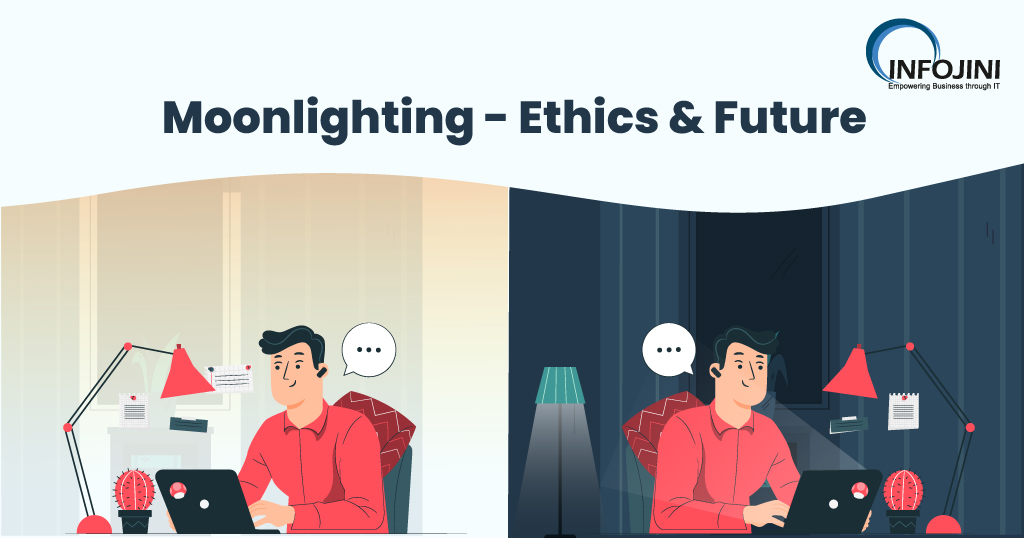
Key Takeaways
- Economic Necessity and Professional Growth: Moonlighting arises largely from financial pressures and is pursued as a means of skill development and career exploration.
- Complex Impacts on Employees: While extra employment can enhance financial stability and diversify skill sets, it also risks fatigue, burnout, and diminished performance in primary roles.
- Organizational Policy and Management Strategies: Innovative HR policies and productivity tools can help balance employee interests and business needs while mitigating potential drawbacks.
Page 1: Introduction to Moonlighting
Definition, Context, and the Evolution of Moonlighting
Moonlighting refers to the practice of holding multiple jobs simultaneously, where an employee engages in a primary full-time job alongside one or more supplemental jobs during non-standard working hours. Historically stemming from the notion of “working by moonlight,” this phenomenon has evolved significantly with changing economic landscapes and technological advances. In modern times, the term has come to encapsulate a diverse spectrum of secondary employment arrangements, which range from freelance gigs, part-time roles, remote projects, and entrepreneurial ventures.
Over recent decades, economic fluctuations, rising living expenses, and stagnant wages have transformed moonlighting from a luxury activity into a necessary strategy for many workers. For many, the additional income from a secondary job is no longer merely an option but a critical component of their financial stability. As industries became globalized and the gig economy expanded, flexible work arrangements and remote opportunities have facilitated increased engagement in dual employment.
Beyond financial motives, moonlighting also plays a significant role in professional development. Employees often pursue additional roles as a way of broadening their skill sets, exploring new career paths, or even testing entrepreneurial ideas. In many cases, moonlighting can serve as a sandbox for innovation where individuals apply and refine skills that are supplemental to or diverge from their primary career.
The cultural acceptance of multiple income streams and diversified work portfolios has grown in contemporary society. Particularly among younger generations who value flexibility, skill diversity, and experience over traditional job security, moonlighting represents a proactive approach to career management. This modern trend highlights an intersection between economic necessity and the desire for personal and professional growth.
Page 2: Causes of Moonlighting
Multifaceted Motivations Behind Dual Employment
The causes of moonlighting are as diverse as the types of work arrangements it encompasses. Fundamentally, the primary driver of moonlighting is economic necessity. With wages in many sectors failing to keep pace with rapidly increasing living costs, employees find themselves compelled to supplement their income through secondary jobs. Inflation, burdening debt, and rising expenses have all contributed to a situation where one income is often insufficient for maintaining a desired standard of living.
Alongside these economic pressures, professional development factors have emerged as significant motivators. Many individuals see moonlighting as an opportunity to obtain experience, build new competencies, and test potential career changes without sacrificing the stability of their primary job. For example, a teacher might offer private tuition sessions after school, or an IT professional might take on freelance projects to gain exposure to different technologies and methodologies. In these cases, secondary employment serves as both an income buffer and a strategic career booster.
Economic Pressures and Financial Necessity
A large segment of the workforce experiences the need for additional earnings due to insufficient primary income. The modern economic environment, characterized by stagnant wages juxtaposed with spiraling costs for housing, healthcare, education, and basic utilities, intensifies the need for supplementary revenue streams. For many employees, moonlighting is not an optional lifestyle choice but a survival strategy to meet financial obligations, pay off debts, or accumulate savings.
Professional Development and Skill Diversification
In addition to economic factors, the aspiration for career advancement propels many workers into supplementary roles. Moonlighting offers these individuals an experimental space to learn new practices, enter unfamiliar industries, and refine transferable skills. This experiential learning can be particularly advantageous in today’s dynamic job market, where versatility and adaptability serve as key competitive advantages. By pursuing work that aligns with personal interests or long-term career goals, employees are often able to enhance their professional resume and expand their network.
Technological Advances and the Gig Economy
Technological innovations have effectively dismantled traditional barriers to dual employment. The rise of digital platforms and remote work capabilities has enabled workers to engage in side projects without geographic constraints. Online freelancing marketplaces, flexible scheduling tools, and remote communication systems allow individuals to manage multiple work schedules simultaneously. This technological facilitation not only increases the feasibility of moonlighting but also enhances its appeal by providing a seamless integration of varied job functions.
Personal Fulfillment and Cultural Shifts
Moonlighting is also driven by the desire for personal fulfillment. Many employees seek to balance the monotony of a routine job with exciting, passion-driven projects that offer creative satisfaction, community engagement, or the chance to build a side business. Cultural shifts toward valuing entrepreneurship, creative expression, and diversified professional identities have normalized the pursuit of dual roles. In various industries—ranging from technology to the creative arts—moonlighting has become synonymous with self-improvement and proactive career management.
The motivations behind moonlighting are intertwined, with many individuals balancing multiple factors simultaneously. Whether driven by necessity or ambition, the decision to pursue additional work is a multifaceted one that reflects broader economic trends, evolving professional landscapes, and cultural shifts in how work and leisure are perceived.
Page 3: Impact on Employees
Exploring the Benefits and Challenges of Moonlighting
The repercussions of moonlighting on employees are complex, yielding both positive and negative consequences that can shape various dimensions of an individual’s professional and personal life. On one hand, additional work can be financially beneficial and offer avenues for learning and self-improvement; on the other hand, it may also impose significant physical and mental burdens, alter work-life balance, and potentially degrade performance in primary roles.
Positive Impacts
Among its many advantages, moonlighting provides a robust additional income stream. This supplementary revenue can enhance financial security, empower employees to meet daily expenses, manage debts, and even allocate funds for savings or investment opportunities. Financial stability, in turn, can reduce stress and improve overall quality of life.
Beyond monetary benefits, moonlighting serves as a fertile ground for skill diversification and professional growth. Engaging in different types of work allows employees to acquire new competencies and explore areas of interest that their primary job might not offer. This diversified skill set can increase employability and open up new avenues for career advancement, making workers more agile in an ever-changing job market.
Personal fulfillment is another significant benefit associated with moonlighting. Individuals who follow their passions or hobbies outside their regular employment find greater satisfaction and meaning in their work. This dual engagement not only enriches their professional lives but also adds an element of creativity and innovation that might benefit their primary roles through enhanced problem-solving abilities and a broadened perspective.
Negative Impacts
However, the practice of juggling multiple jobs is not without its drawbacks. One of the most concerning issues relates to health and well-being. The additional workload can lead to chronic stress, physical fatigue, and mental exhaustion. Employees who stretch themselves too thin may experience burnout, which can have serious long-term implications on both personal health and professional performance.
Productivity may also be compromised when an employee divides their attention between several roles. The need to constantly switch contexts can diminish focus and reduce the ability to deliver consistent, high-quality work in either job. Over time, this divided attention can lead to decreased efficiency, errors, and even absenteeism in the primary employment.
Furthermore, the pressure to perform in multiple roles can result in a strained work-life balance. The long hours associated with moonlighting may encroach on personal time, affecting relationships and reducing opportunities for rest and recreation. The resulting imbalance may lead to emotional stress and decreased overall job satisfaction.
A Comparative Overview
| Aspect | Positive Impact | Negative Impact |
|---|---|---|
| Financial | Additional income, improved savings, economic resilience | Potential for overwork, increased stress due to financial pressures |
| Professional | Skill diversification, networking, career experimentation | Divided focus, potential drop in primary job performance |
| Personal Well-being | Personal fulfillment, creative engagement | Risk of burnout, poor work-life balance, emotional exhaustion |
The table above succinctly encapsulates the dual nature of moonlighting’s impact, illustrating the balancing act that employees must manage when engaging in multiple forms of employment.
Finally, it is important to highlight that the overall impacts of moonlighting can vary significantly based on individual circumstances as well as organizational support and policies. For instance, companies that recognize the external pressures on their employees may incorporate flexible work policies, offer transparency in communication regarding dual employment, and introduce supportive measures to mitigate the adverse effects of moonlighting. In contrast, workplaces with strict policies or little understanding of modern workforce dynamics may exacerbate the negative impacts.
In summary, while moonlighting can provide vital economic and developmental benefits, it also introduces challenges that need to be carefully managed by both employees and employers. The interplay between additional income, personal growth, and the stress of overcommitment highlights the intrinsic complexity of this modern labor practice.
Conclusion
In conclusion, the phenomenon of moonlighting is deeply embedded in today’s economic and professional fabric. Driven by a combination of rising living costs, the evolution of the gig economy, and the pursuit of personal and professional growth, moonlighting offers both opportunities and challenges for employees. While it provides financial stability and an avenue for acquiring new skills, it also raises potential risks such as burnout, divided focus, and work-life imbalance. Organizations stand to benefit from understanding these dynamics as they design supportive policies to harness the positive aspects of dual employment while mitigating the negatives. As the modern workforce continues to navigate changing paradigms, a comprehensive understanding of moonlighting will be essential for crafting balanced, effective employment strategies.
References
- Moonlighting and Its Negative Impact on the Employee and the Employer - Financial Express
- Moonlighting: Reasons, Impacts, Solutions - LinkedIn
- An Examination of the Factors That Influence Moonlighting and Its Potential Effects on Employee's Health, Well-being and Productivity - ResearchGate
- Moonlighting Employees - Time Doctor
- Article on Modern Moonlighting Trends - Nature
- Research on Moonlighting Impact - IRJMETS
- Moonlighting in the Modern Workplace - HRD Connect
- Moonlighting and Its Effects - IJPREMS November Edition
- Study on Job Satisfaction and Moonlighting - ResearchGate
- Paper on Moonlighting Trends - GJIMT
- Moonlighting Analysis - PNR Journal
- Insights on Moonlighting - IJNRD
- Moonlighting Impact Study - IJPREMS December Edition
Learn More
Last updated February 18, 2025